- SUMMER SALE 2026 Massive clearance
-
Bookshop
Publisher
- FORGOTTEN BATTLES HISTORICONE
- CARAKTERE
- EPOPÉES - SABRETACHE
- ETAI
- HEIMDAL
- LAVAUZELLE
- LES BELLES LETTRES
- HISTOIRE & COLLECTIONS
- LELA PRESSE
- L'ESCADRON EDITIONS
- NIMROD
- MARANES EDITIONS
- NUTS & BOLTS
- OREP
- OVERLORD PRESS
- PAQUET
- PIERRE DE TAILLAC
- PERRIN
- PEROTTI - PP CONCEPT
- REGI-ARM MEMORABILIA
- SERVICE HISTORIQUE DE LA DEFENSE (SHD)
- YSEC
Theme- 2ND ARMORED DIVISION
- ARMS & ARTILLERY
- AUTOMOBILIA
- AVIATION
- BATTLES
- BIOGRAPHIES
- DOCTRINES - GEOPOLITICS
- FORTIFICATIONS
- HISTORY
- SCALE MODELS
- NAVY
- MILITARIA
- FASHION, STYLE & CLOTHING
- RECIPES & COOKING
- REGIMENTAL
- RESISTANCE
- SECRET SERVICES & SPECIAL FORCES
- SURVIVAL - SELF DEFENSE - PREPAREDNESS
- UNIFORMS & EQUIPMENT
- CIVILIAN VEHICLES
- MILITARY VEHICLES
- CIVILIAN LIFE
-
Vintage Fashion
Other Brands
-
Second Hand
-
- Plein Air -
BAREBONES - Surplus
-
Gift
Cards - Blog
- Our Website
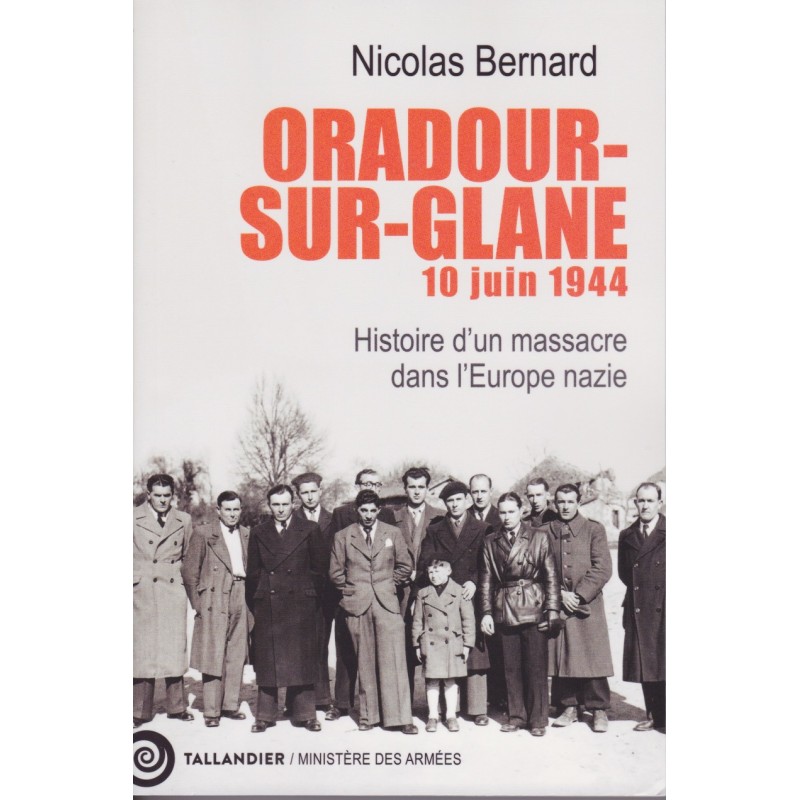
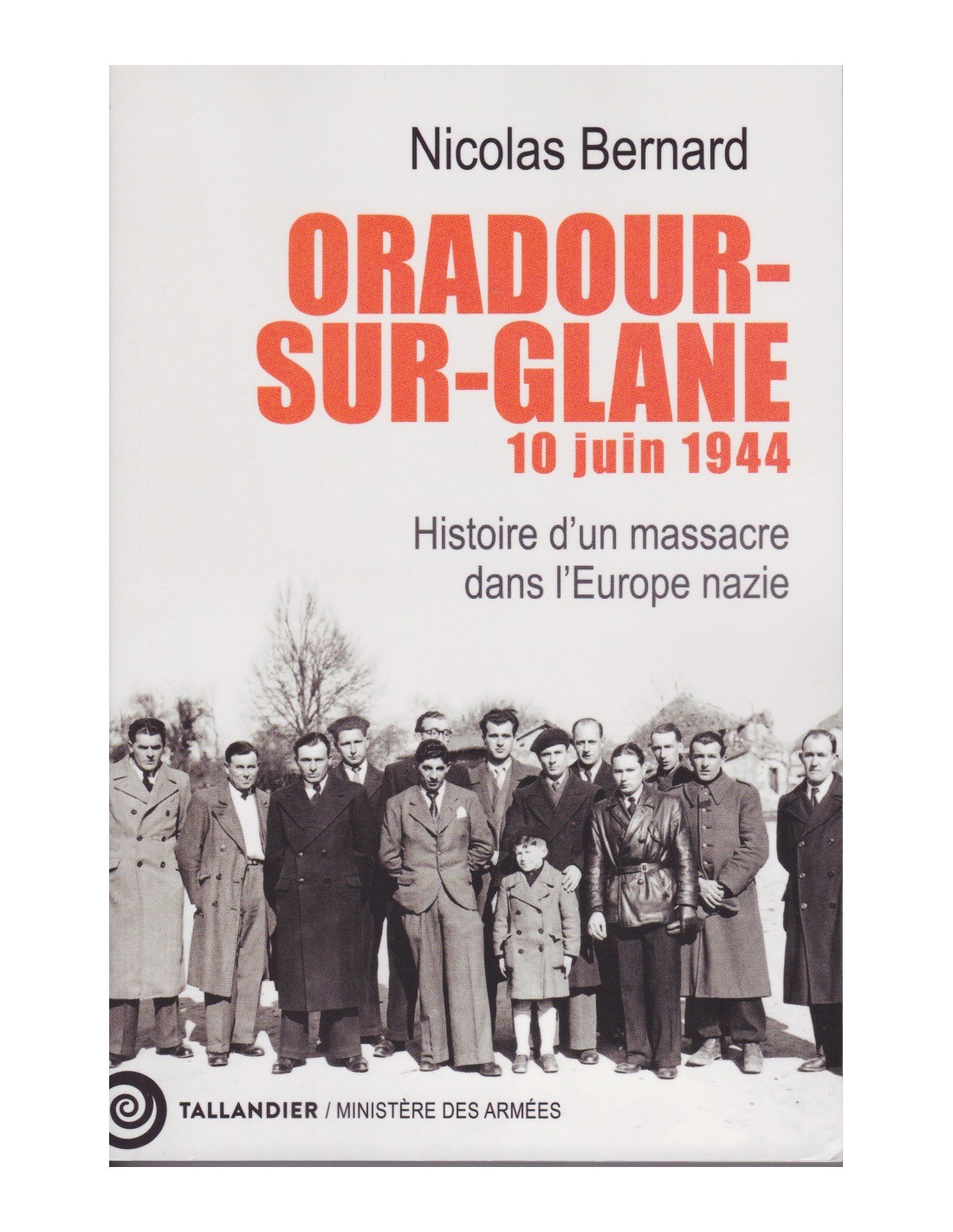
Oradour-sur-Glane, 10 June 1944 - History of a Massacre in Nazi Europe
10 June 1944. Four days after the Allied landings in Normandy, the village of Oradour-sur-Glane, near Limoges, was methodically wiped off the map by the SS division "Das Reich". The death toll would reach 643 victims, more than 200 of them children. Since then, the ruins of the martyred village, preserved as they stood, have become one of the most haunting symbols of Nazi barbarism. Yet many questions remain: Who ordered such an atrocity — and for what reasons? Was it an excess of zeal on the part of an SS officer, or an act of terror decided at the highest level? Why did the main perpetrators escape justice after the war? And why did this massacre leave a deeper mark on the collective memory than other German atrocities?
Drawing on a substantial historiography in several languages, the author has examined numerous French and German archival collections, hitherto little exploited, to establish a more precise account than ever of the causes and course of the massacre, as well as its memorial, judicial, political and diplomatic aftermath. Placing this slaughter within the broader context of Hitlerian terror in Europe, he offers an original interpretive framework, informed by the Nazi policy of "burned villages".
Secure Payment
Delivery
(+33) 01.79.75.05.50
You might also like