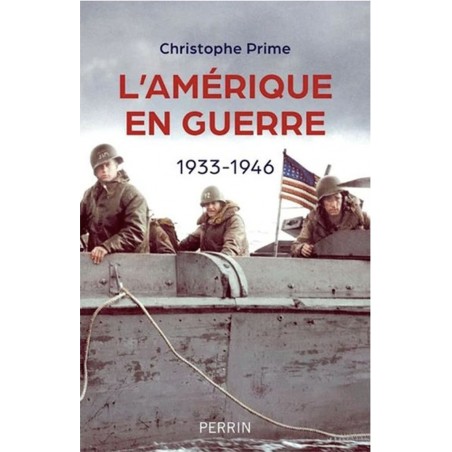
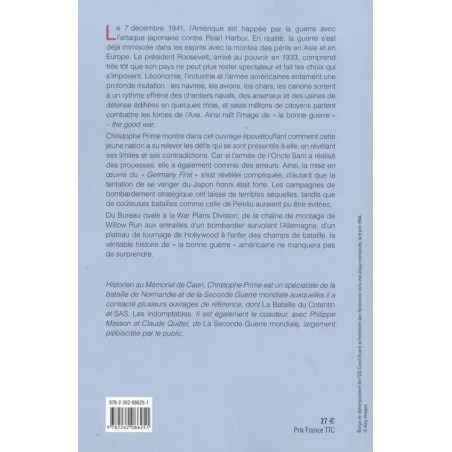
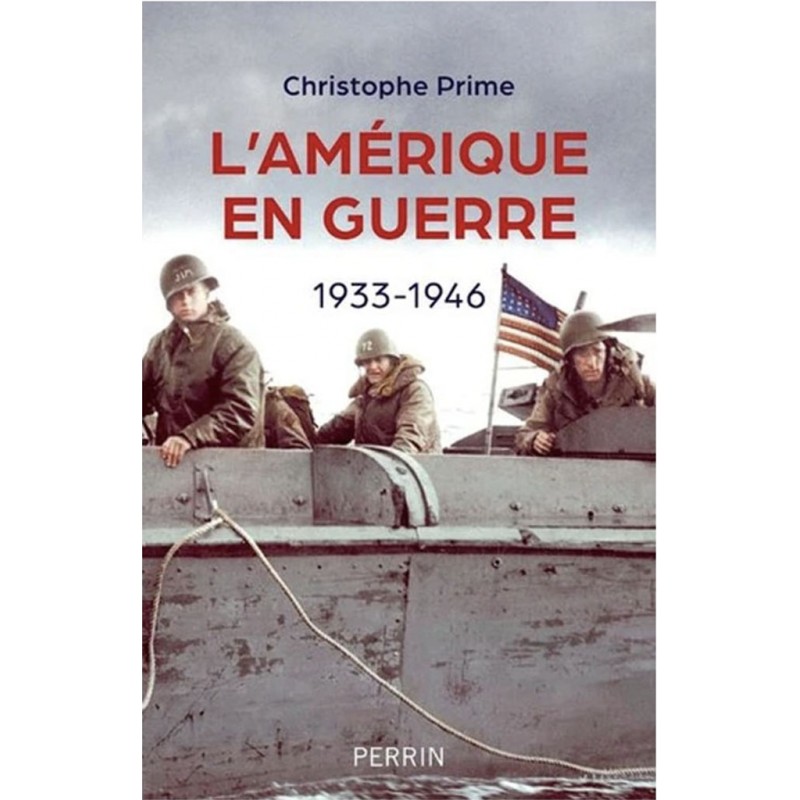
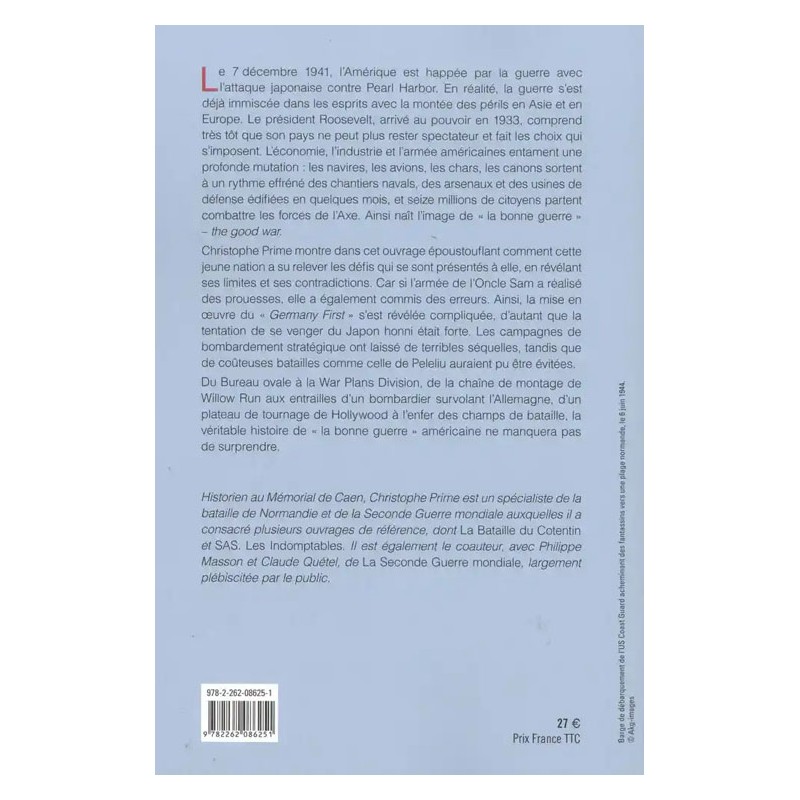
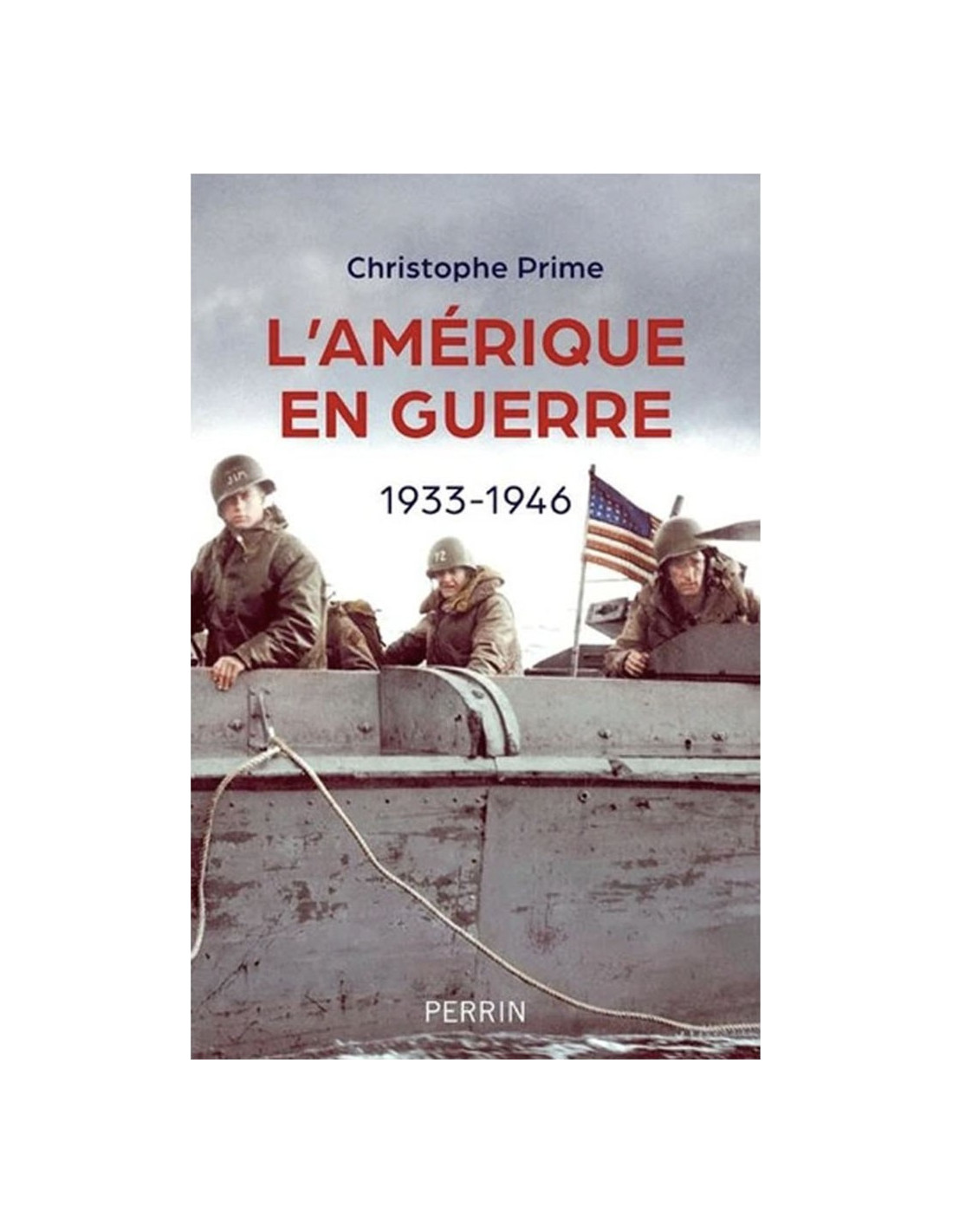
The giant awakens: the United States in the Second World War. The United States, although emerging strengthened from the First World War, subsequently turned inward, allowing Asia and Europe to go up in flames one after the other. One might therefore assume that the war only truly entered the thoughts and daily lives of Americans from 7 December 1941, the date of the Japanese attack on the naval base at Pearl Harbor. In reality, the process began much earlier. By a quirk of history, Roosevelt and Hitler came to power in 1933 within a few weeks of each other. Yet the Democratic president, who was watching the rise of global dangers with growing concern, was preparing his country — mentally, politically and militarily — to face them, even as it had not yet recovered from the economic crisis of 1929.
The American forces therefore refined their rearmament programme and their war plans very early on. As a result, the economy, industry and the military were able to undergo a profound transformation in record time once hostilities broke out: ships, aircraft, tanks, artillery pieces and rifles poured by the thousands from defence plants built in a matter of months, making it possible to equip their own men and those of the Allies. Civil society supported the war effort and the soldiers sent to fight in every corner of the globe with all its strength. Thus was born the image of "the good American war" — the good war — free of all ambiguity, which prevailed for many decades. Over time, stories were transformed into myths, soldiers and workers into heroes, contributing to the greatness of the American nation, which felt itself invested with a universalist mission.
But do we truly know how this young nation rose to meet the challenges it faced? Who are these citizen soldiers who agreed to put on the uniform to serve — and even die — for their country on foreign soil? Did they fight out of conviction or out of obligation? How did they behave towards foreign populations? He also shows that the Anglo-American alliance, which appears as sincere as it is unshakeable, is certainly a reality at the political level, but is far more chaotic on the military plane. And furthermore that the Germany First principle, so dear to American military commanders, was only endorsed at the moment when the balance of power shifted between the two countries: it is very much the war against Japan that occupies a predominant place — a reality that still too often escapes the European public.
Christophe Prime also shows that while the war machine possesses undeniable strengths, it also has structural weaknesses and makes errors of judgement that cost many human lives, as in Normandy or at Peleliu.
From the President's Oval Office to the War Plans Division, from the assembly line at the Ford plant in Willow Run to the bowels of a Navy submarine in the Pacific, by way of a Hollywood film set, from the Nisei internment camp at Manzanar to the confined world of a GI huddled in his foxhole somewhere in France, Somewhere in France — the true story of "the good American war" is sure to surprise.