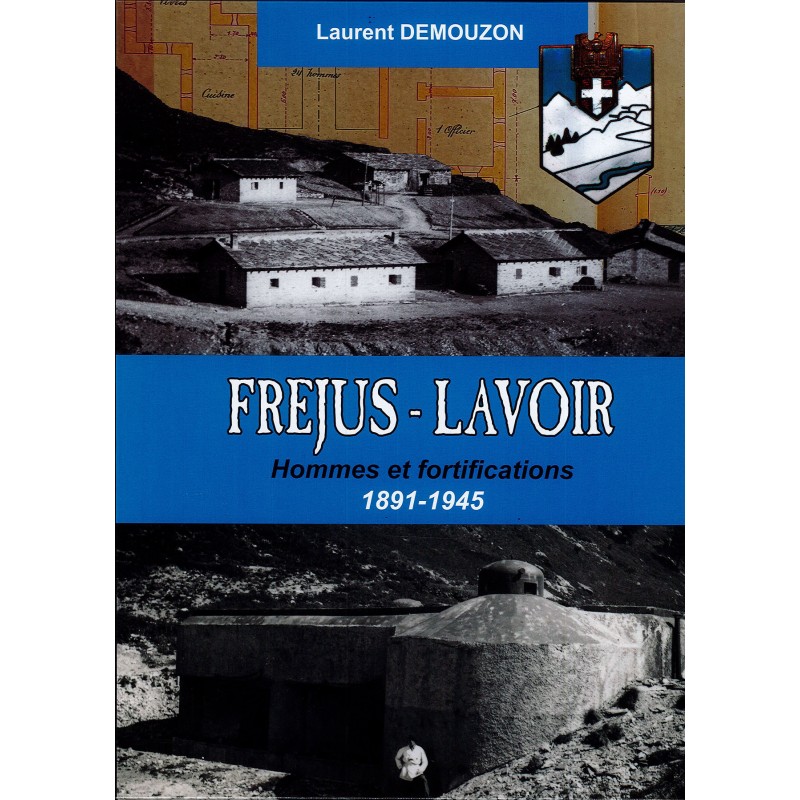
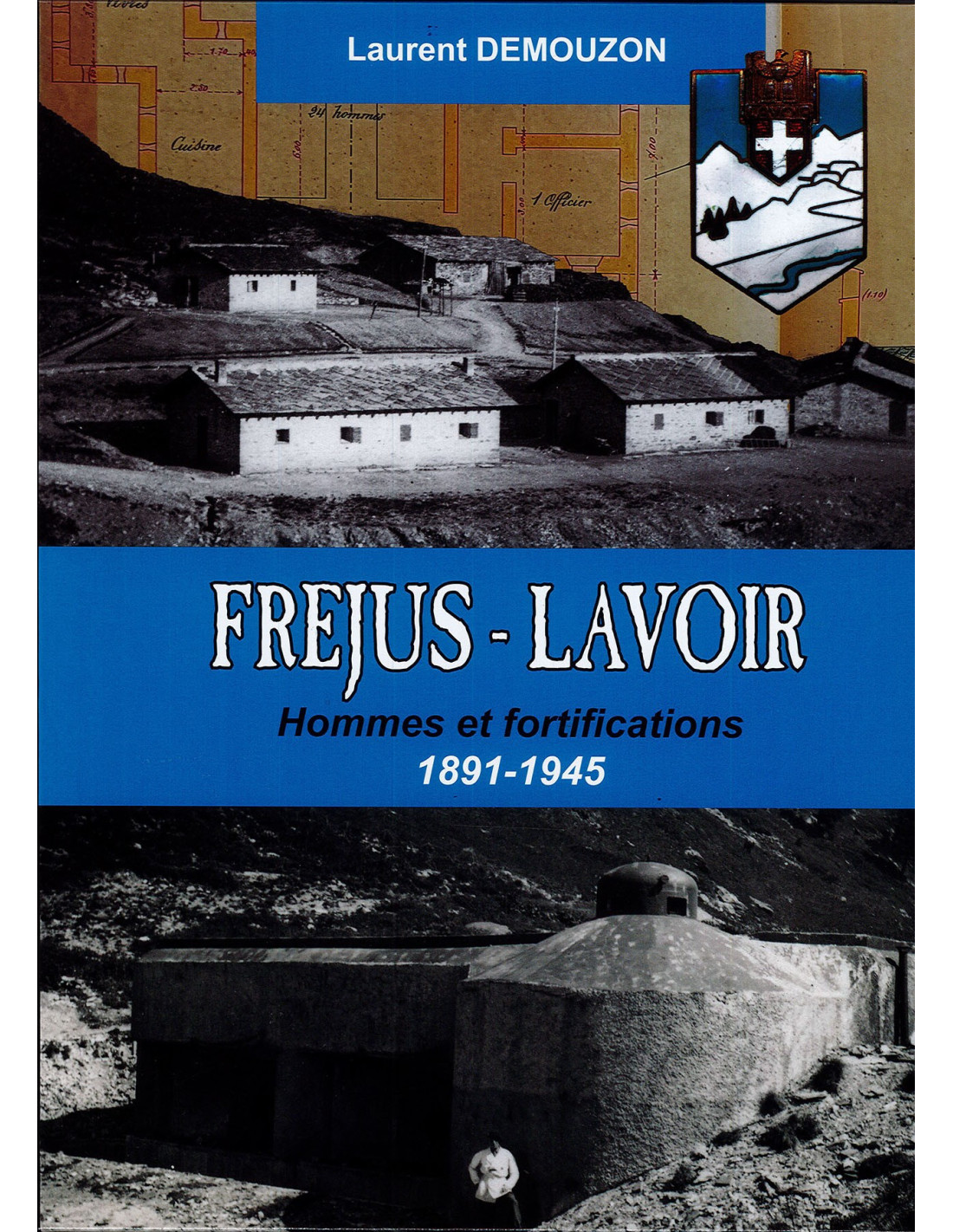
FRÉJUS - LAVOIR - Men and Fortifications 1891–1945
Since Antiquity, the Charmaix valley and the passes of Fréjus, La Roue and the Vallée Étroite have been important communication routes between the Maurienne valley and the Val di Susa.
In 1860, the annexation of Savoy by France created a new frontier in the Alps.
In 1882, Italy's accession to the Triple Alliance led to the creation of Alpine troops and the construction of fortifications across the entire Alpine massif.
In the Modane area, the defence was organised on the right bank of the Arc with the forts of Replaton and Sapey. The Charmaix valley, situated on the left bank, was monitored solely by mobile troops. In 1891, to facilitate their mission, the army built the Fréjus barracks, shelter posts and communication routes.
In 1893, the Fréjus post was permanently garrisoned by a detachment of the 97th Infantry Regiment. During winter, buried under snow, the soldiers lived in isolation, enduring the vagaries of the weather. They regularly conducted reconnaissance missions along the frontier and supply runs to the post, which sometimes turned into tragedies, as in December 1901.
During the winter quarters, the men enjoyed the camaraderie and solidarity typical of mountain life.
In the 1930s, faced with the rise of fascism, Maginot-type fortifications were built around Modane and in the Charmaix valley. The mountain swarmed with workers busy constructing the works at Lavoir, Pas-du-Roc and Arrondaz. Near the frontier passes, it was the soldiers who built forward posts, laid barbed-wire networks and prepared field positions.
In June 1940, the Italians attacked for four days across the entire sector. Despite their courage and heroism — even enduring temperatures of -15°C — they failed to advance, halted by the fortifications and powerful artillery.
During the winter of 1944–1945, German-Italian troops occupied the fortified works and the summits. The FFI, and later the Chasseurs Alpins, waged a mountain war under extreme winter conditions in an attempt to seize them.
Today, the Charmaix valley has recovered its tranquillity. In summer, hikers walk the trails amid highly diverse flora and fauna, and in winter, skiers make their way down the slopes of Val Fréjus among the fortifications, unaware that they are in a site steeped in history and the dramas that unfolded there.
Secure Payment
Delivery
(+33) 01.79.75.05.50
You might also like