- SUMMER SALE 2026 Massive clearance
-
Bookshop
Publisher
- FORGOTTEN BATTLES HISTORICONE
- CARAKTERE
- EPOPÉES - SABRETACHE
- ETAI
- HEIMDAL
- LAVAUZELLE
- LES BELLES LETTRES
- HISTOIRE & COLLECTIONS
- LELA PRESSE
- L'ESCADRON EDITIONS
- NIMROD
- MARANES EDITIONS
- NUTS & BOLTS
- OREP
- OVERLORD PRESS
- PAQUET
- PIERRE DE TAILLAC
- PERRIN
- PEROTTI - PP CONCEPT
- REGI-ARM MEMORABILIA
- SERVICE HISTORIQUE DE LA DEFENSE (SHD)
- YSEC
Theme- 2ND ARMORED DIVISION
- ARMS & ARTILLERY
- AUTOMOBILIA
- AVIATION
- BATTLES
- BIOGRAPHIES
- DOCTRINES - GEOPOLITICS
- FORTIFICATIONS
- HISTORY
- SCALE MODELS
- NAVY
- MILITARIA
- FASHION, STYLE & CLOTHING
- RECIPES & COOKING
- REGIMENTAL
- RESISTANCE
- SECRET SERVICES & SPECIAL FORCES
- SURVIVAL - SELF DEFENSE - PREPAREDNESS
- UNIFORMS & EQUIPMENT
- CIVILIAN VEHICLES
- MILITARY VEHICLES
- CIVILIAN LIFE
-
Vintage Fashion
Other Brands
-
Second Hand
-
- Plein Air -
BAREBONES - Surplus
-
Gift
Cards - Blog
- Our Website
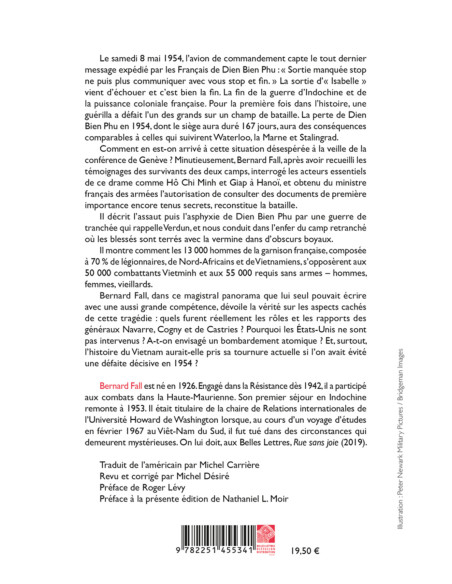
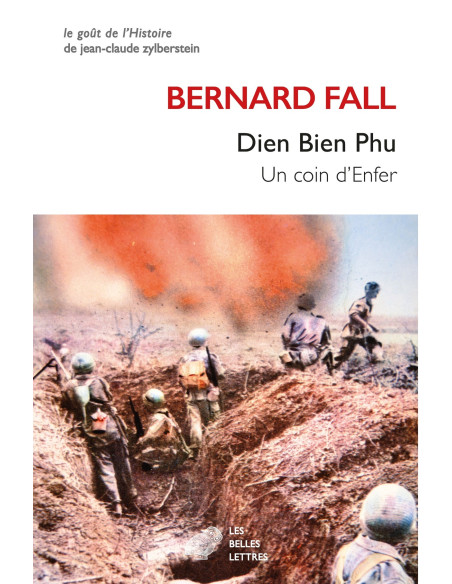
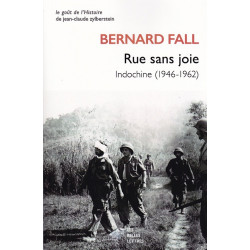
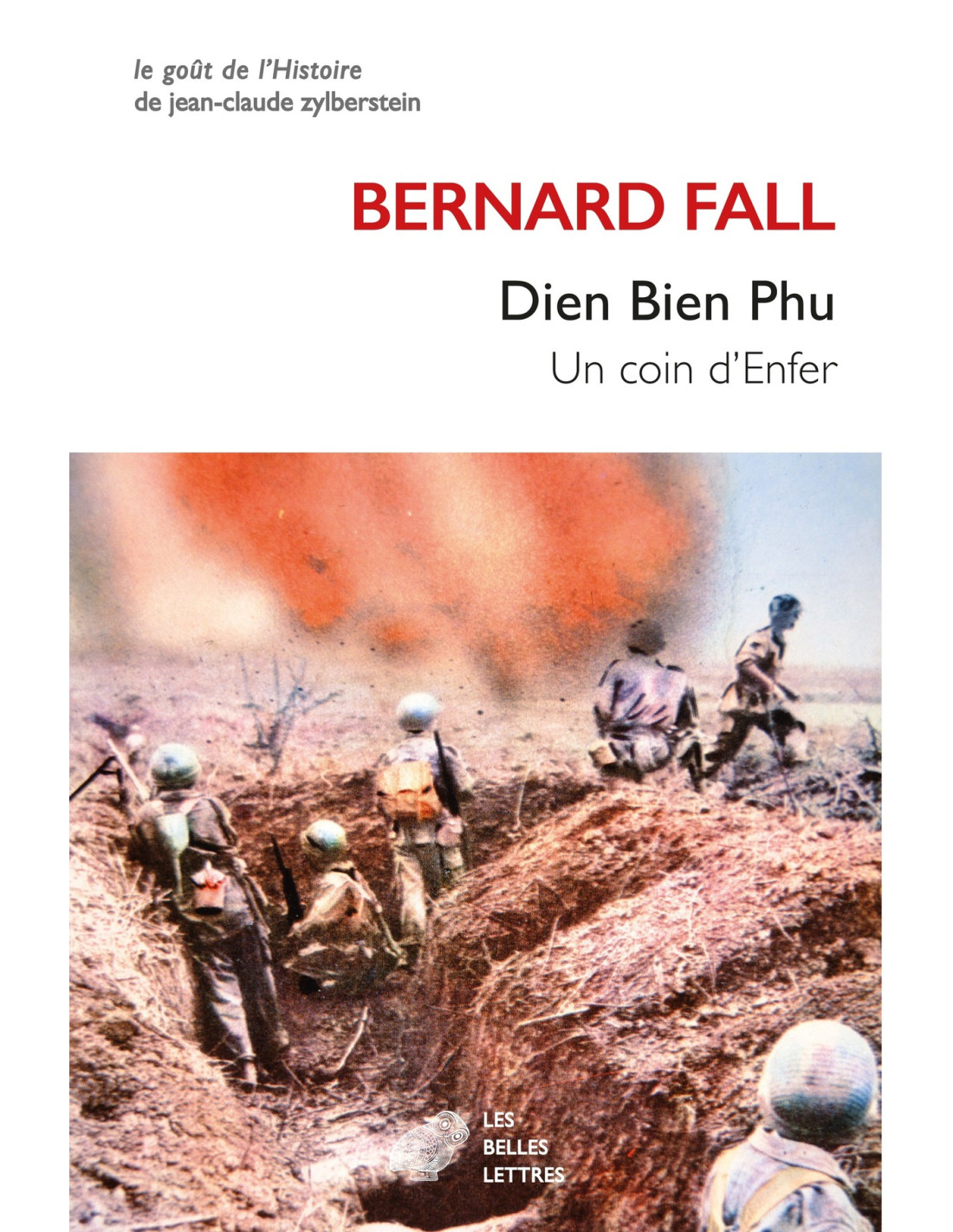
Dien Bien Phu - A Corner of Hell
On Saturday, 8 May 1954, the command aircraft picked up the very last message sent by the French at Dien Bien Phu: « Breakout failed stop no longer able to communicate with you stop and out. » The breakout from "Isabelle" had just failed, and it was truly the end.
The end of the Indochina War and of French colonial power.
For the first time in history, a guerrilla force defeated one of the great powers on a battlefield. The fall of Dien Bien Phu in 1954, after a siege lasting 167 days, had consequences comparable to those that followed Waterloo, the Marne, and Stalingrad. How did things reach such a desperate situation on the eve of the Geneva Conference?
Meticulously, Bernard Fall — having gathered testimonies from survivors on both sides, interviewed key figures of the drama such as Hô Chi Minh and Giap in Hanoi, and obtained from the French Minister of the Armed Forces authorization to consult highly important documents still held secret — reconstructs the battle.
He describes the assault and then the slow strangulation of Dien Bien Phu through trench warfare reminiscent of Verdun, and leads us into the hell of the fortified camp where the wounded were buried alongside vermin in dark communication trenches. He shows how the 13,000 men of the French garrison, composed 70% of Legionnaires, North Africans, and Vietnamese, stood against 50,000 Viet Minh fighters and 55,000 unarmed requisitioned workers — men, women, and elderly.
Bernard Fall, in this masterful panorama that only he could write with such authority, reveals the truth about the hidden aspects of this tragedy: what were the actual roles and relationships of Generals Navarre, Cogny, and de Castries? Why did the United States not intervene? Was an atomic bombing considered? And, above all, would the history of Vietnam have taken its current course had a decisive defeat in 1954 been avoided?
Secure Payment
Delivery
(+33) 01.79.75.05.50
You might also like