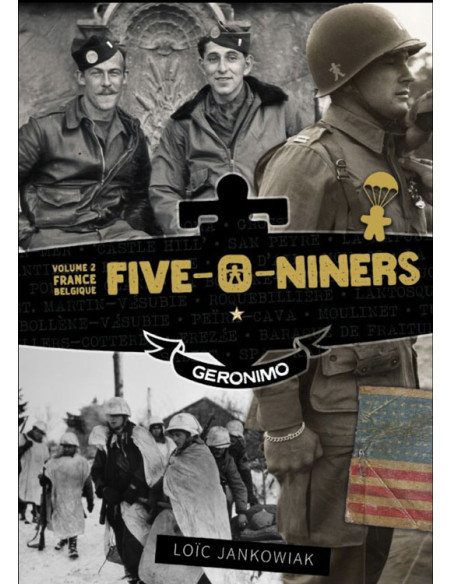
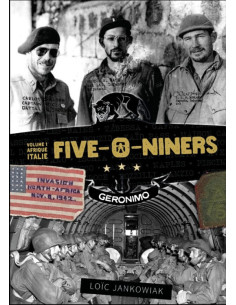
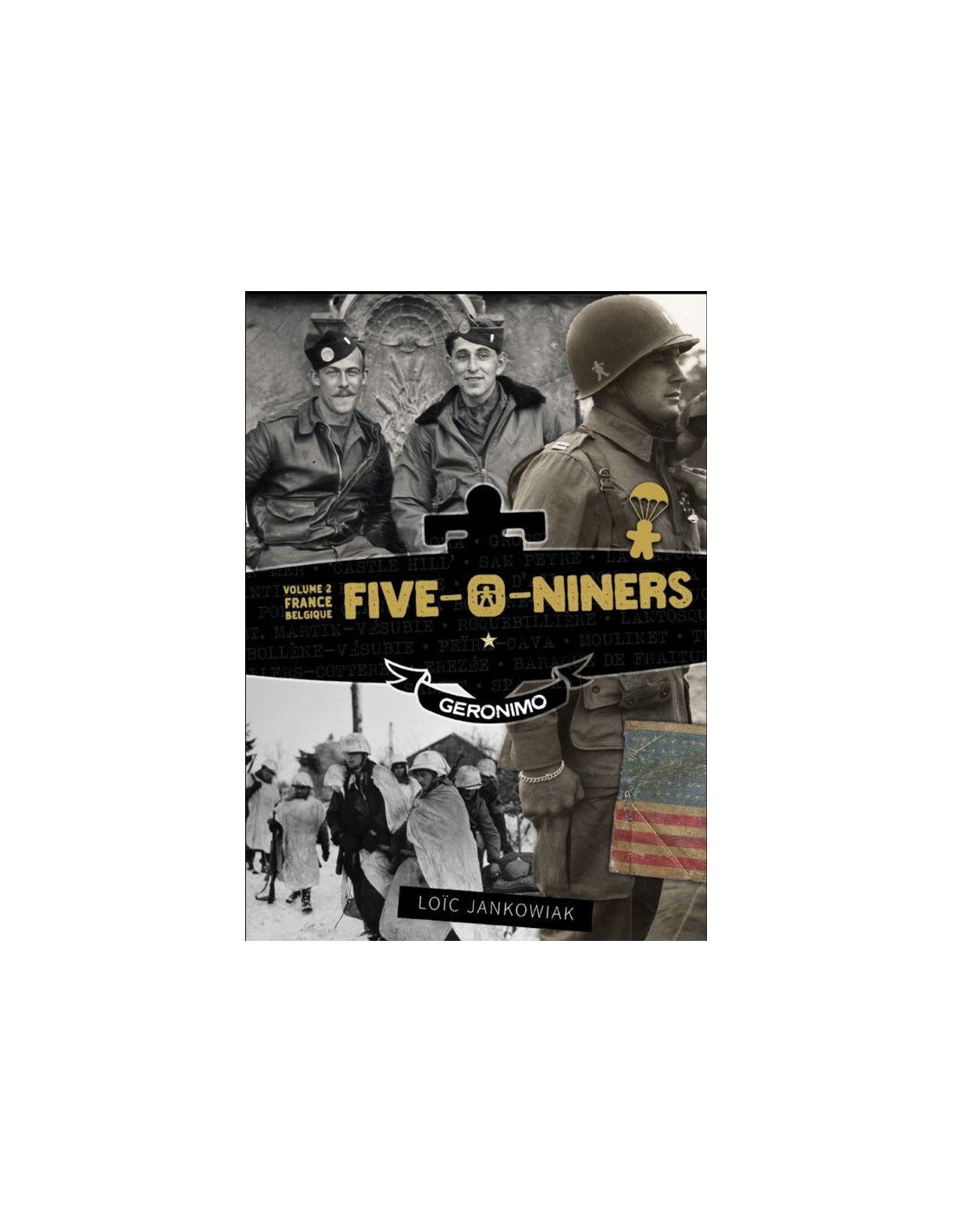
With deep emotion, on the eve of Operation Dragoon, Lieutenant Colonel Yarborough spoke of his 509th before the operation began: "They wore camouflage uniforms we had painted with the help of the Corps of Engineers. Their weapons, faces and clothing were completely camouflaged, giving the men a formidable appearance. They marched past us in review at Lido di Roma, trotting at a brisk pace, with mortars and machine guns on their shoulders. They looked like parade soldiers, but they were battle-hardened men — fast and confident. My God, I was so proud of that group. They embodied the archetype of the professional soldier, though they were not. They were simply good Americans. Here was a unit that had fought from North Africa, through Sicily, Avellino, then the entire length of the Italian peninsula, and stood ready to jump into southern France. Not one of them complained, had nightmares, or asked to go home saying they had had enough of combat. They were part of a team. I truly felt sorry for the Germans… I felt a measure of compassion for the Krauts we were about to kill, because those poor devils were really going to run into something!"
Upon entering Cannes, the unit's report noted: "We advanced through streets packed with people cheering wildly, some weeping, others throwing flowers onto our vehicles. It was a welcome unlike any we had received in two years of combat." The battalion then pursued the enemy into the foothills of the Alpes-Maritimes, where it held part of the Franco-Italian border until late autumn 1944.
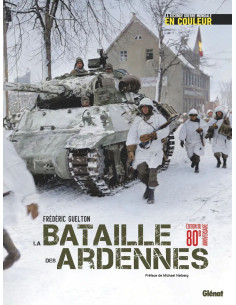
The 509th would triumph once more in the Ardennes pocket, though coming close to total annihilation against highly motivated troops. As one veteran later put it: "The Ardennes was our toughest battle. The second toughest was Anzio."
Disbanded after the battle, the 509th came to an end quietly — in a manner barely worthy of its spirit and achievements. To those who served in it, it remains clear that this unit deserved to be preserved — even if that meant bending a few rules. But its fate had been sealed well before the winter fighting began: in an effort to reinforce the airborne divisions, the highest military authorities had decided to eliminate the small so-called "lost" units, whose experienced men and resources were redirected to larger formations. The 509th, like others, ceased to exist in March 1945.