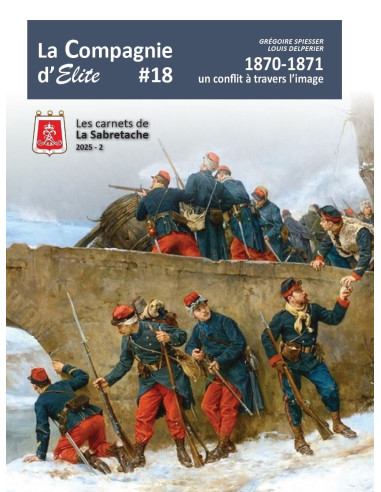
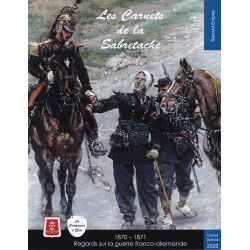
The Franco-Prussian War is a conflict largely unknown to our contemporaries. It must be said that everything was done to erase from history the defeat that precipitated the fall of the Second Empire, beginning with the removal of this event from history books as early as the Third Republic. Later it would be overshadowed by the bloody but glorious war of 1914–18, and definitively filed away in the archives by the Second World War.
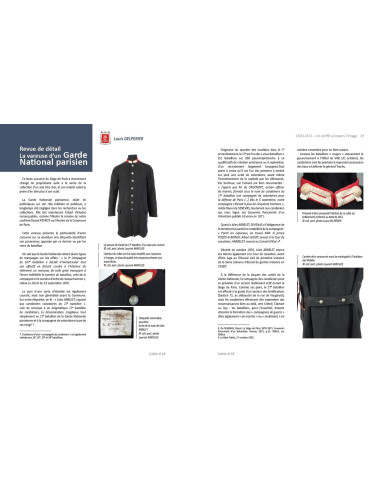
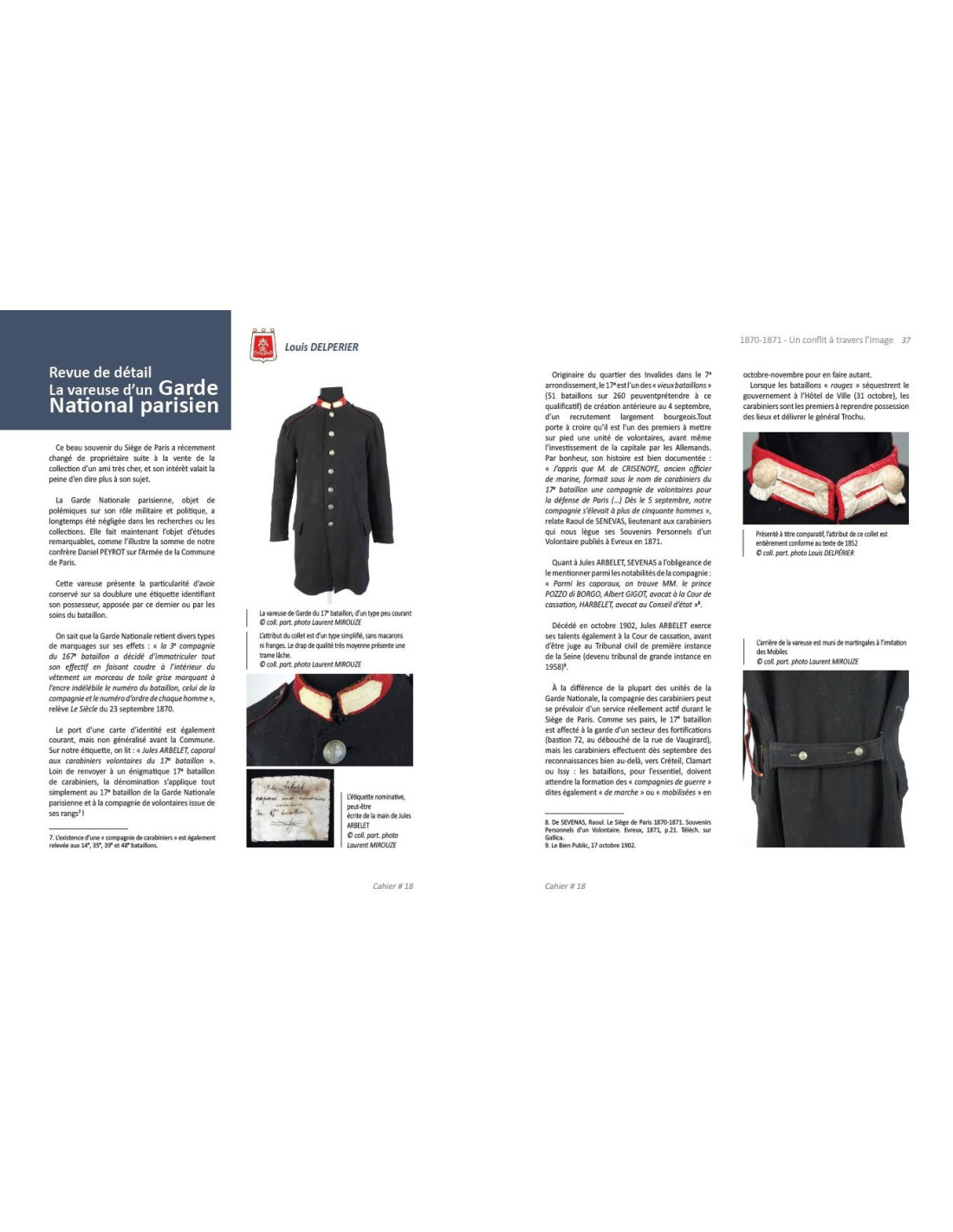
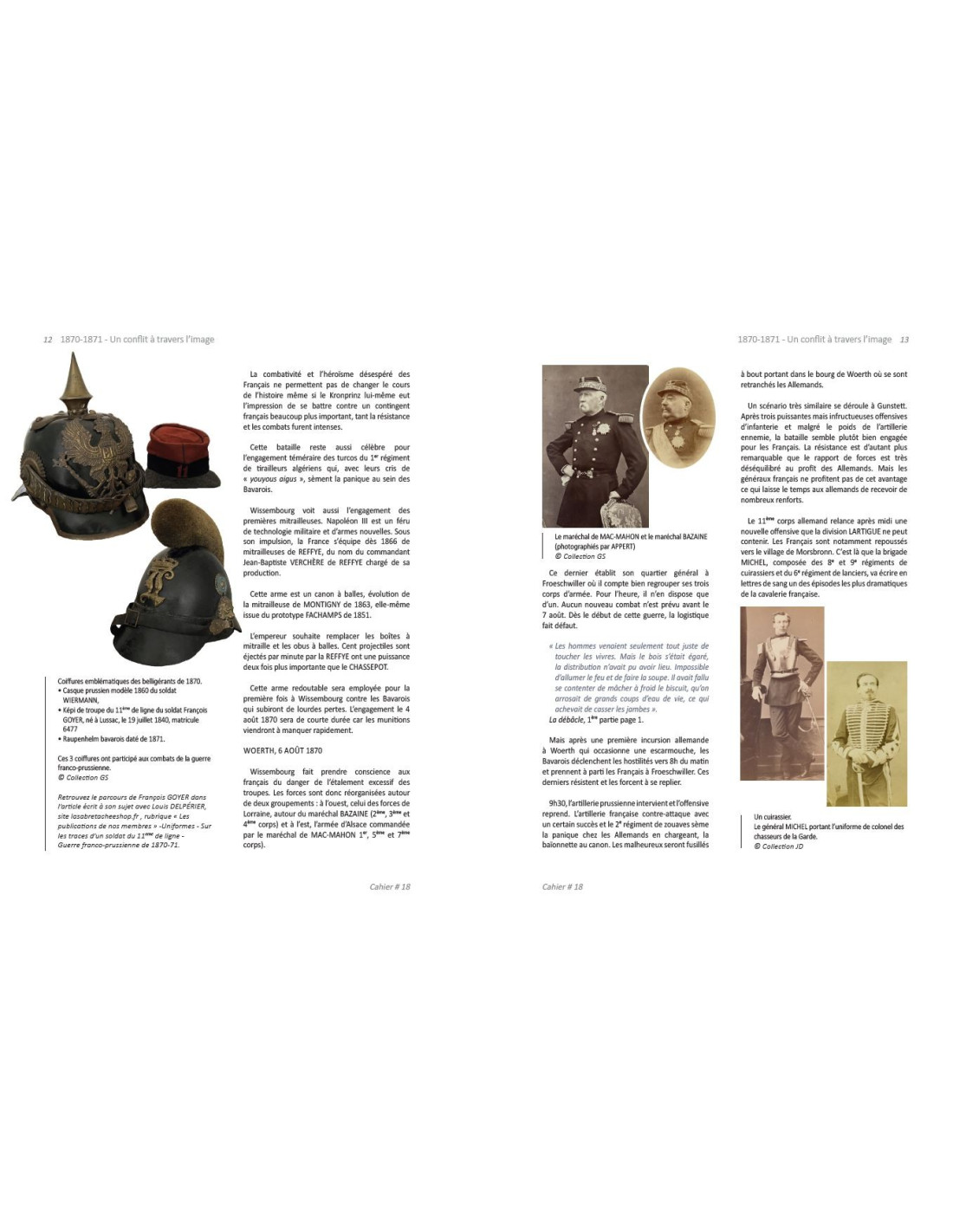
…and yet there is so much to say about this complex period. What strikes one when beginning to take an interest in this conflict are the paradoxical situations: the weakness of certain generals yet the heroism of the rank and file; sumptuous military uniforms directly inherited from the First Empire, yet the modernity of new weapons; the uncompromising stance of the Republic alongside the Catholic devotion of the pontifical Zouaves…
Between 19 July 1870 and 28 May 1871, three major periods succeeded one another (the imperial war; the republican war; and the Paris Commune), reflecting the image of a 19th-century France in search of its ideal model, torn between Empire, Monarchy and Republic.
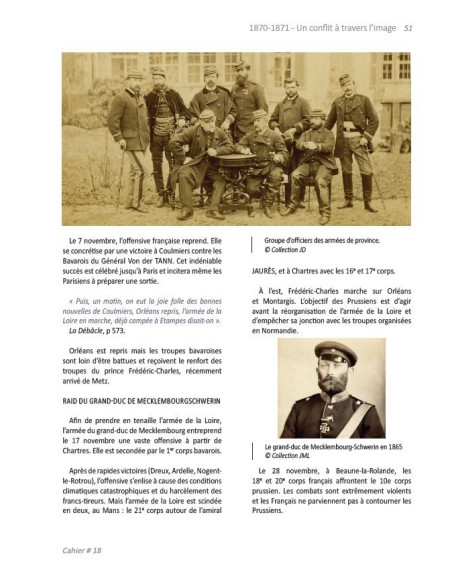
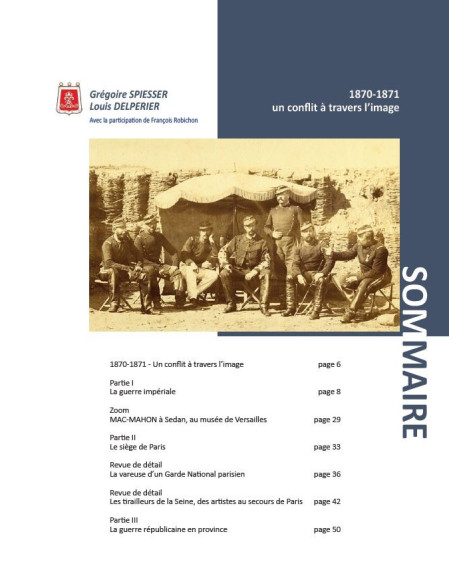
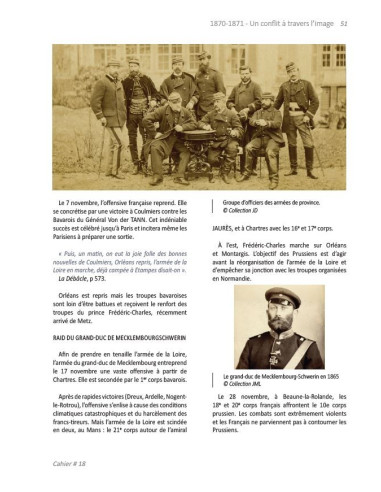
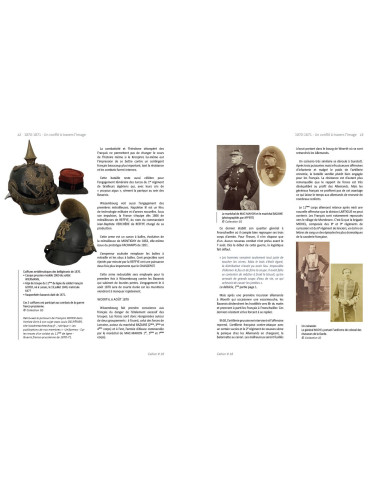
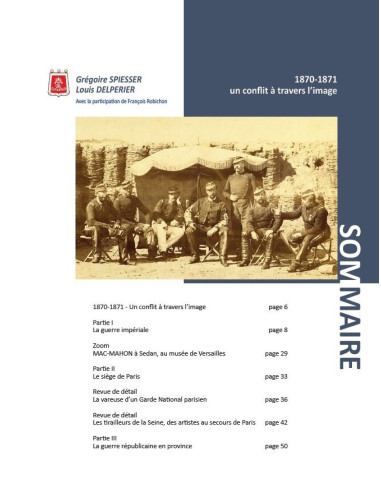
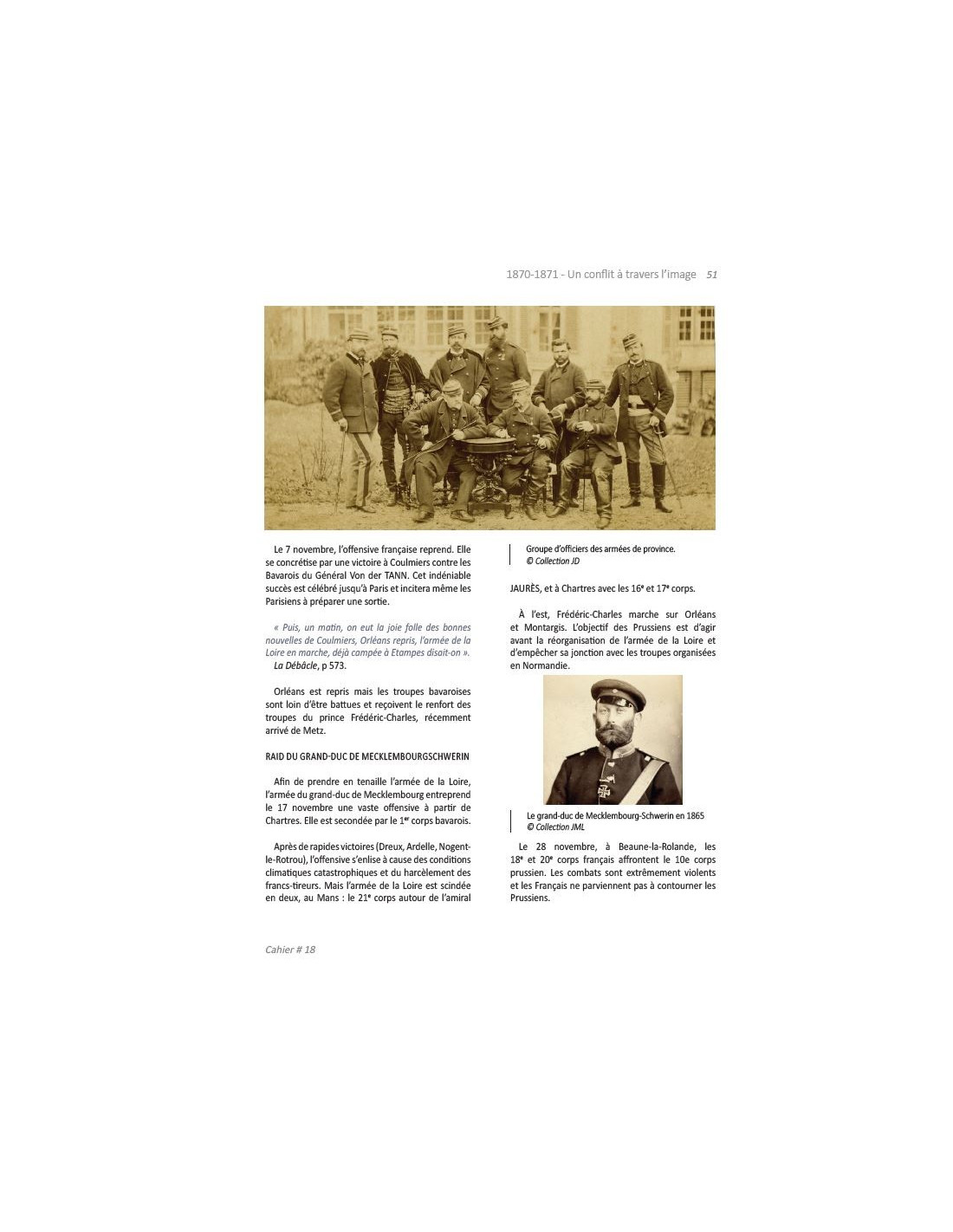
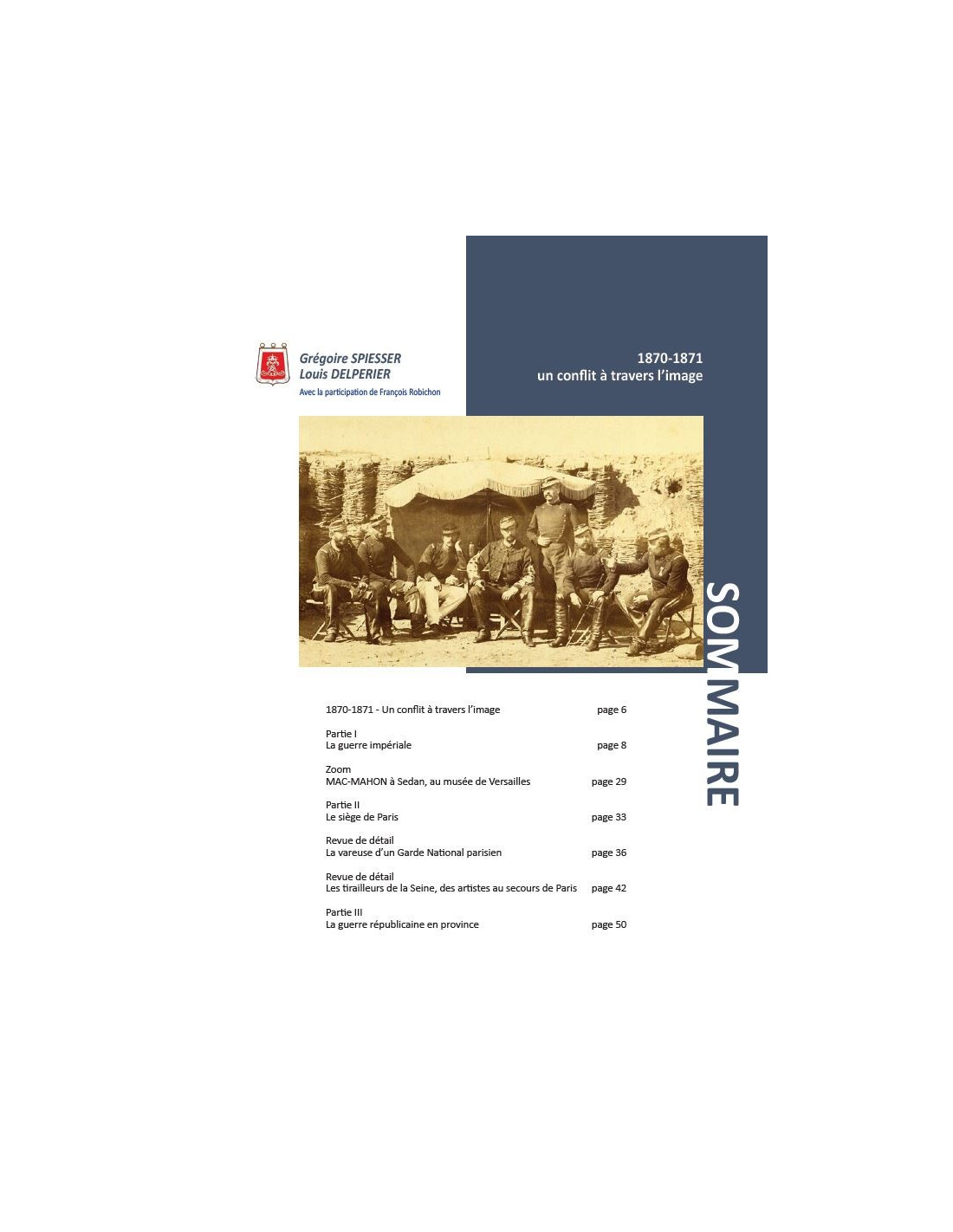
1870 also marks the beginning of photography on a large scale: after the daguerreotype invented in 1839, albumen printing democratised access to representations of the real world. Photos in the "Carte de visite" (CDV) format were often sent with dedications to loved ones. They are sought after today but remain fairly common. Large photographs showing the conflict, the battlefields or the soldiers are far rarer — true "treasures" collected by a handful of experts who helped us illustrate this article. They are virtually non-existent during the period of the imperial war, up to the fall of Sedan, but some do exist taken during the sieges of fortified towns, beginning with that of Metz.
To imagine the reality of this conflict in its smallest details, what could be more fascinating than drawing on journalistic work carried out on the Franco-Prussian War, 20 years after the conflict. Émile ZOLA, the author of the ROUGON-MACQUART saga, is known to have spent 6 to 12 months of research before writing his novels. "La Débâcle" is no exception to this meticulous preparatory work. Reading this novel is to plunge into the heart of the conflict, to share the soldiers' suffering, to witness the heroism and the ordeal of the French army, from Wissembourg to the beginnings of the Commune.
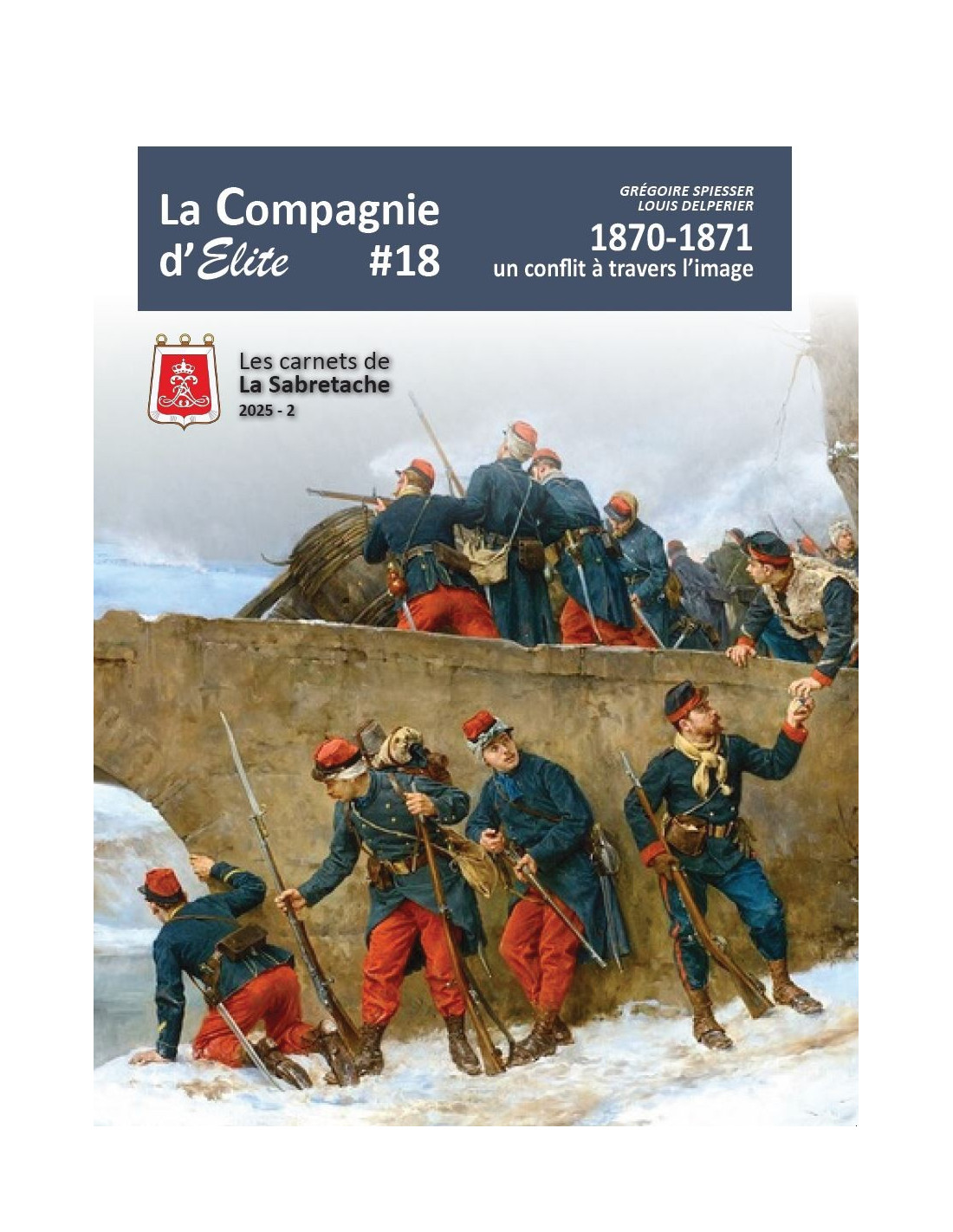
What could be more fascinating than to speak of the Franco-Prussian War — "a very real war" — as close as possible to what it truly was: through images, that instant truth, complemented by the works of the greatest painters, and the narrative scrupulously gathered by the journalist ZOLA.