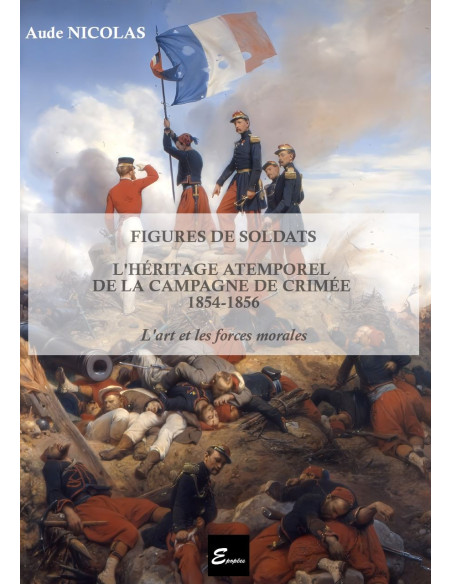
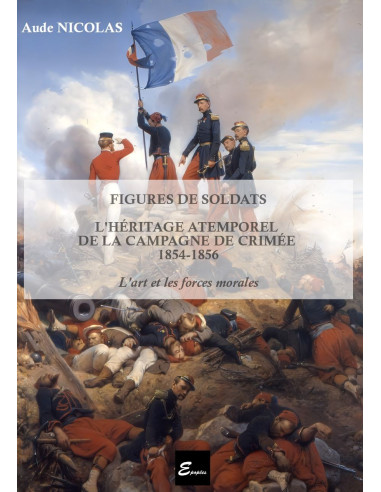
THE TIMELESS LEGACY OF THE CRIMEAN CAMPAIGN 1854–1856: Art and Moral Forces
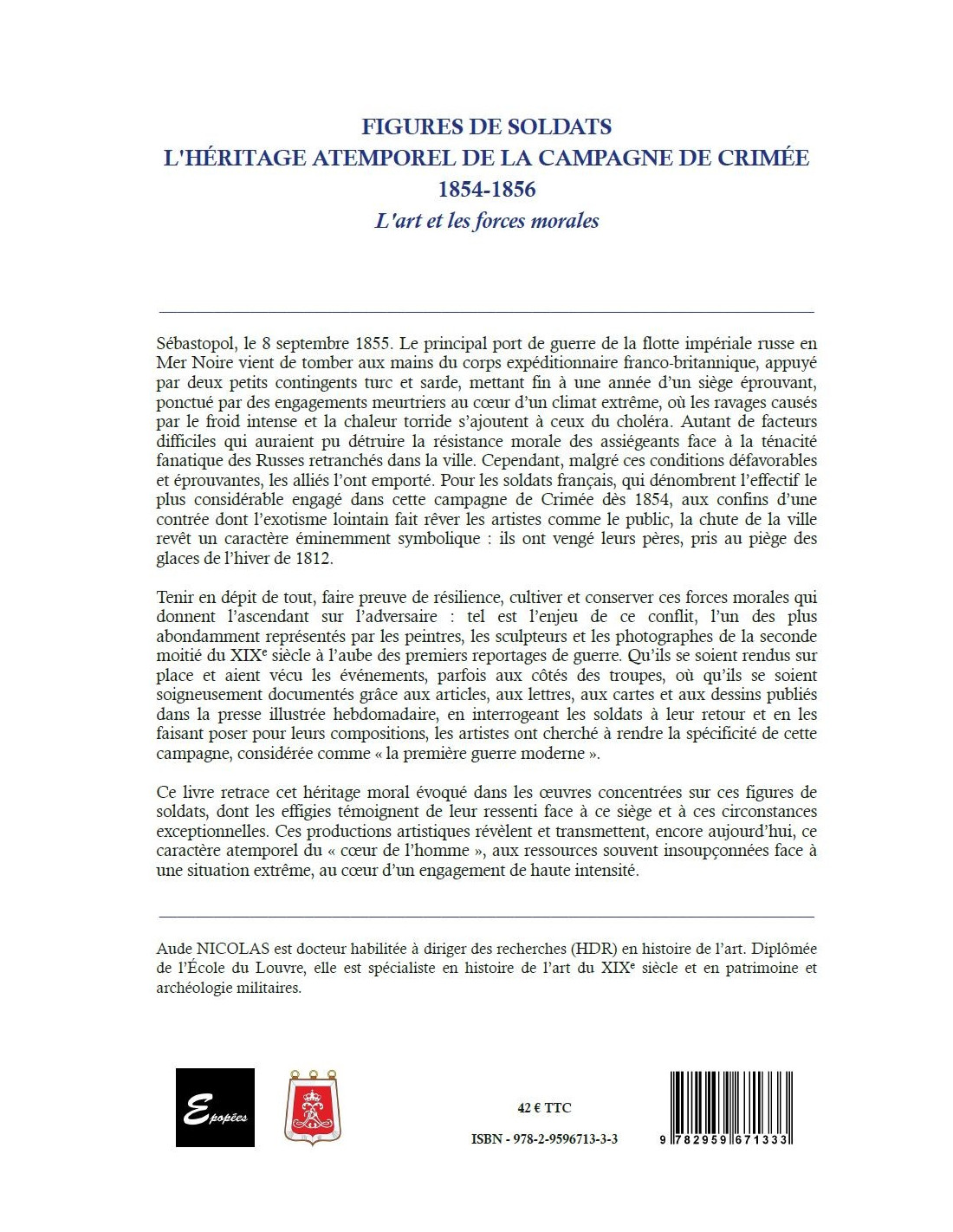
Sevastopol, 8 September 1855. The main naval port of the Russian Imperial Fleet on the Black Sea has just fallen to the Franco-British expeditionary force, supported by two small Turkish and Sardinian contingents, bringing an end to a year of gruelling siege warfare punctuated by deadly engagements in the heart of an extreme climate, where the ravages of intense cold and scorching heat were compounded by cholera.
All these harsh factors could have broken the moral resilience of the besiegers in the face of the fanatical tenacity of the Russians entrenched within the city. Yet, despite these unfavourable and gruelling conditions, the Allies prevailed. For the French soldiers — who provided the largest contingent engaged in the Crimean campaign from 1854, at the edges of a distant, exotic land that fired the imagination of artists and public alike — the fall of the city carried a deeply symbolic significance: they had avenged their fathers, trapped in the icy grip of the winter of 1812.
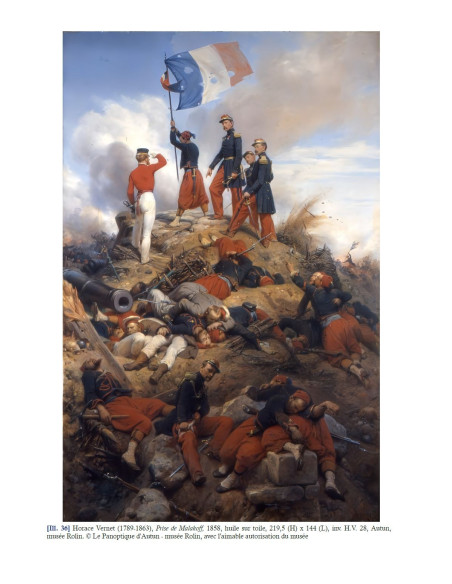
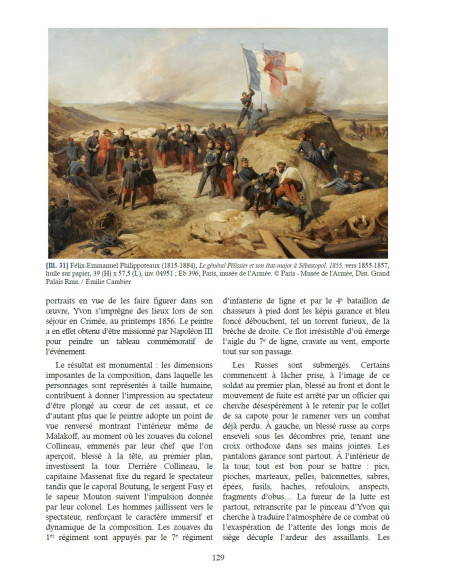
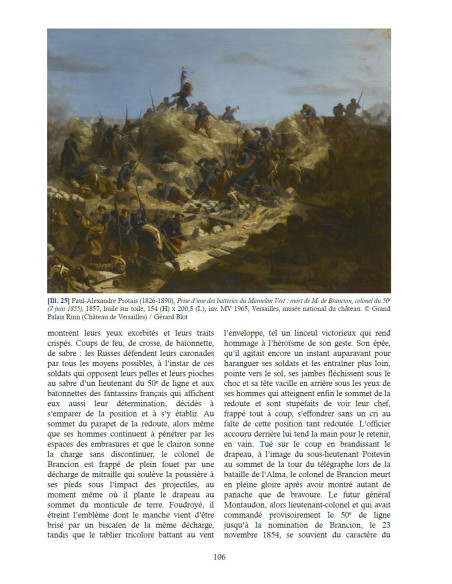
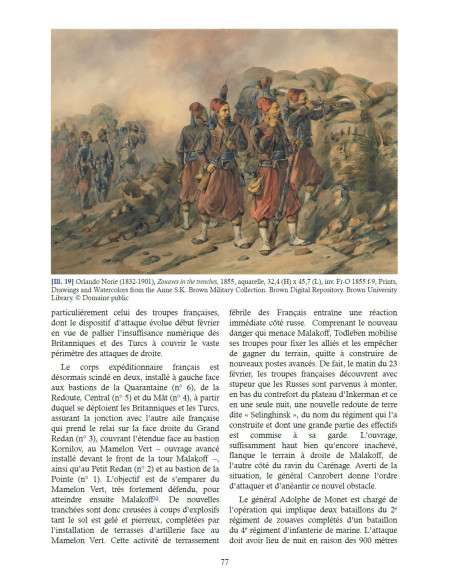
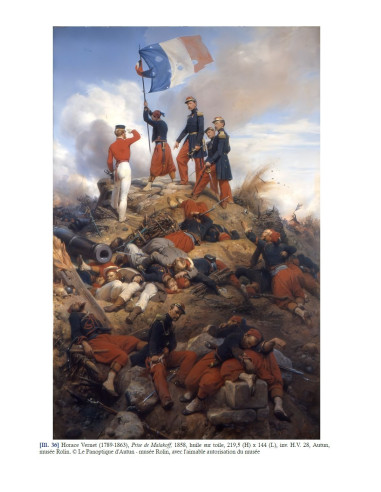
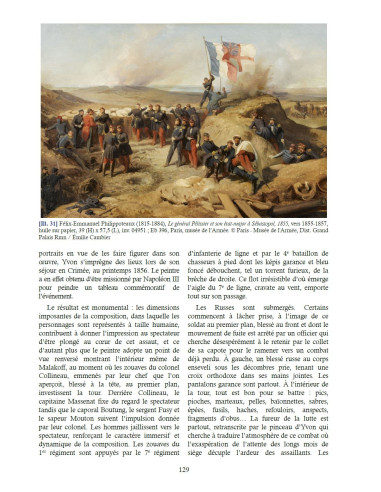
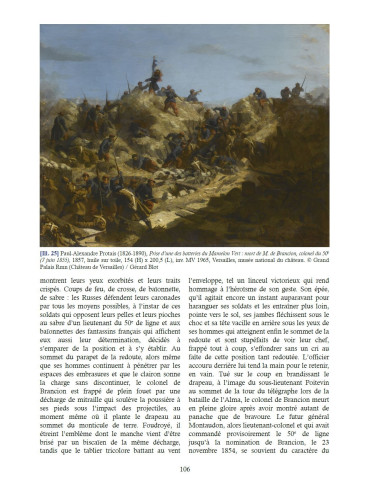
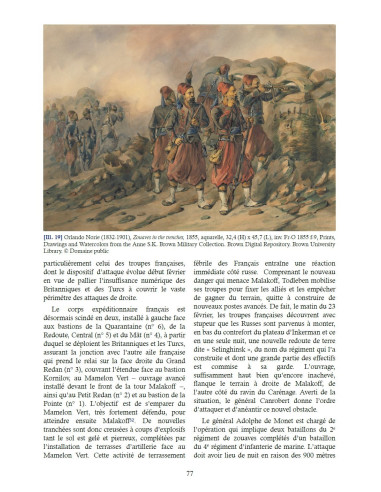
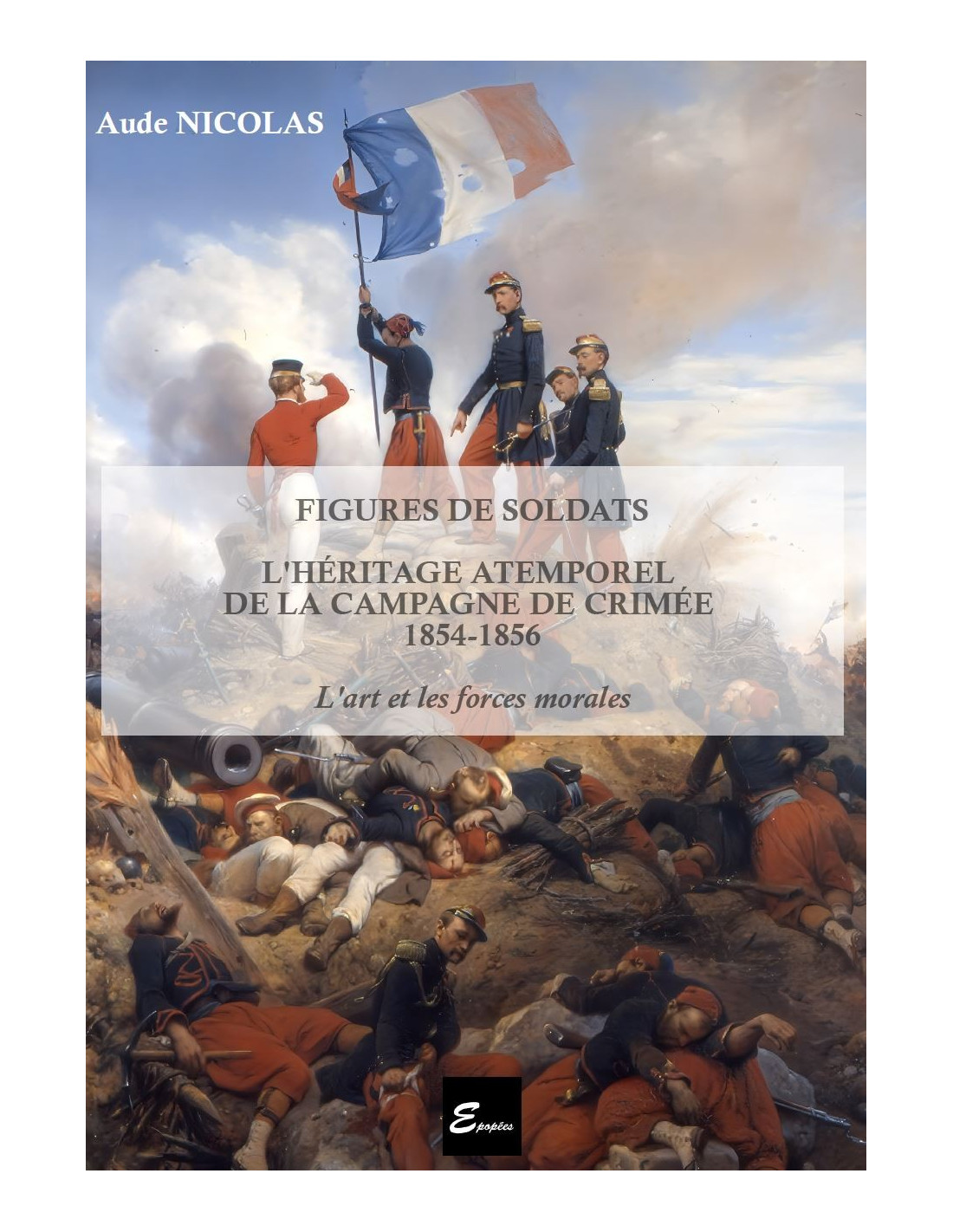
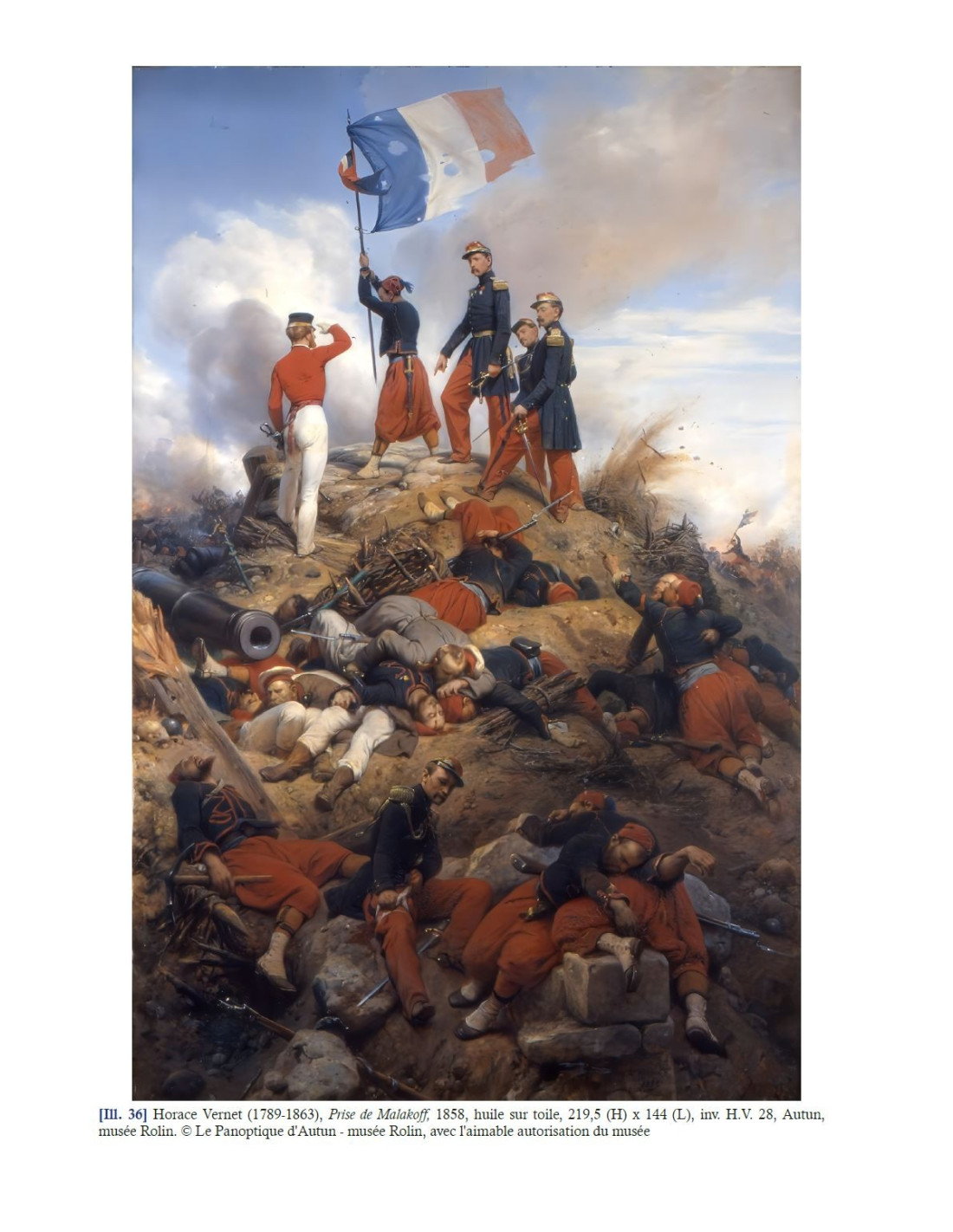
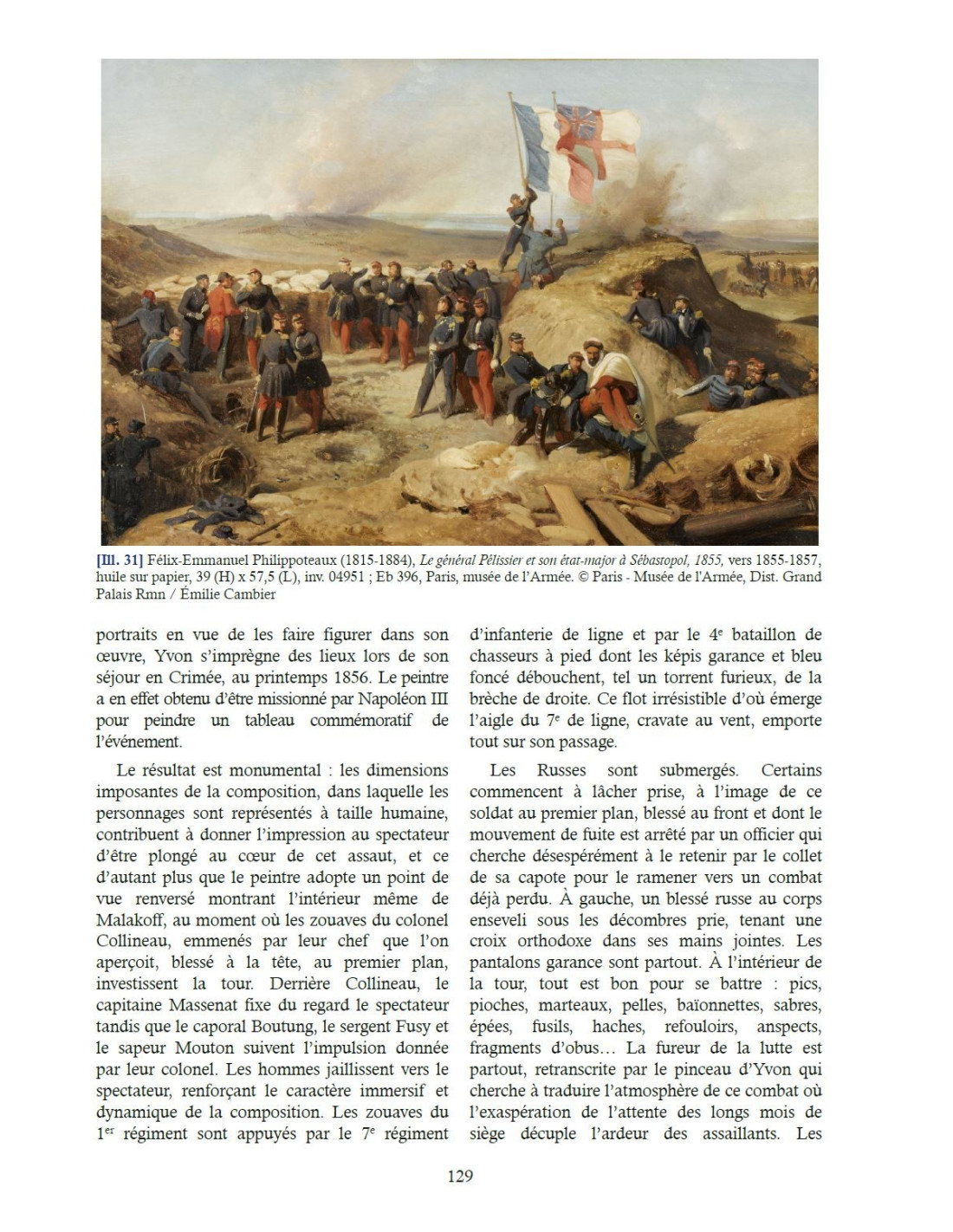
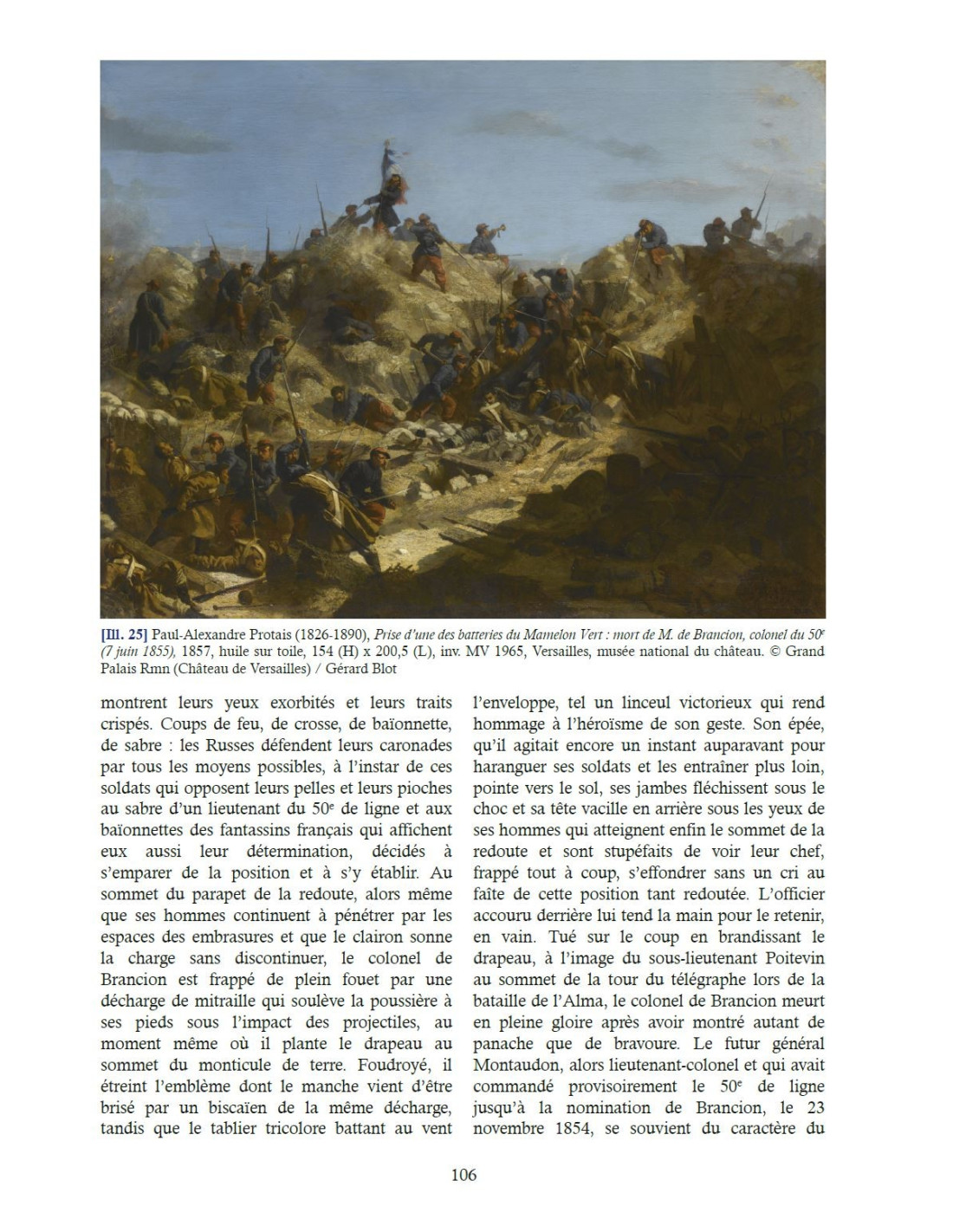
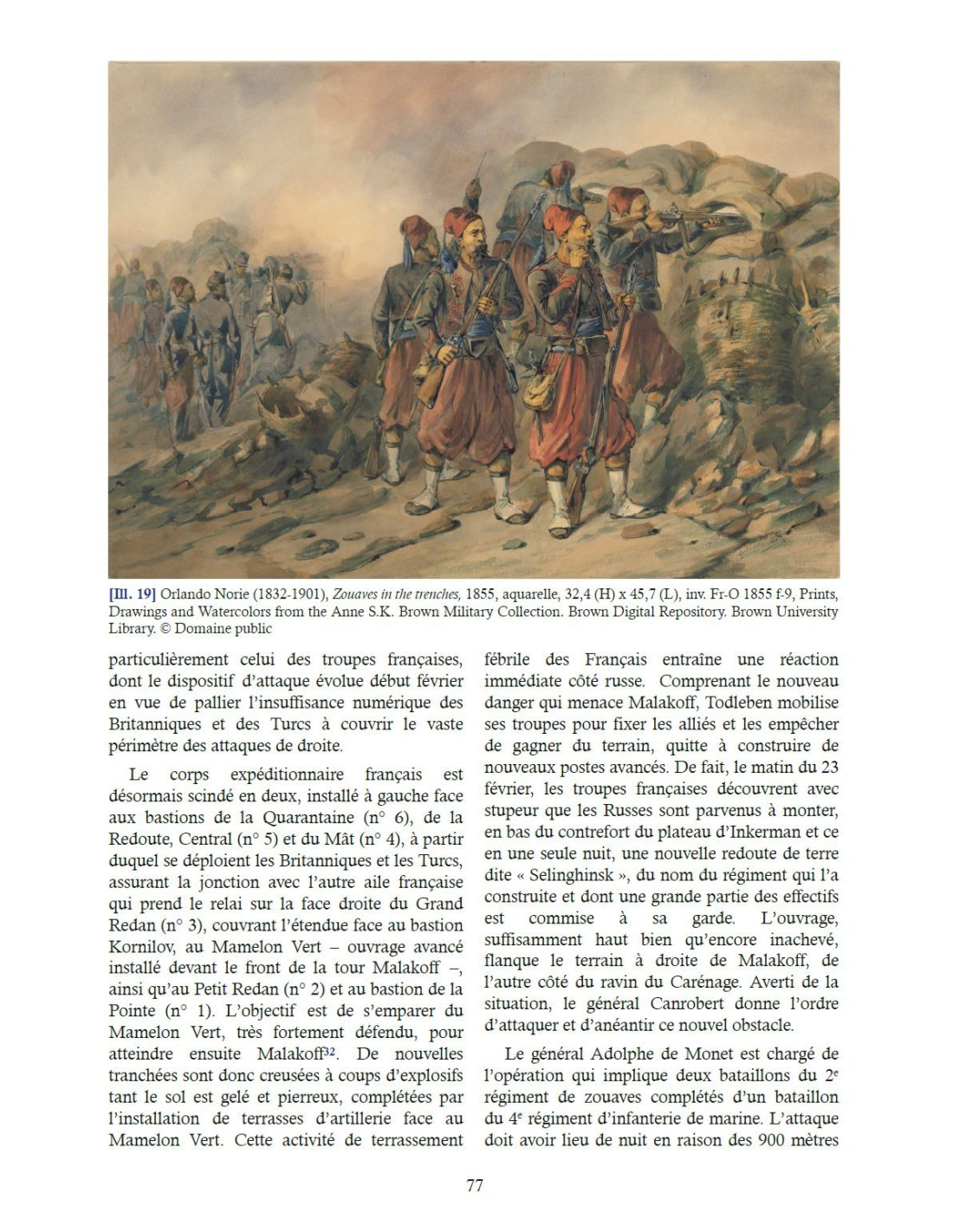
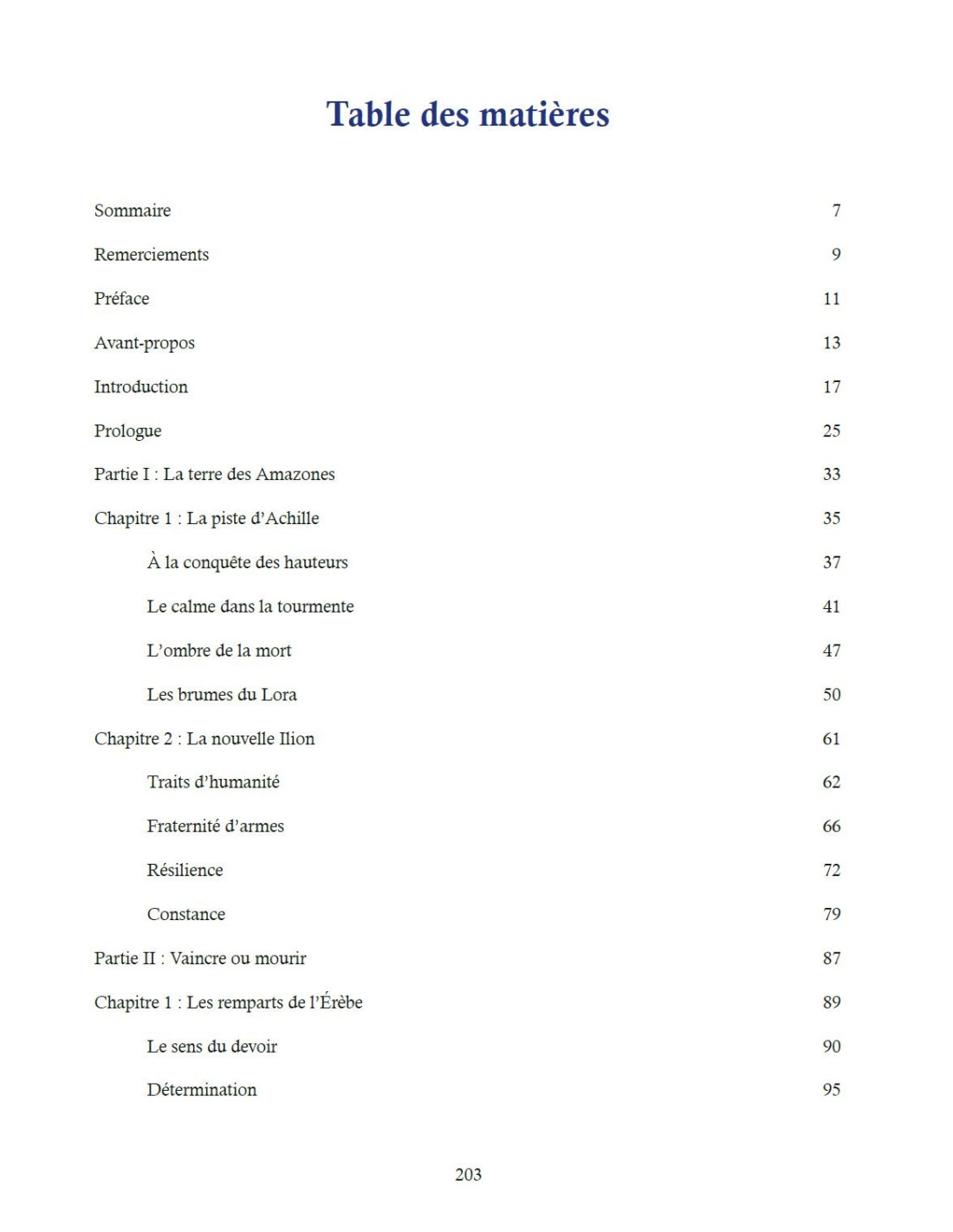
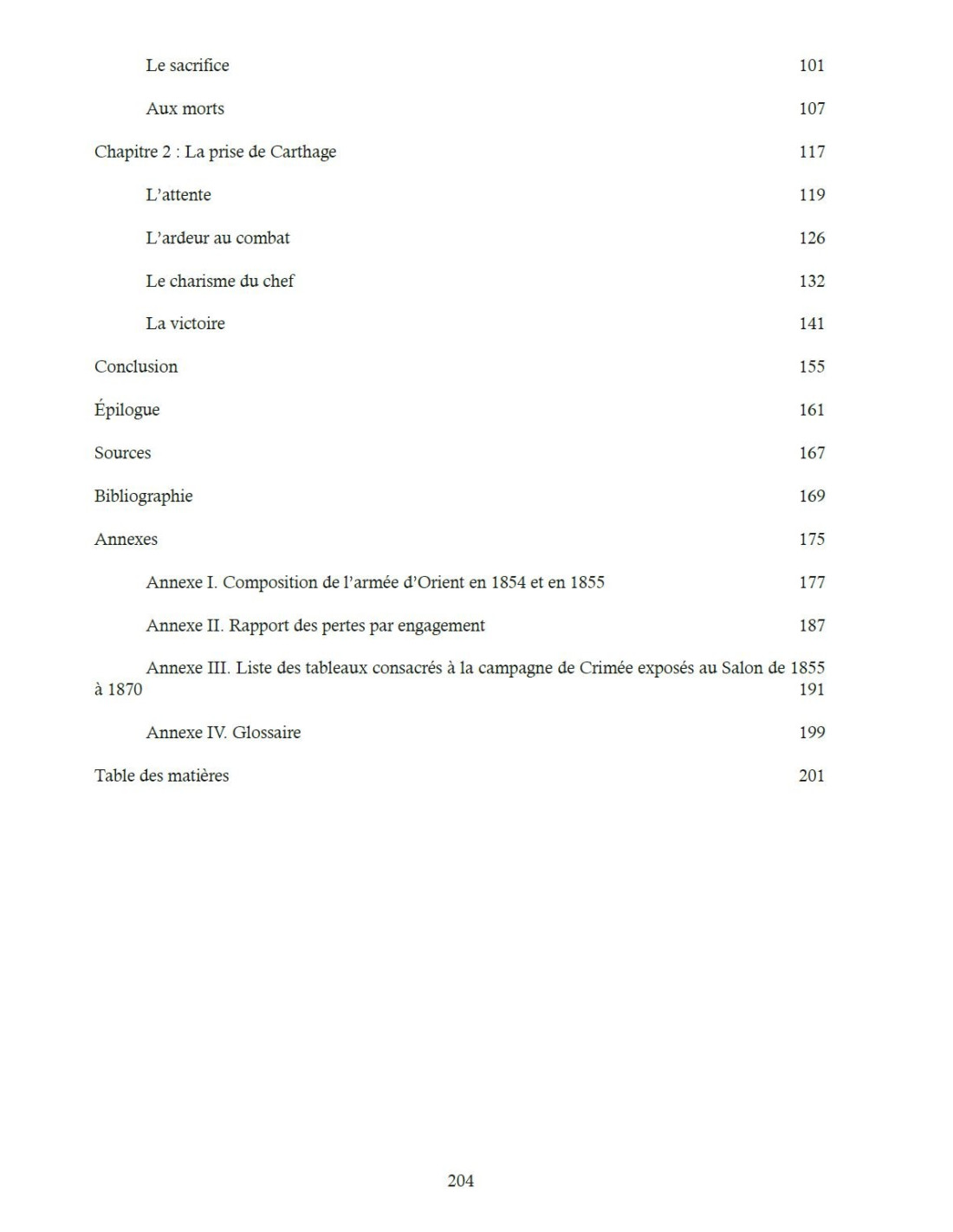
To hold on in spite of everything, to demonstrate resilience, to cultivate and preserve those moral forces that give the upper hand over the adversary: such was the defining challenge of this conflict, one of the most abundantly depicted by painters, sculptors and photographers of the second half of the 19th century, at the dawn of the first war reportage. Whether they had travelled to the scene and lived through the events — sometimes alongside the troops — or whether they had carefully documented themselves through articles, letters, maps and drawings published in the illustrated weekly press, interviewing soldiers on their return and having them pose for their compositions, artists sought to capture the specific character of this campaign, regarded as "the first modern war".
This book traces that moral legacy evoked in works centred on these figures of soldiers, whose likenesses bear witness to what they felt during the siege and its exceptional circumstances. These artistic productions reveal and transmit, even today, that timeless quality of the "human heart", with its often unsuspected resources when faced with extreme situations at the heart of high-intensity engagement.
Aude Nicolas holds a habilitation to supervise research (HDR) in art history. A graduate of the École du Louvre, she specialises in 19th-century art history as well as military heritage and archaeology.