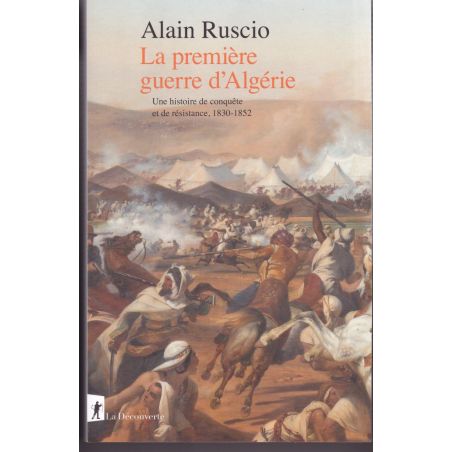
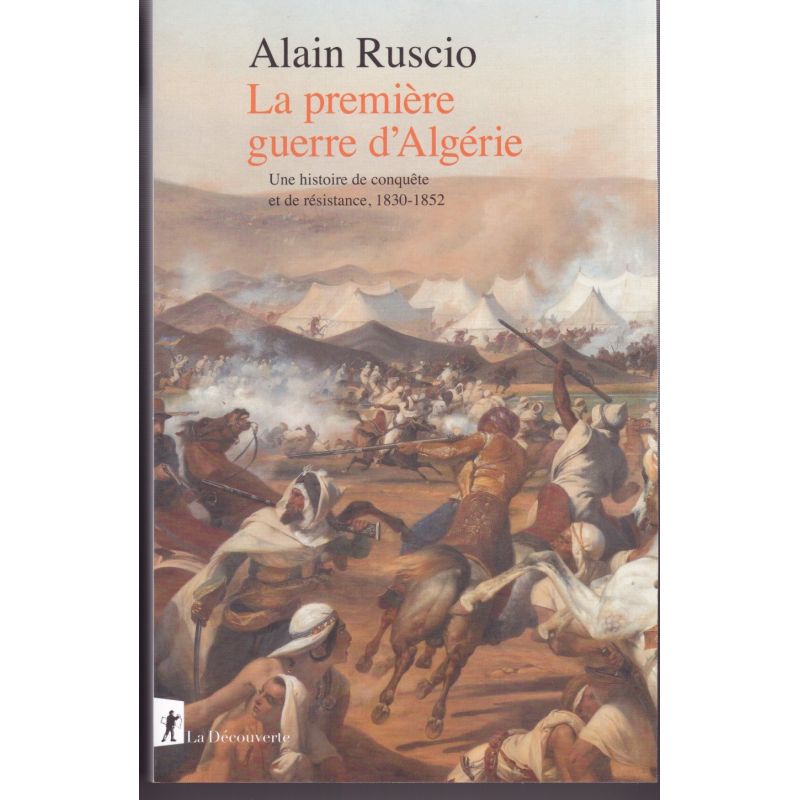
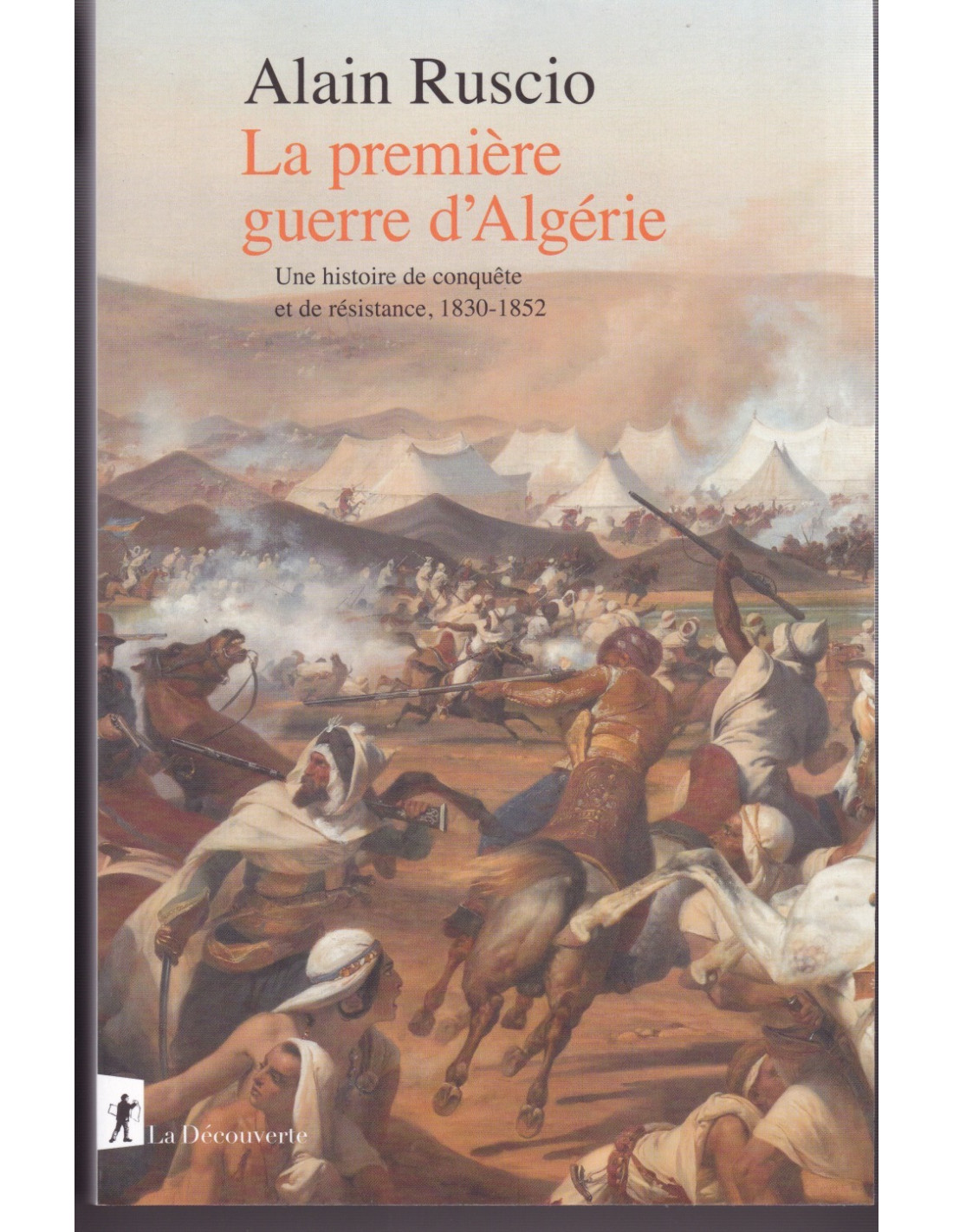
The First Algerian War - A History of Conquest and Resistance, 1830-1852
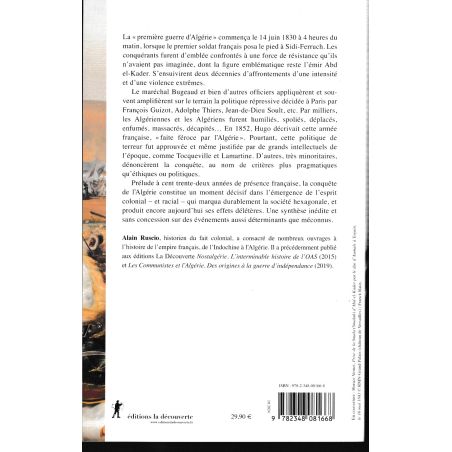
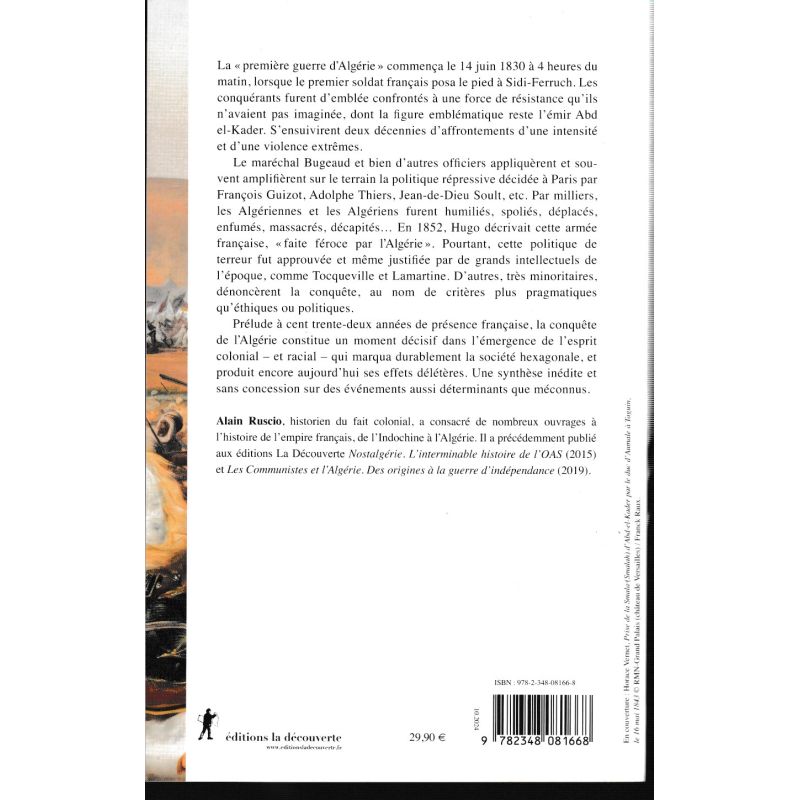
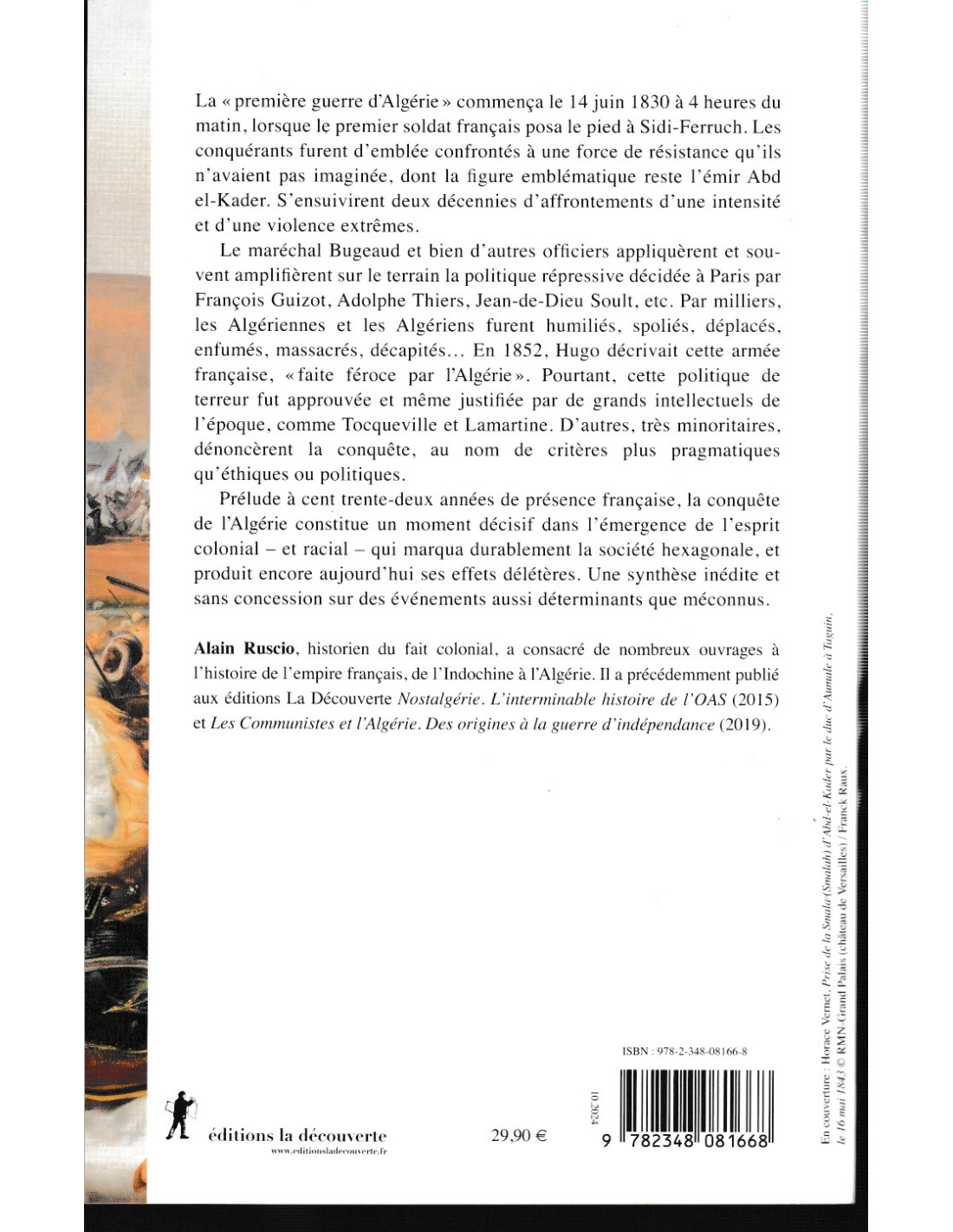
The "first Algerian war" began on 14 June 1830 at 4 o'clock in the morning, when the first French soldier set foot at Sidi-Ferruch. The conquerors immediately encountered a resistance force they had not anticipated, whose most emblematic figure remains the Emir Abd el-Kader. Two decades of confrontation of extreme intensity and violence followed. Marshal Bugeaud and many other officers implemented and often amplified in the field the repressive policy decided in Paris by François Guizot, Adolphe Thiers, Jean-de-Dieu Soult, and others.
By the thousands, Algerian men and women were humiliated, dispossessed, displaced, asphyxiated, massacred, decapitated… In 1852, Hugo described this French army, "made ferocious by Algeria". Yet this policy of terror was approved and even justified by major intellectuals of the time, such as Tocqueville and Lamartine. Others, a very small minority, denounced the conquest, on grounds more pragmatic than ethical or political. A prelude to one hundred and thirty-two years of French presence, the conquest of Algeria constitutes a decisive moment in the emergence of the colonial — and racial — mindset that left a lasting mark on French society, and whose harmful effects are still felt today. An unprecedented and uncompromising synthesis of events as significant as they are little known.
Secure Payment
Delivery
(+33) 01.79.75.05.50