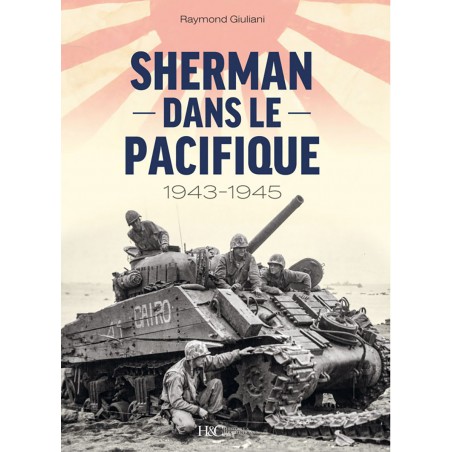
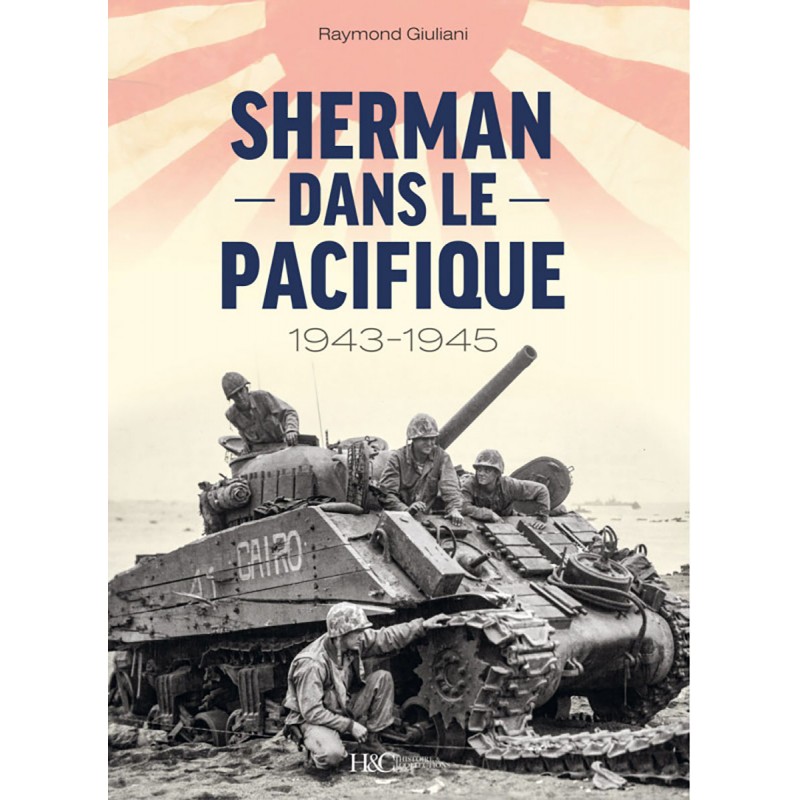
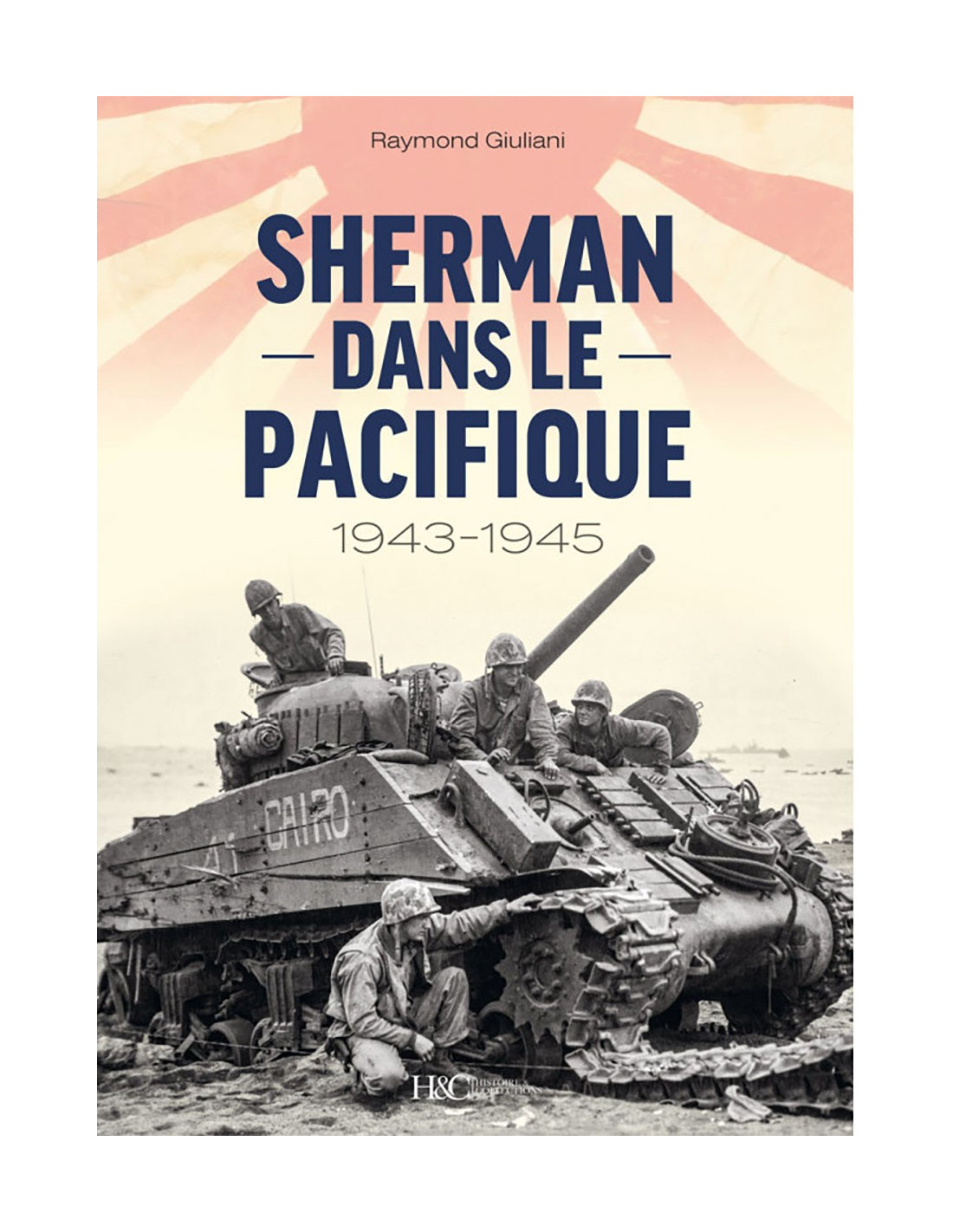
SHERMAN IN THE PACIFIC 1943-1945
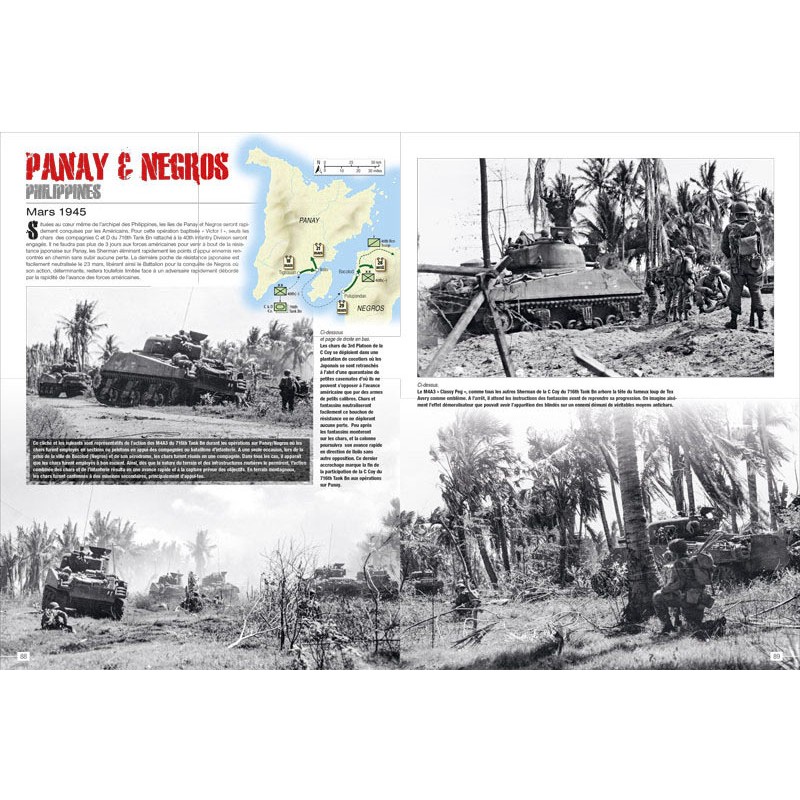
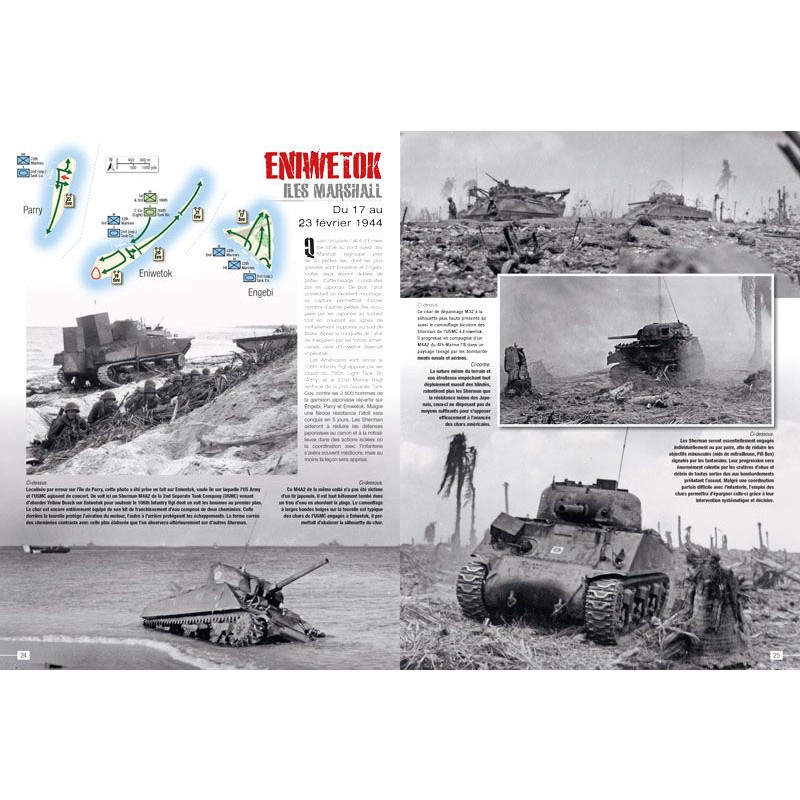
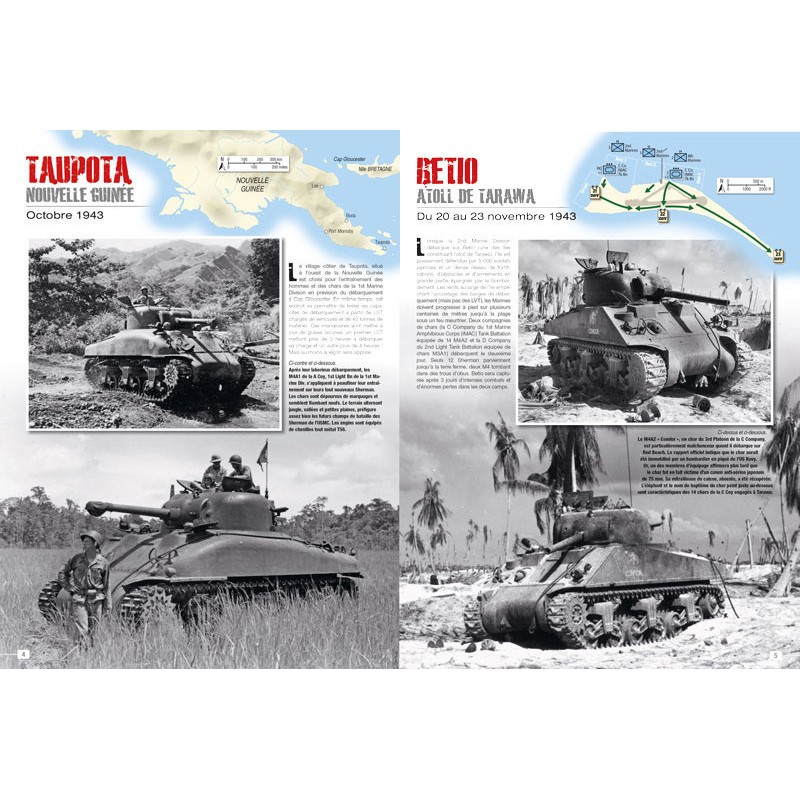
Following Pearl Harbor, the loss of the Philippines and the threat of an invasion of Australia, the reconquest of the Pacific stands as a unique episode in the annals of modern military history — fought across an ocean and on islands turned into fortresses. Landing, advancing through hostile terrain and fighting an adversary as courageous as he was fanatical: the task would have been insurmountable for the infantry alone without the support of the M4 Sherman tank.
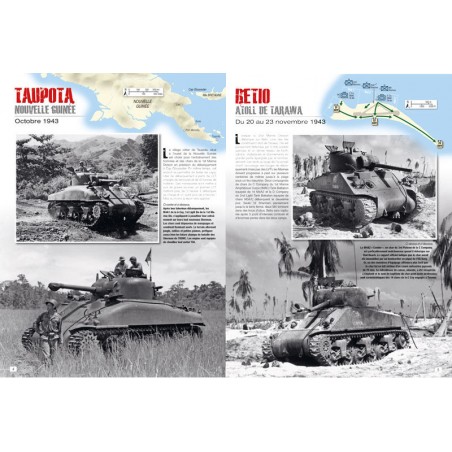
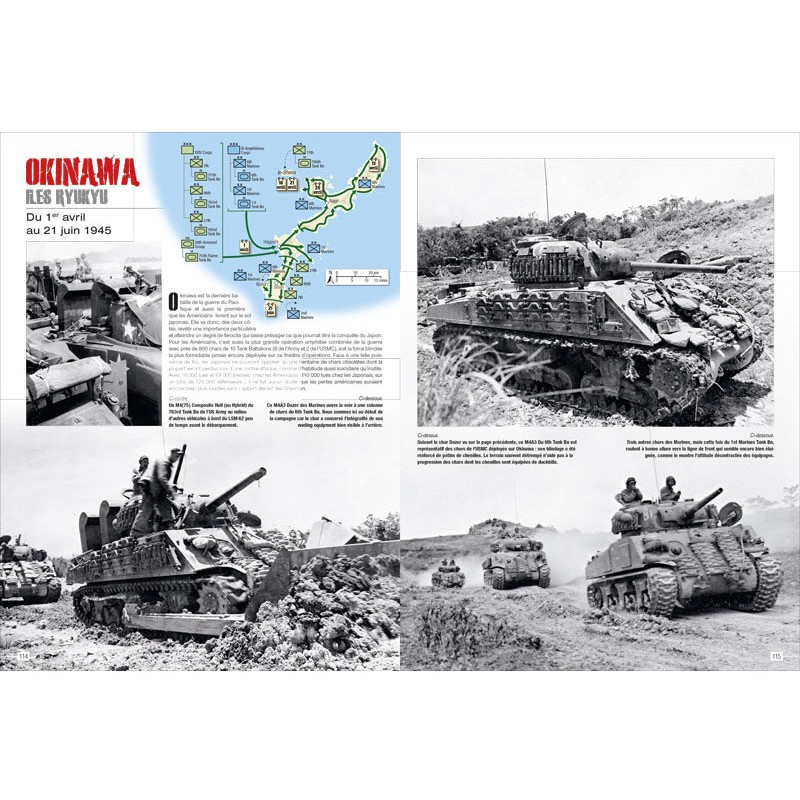
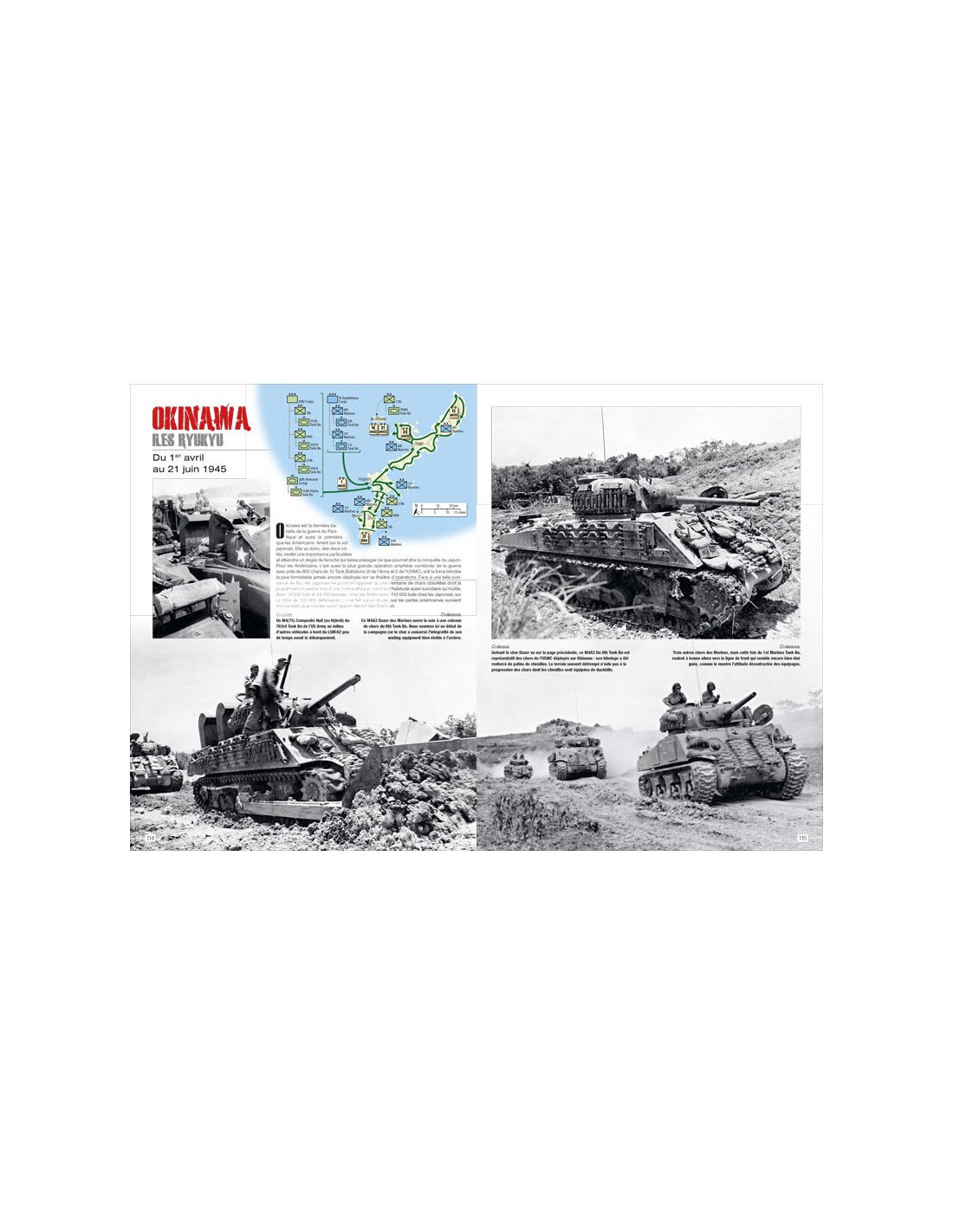
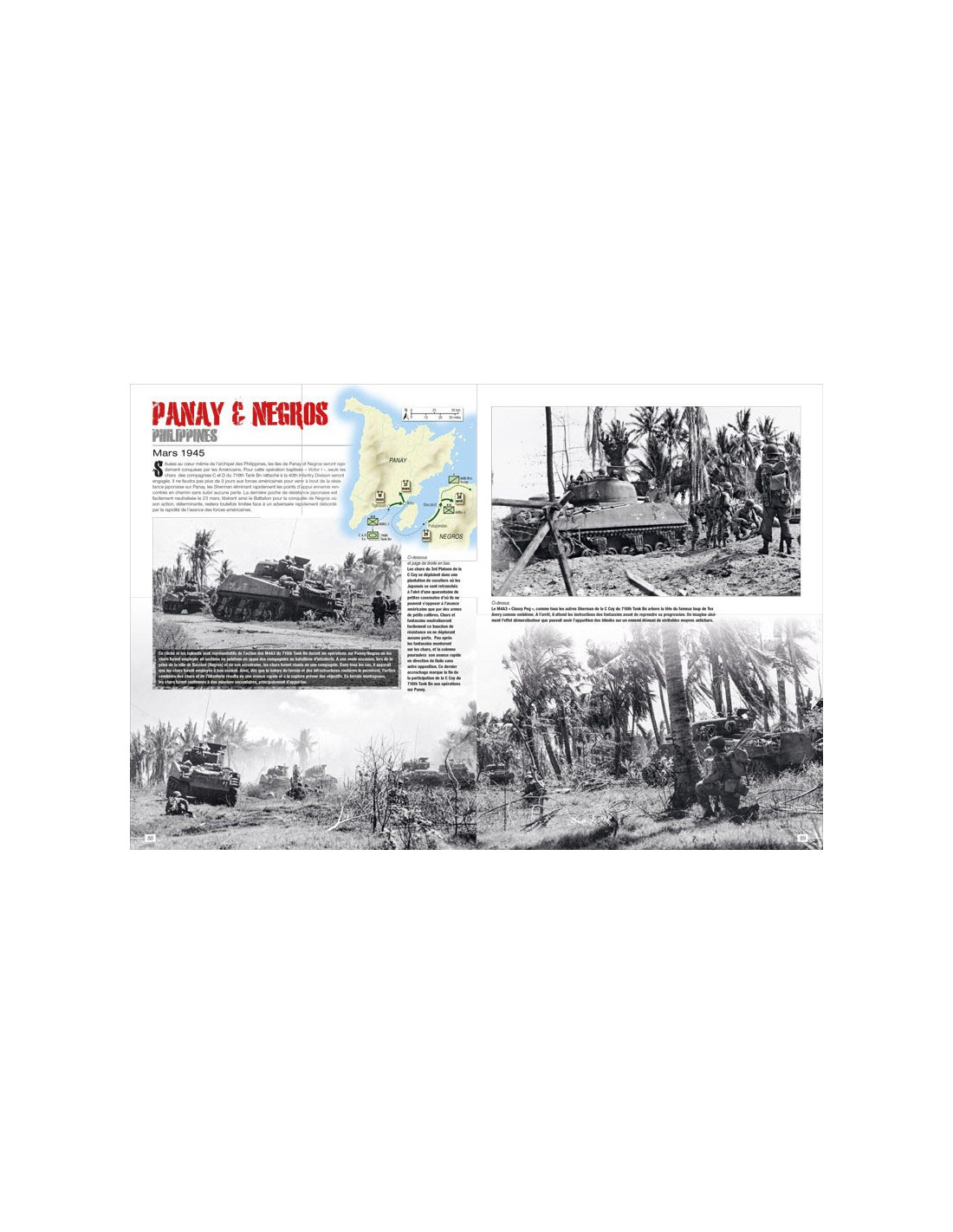
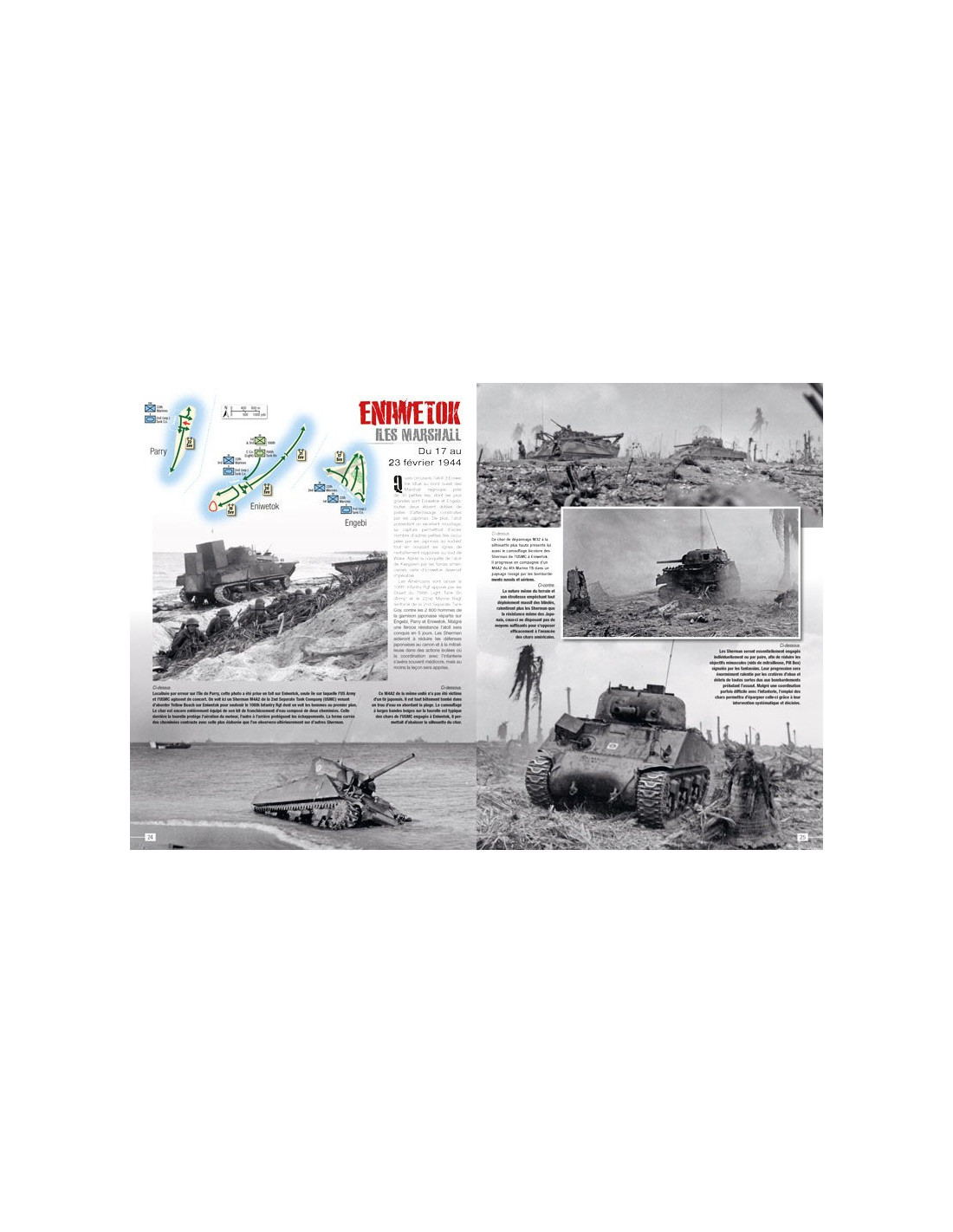
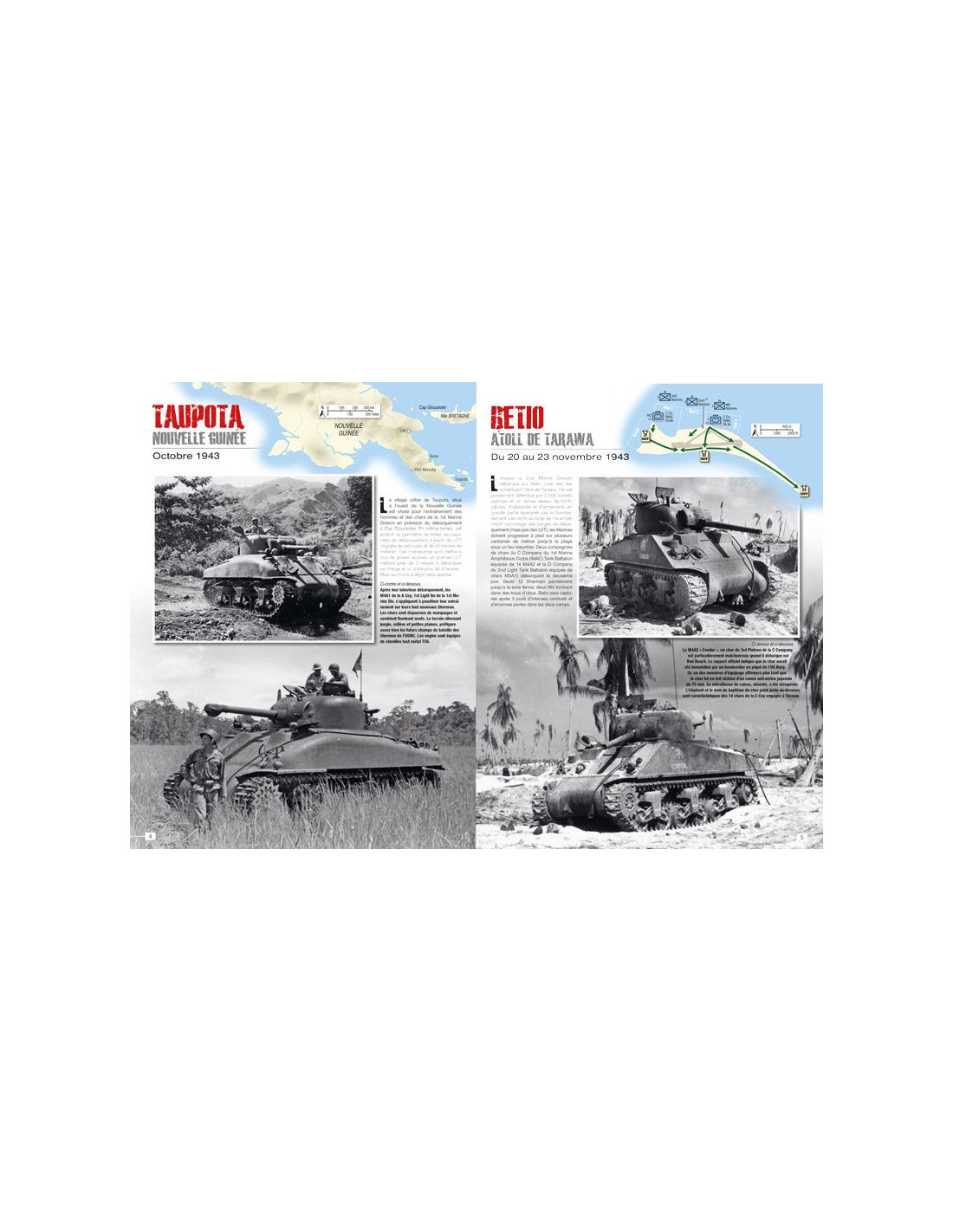
Despite terrain that was most of the time unsuitable for armoured operations, the Sherman's intervention helped limit American casualties by reducing Japanese defensive positions with cannon fire or flamethrowers. Yet each time, these high-risk missions could turn the tank and its crew from besieger to besieged. And so, as the months went by, the Sherman changed its appearance with improvised add-on armour, hatches protected by mesh screens or studded with spikes.
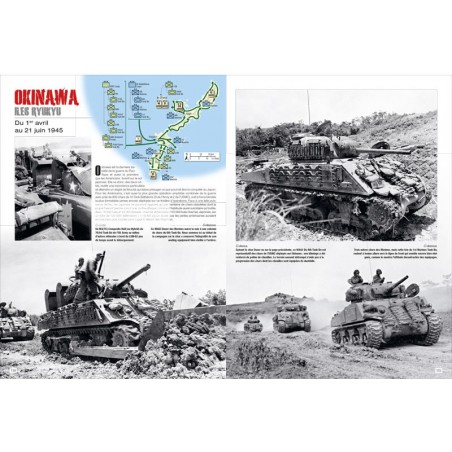
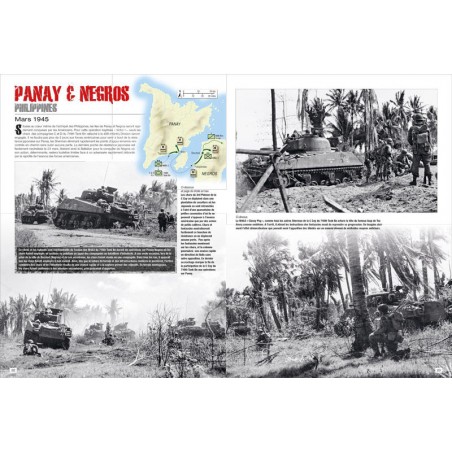
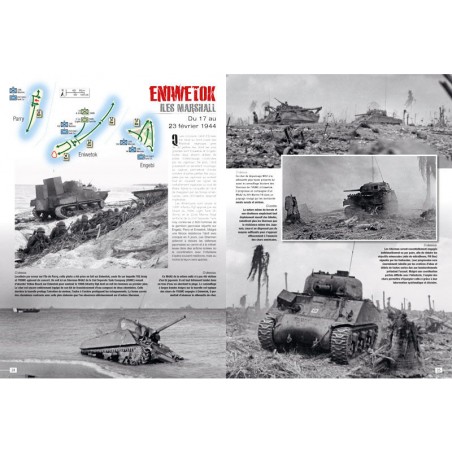
Page by page, you will discover this transformation illustrated by archive photographs and colour profiles. These will also allow you to appreciate the camouflage schemes, unit markings and graffiti that meant that by the end of the conflict, within a single unit, virtually no two tanks looked alike.
The author Raymond Giuliani, a former member of the armoured cavalry branch in which he completed his military service with the 1st Dragons Regiment, is both a specialist in Second World War tanks and in scale modelling. He served for many years as editor-in-chief of the magazines Steelmasters and Tank Zone. He also contributed to various works devoted to the Second World War, including the volume chronicling the restoration of the famous Panther tank by the enthusiasts of the Association des Amis du Musée des Blindés de Saumur.
Secure Payment
Delivery
(+33) 01.79.75.05.50
You might also like