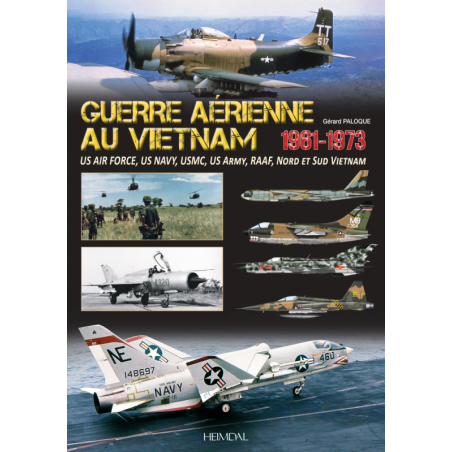
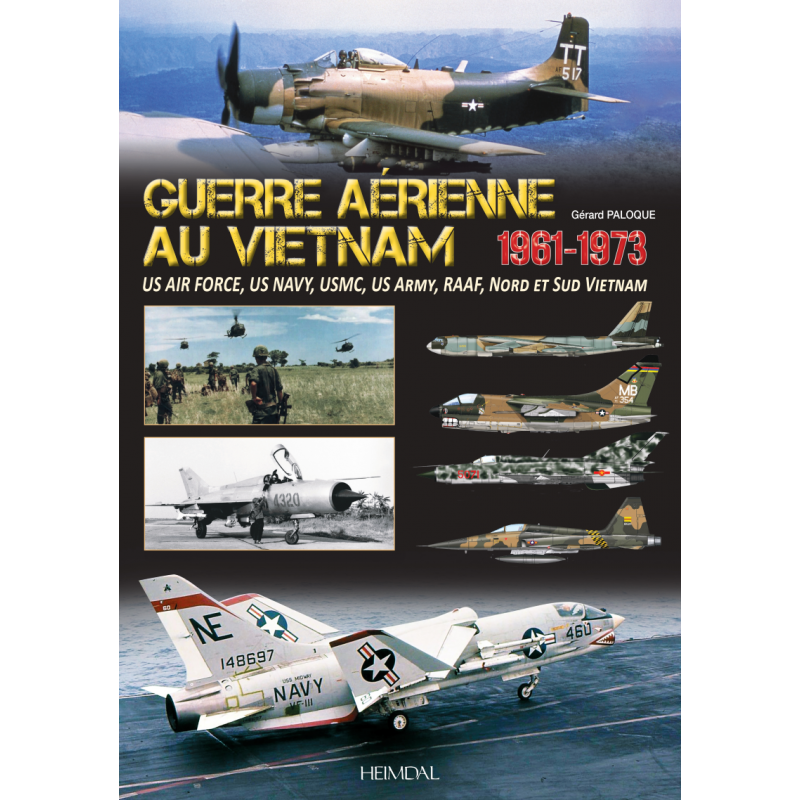
Air War Over Vietnam 1961-1973
US Air Force, US Navy, USMC, US Army, North and South Vietnamese Air Forces
Having begun very discreetly in 1961 with the deployment of a handful of American "advisors" alongside the newly formed SVNAF, the South Vietnamese air force, the air war in Southeast Asia — and in Vietnam in particular — grew steadily in scale until, at its peak in 1968, the US Air Force alone had deployed nearly 100,000 men and 1,800 aircraft in the region.
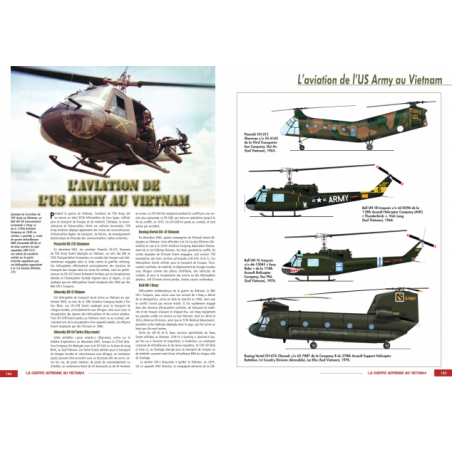
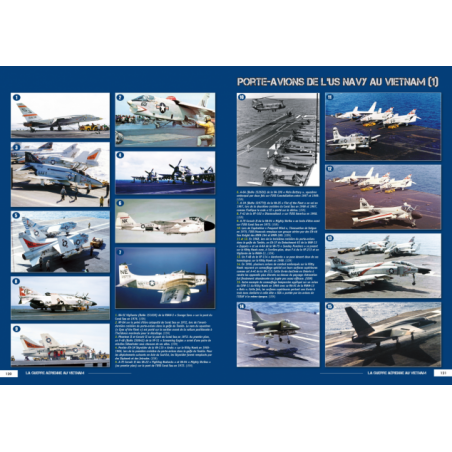
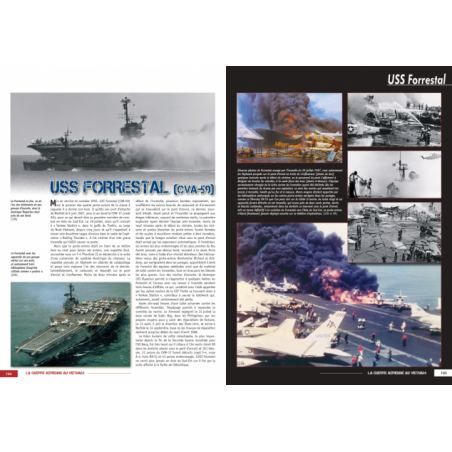
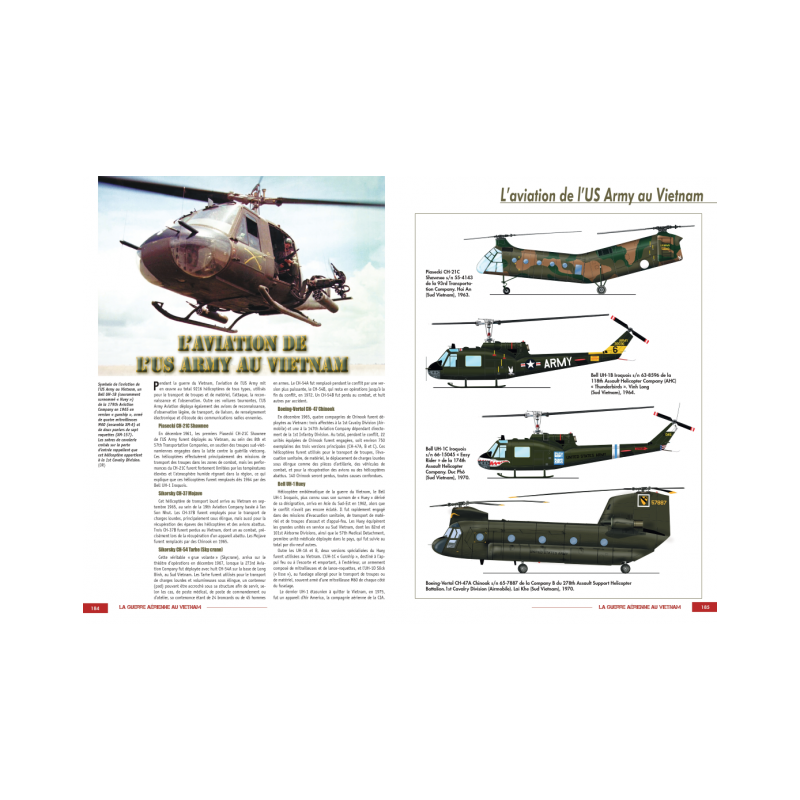
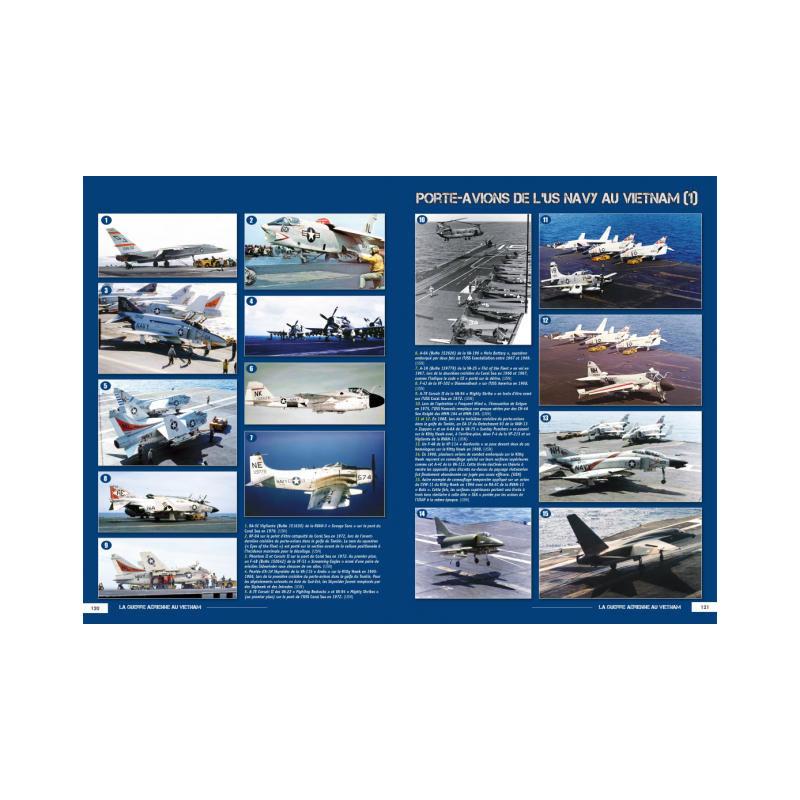
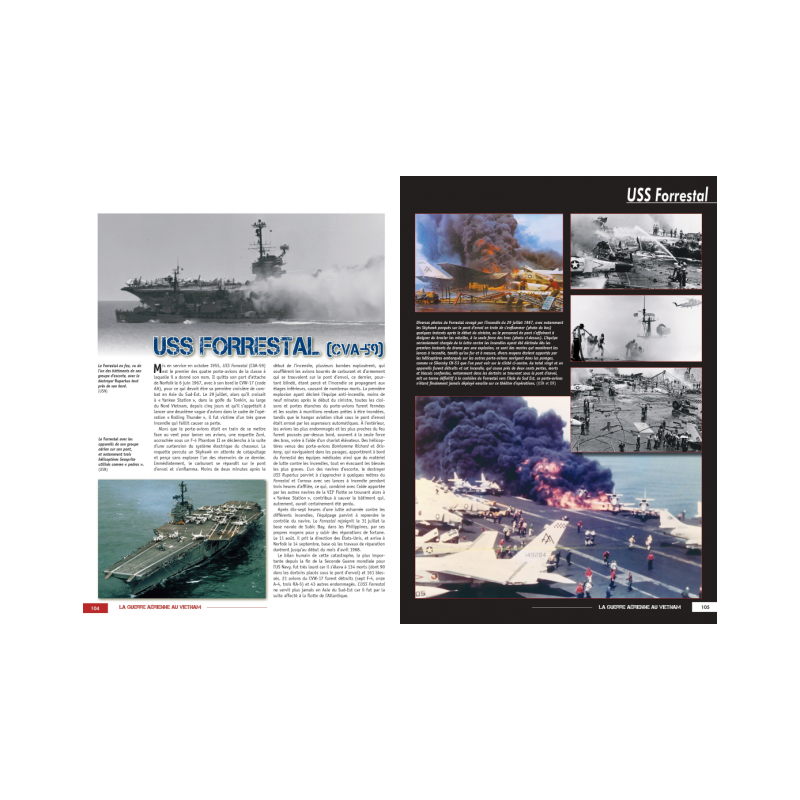
The air war in Vietnam, which came to an end for the United States in early 1973 with their withdrawal in favour of South Vietnam alone, saw the involvement of all the aviation branches of the US armed forces: the USAF of course, but also the US Navy with aircraft carriers on permanent station in the Gulf of Tonkin, the US Marine Corps, and not least the US Army, whose helicopters played an unprecedented role — particularly during ground operations — inserting GIs as close as possible to combat zones.
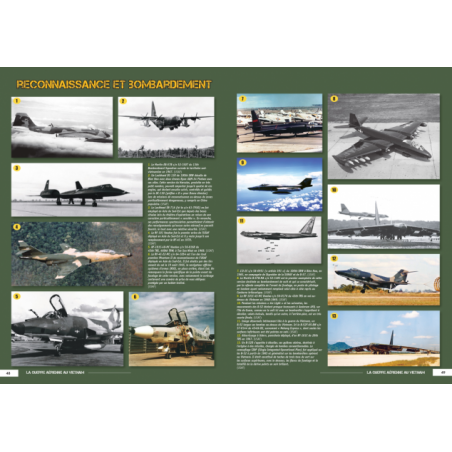
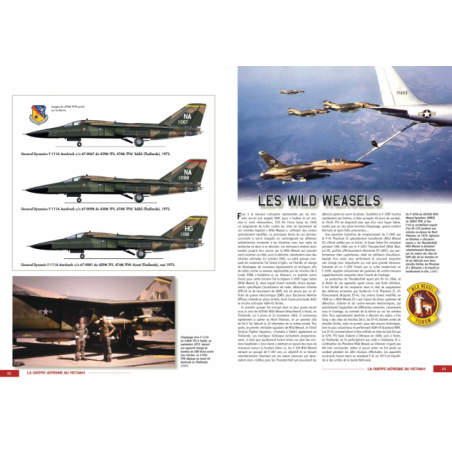
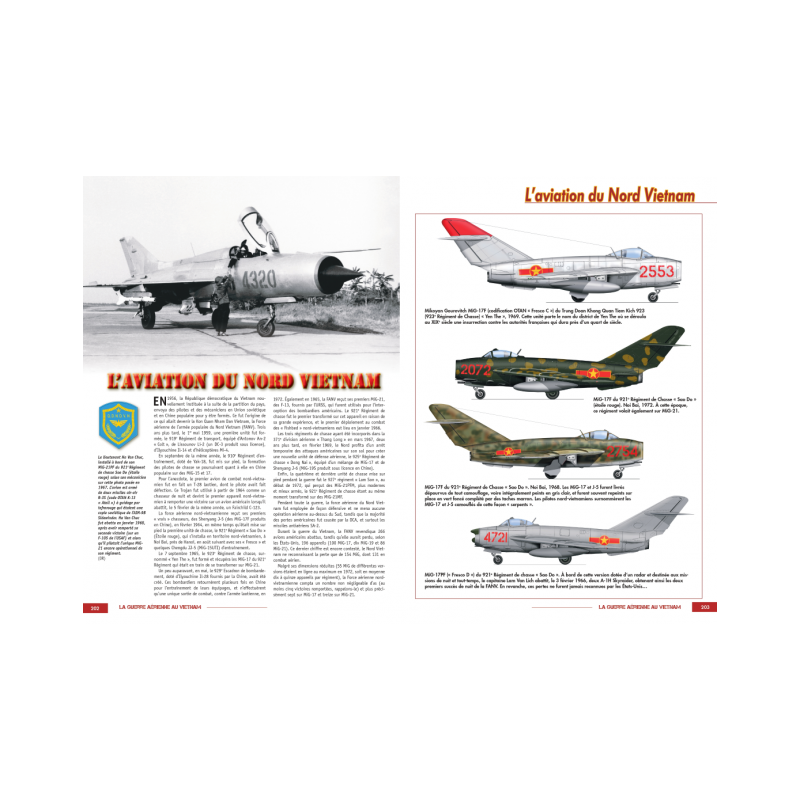
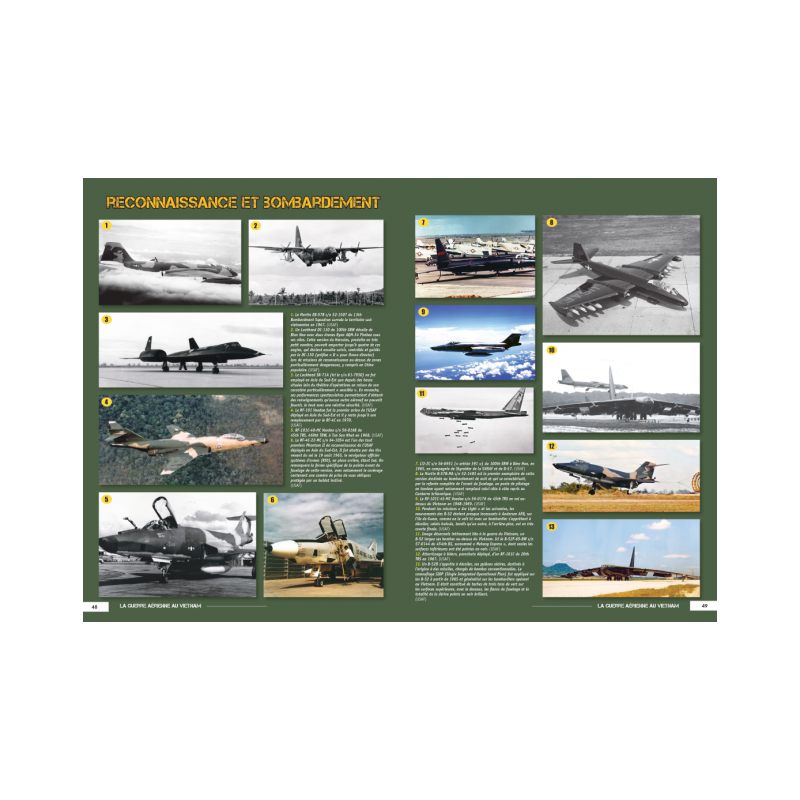
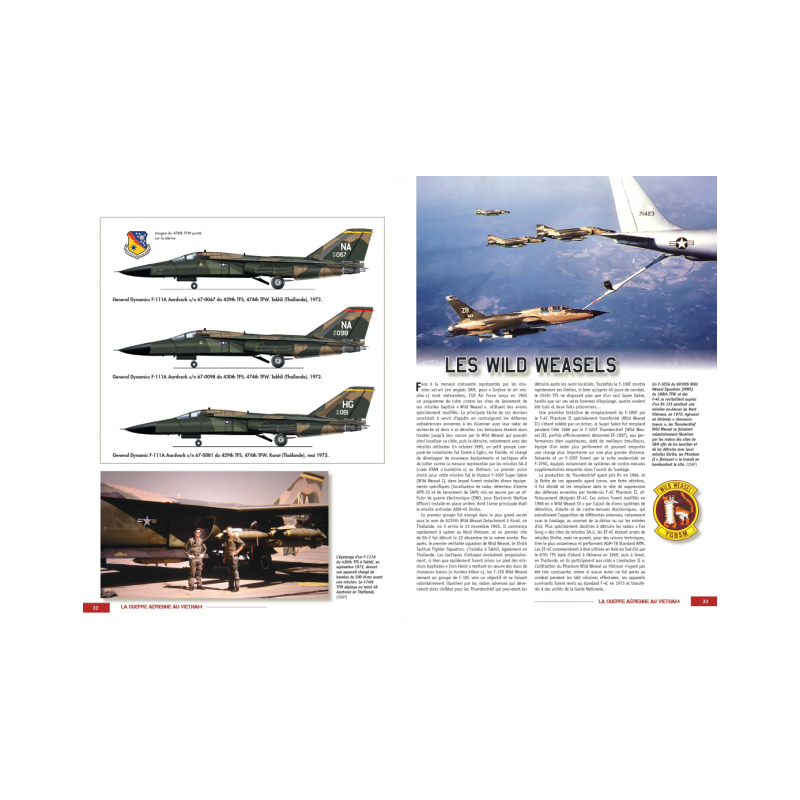
The Vietnam War also saw massive strategic bombing raids on a scale not witnessed since World War II, carried out primarily by Boeing B-52s, which had a decisive impact on the outcome of the fighting. It was also during this conflict that the surface-to-air missile experienced unprecedented growth, profoundly reshaping the doctrines governing the use of combat aircraft and forcing the development of bold and dangerous new tactics for suppressing the SAM sites that wreaked havoc among United States aviation units.
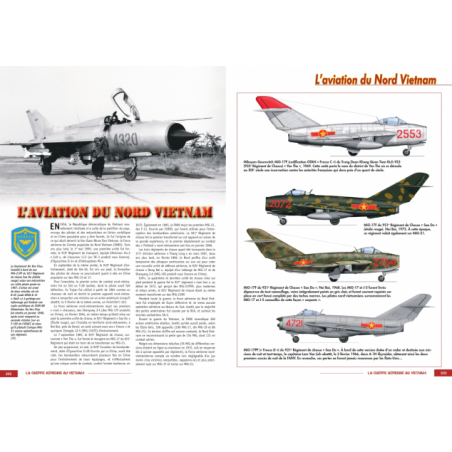
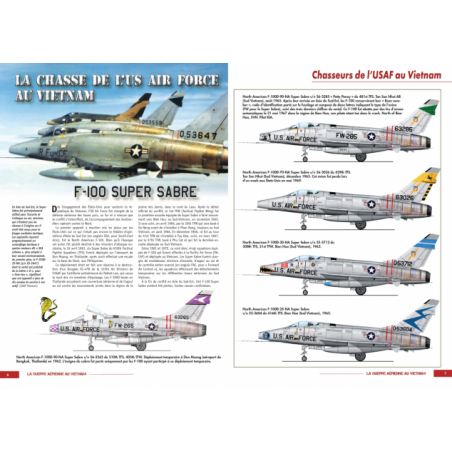
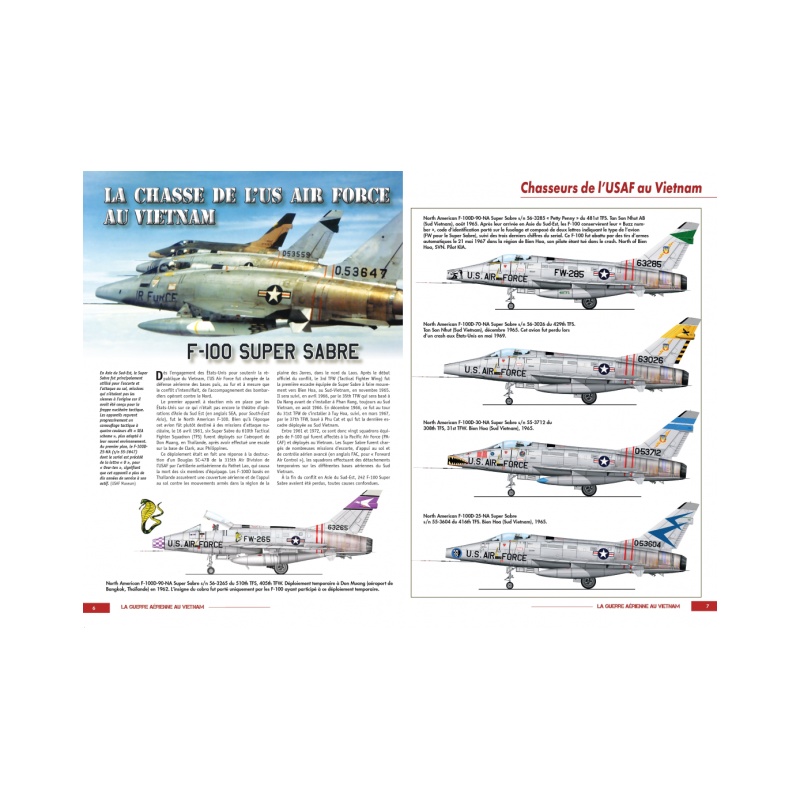
Finally, the air war over Vietnam was also the last opportunity to witness numerous aerial engagements, in the course of which a significant number of pilots, both American and North Vietnamese, achieved the highly coveted status of ace by shooting down at least five enemy aircraft, notably with air-to-air missiles — another weapon that underwent unprecedented development during the thirteen years this terrible conflict lasted.
Secure Payment
Delivery
(+33) 01.79.75.05.50
You might also like