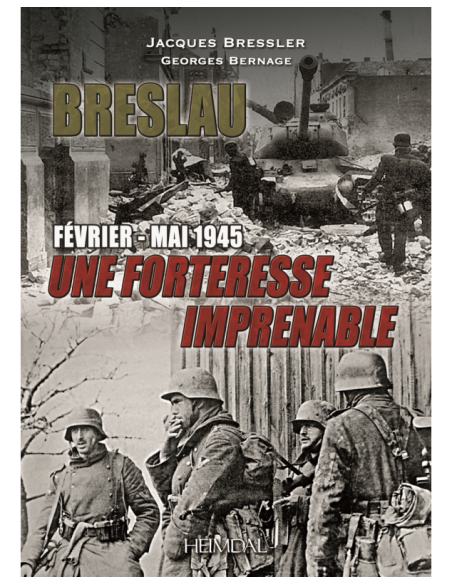
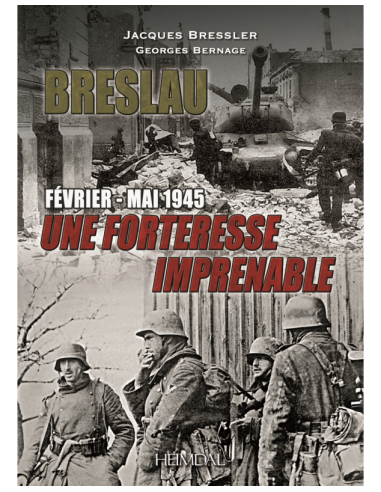
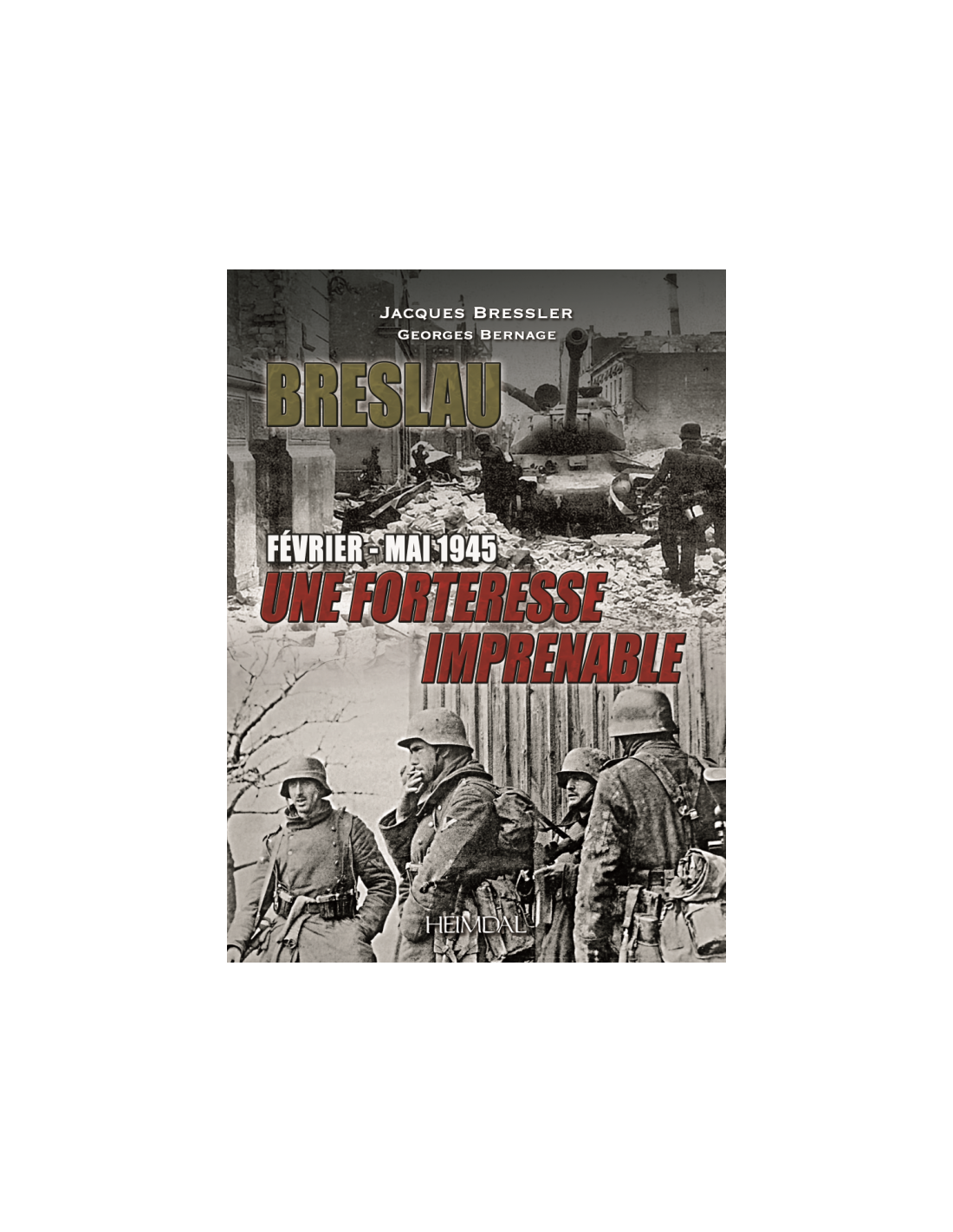
BRESLAU - An Impregnable Fortress February - May 1945
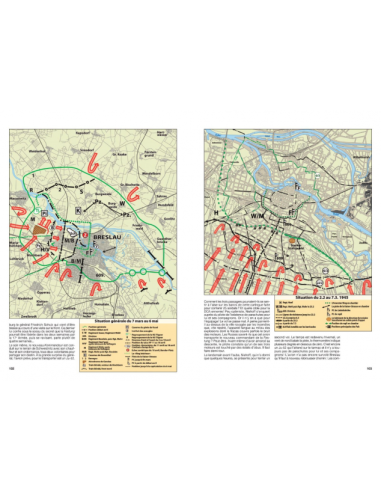
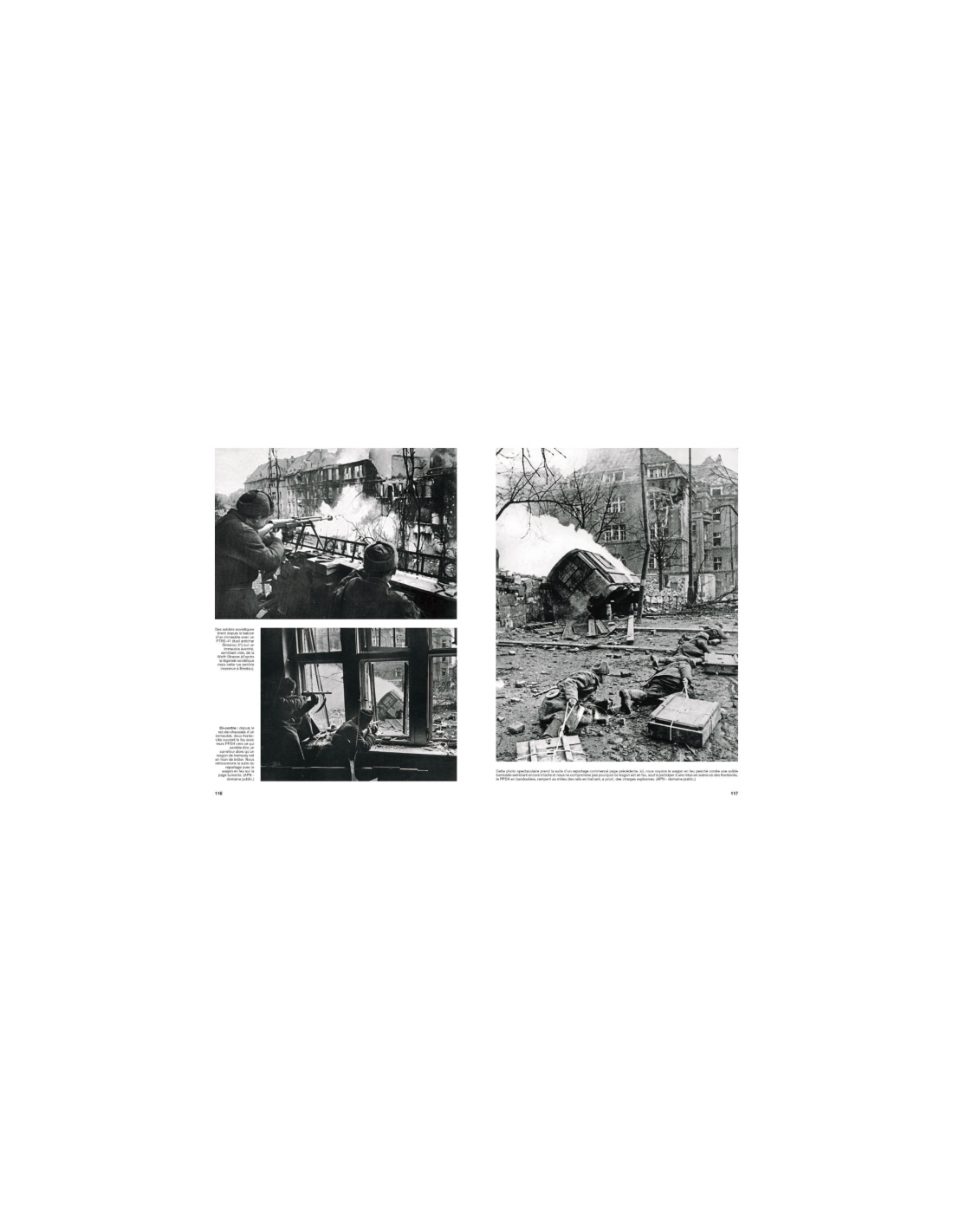
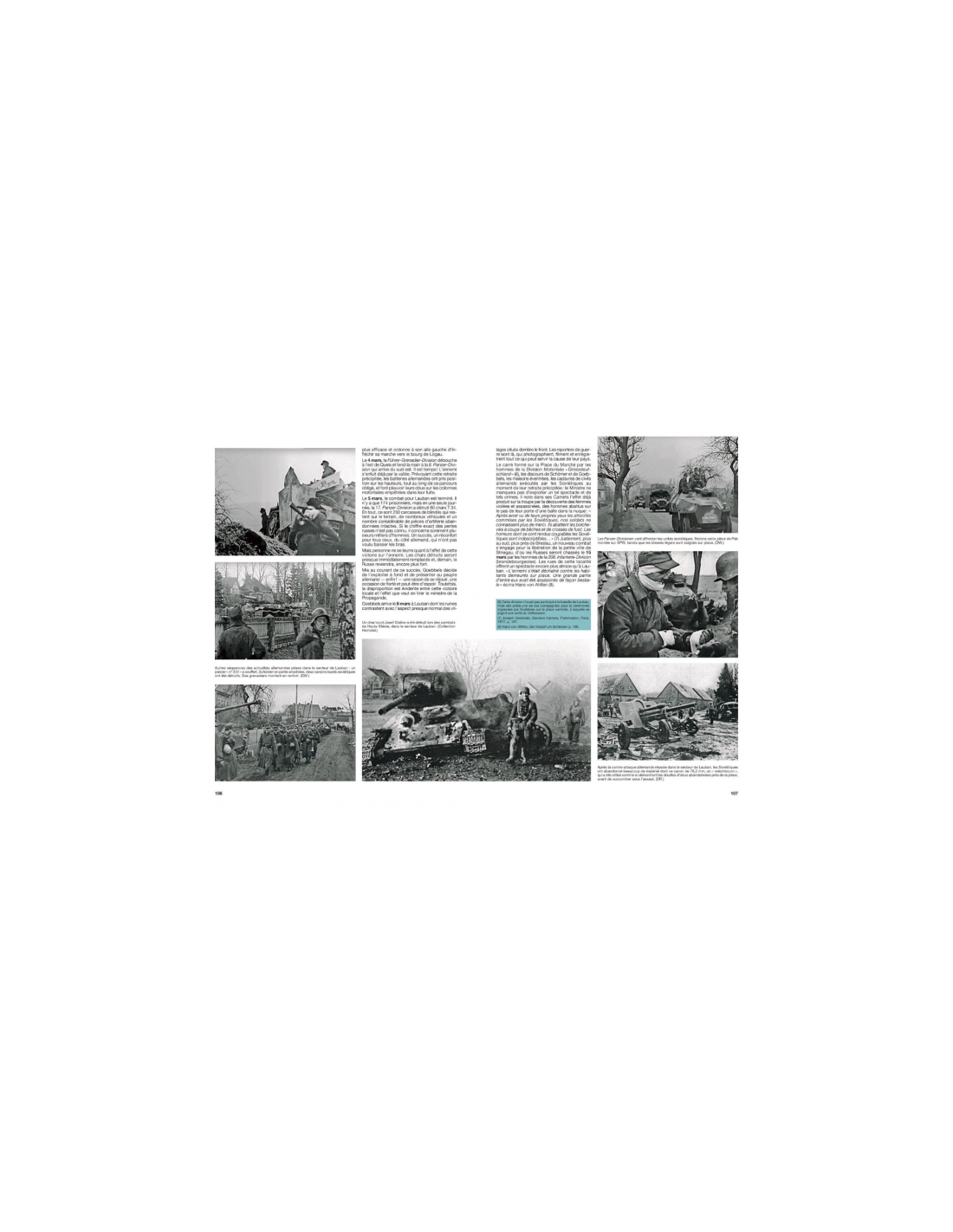
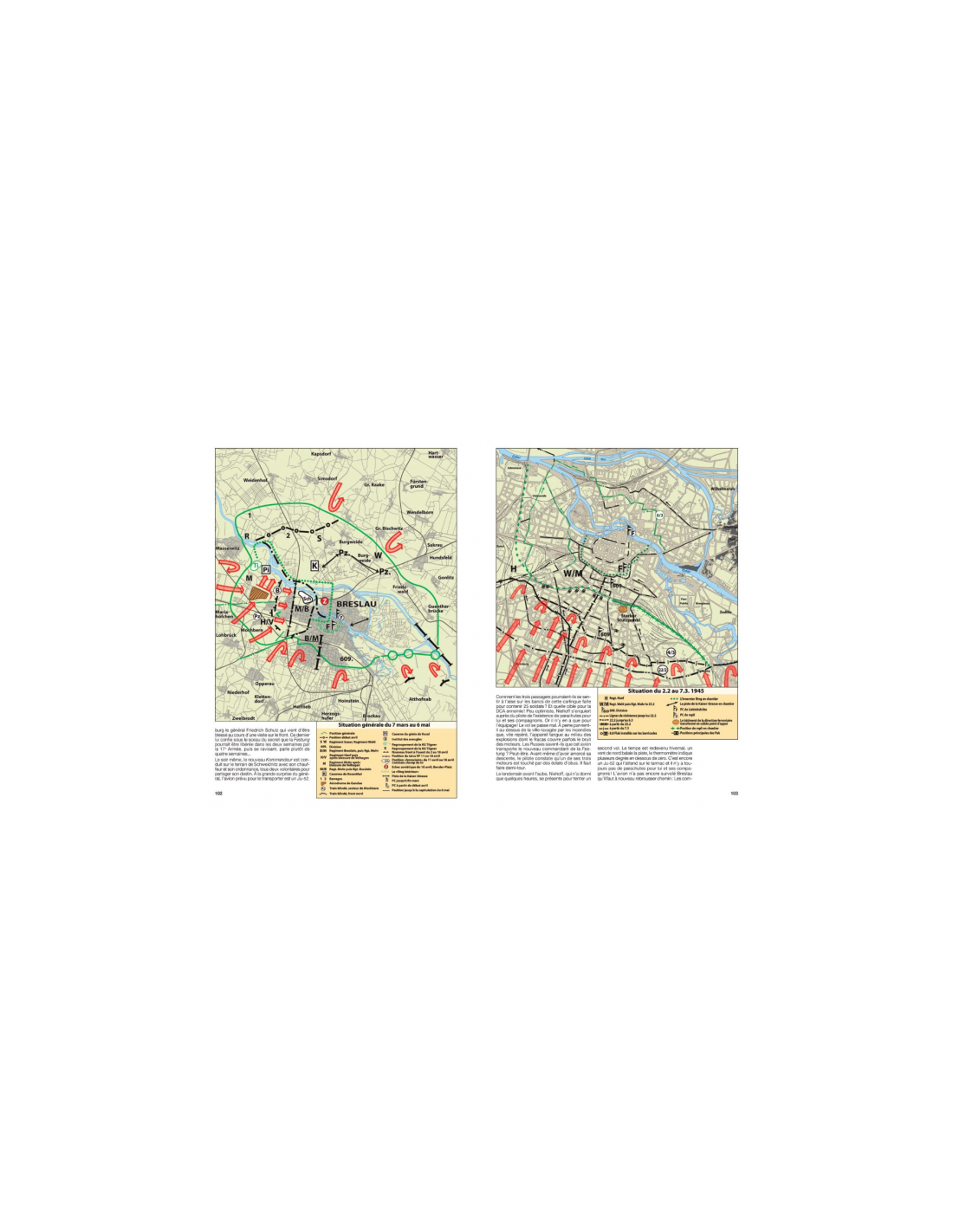
February 1945: the Red Army surges across the Polish plains and into eastern Germany, overwhelming German armies struggling to contain it — objective: the Oder valley, to reach Berlin but also Breslau, capital of Silesia. This region had been founded by German settlers as early as the 12th century. Until now spared by the war, this German province was about to be plunged into it with brutal force; Breslau would endure, from February to May 1945, a siege lasting 80 days, encircled by the Soviet 6th Army.
The author recounts, step by step, the long siege during which the capital of Silesia remained impregnable, capitulating only after the general surrender of the German army — a little-known page of history that deserved to be brought to light. We witness the evacuation of civilians during a bitter winter, an airlift supplying the citadel and evacuating the wounded, and a city that held on thanks to the support and courage of 100,000 civilians who remained. Their discipline and loyalty helped render the fortress impregnable. Yet this courage was in vain; Silesia was ceded to Stalin, who handed it to the Poles, expelling the Germans and resettling Poles who had themselves been driven from the eastern regions of Poland annexed by the USSR — but that is another story.
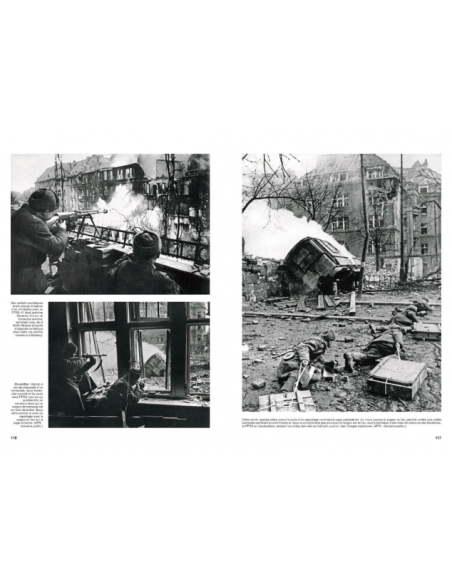
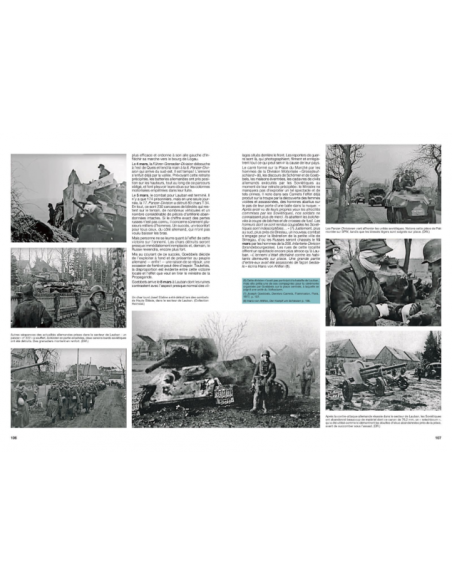
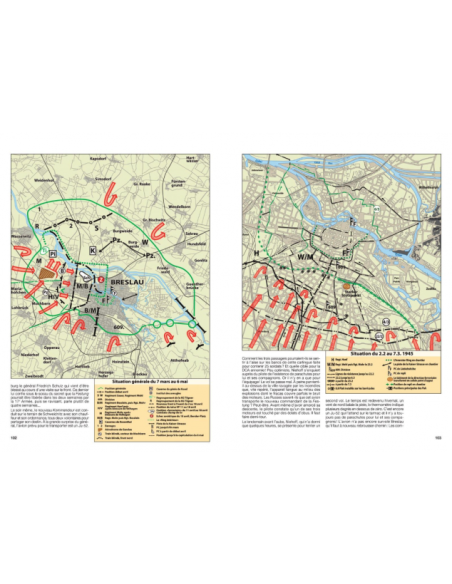
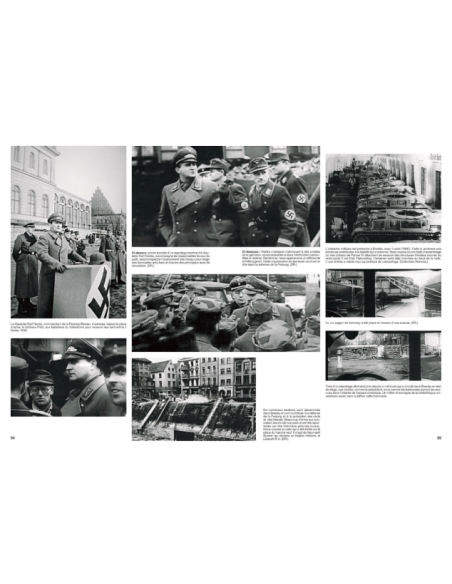
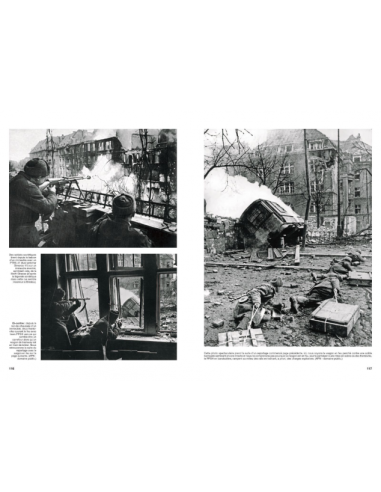
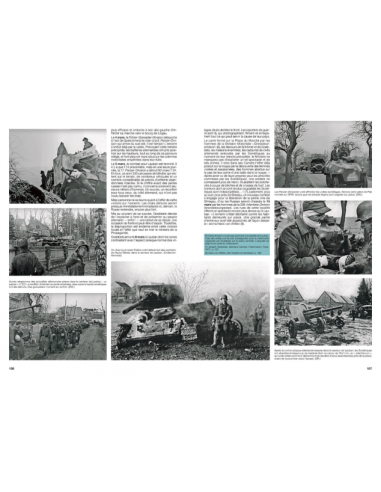
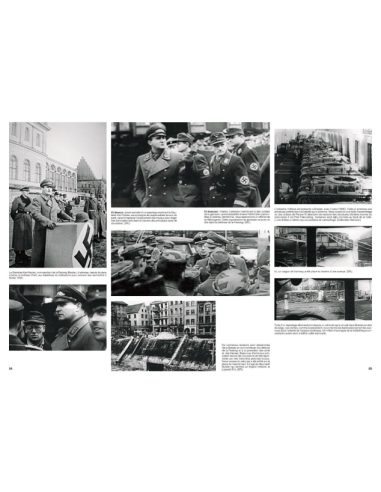
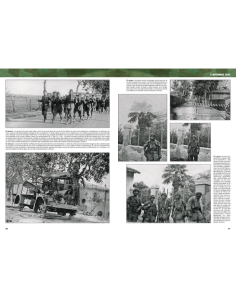
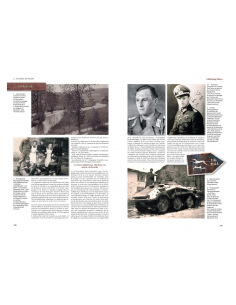
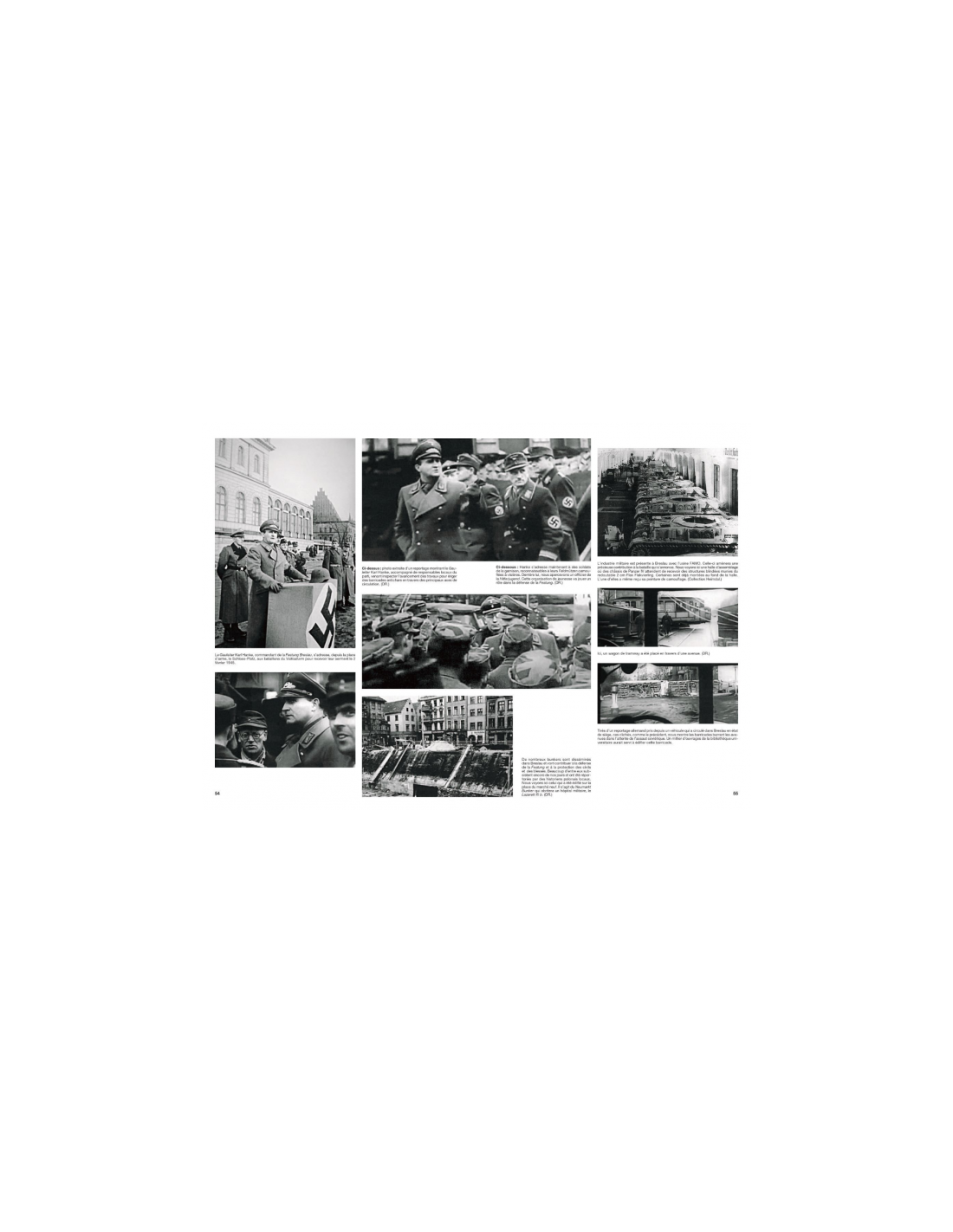
This historical account is accompanied by rich iconography, approximately 250 photographs.
The author: Jacques Bressler is a French historian and essayist, holder of a DES in philosophy, reserve captain (now honorary) and a graduate of the staff college. His distant German ancestors lived in Silesia, near Breslau, in the 16th and 17th centuries before settling in Alsace.
Secure Payment
Delivery
(+33) 01.79.75.05.50
You might also like