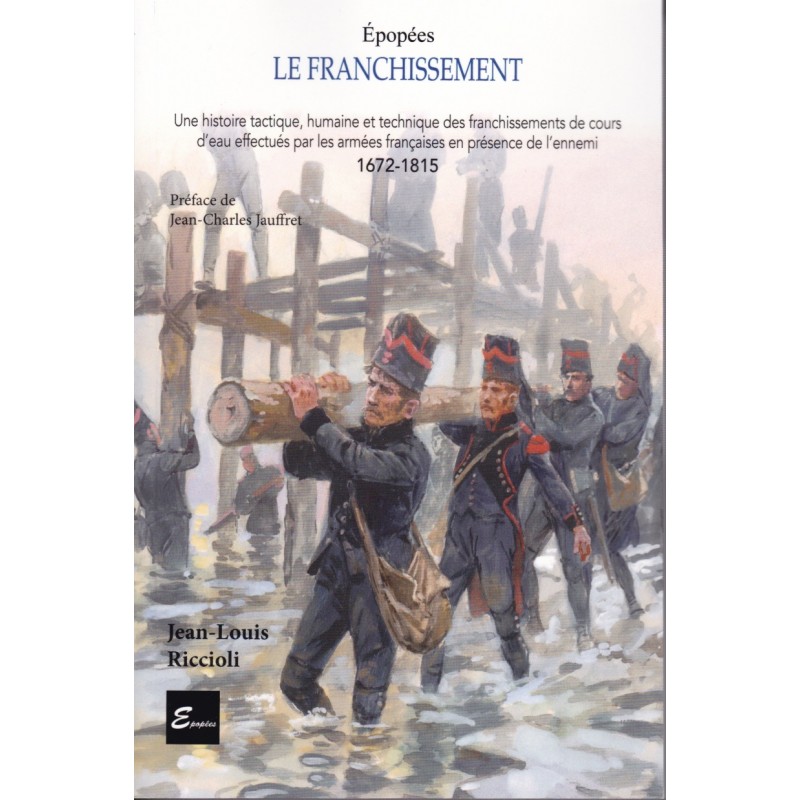
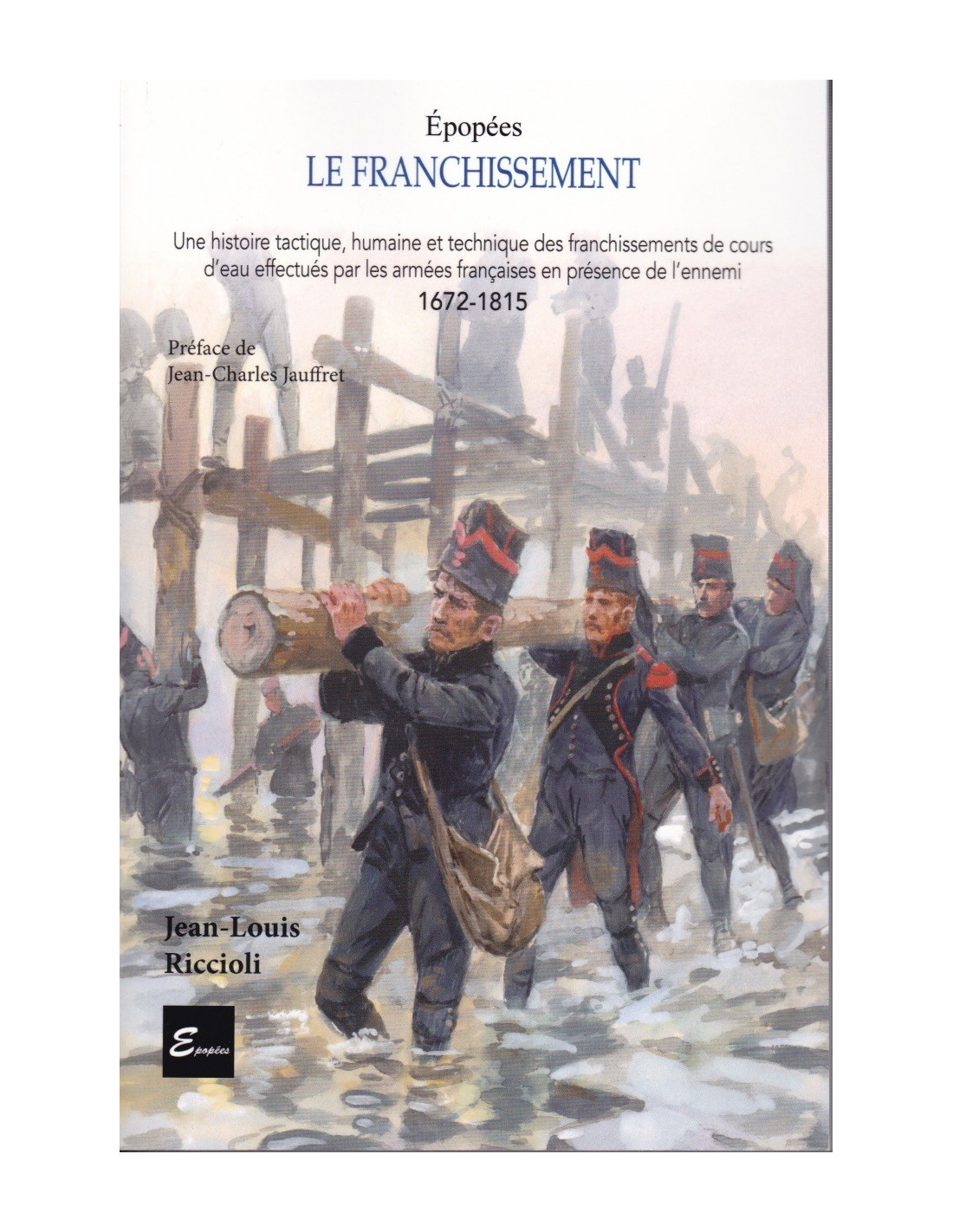
RIVER CROSSING 1672–1815
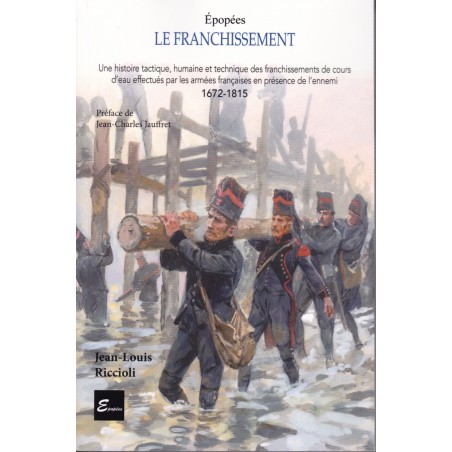
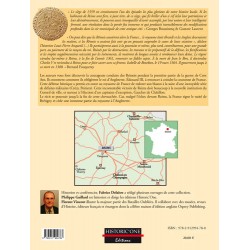
A tactical, human and technical history of river crossings carried out by French armies in the presence of the enemy, 1672–1815
The objective of a river crossing is to transfer sufficient firepower and manoeuvre mass to the far bank to sustain the offensive beyond it. Contrary to the view held by many authors, crossing a waterway under enemy threat is certainly not a routine operation of little difficulty warranting only a few lines in a narrative.
In reality, it is on the contrary a delicate operation in which the military commander, compelled to divide his forces, is at the mercy of both the enemy and the elements. The aim of the present study is therefore to restore the true place of these operations within a given conflict, as well as to fill a gap in recent historiography.
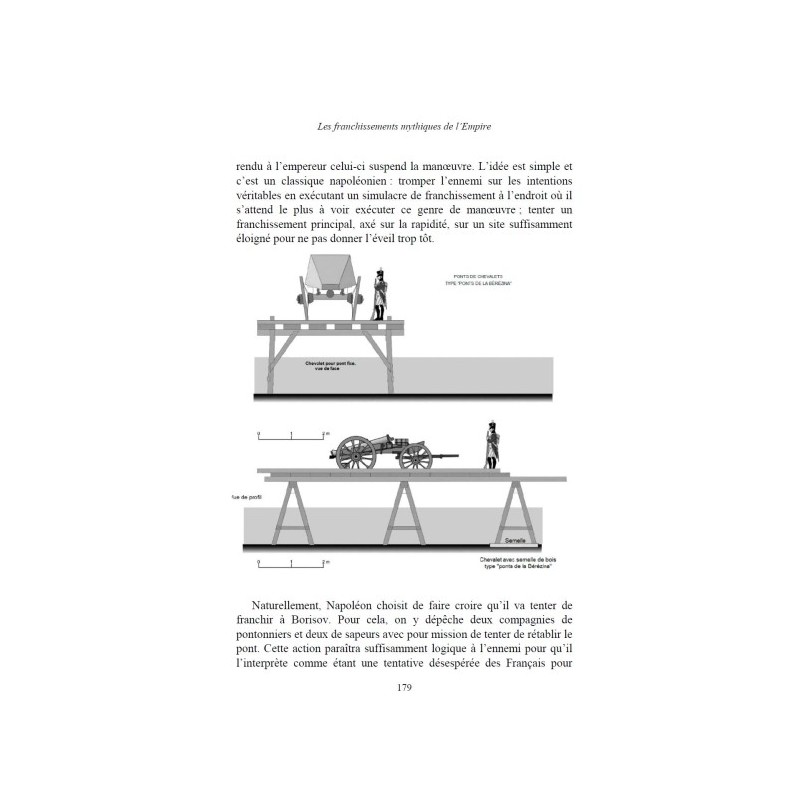
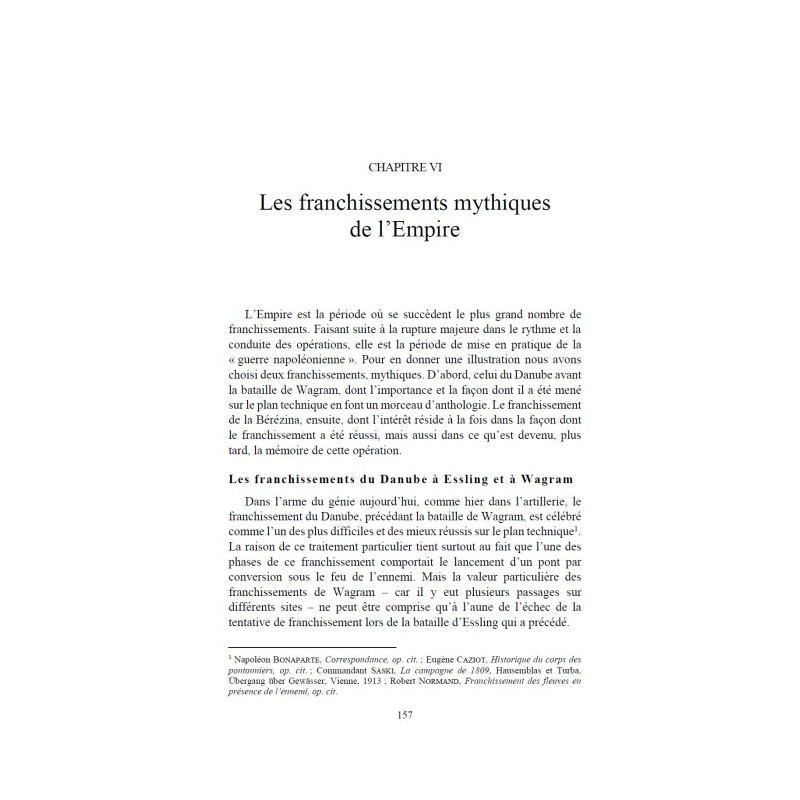
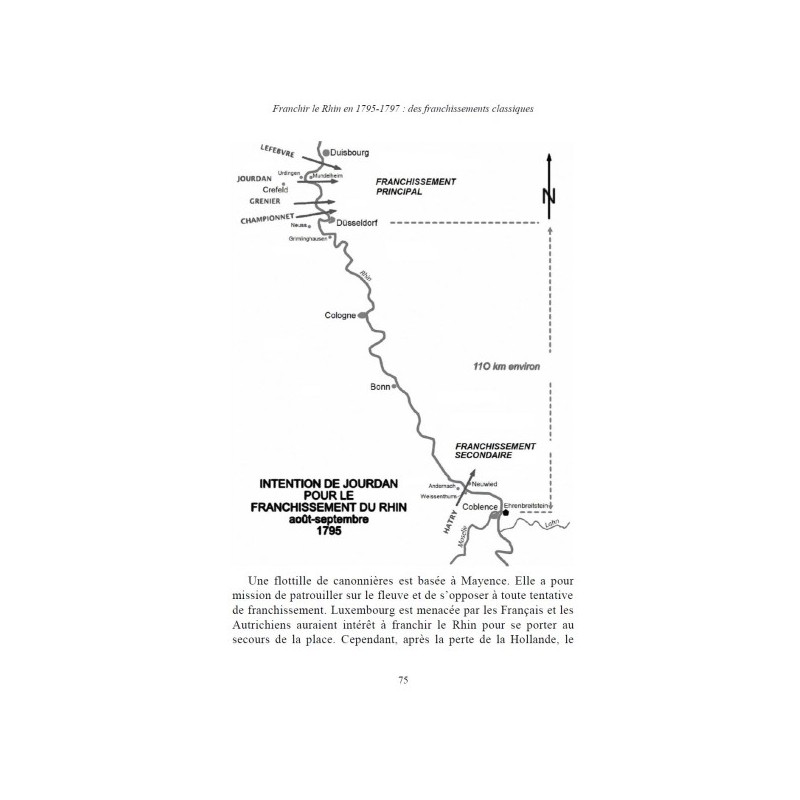
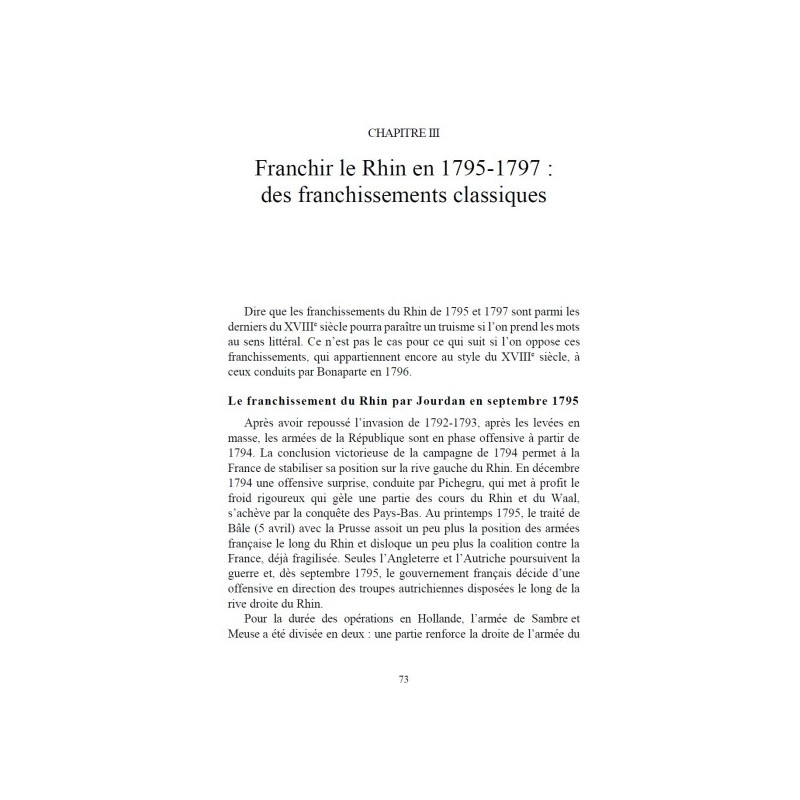
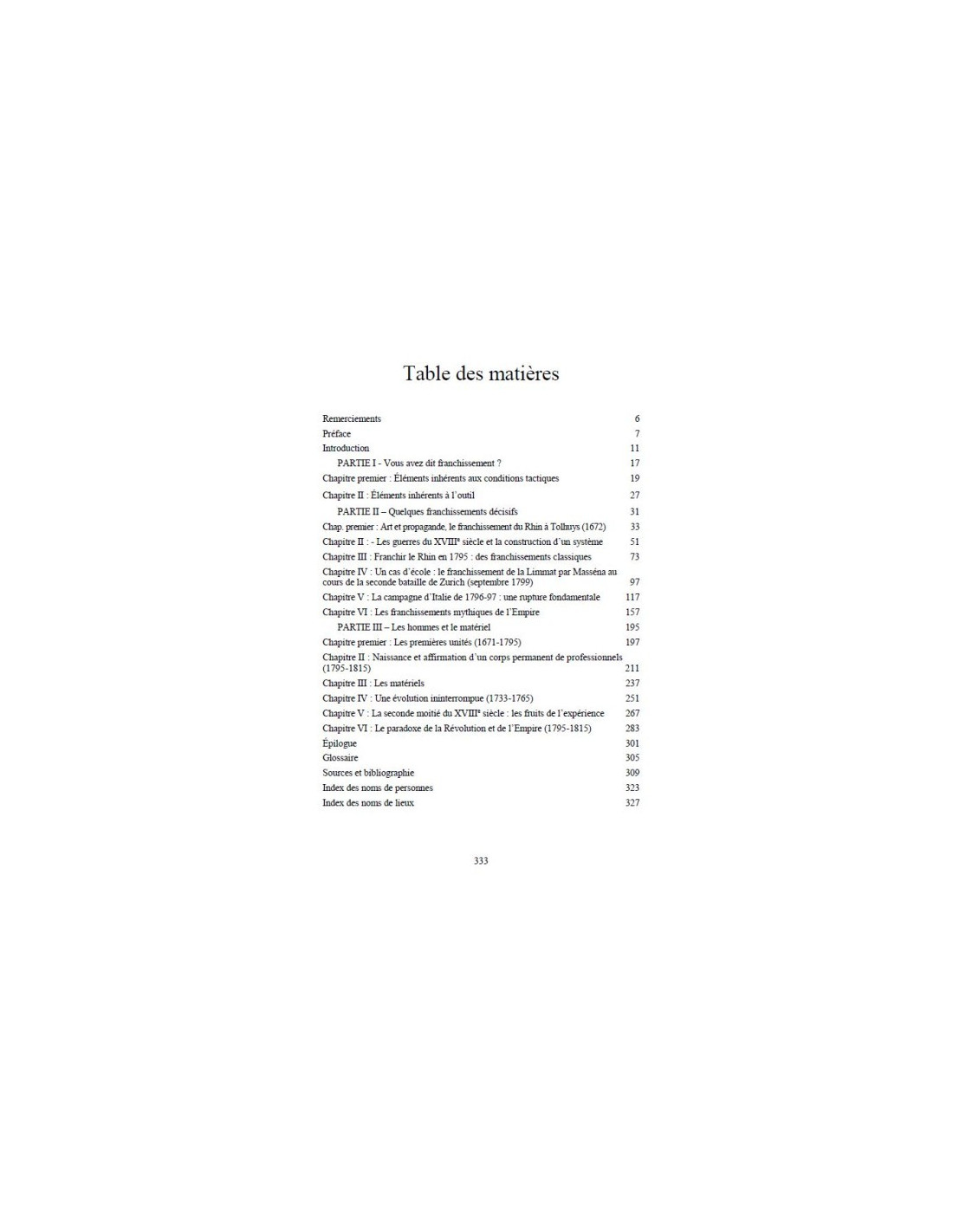
Drawn from a doctoral thesis, this work is confined to the period 1672–1815, the richest in operations of this type. Over nearly a century and a half, it describes and analyses the capacity of French armies on campaign to restore their combat potential on the far bank of a waterway through a river-crossing operation conducted in the presence of the enemy.
This work tells above all a story of artillerymen, responsible throughout the period studied for carrying out these crossings. It also brings into focus the sappers who, in 1894, would ultimately absorb the crossing function in its entirety. They will recognise themselves perfectly within these pages, all the more so since, by reference to the crossing of the Berezina in 1812, the École du génie bears the name of an artillery general, General Éblé.
A former engineer officer, Jean-Louis Riccioli served as head of the Studies Section of the Service historique de l'Armée de Terre at Vincennes, and as professor of military history at the Saint-Cyr Coëtquidan schools. He was curator of the Sous-Officier museum at Saint-Maixent-l'École, the Infantry museum at Montpellier, and the Empéri museum at Salon-de-Provence. As chief heritage curator, he ended his career as adviser for museums at the Direction régionale des affaires culturelles of the PACA region.
Secure Payment
Delivery
(+33) 01.79.75.05.50
You might also like