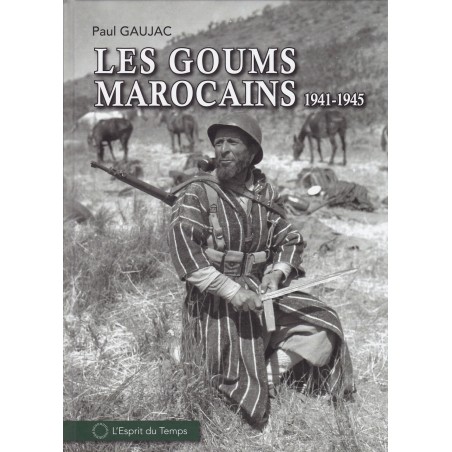
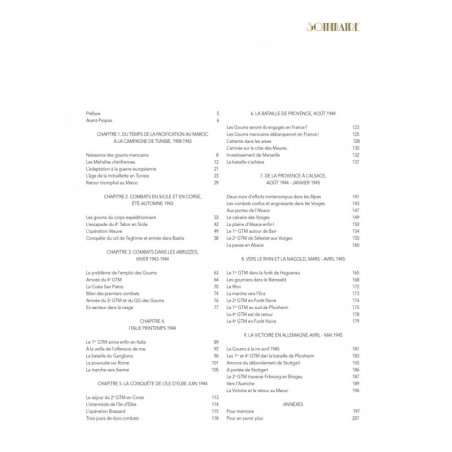
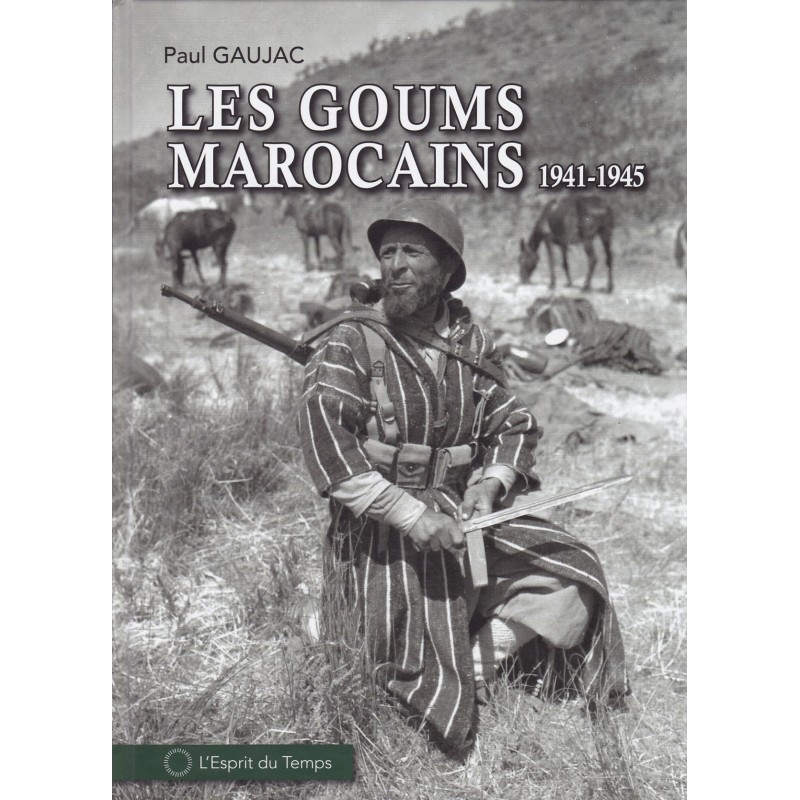
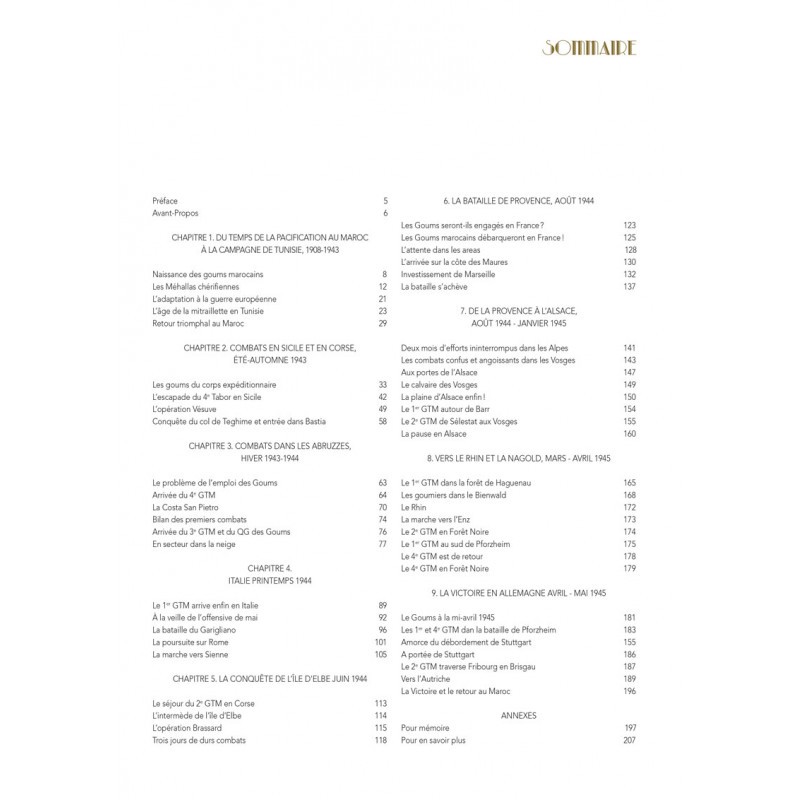
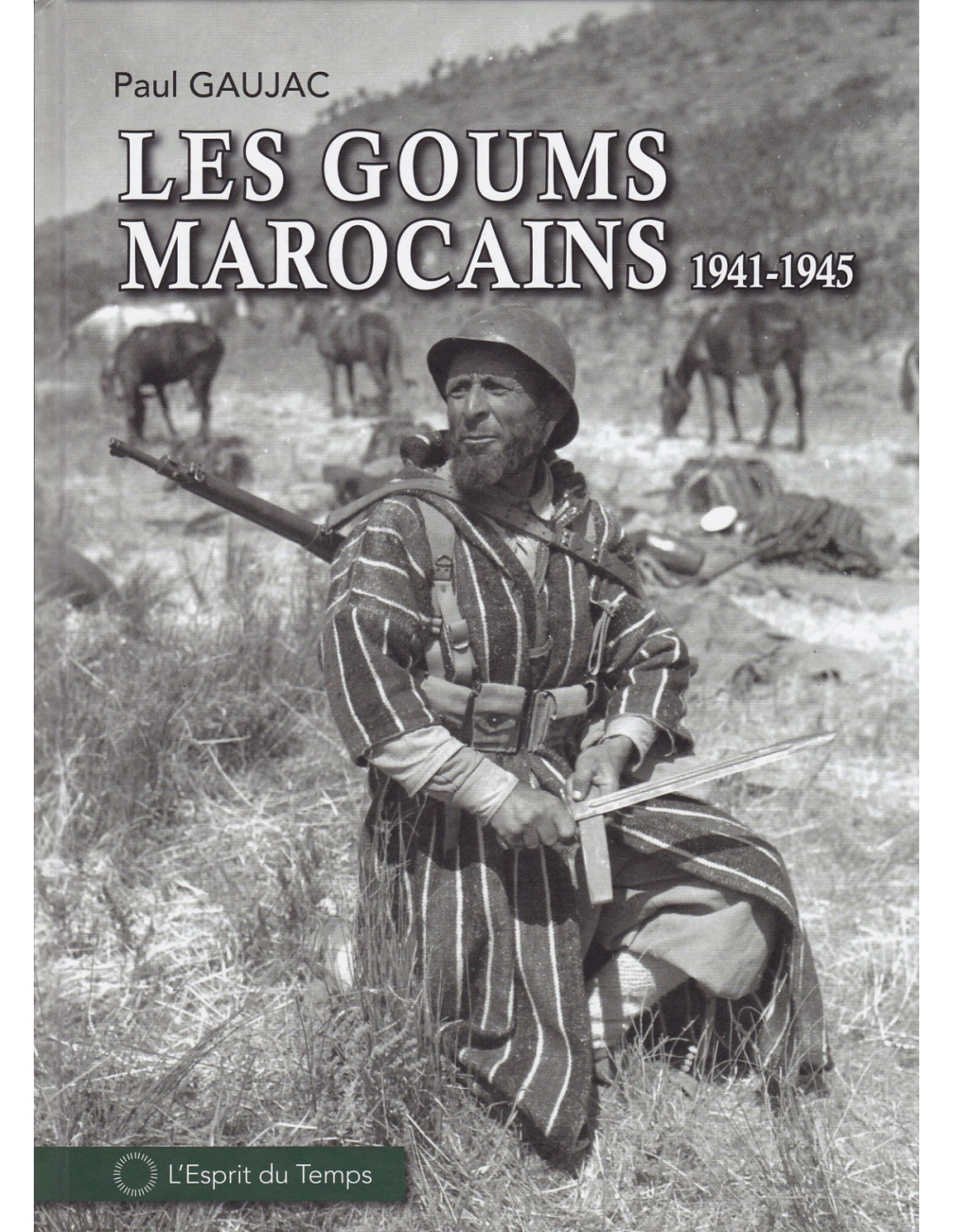
Colonel Gaujac shines a spotlight on the fighting, as well as the daily lives, of these valiant and too rarely cited soldiers. This work aims to associate them with the successes of French arms.
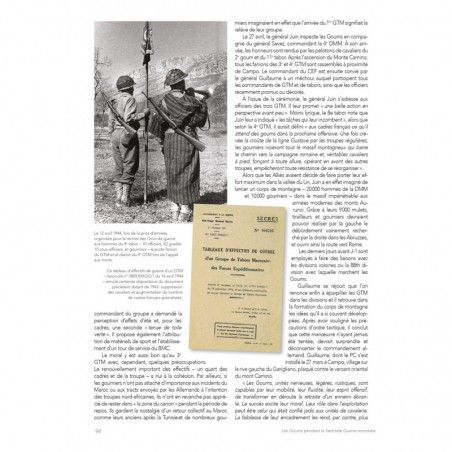
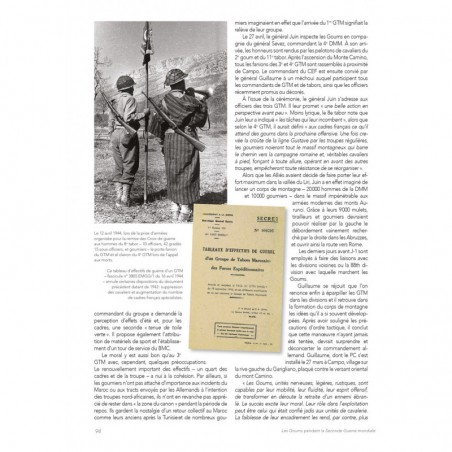
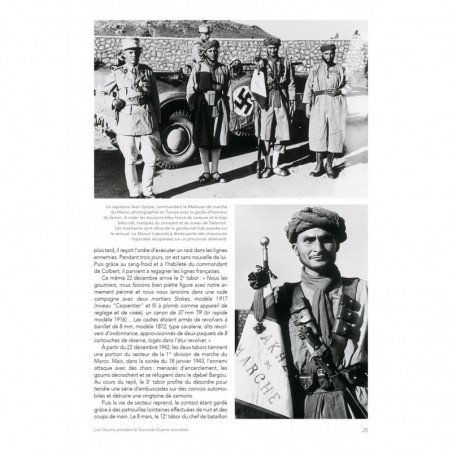
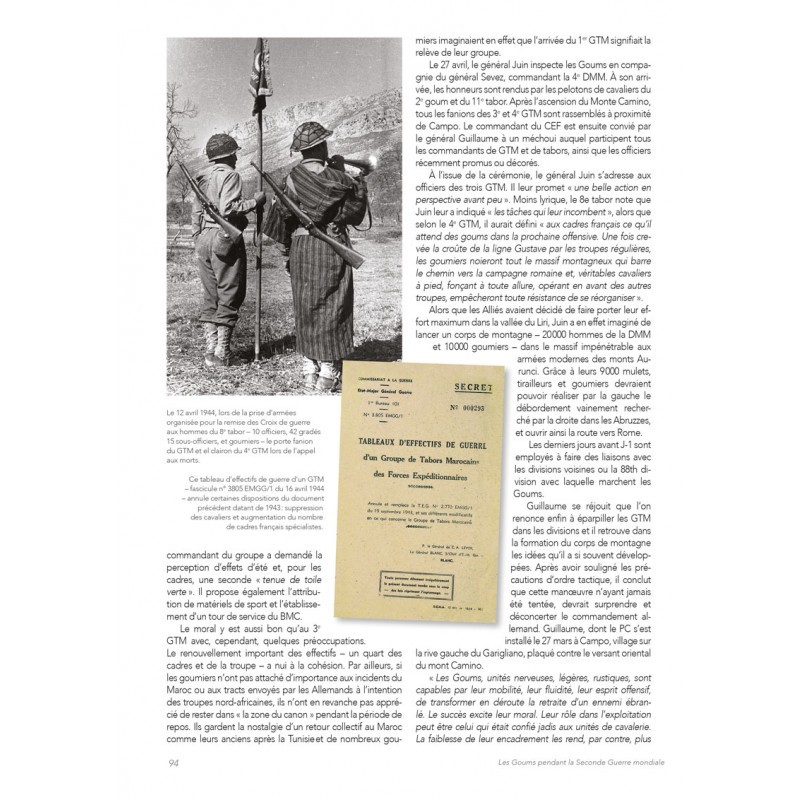
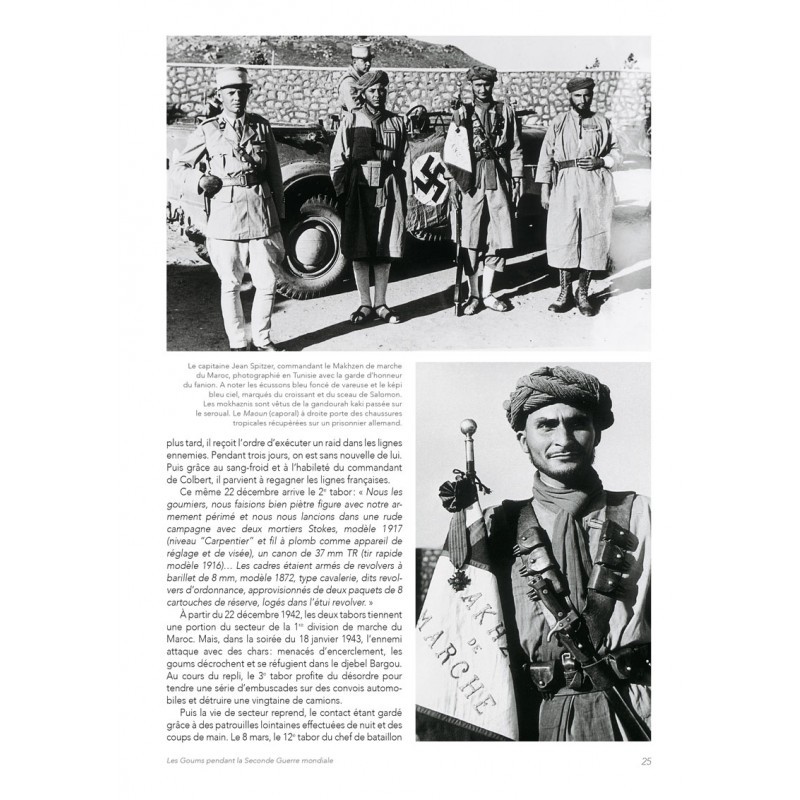
It was in Tunisia in 1943 that the Moroccan goumiers first appeared on the battlefields of the Second World War. The demands of the conflict meant that, having served as auxiliary forces maintaining order in Morocco, they became full soldiers participating in major set-piece battles. They immediately gained renown through the fear they inspired in their adversaries, but also through the coverage given to them by Allied war correspondents in search of the picturesque and the sensational.
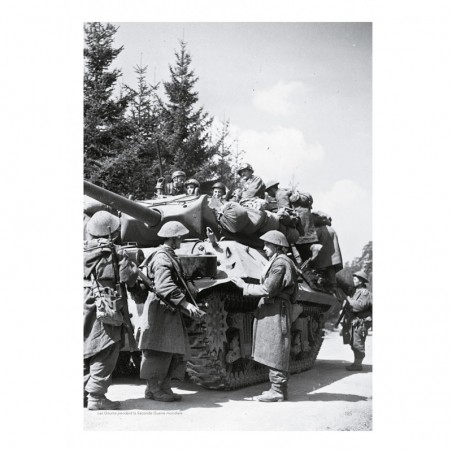
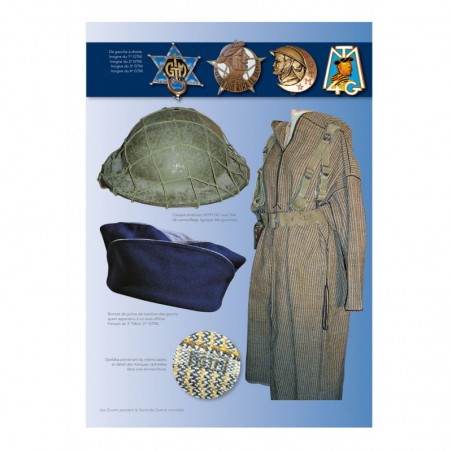
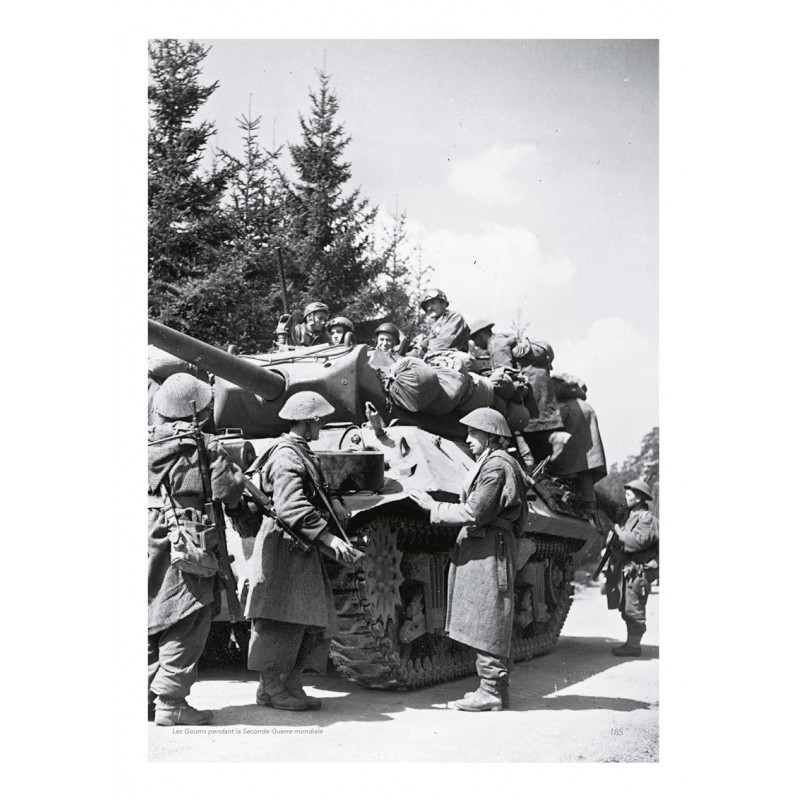
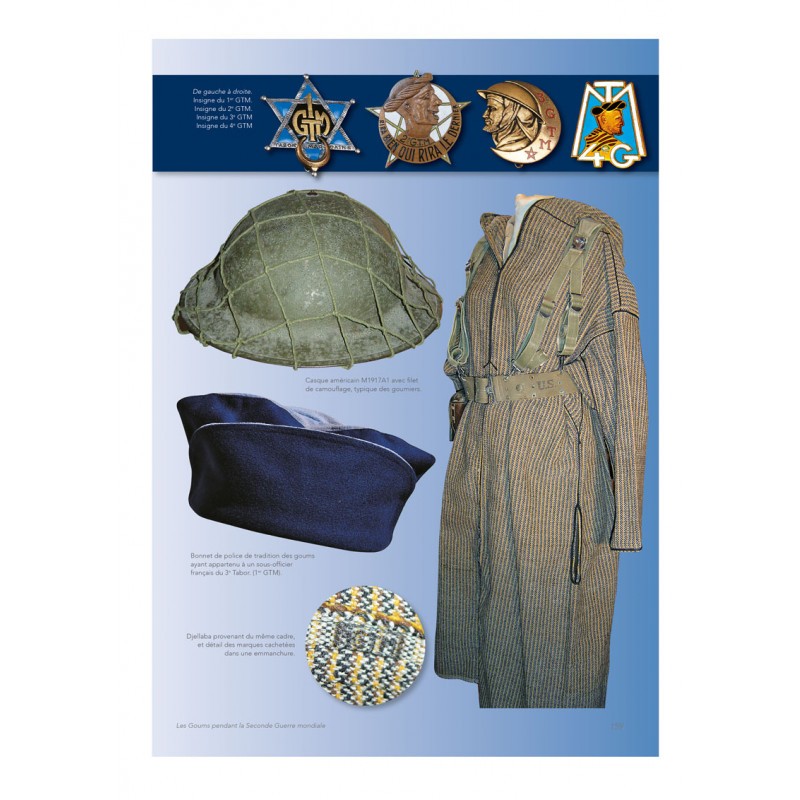
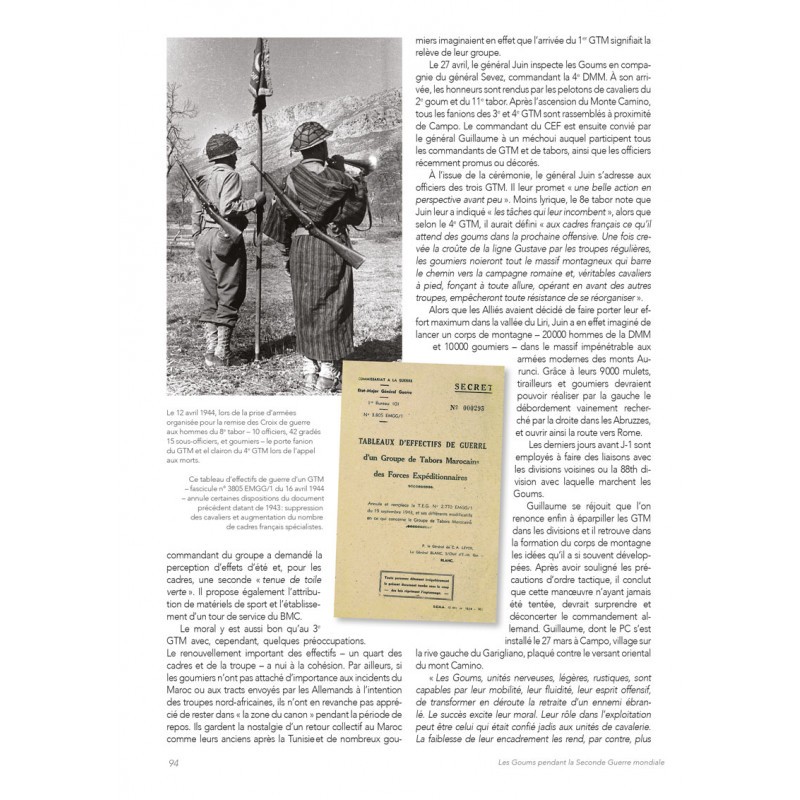
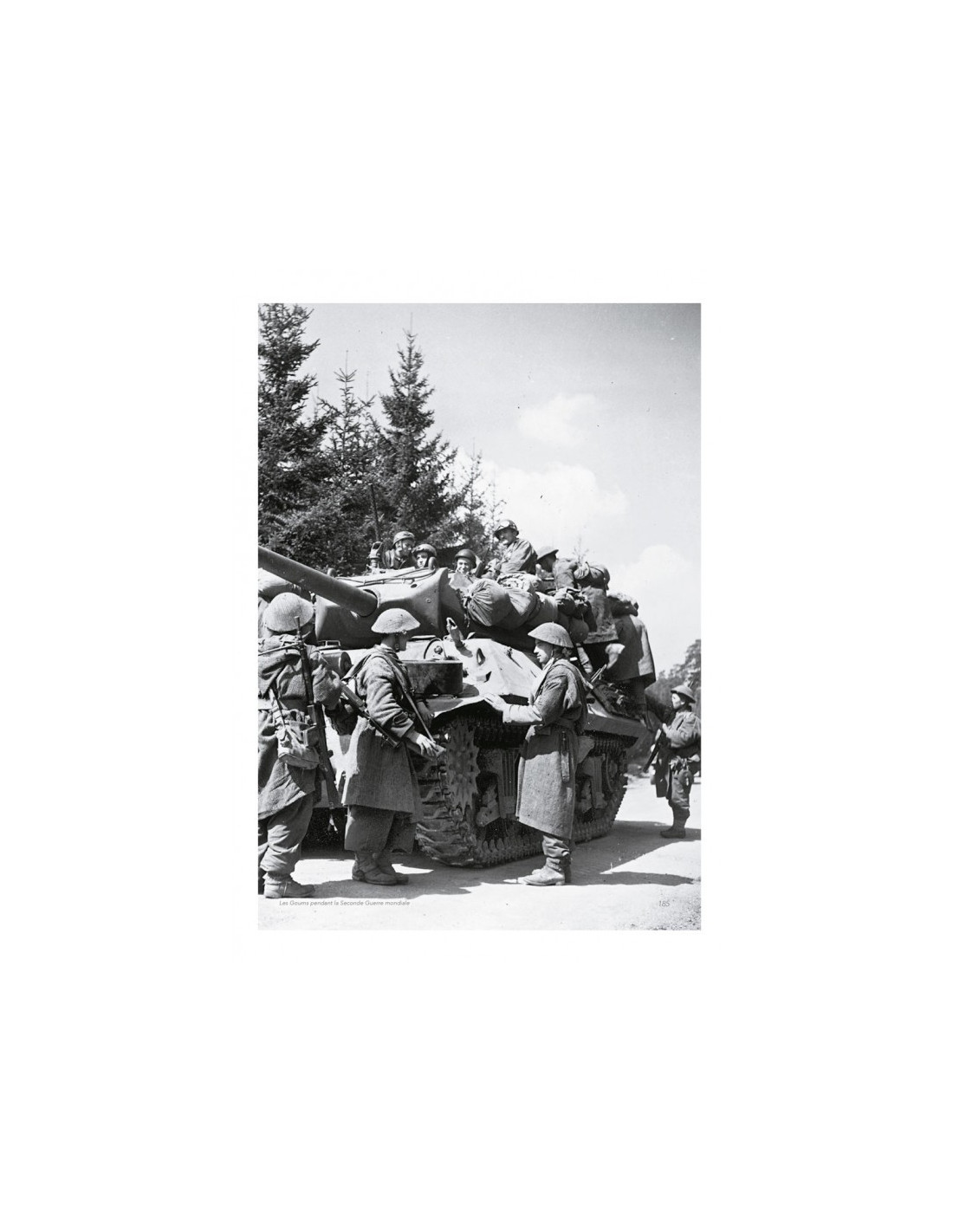
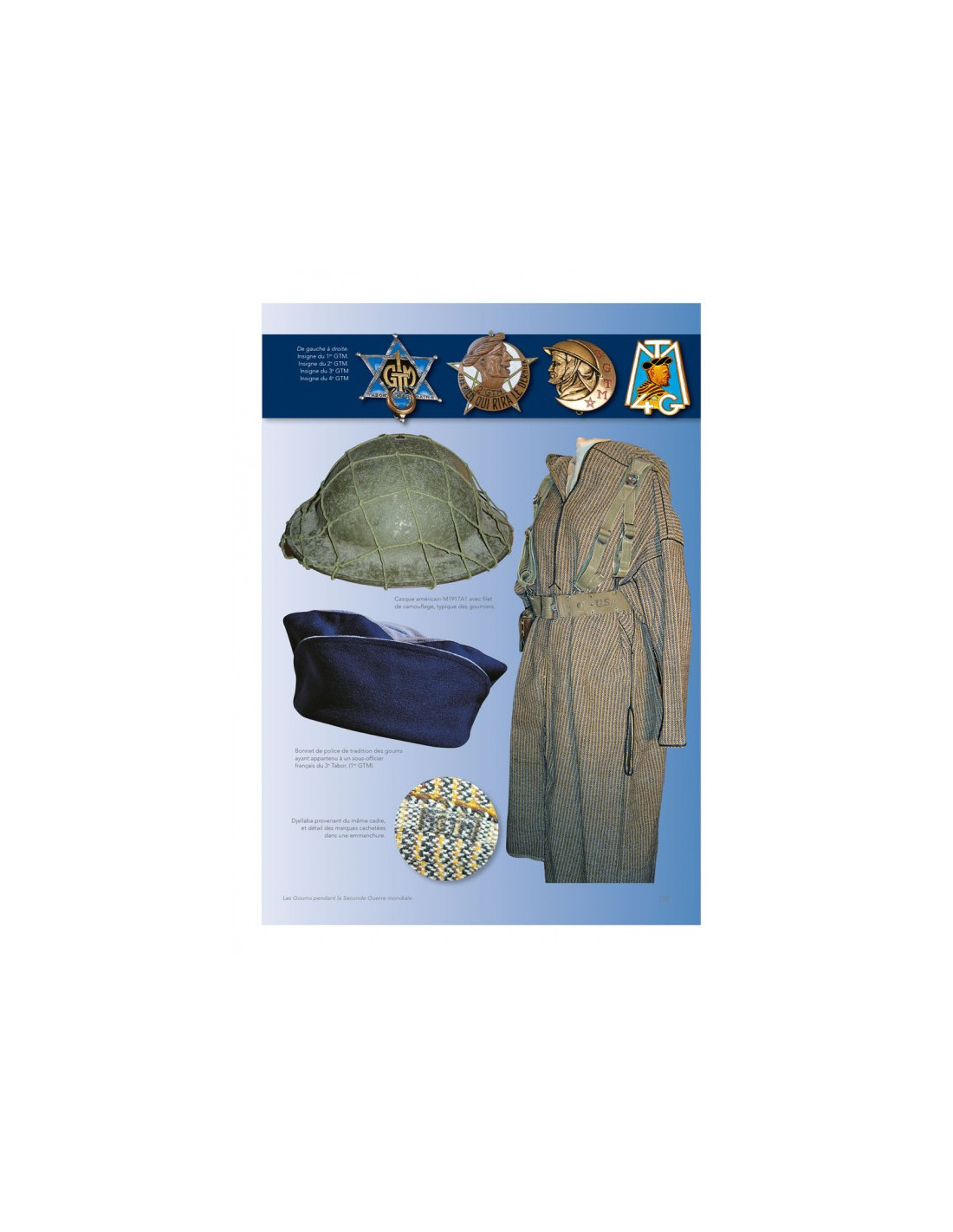
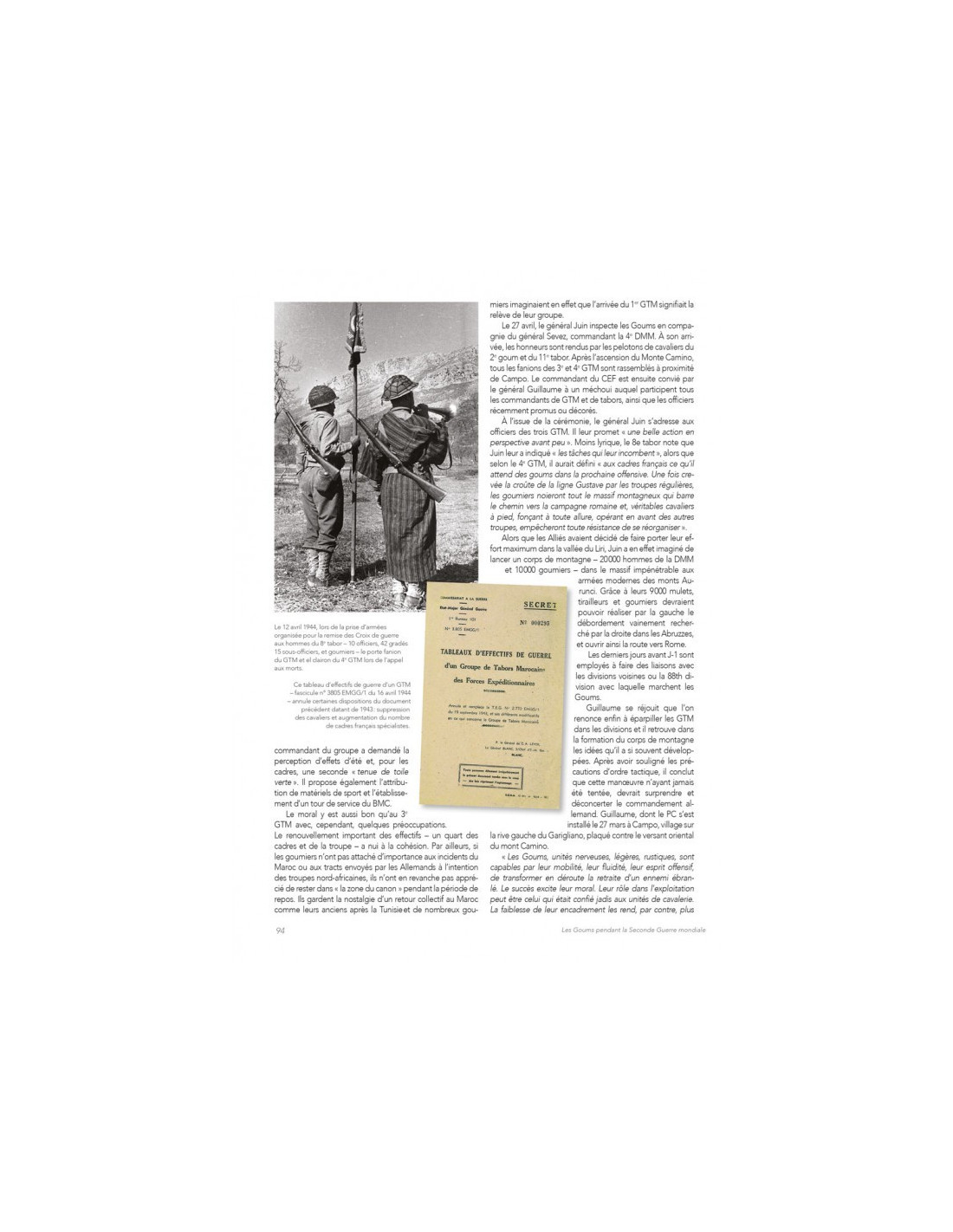
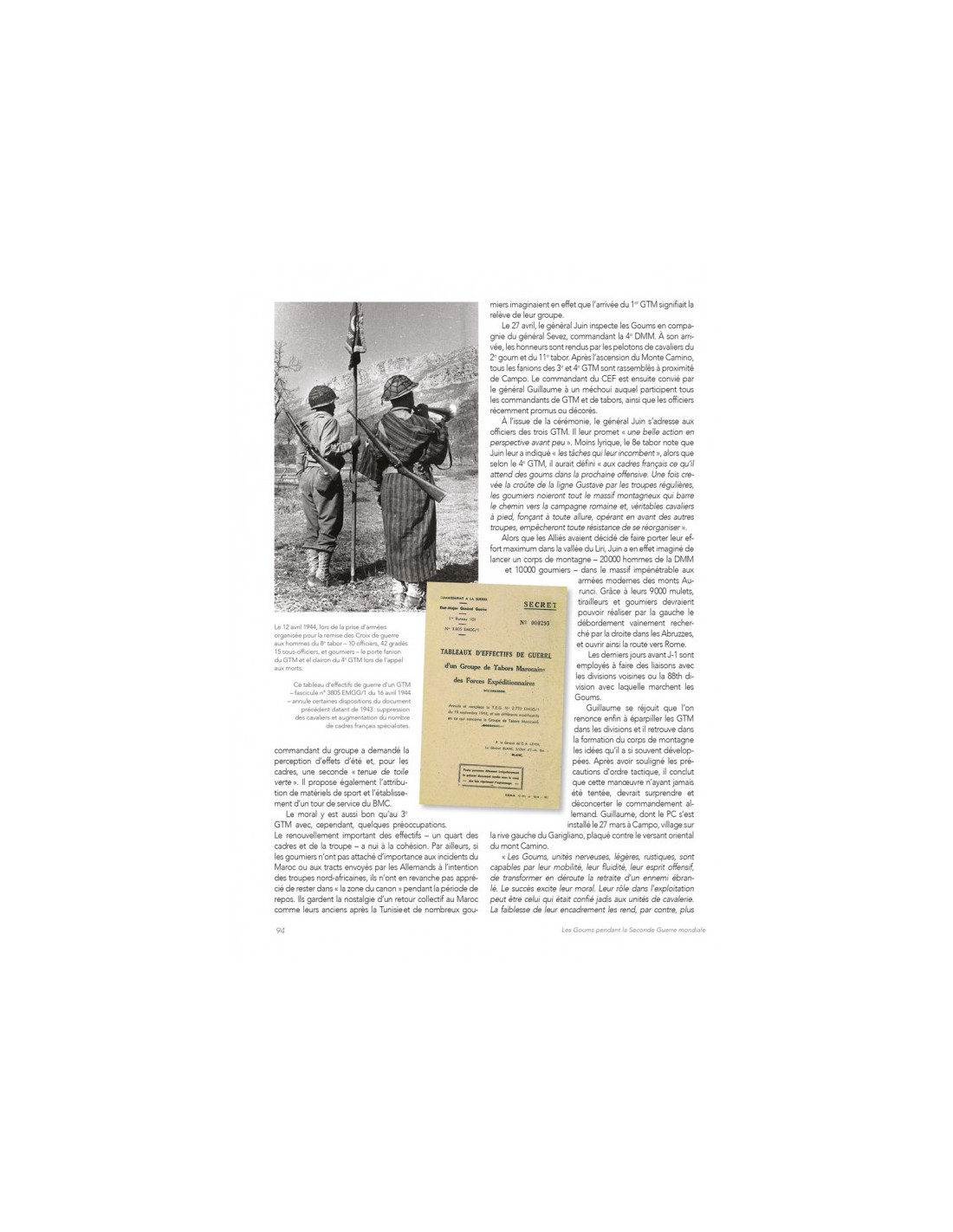
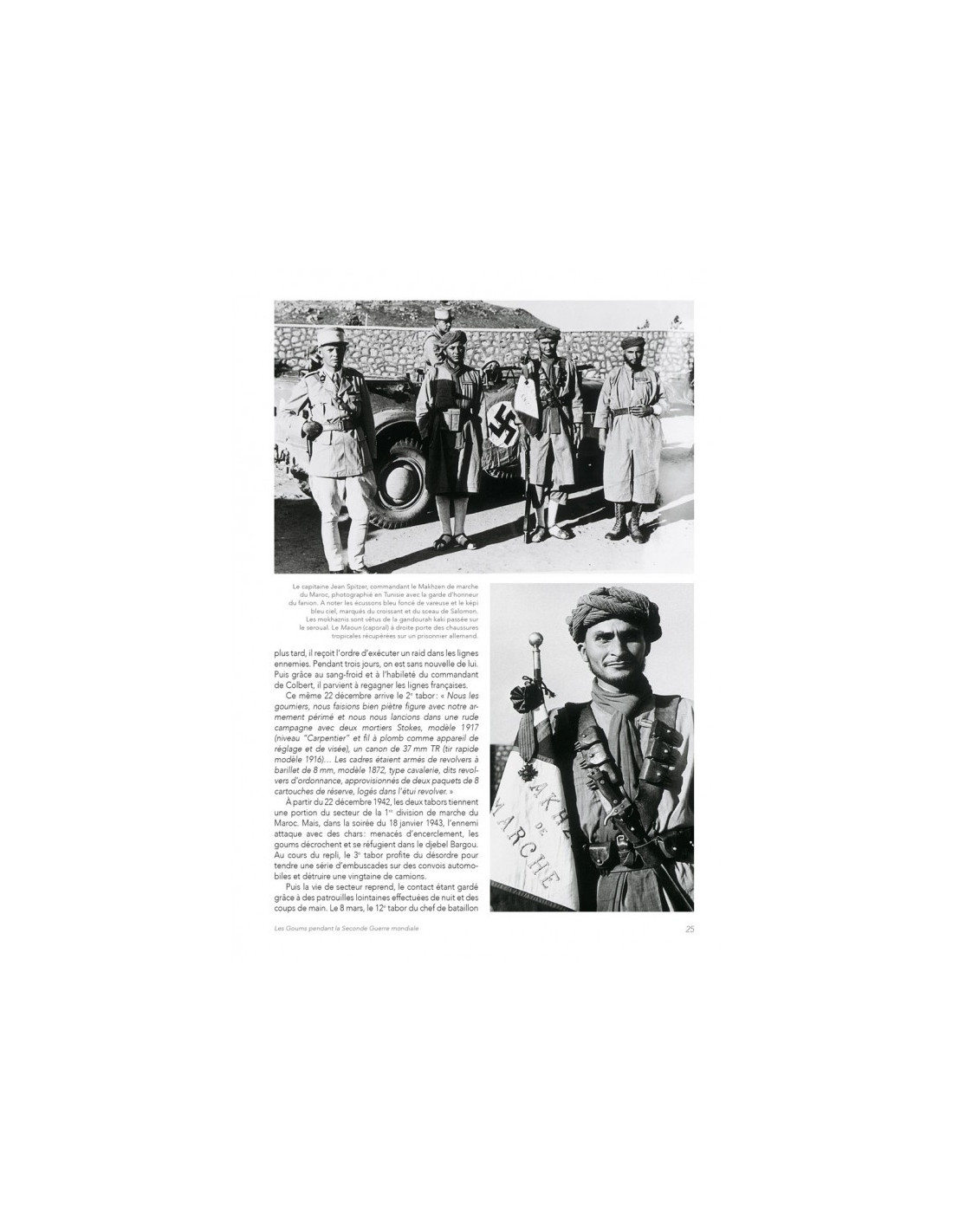
Although the history of the Moroccan Goums remains little known to the general public, it nonetheless serves as the backdrop to a human epic that is difficult to imagine today. To tell it required striking large-format photographs showing these men in combat and in their daily lives. The subject is worthy of it. These men, very few of whom knew France, ultimately died for her, out of loyalty to their officers and to the word they had given. They — goumiers, muleteers, cavalrymen, and the officers and non-commissioned officers who led them into battle — all, without distinction, deserve this tribute on the scale of that which Marseille accorded them in August 1944.
The author Paul Gaujac spent part of his childhood in Toulon, where he lived through the years of occupation and the days of liberation. A colonel and former director of the Service Historique de l'Armée de Terre, author of more than twenty works of military history including Le débarquement de Provence, La 3e DIA, de la Tunisie à Serval, Le Corps expéditionnaire français en Italie, and l'artillerie américaine de la Seconde Guerre mondiale, published by Lavauzelle or Histoire & Collections, he is one of the foremost specialists on the Second World War and, more particularly, on the French Army of the Liberation.