- SUMMER SALE 2026 Massive clearance
-
Bookshop
Publisher
- FORGOTTEN BATTLES HISTORICONE
- CARAKTERE
- EPOPÉES - SABRETACHE
- ETAI
- HEIMDAL
- LAVAUZELLE
- LES BELLES LETTRES
- HISTOIRE & COLLECTIONS
- LELA PRESSE
- L'ESCADRON EDITIONS
- NIMROD
- MARANES EDITIONS
- NUTS & BOLTS
- OREP
- OVERLORD PRESS
- PAQUET
- PIERRE DE TAILLAC
- PERRIN
- PEROTTI - PP CONCEPT
- REGI-ARM MEMORABILIA
- SERVICE HISTORIQUE DE LA DEFENSE (SHD)
- YSEC
Theme- 2ND ARMORED DIVISION
- ARMS & ARTILLERY
- AUTOMOBILIA
- AVIATION
- BATTLES
- BIOGRAPHIES
- DOCTRINES - GEOPOLITICS
- FORTIFICATIONS
- HISTORY
- SCALE MODELS
- NAVY
- MILITARIA
- FASHION, STYLE & CLOTHING
- RECIPES & COOKING
- REGIMENTAL
- RESISTANCE
- SECRET SERVICES & SPECIAL FORCES
- SURVIVAL - SELF DEFENSE - PREPAREDNESS
- UNIFORMS & EQUIPMENT
- CIVILIAN VEHICLES
- MILITARY VEHICLES
- CIVILIAN LIFE
-
Vintage Fashion
Other Brands
-
Second Hand
-
- Plein Air -
BAREBONES - Surplus
-
Gift
Cards - Blog
- Our Website
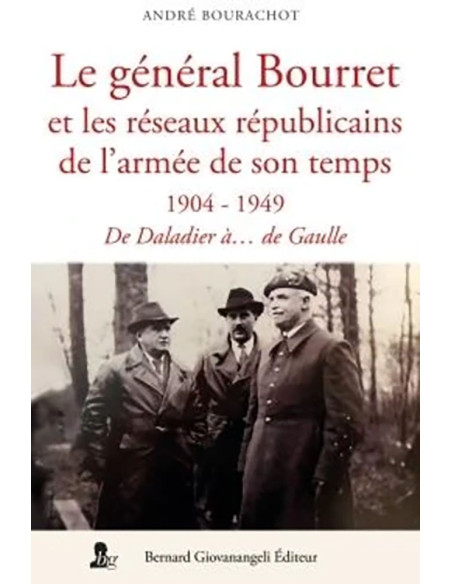
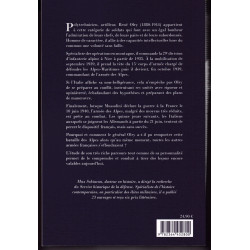
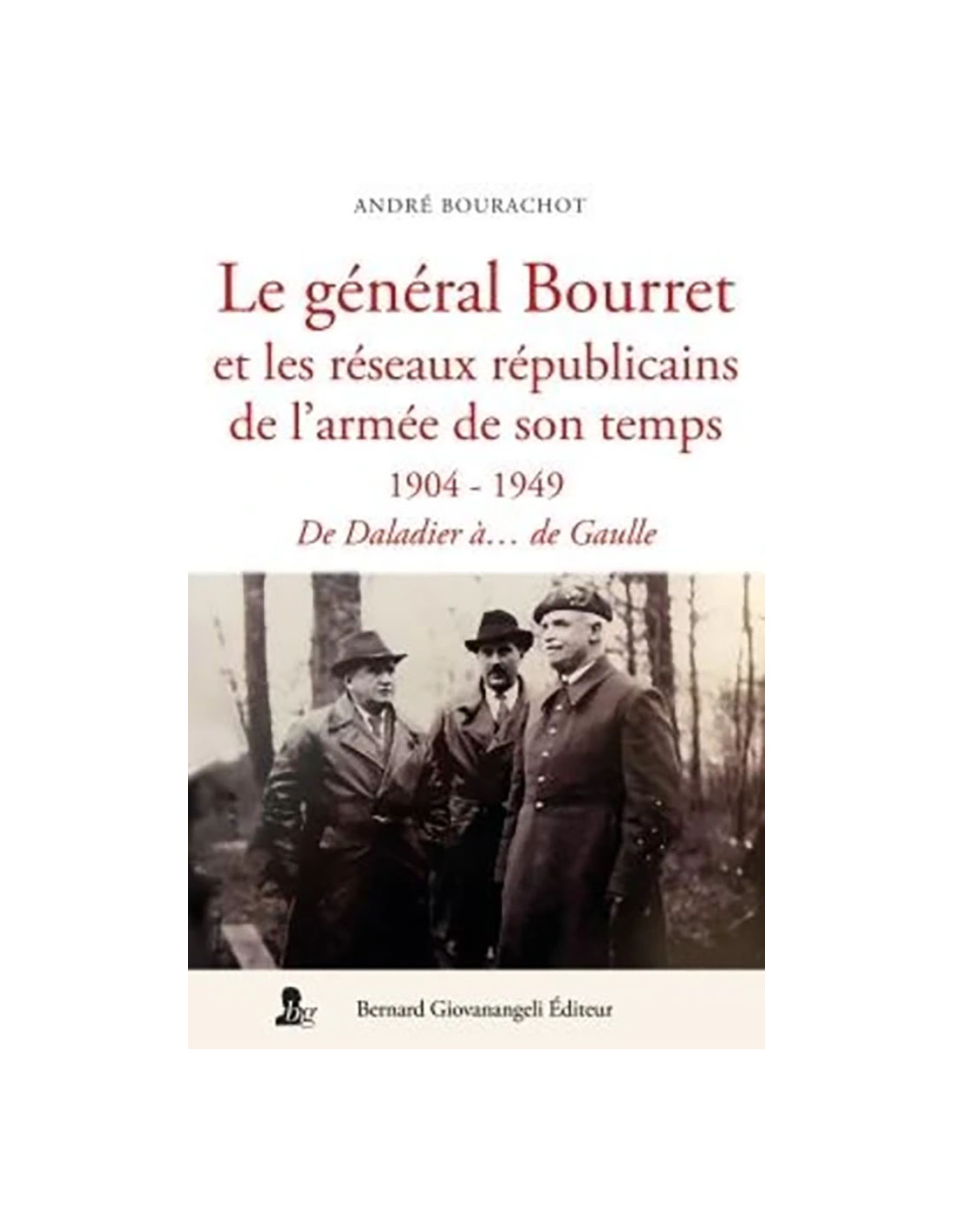
General Bourret and the Army Networks of His Time – 1904–1949 – From Daladier to… de Gaulle
General Bourret is one of the leading representatives of the military left between the two wars, both in the era of the Cartel (1924) and that of the Front Populaire (1936). Initiated into Freemasonry at an early age, he was continuously aided in his career by the powerful Masonic networks that were intrinsic to the Third Republic, networks reconstituted after the ordeal of the Great War. He was chosen by Presidents of the Council or Radical and Socialist War Ministers, including Édouard Daladier, as chief of their military cabinets.
He worked in perfect ideological harmony with them to promote the ideals of the republican left in the management of personnel and in the defensive options at the strategic level. In 1940, he commanded the 5th Army stationed in Alsace behind the Maginot Line. It disappeared in the defeat having fought little, and he himself was held captive in Germany for five years.
He would nonetheless remain faithful to his pre-war opinions and would often be unable to distance himself from those friends who had committed to collaboration with the Reich. These republican networks did not, however, always exclude men associated with the right, such as de Lattre or de Gaulle. But defeat would sharpen the divisions. Certain individuals within these networks would tip into collaboration — tacit or acknowledged — with Germany.
Others, at the Liberation, would embody the repression of that same collaboration without themselves having been members of the Resistance. The paths of ideologues, whatever their persuasion, are always tortuous. But beyond the individual destinies at stake, this study offers a portrait of a French army pulled in opposing directions by politicians and military men of conflicting ideologies. It would fail to protect itself from them and would sink with them in 1940.
Secure Payment
Delivery
(+33) 01.79.75.05.50
You might also like