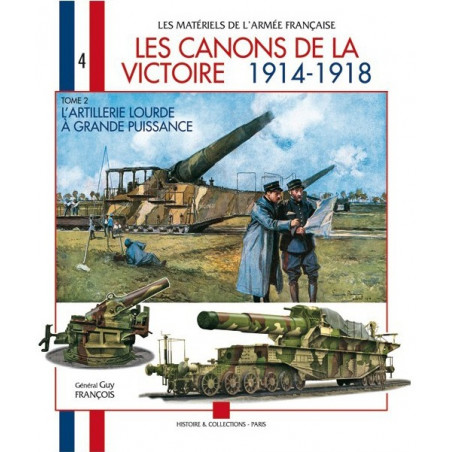
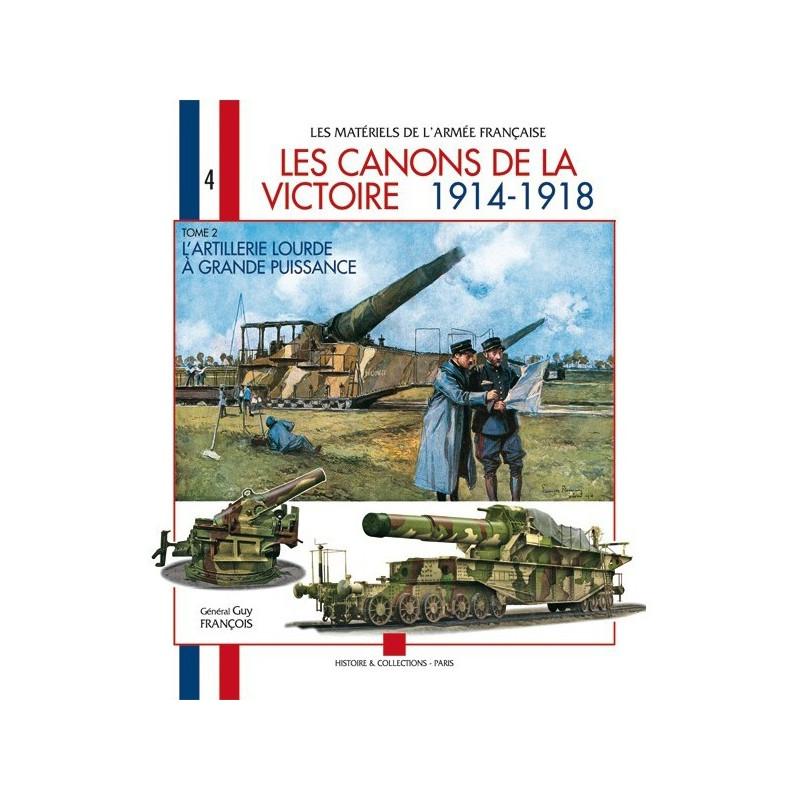
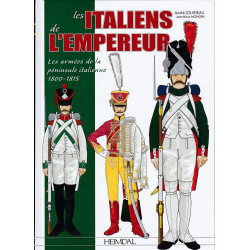
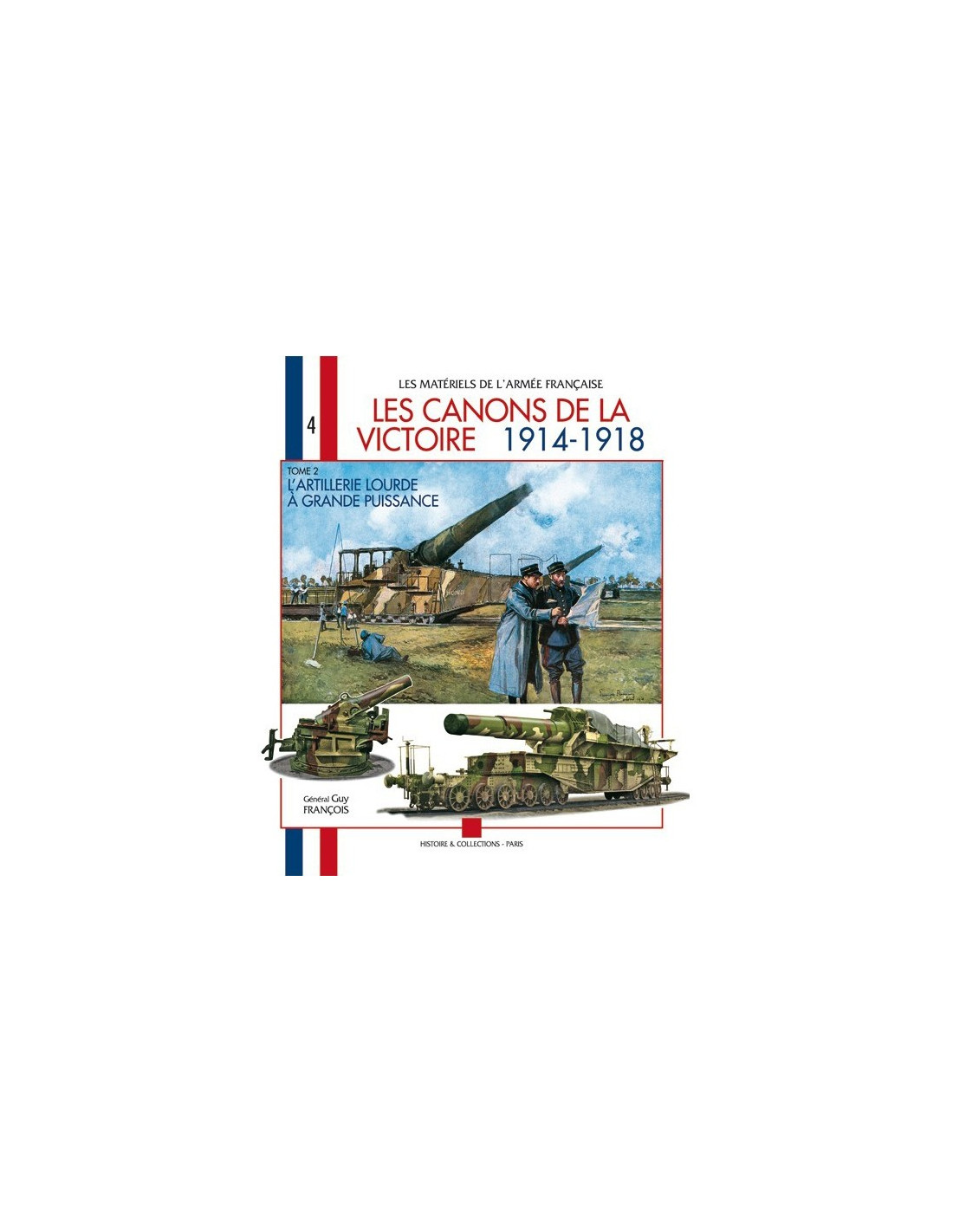
THE GUNS OF VICTORY 1914–1918. VOLUME 2
With the new and monstrous form taken by the war that began "with a flower in the rifle barrel" on 2 August 1914, both sides developed over four years a formidable artillery of very large calibre.
Secure Payment
Delivery
(+33) 01.79.75.05.50
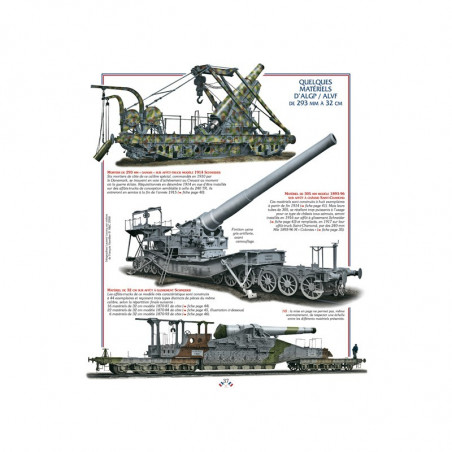
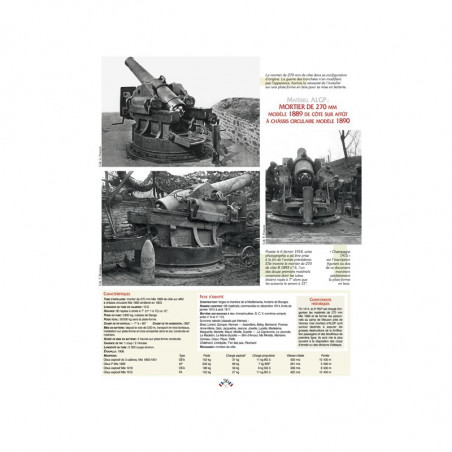
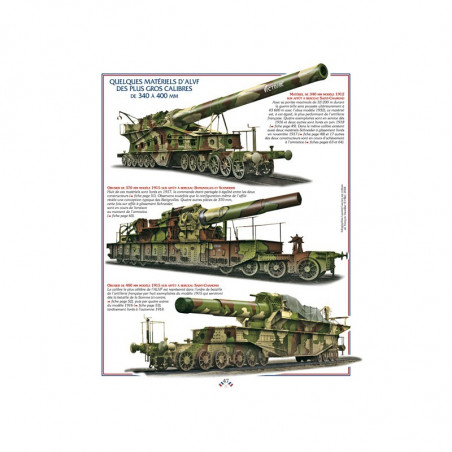
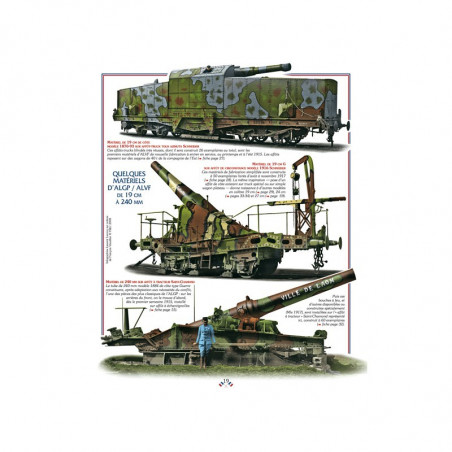
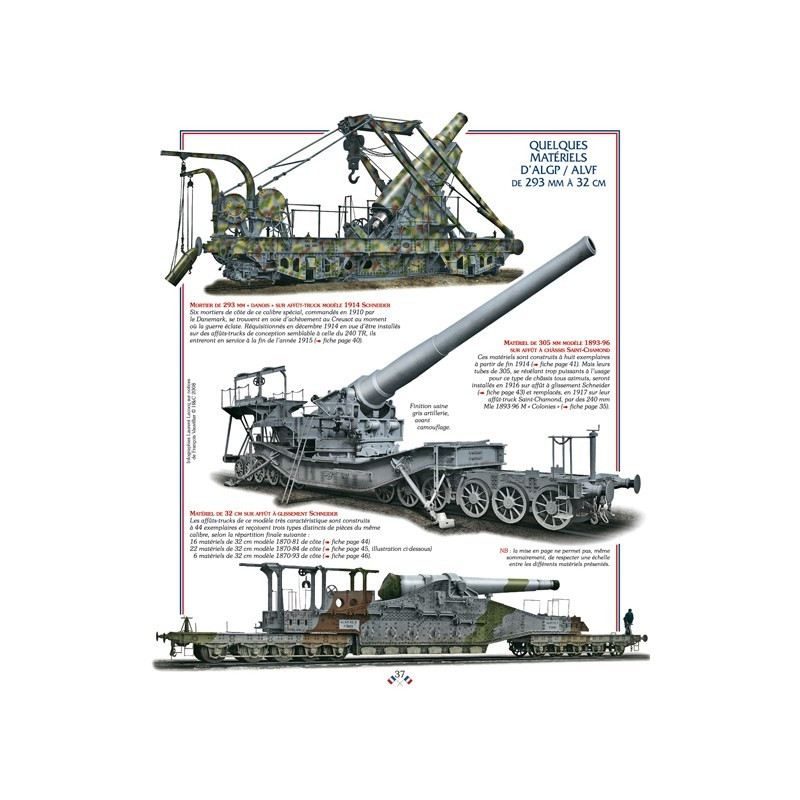
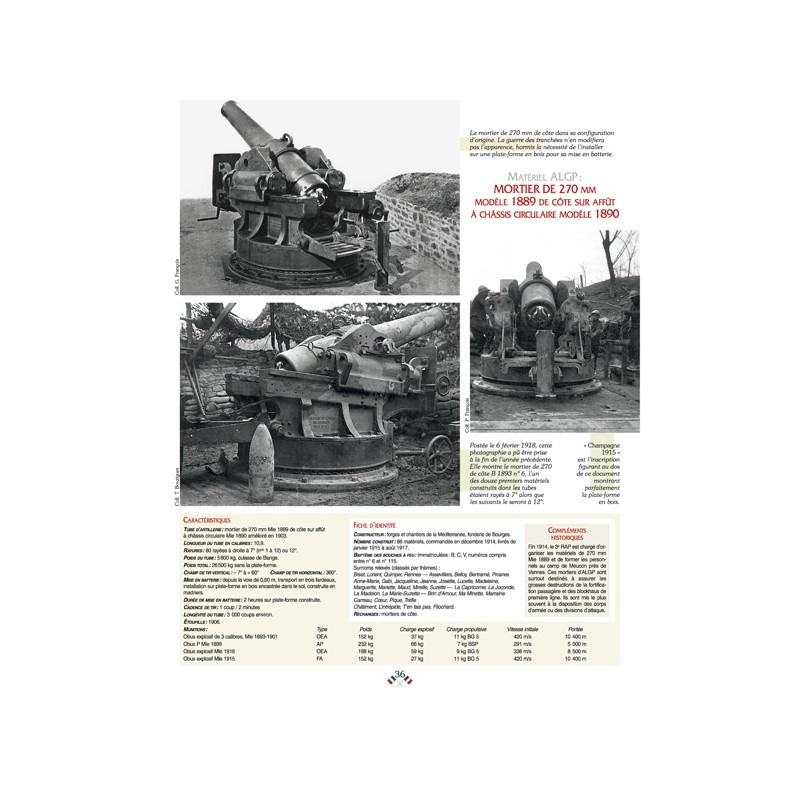
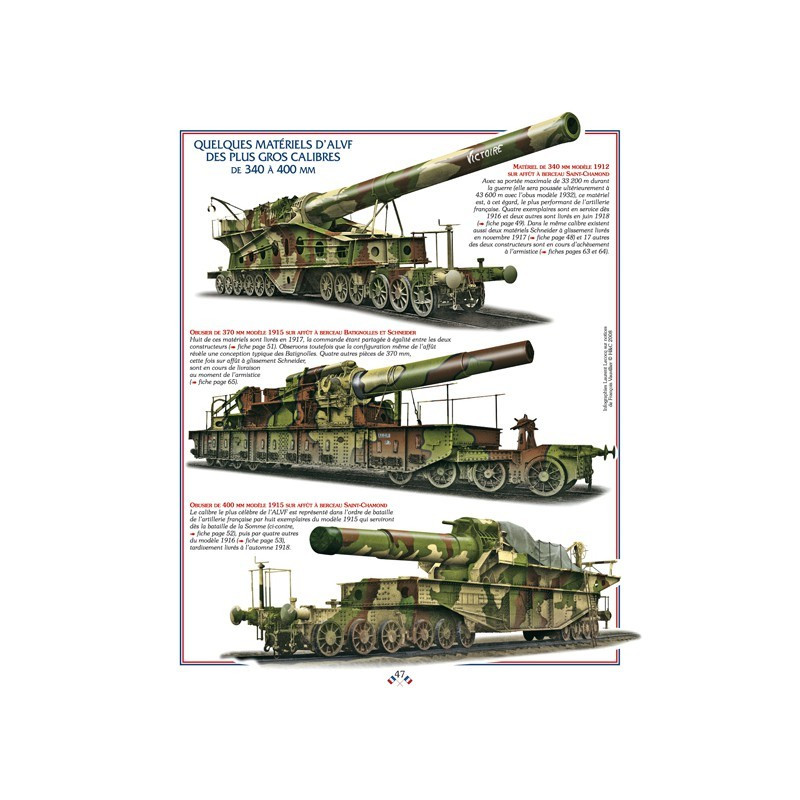
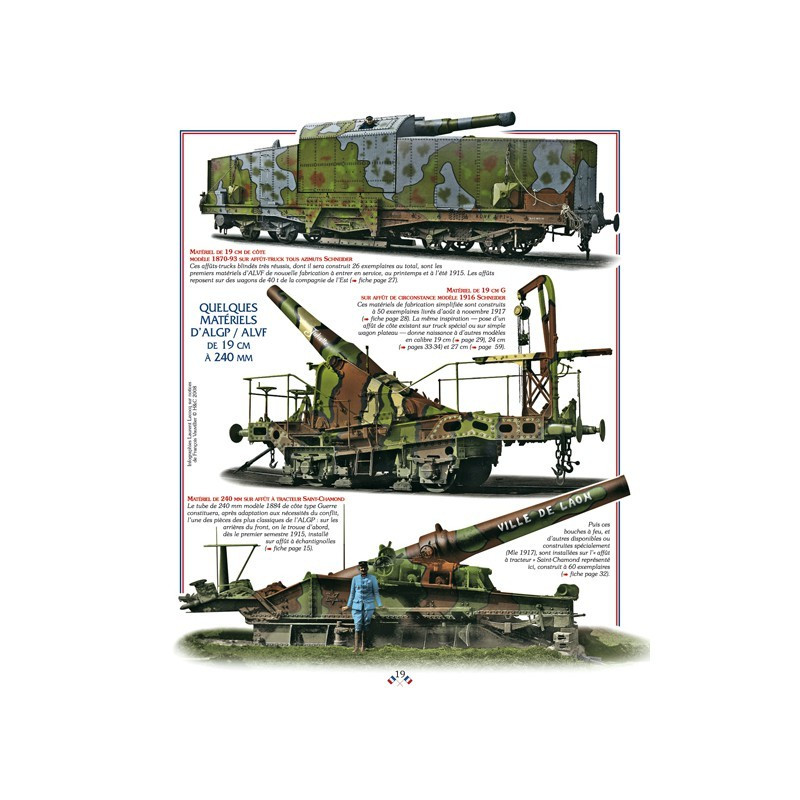
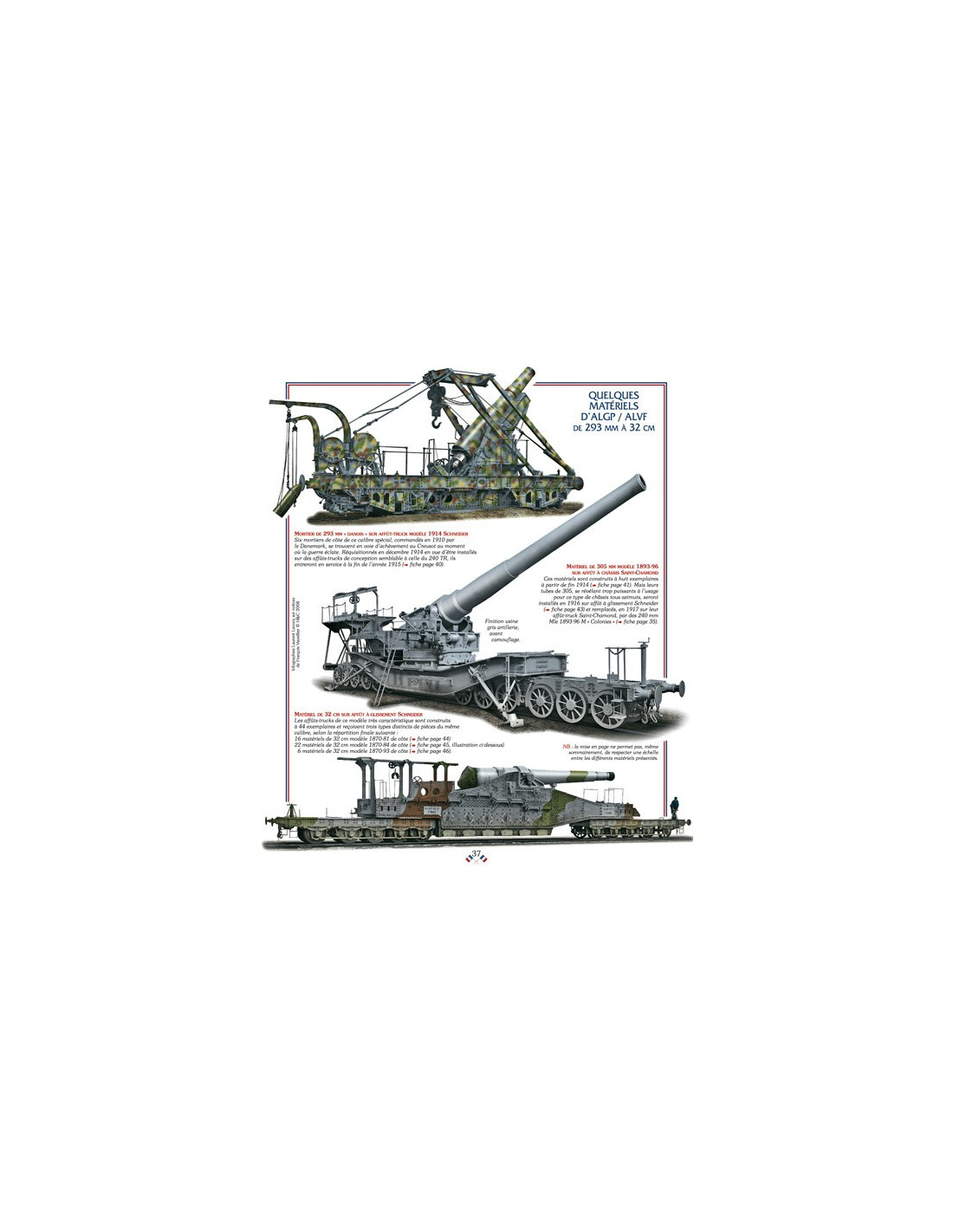
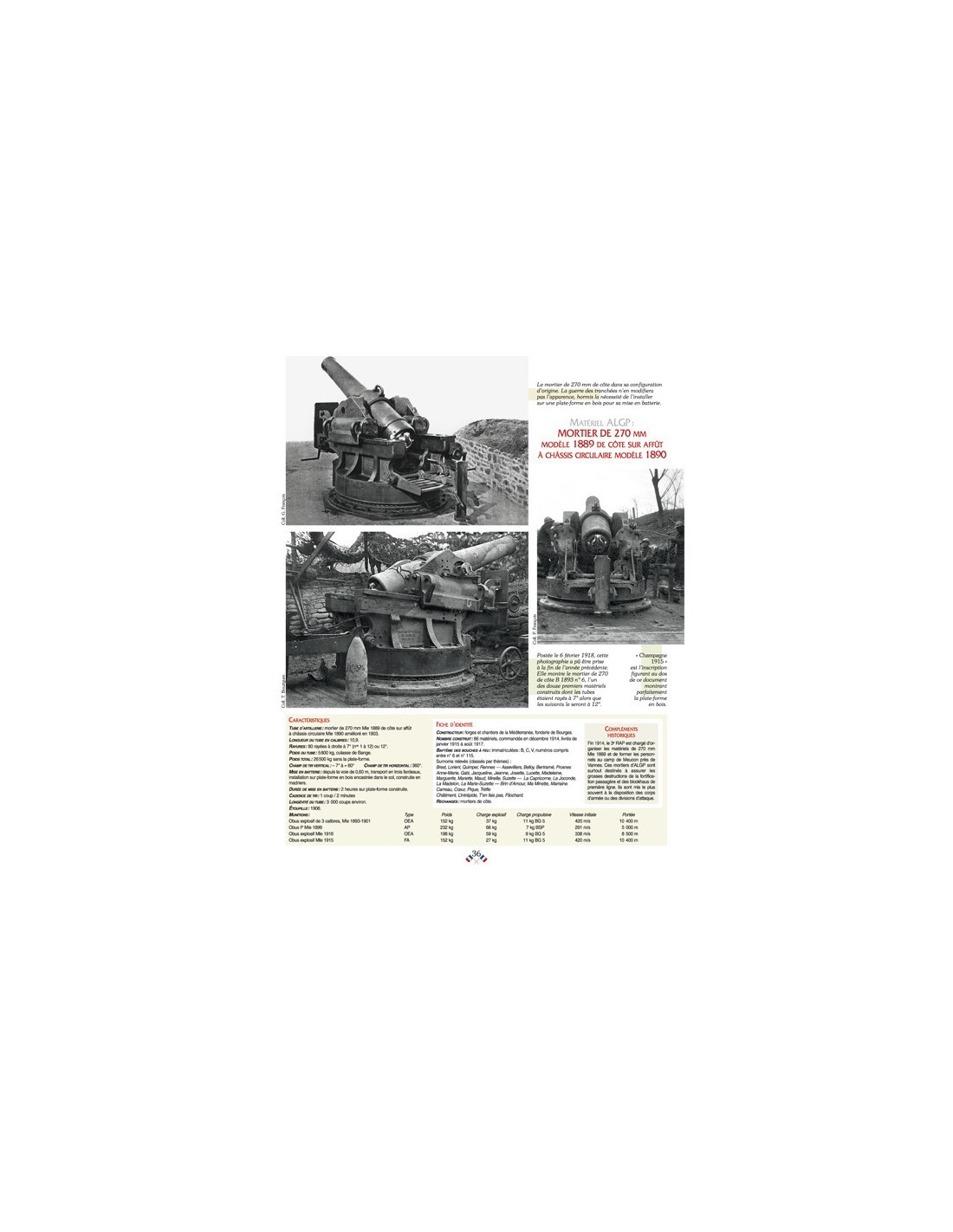
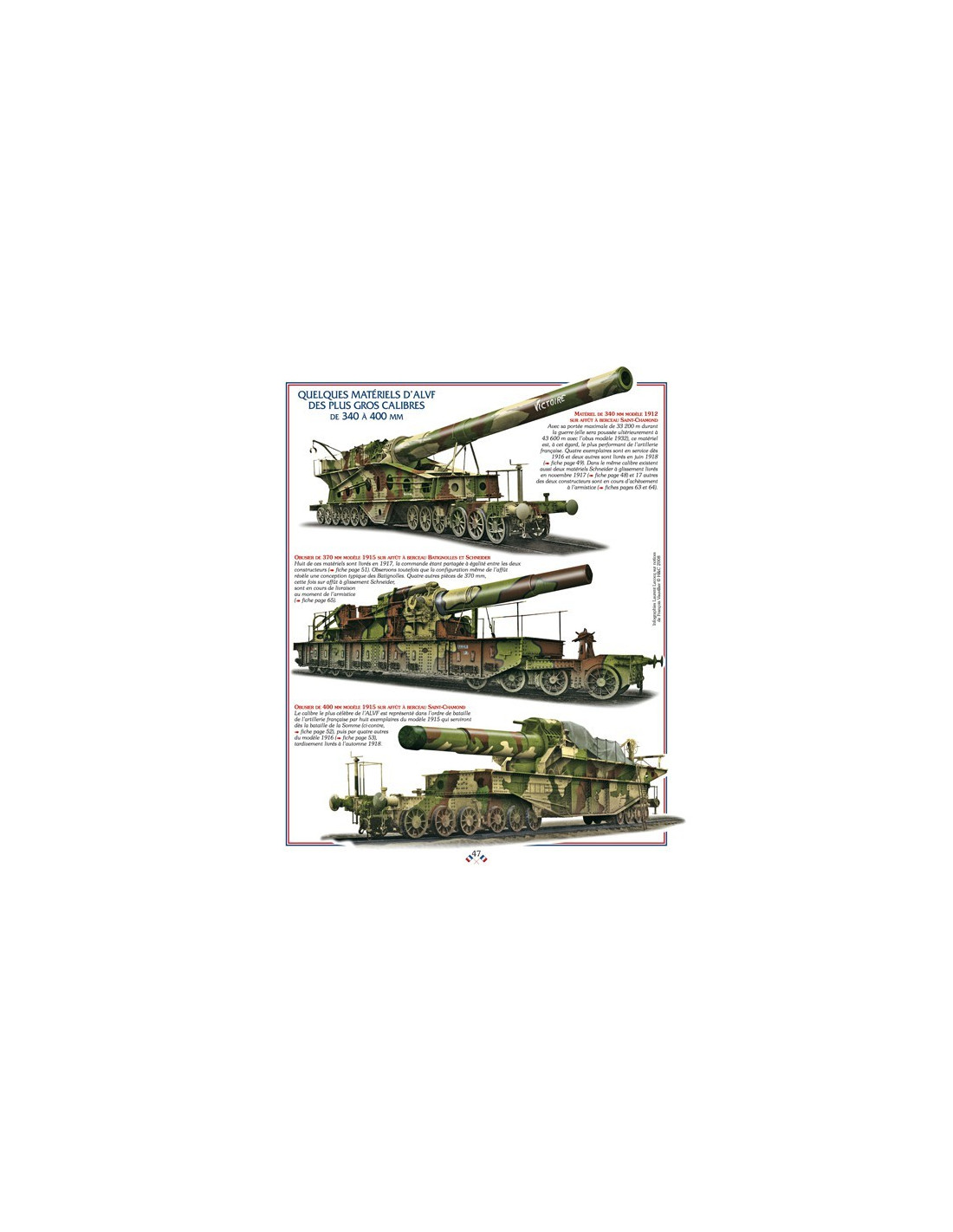
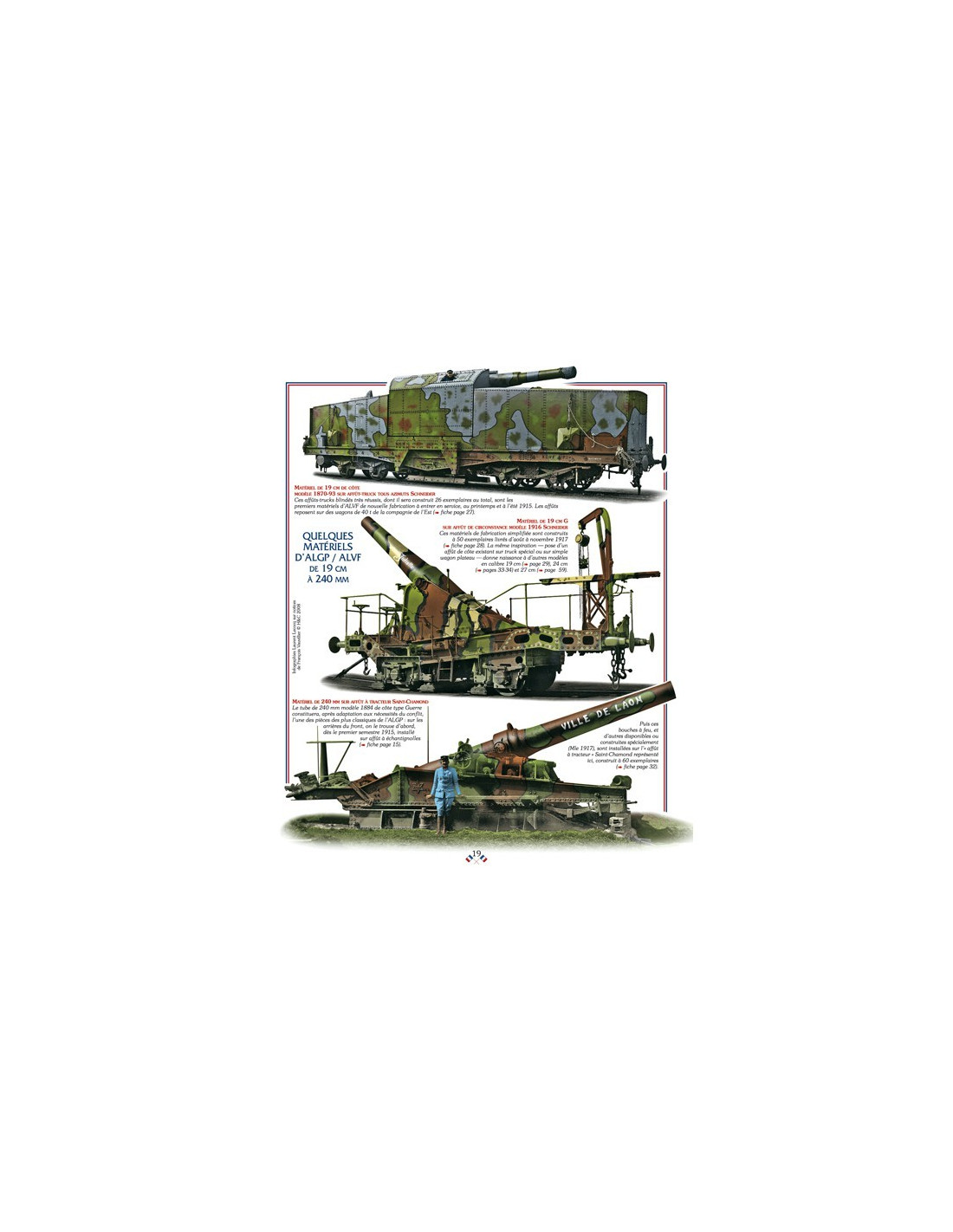
In this race towards gigantism, France had fallen behind and would be forced to catch up at a forced march. The first heavy artillery resources intended to support our Poilus deep in the trenches were supplied as early as the end of 1914 by the navy, which landed, or mounted on barges and river gunboats, pieces of 100 mm, 14, 16, 19 and 24 cm. The coastal artillery also provided similar resources in ordnance, but adapting these naval and coastal guns to positional warfare on land required the development of special mountings, the majority of which used an appropriate support: the rail. Thus was born a powerful heavy railway artillery (ALVF), mounted on impressive truck-carriages which, numbering several hundred by 1918, would be the instruments of a deluge of steel. This concise and well-structured volume reviews some 49 different pieces of this type, from the modest 95 mm coastal gun mounted on an armoured wagon to the imposing 340, 370 and 400 mm pieces, not forgetting the largest of all, the 520 mm howitzer model 1916 — 265 tonnes on rail — whose shell alone weighed more than 1,600 kg. 115 photographs and period documents — 49 technical data sheets — 12 colour silhouettes by Laurent Lecocq
- Author 1
- Guy François
- Publication date
- May 5, 2015
- Pages
- 84
- Language
- French
- Publisher
- HISTORY & COLLECTIONS