- SUMMER SALE 2026 Massive clearance
-
Bookshop
Publisher
- FORGOTTEN BATTLES HISTORICONE
- CARAKTERE
- EPOPÉES - SABRETACHE
- ETAI
- HEIMDAL
- LAVAUZELLE
- LES BELLES LETTRES
- HISTOIRE & COLLECTIONS
- LELA PRESSE
- L'ESCADRON EDITIONS
- NIMROD
- MARANES EDITIONS
- NUTS & BOLTS
- OREP
- OVERLORD PRESS
- PAQUET
- PIERRE DE TAILLAC
- PERRIN
- PEROTTI - PP CONCEPT
- REGI-ARM MEMORABILIA
- SERVICE HISTORIQUE DE LA DEFENSE (SHD)
- YSEC
Theme- 2ND ARMORED DIVISION
- ARMS & ARTILLERY
- AUTOMOBILIA
- AVIATION
- BATTLES
- BIOGRAPHIES
- DOCTRINES - GEOPOLITICS
- FORTIFICATIONS
- HISTORY
- SCALE MODELS
- NAVY
- MILITARIA
- FASHION, STYLE & CLOTHING
- RECIPES & COOKING
- REGIMENTAL
- RESISTANCE
- SECRET SERVICES & SPECIAL FORCES
- SURVIVAL - SELF DEFENSE - PREPAREDNESS
- UNIFORMS & EQUIPMENT
- CIVILIAN VEHICLES
- MILITARY VEHICLES
- CIVILIAN LIFE
-
Vintage Fashion
Other Brands
-
Second Hand
-
- Plein Air -
BAREBONES - Surplus
-
Gift
Cards - Blog
- Our Website
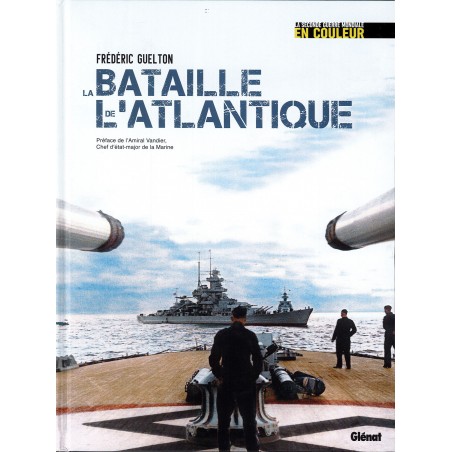
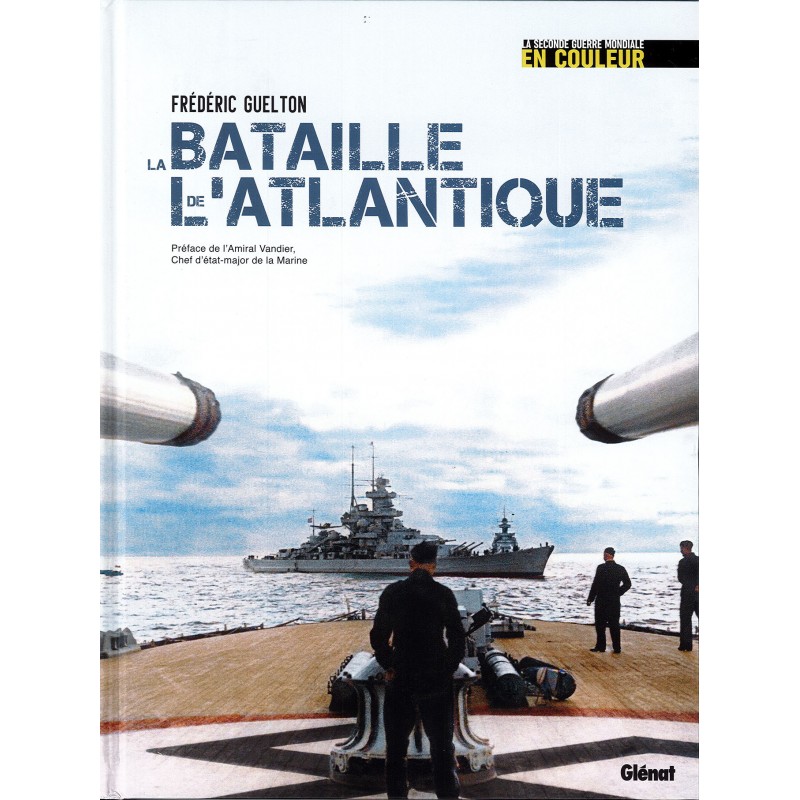
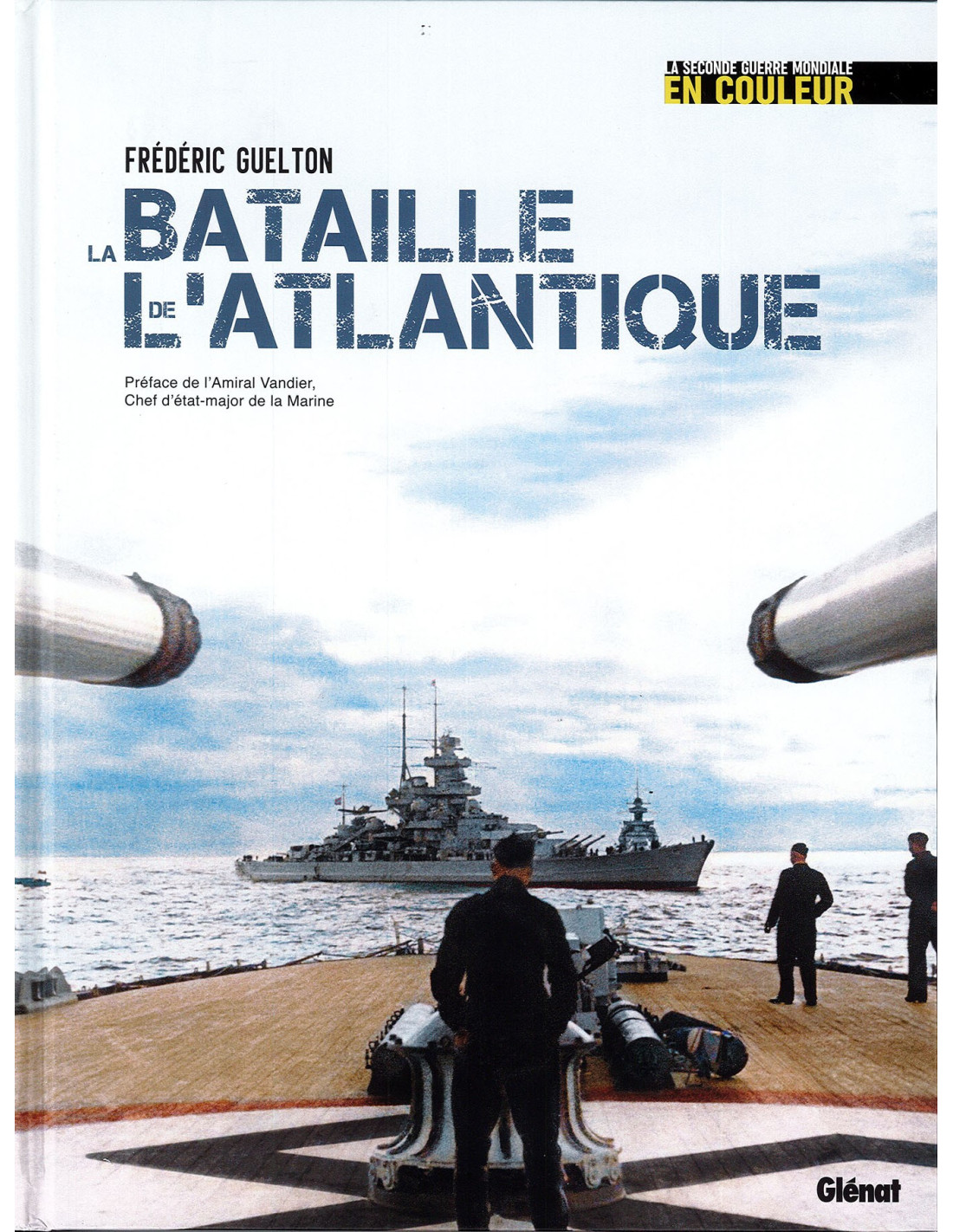
THE BATTLE OF THE ATLANTIC - World War II in Colour
The Battle of the Atlantic was, from September 1939 to May 1945, the longest battle of the entire Second World War.
It was also, and remains, the least known. No ruins left by the bombing, no makeshift graves for the sailors, no visible destruction, no scars. Only the ocean. An Atlantic Ocean that was one of the major stakes of the war for both adversaries.
Control of it was, for both the Axis and the Allies, a necessary condition of victory. They were well aware of this. From 1939 onwards, Churchill did everything in his power to keep open all the sea lanes that allowed the United Kingdom to remain in the war and the British population to survive by being supplied and simply fed. And for more than two years, the British Navy — both Royal and Merchant — suffered greatly.
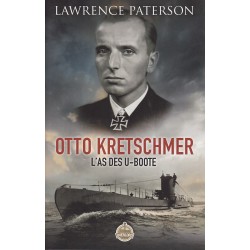
German submarines — the famous U-Boote — along with their surface raiders, sank hundreds of British and Allied vessels. Yet, unlike the British, the majority of Germany's leaders, Hitler foremost among them, were reluctant to give priority to the naval war. By the time they recognised their mistake, it was too late. The German submariners, bold as they were, had been outpaced by the productive capacity of American and British shipyards, by the rapid advances in their technology, and by the boldness, equal to their own, of the Allied sailors.
By mid-1943, the tide of victory at sea had begun to turn in favour of the Allies, thanks to the Liberty ships bringing men, weapons and materiel to British shores without which the landings in North Africa and then in Normandy would have been impossible.
Thus it was that, on one of the war's greatest battlefields — the Atlantic Ocean, from the shores of Iceland to the Falkland Islands — one of the greatest battles of the Second World War was fought for nearly six years.
Secure Payment
Delivery
(+33) 01.79.75.05.50
You might also like