- SUMMER SALE 2026 Massive clearance
-
Bookshop
Publisher
- FORGOTTEN BATTLES HISTORICONE
- CARAKTERE
- EPOPÉES - SABRETACHE
- ETAI
- HEIMDAL
- LAVAUZELLE
- LES BELLES LETTRES
- HISTOIRE & COLLECTIONS
- LELA PRESSE
- L'ESCADRON EDITIONS
- NIMROD
- MARANES EDITIONS
- NUTS & BOLTS
- OREP
- OVERLORD PRESS
- PAQUET
- PIERRE DE TAILLAC
- PERRIN
- PEROTTI - PP CONCEPT
- REGI-ARM MEMORABILIA
- SERVICE HISTORIQUE DE LA DEFENSE (SHD)
- YSEC
Theme- 2ND ARMORED DIVISION
- ARMS & ARTILLERY
- AUTOMOBILIA
- AVIATION
- BATTLES
- BIOGRAPHIES
- DOCTRINES - GEOPOLITICS
- FORTIFICATIONS
- HISTORY
- SCALE MODELS
- NAVY
- MILITARIA
- FASHION, STYLE & CLOTHING
- RECIPES & COOKING
- REGIMENTAL
- RESISTANCE
- SECRET SERVICES & SPECIAL FORCES
- SURVIVAL - SELF DEFENSE - PREPAREDNESS
- UNIFORMS & EQUIPMENT
- CIVILIAN VEHICLES
- MILITARY VEHICLES
- CIVILIAN LIFE
-
Vintage Fashion
Other Brands
-
Second Hand
-
- Plein Air -
BAREBONES - Surplus
-
Gift
Cards - Blog
- Our Website
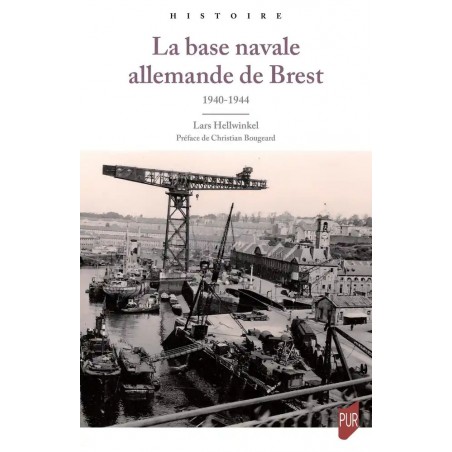
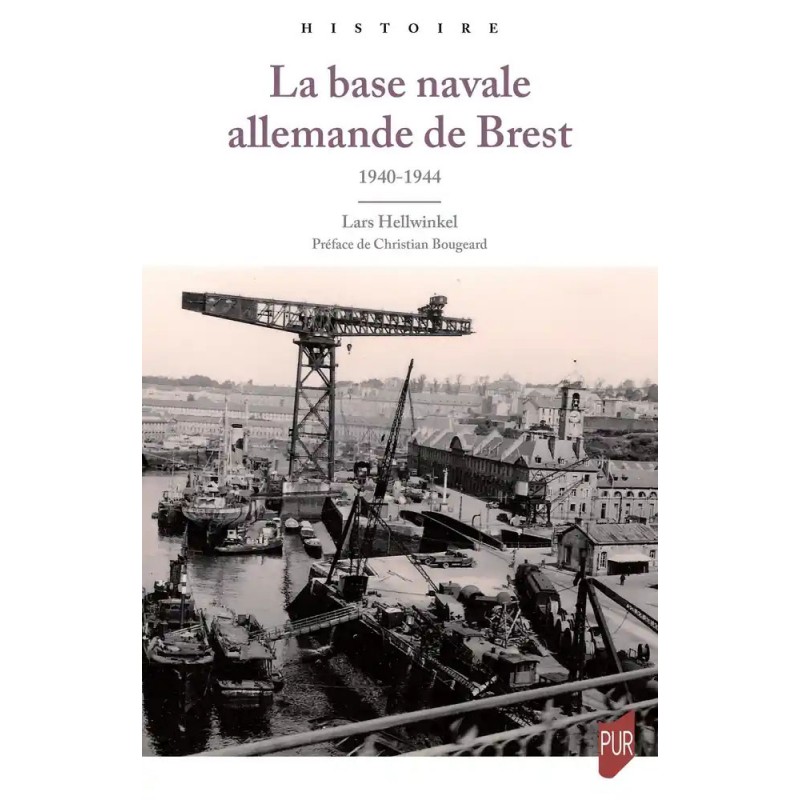
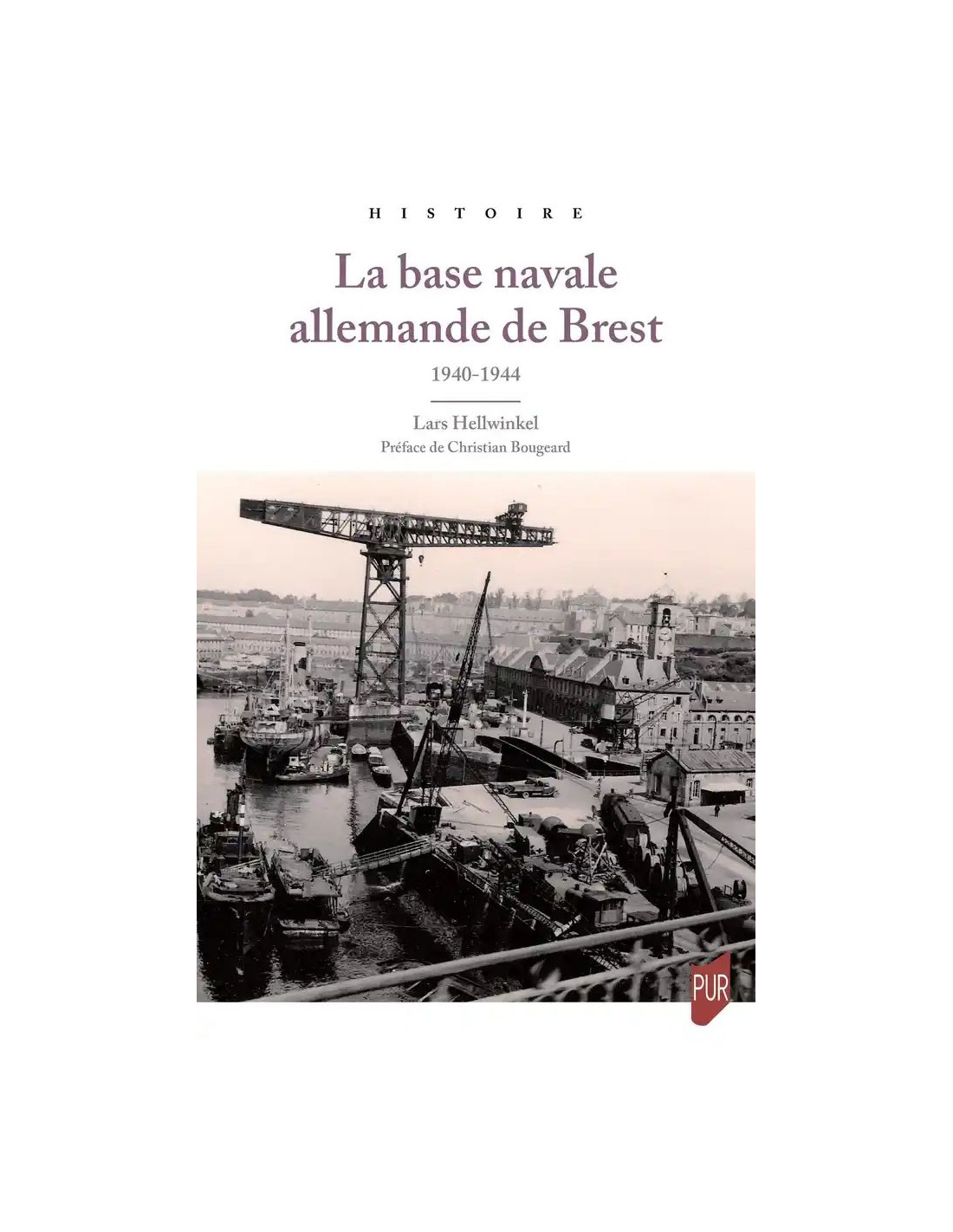
The German Naval Base at Brest 1940–1944
This book traces the history of the German naval base at Brest from the beginning of the Occupation to the liberation of the city by American forces in September 1944. It is the result of research conducted in various French and German archives, both civilian and military, and enables the reader to better understand the intentions of the Kriegsmarine — the German war navy — with regard to the port of Ponant from the summer of 1940 onwards. Faced with a constant shortage of personnel, the Kriegsmarine was compelled to rely on French cooperation, which became essential to the effectiveness of the German bases in France. At Brest, a Vichy Navy unit of 1,200 sailors ensured the operation of the arsenal and the movement of German vessels.
French engineers supervised workshop operations carried out by workers on behalf of the occupying forces, well beyond the scuttling of the fleet at Toulon that marked the official end of the French Navy. Lars Hellwinkel reveals the fragility of the Kriegsmarine, and the reader gains a clearer understanding of Germany's concentration of its naval war effort on submarines. Although Brest is at the heart of the work, the author does not overlook the other ports (Lorient, Saint-Nazaire, La Pallice, Bordeaux), situating them within the broader strategic, political and economic thinking of the Kriegsmarine towards occupied France, thereby contributing to a better understanding of the history of French ports during the Second World War.
Secure Payment
Delivery
(+33) 01.79.75.05.50
You might also like