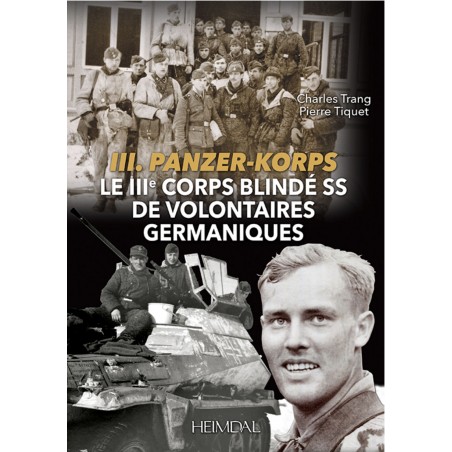
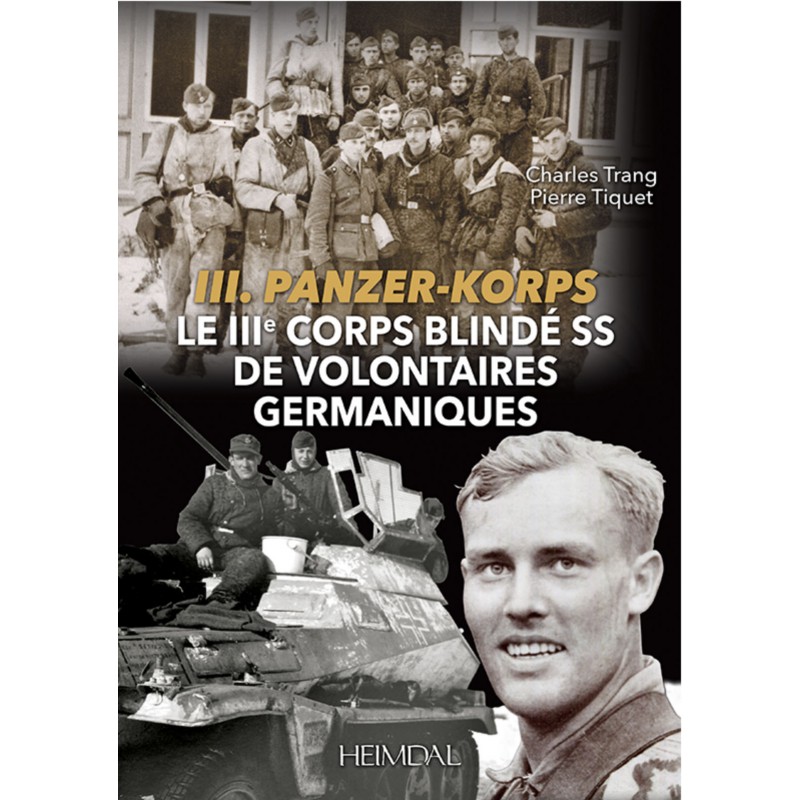
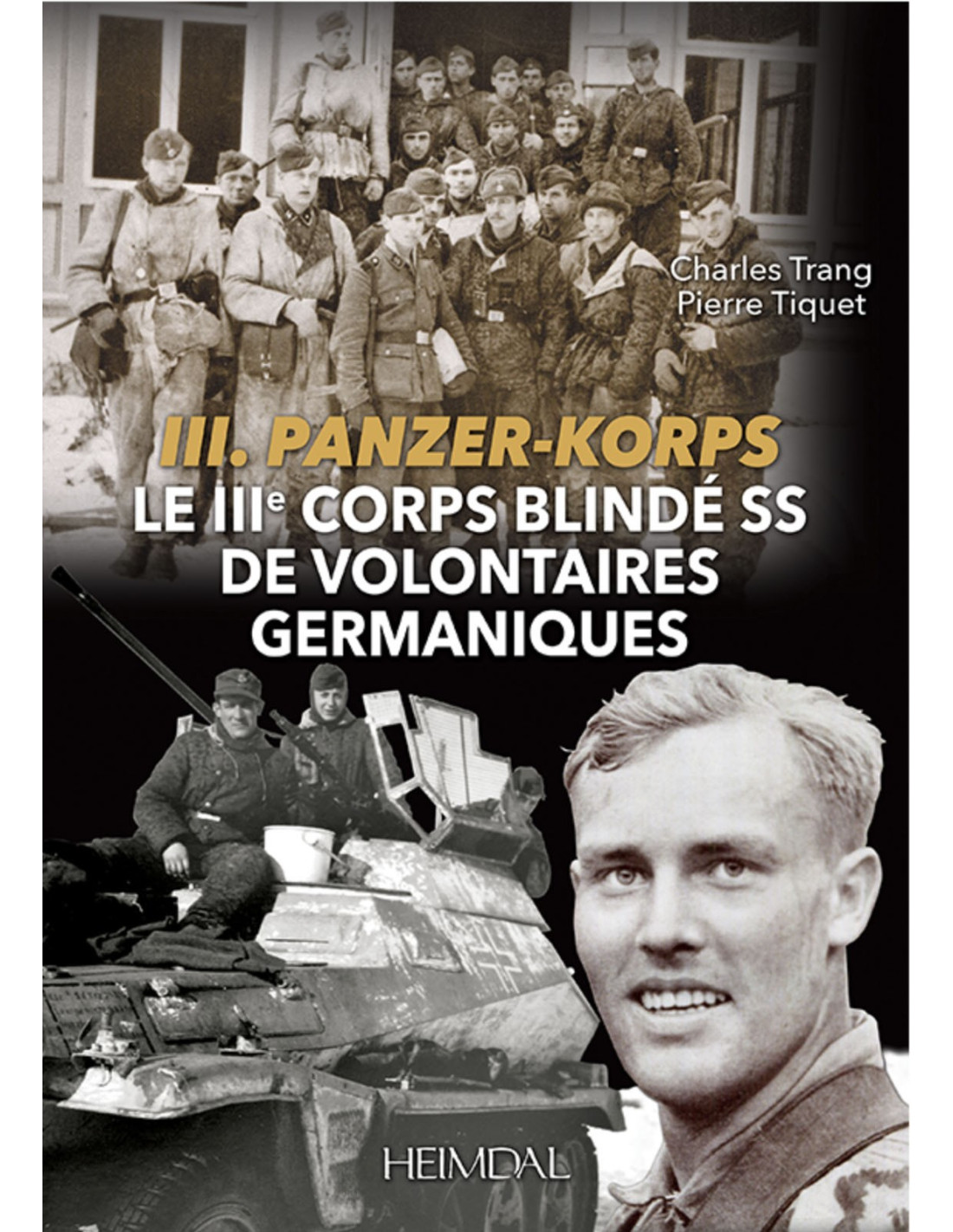
III.PANZER-KORPS — The Third SS Germanic Volunteer Armoured Corps
III.PANZER-KORPS — The Third SS Germanic...

III.PANZER-KORPS — The Third SS Germanic Volunteer Armoured Corps

L20220424
In stock
€65.40
Publication

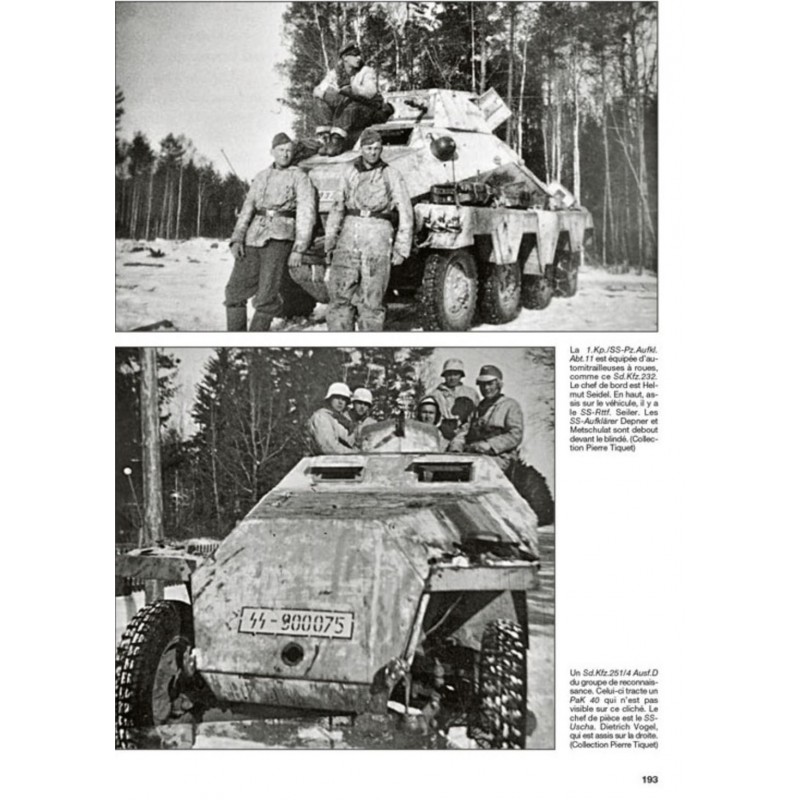
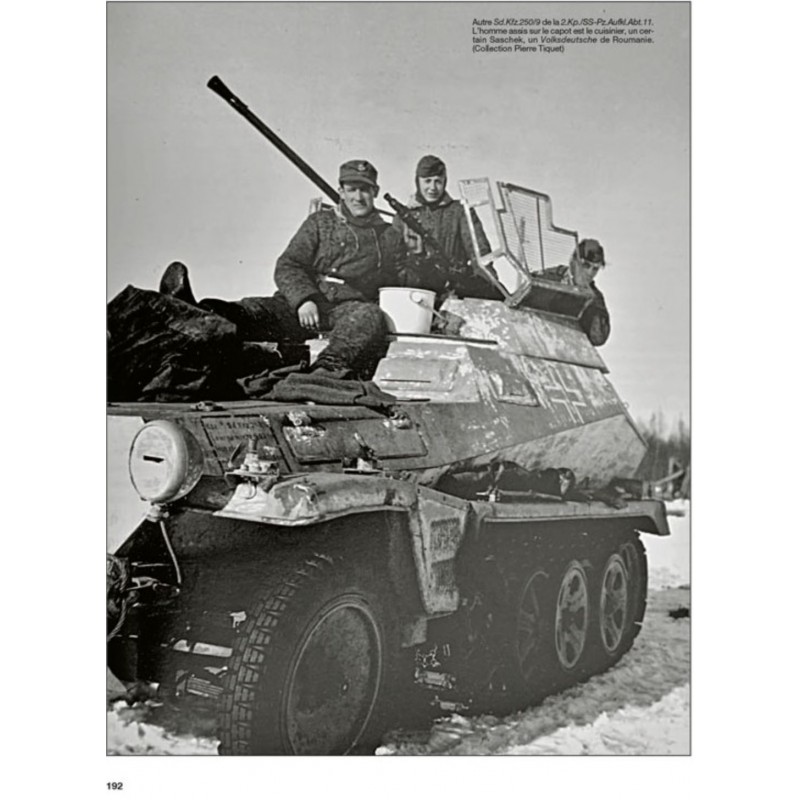
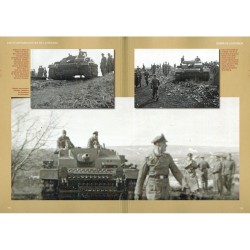
In the spring of 1940, when Germany invaded Denmark, Norway, then the Netherlands and Belgium, the Waffen-SS opened recruiting offices there, with mixed — if not mediocre — results. But when the Third Reich launched its war against the Soviet Union, the "crusade against Bolshevism" rekindled enthusiasm for a recruitment drive that had stagnated. Thus, four national legions, formed of Germanic volunteers and placed under the authority of Heinrich Himmler, were raised and committed to the Eastern Front.

In the spring of 1943, these legions were dissolved to give birth to new SS formations, most of them subordinated to the 3rd SS Germanic Volunteer Armoured Corps, whose command was entrusted to Felix Steiner, previously at the head of the Wiking division — a unit also partly composed of Germanic volunteers. This new army corps, on which Himmler placed great political hopes, was sent to the Balkans where it had the bitter experience of fighting against Tito's partisans, before departing for the Eastern Front, which it would never leave again.

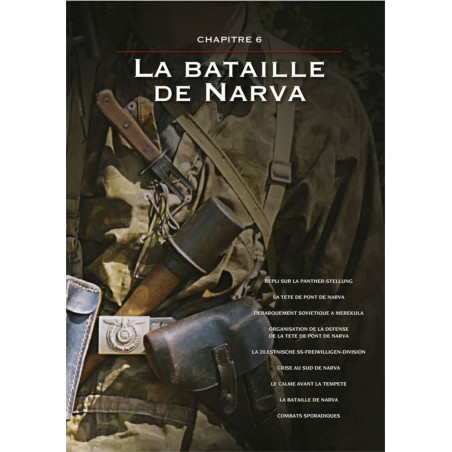
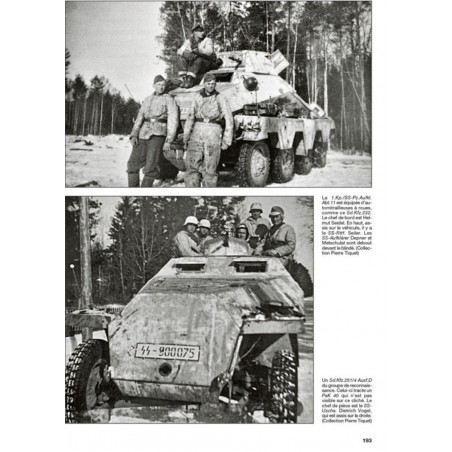
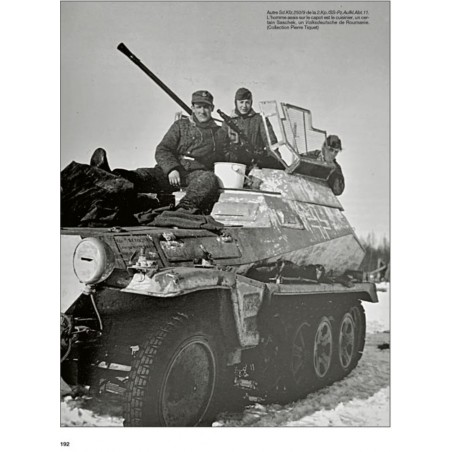
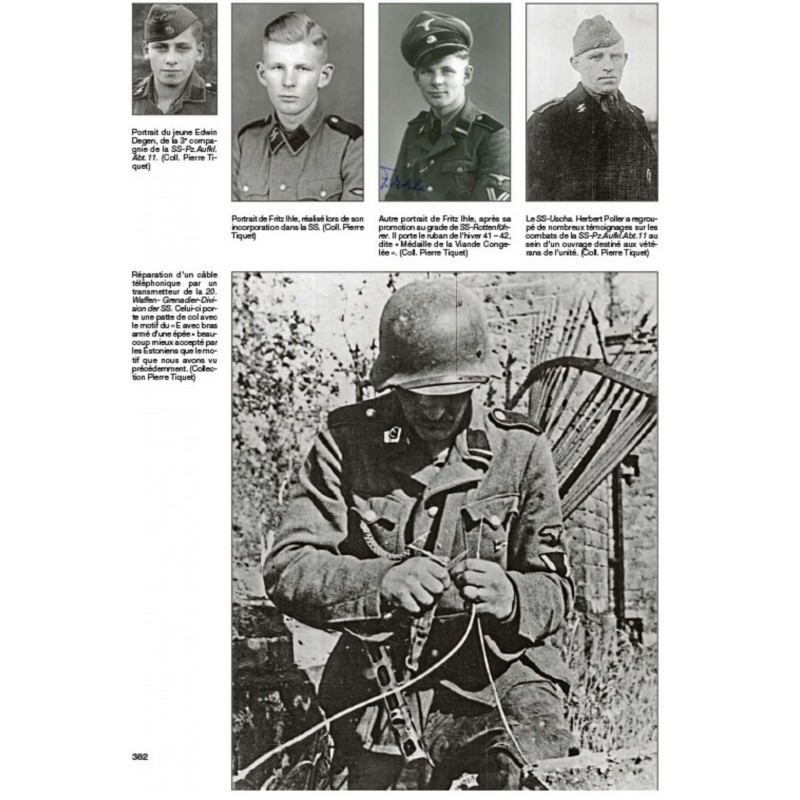
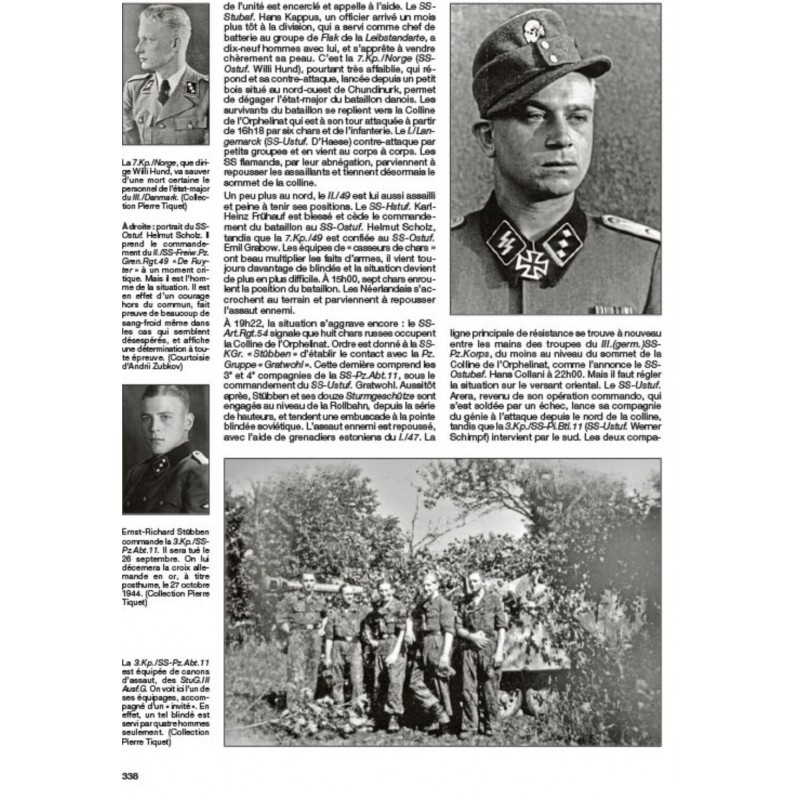
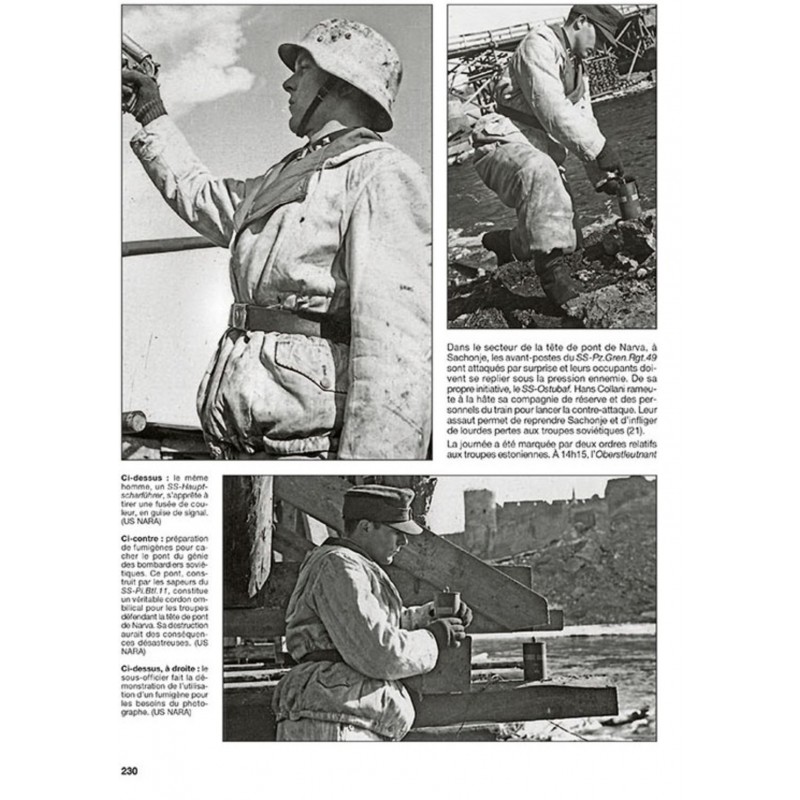
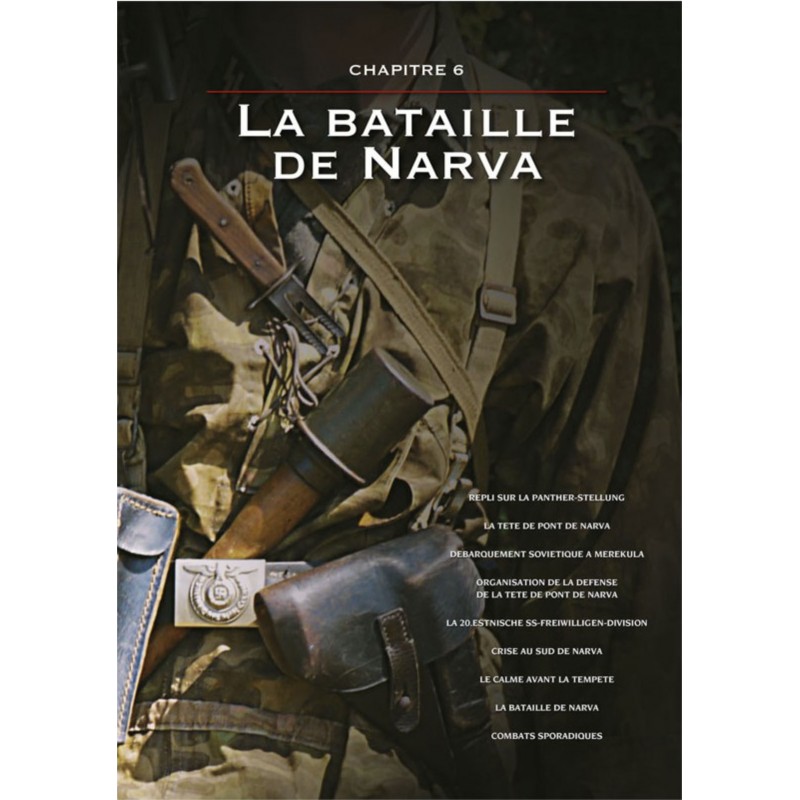
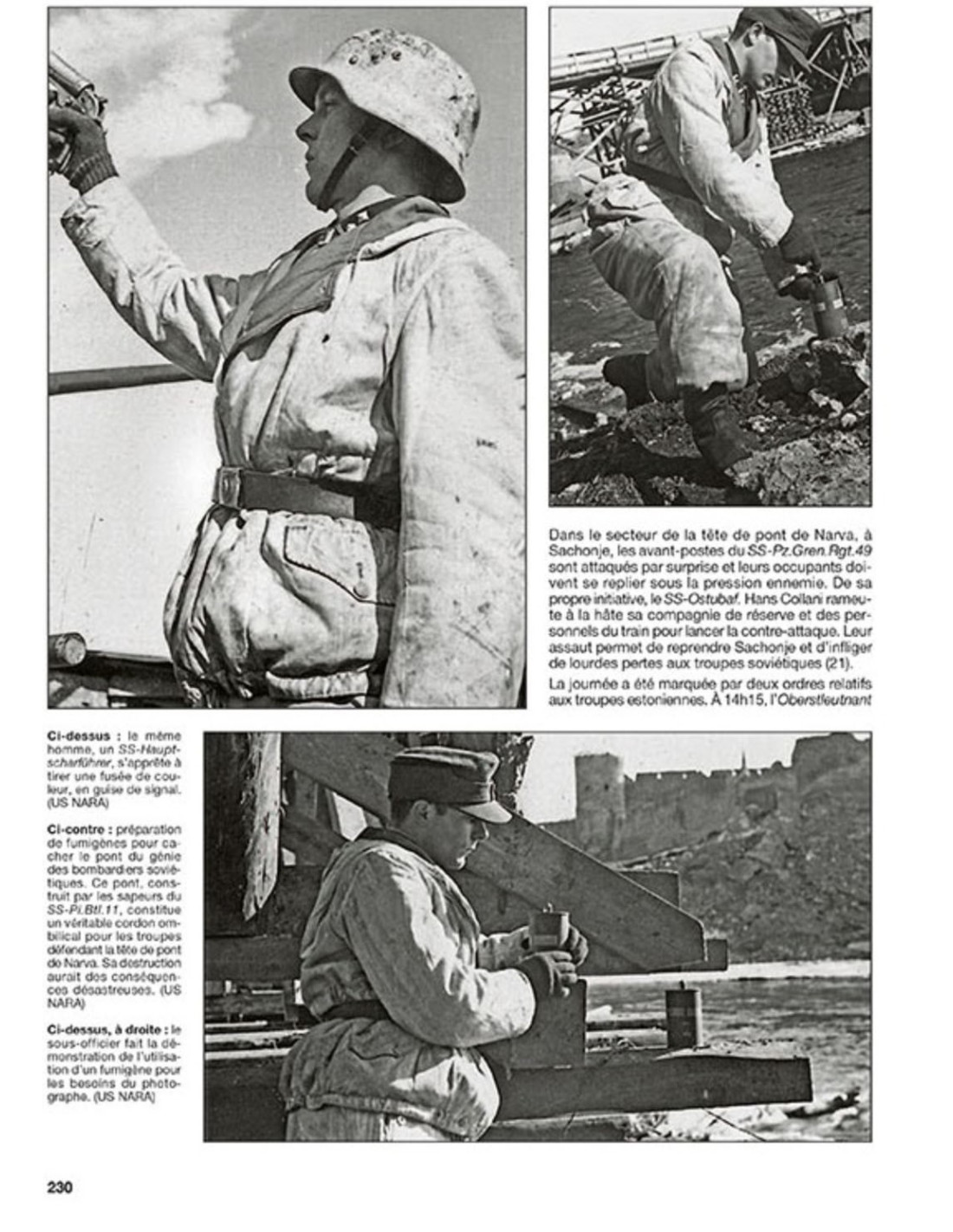
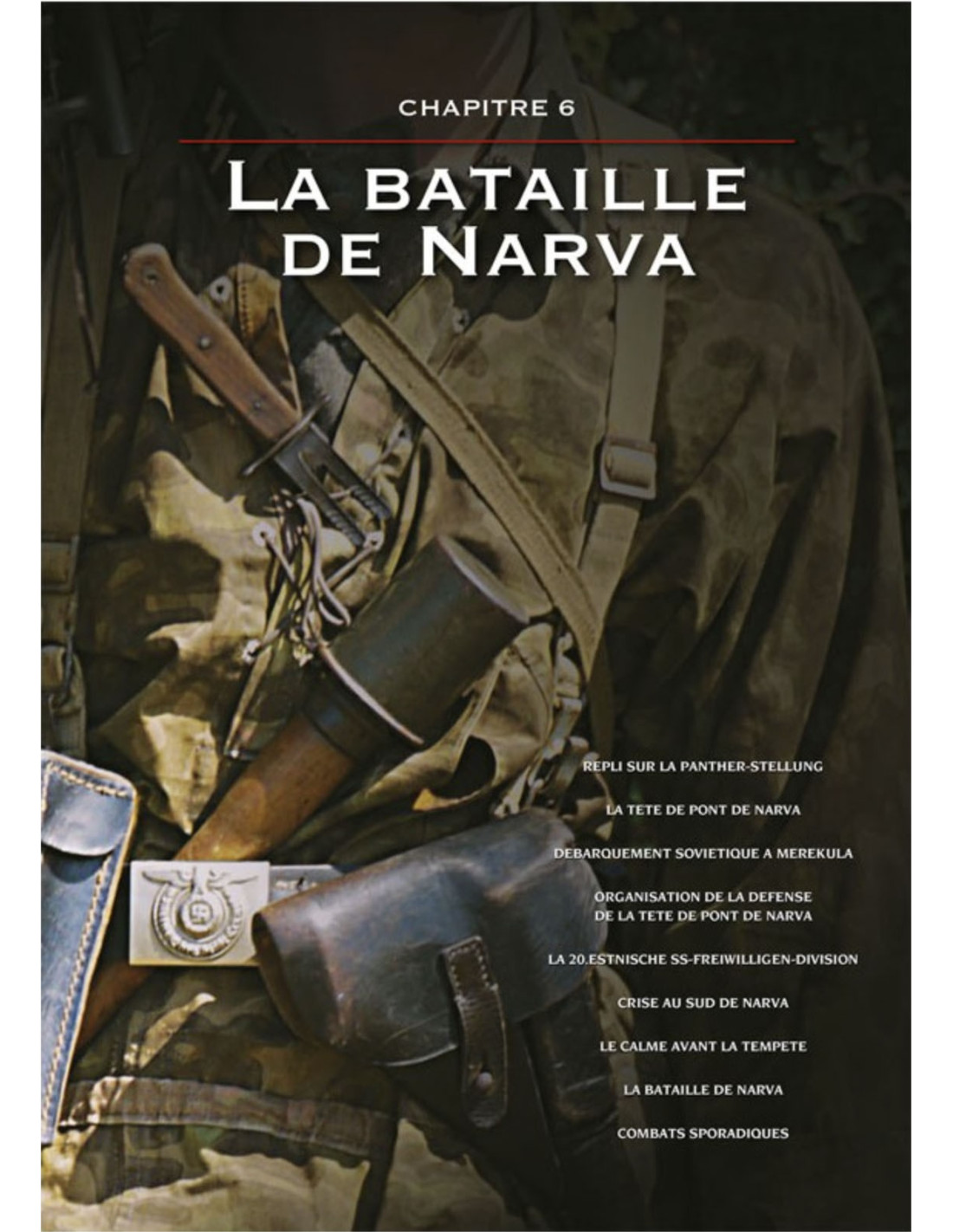
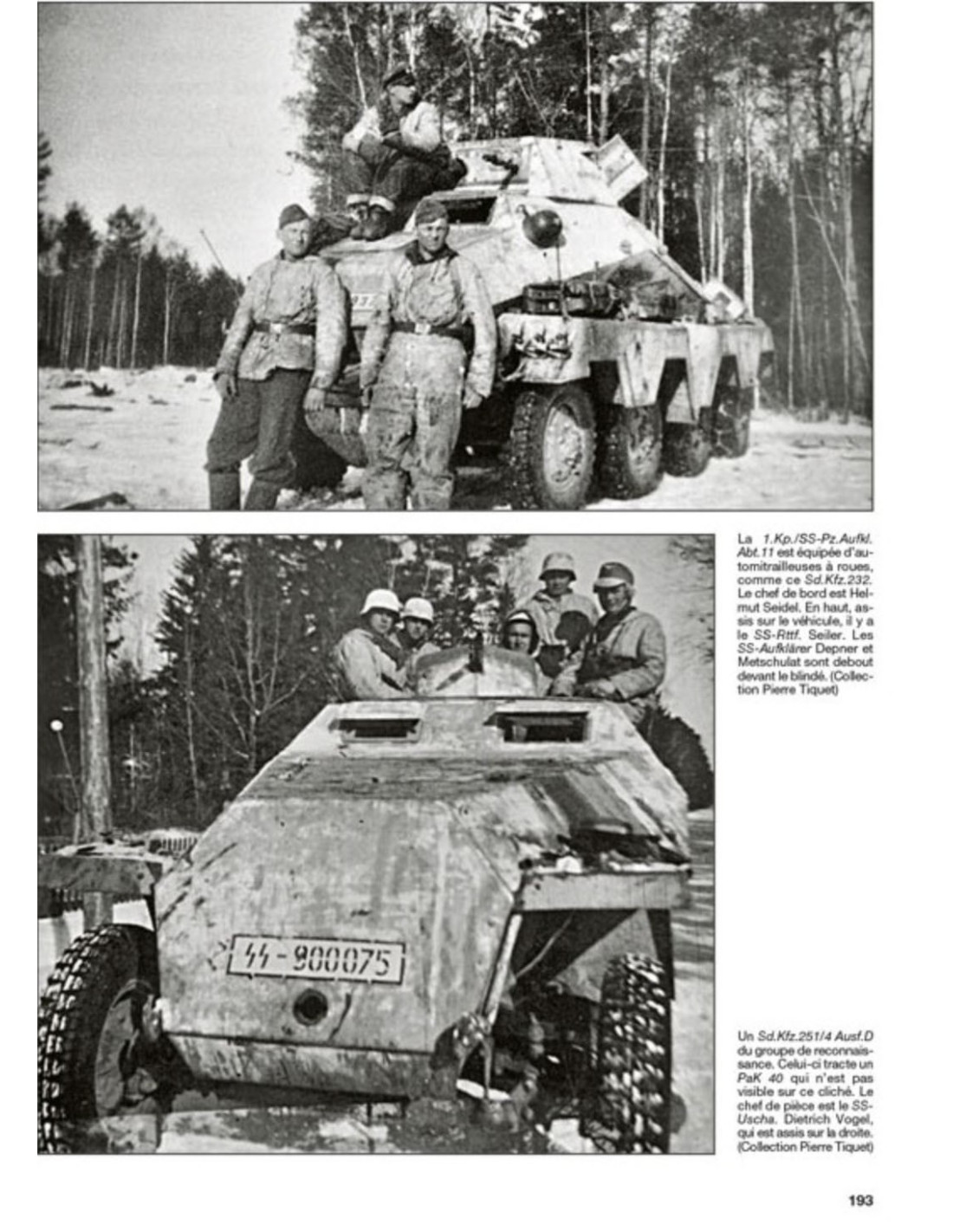
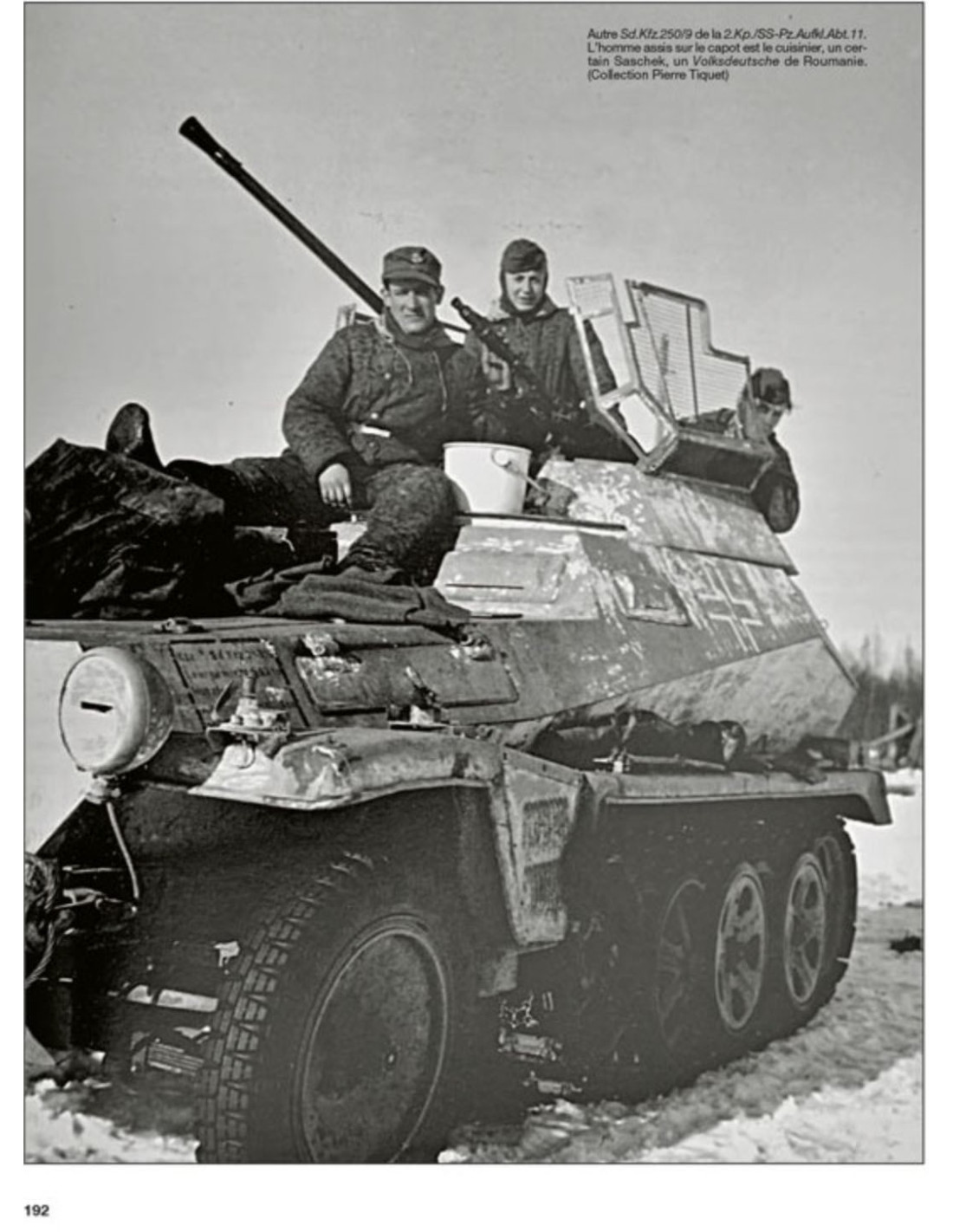
Terribly mauled during the retreat from Oranienbaum, it fought a heroic battle at Narva where it forged a martial reputation that impressed all of Europe. The Reich's propaganda services would exploit its defensive exploits to make it the symbol of the West's struggle against the barbarian hordes from Asia. Estonians, Walloons and Flemings joined its ranks during the bitter fighting in Estonia, followed by the retreat towards the Courland Pocket, the battle lost in advance in Pomerania, and the hopeless struggle in and around Berlin.

More than any other volunteers who joined the Waffen-SS during the Second World War, the Germanics would serve the ambitions of the future European army of which Himmler dreamed.


Secure Payment


Delivery

  Call Us

(+33) 01.79.75.05.50

 
Author 1
Pierre Tiquet
Author 2
Charles Trang
Publication date
November 2022
Pages
592
Illustrations
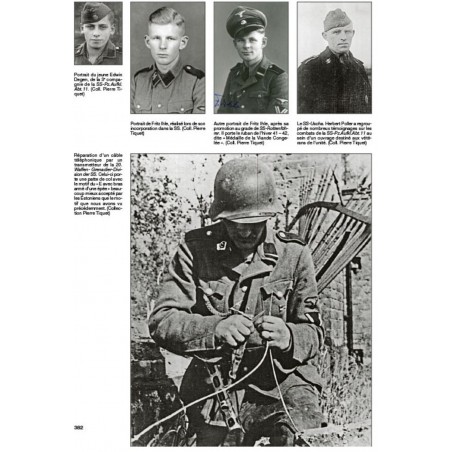
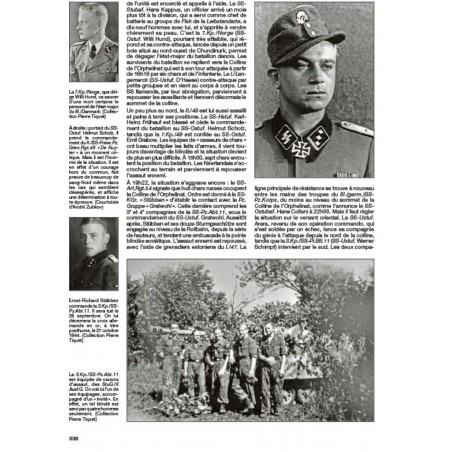
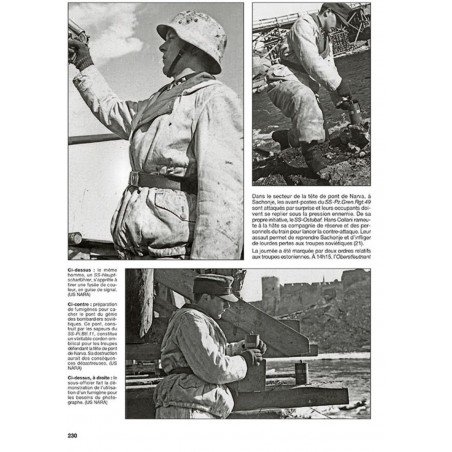
Approx. 500 photos
Cover
Hardcover
Language
French
Publisher
Heimdal

You might also like

Customers who bought this product also bought: