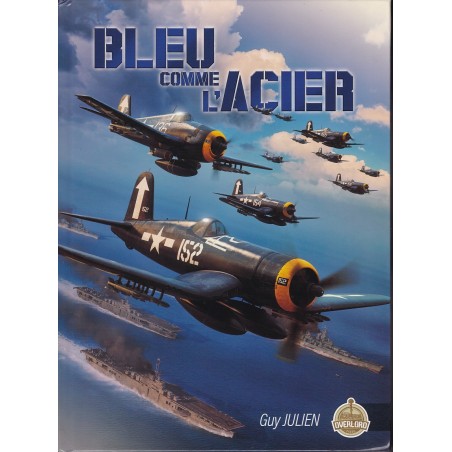
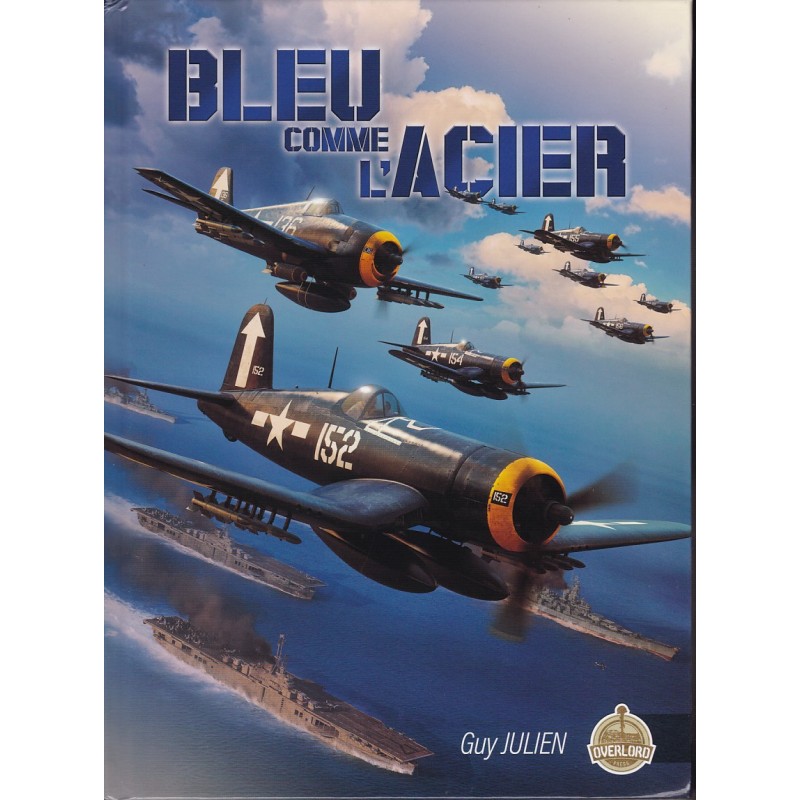
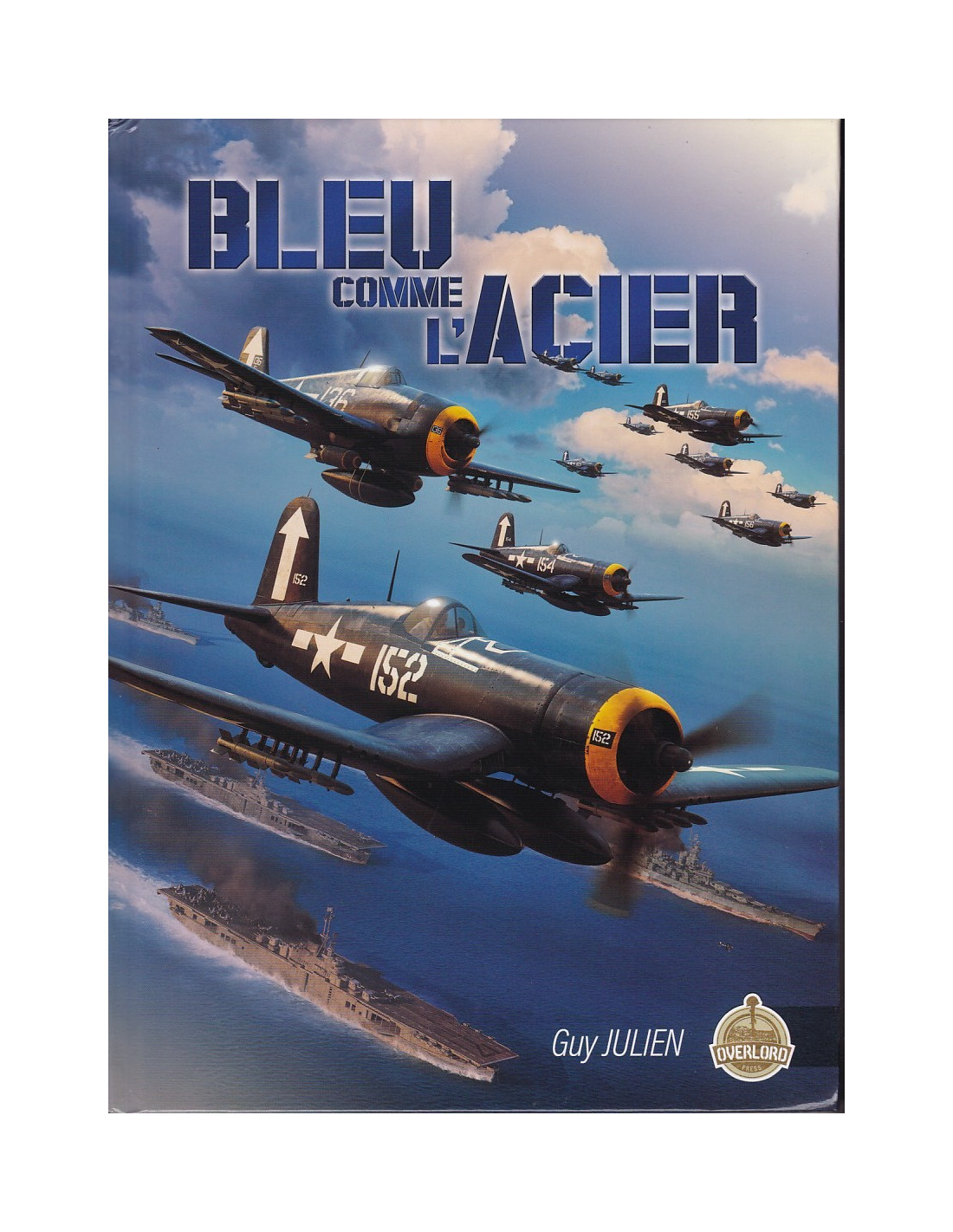
BLUE LIKE STEEL - US Navy Carrier Fighters in the Pacific.
BLUE LIKE STEEL - US Navy Carrier Fighters in...

BLUE LIKE STEEL - US Navy Carrier Fighters in the Pacific.

L20210102
Delivery 8/10 days
€37.82
Publication

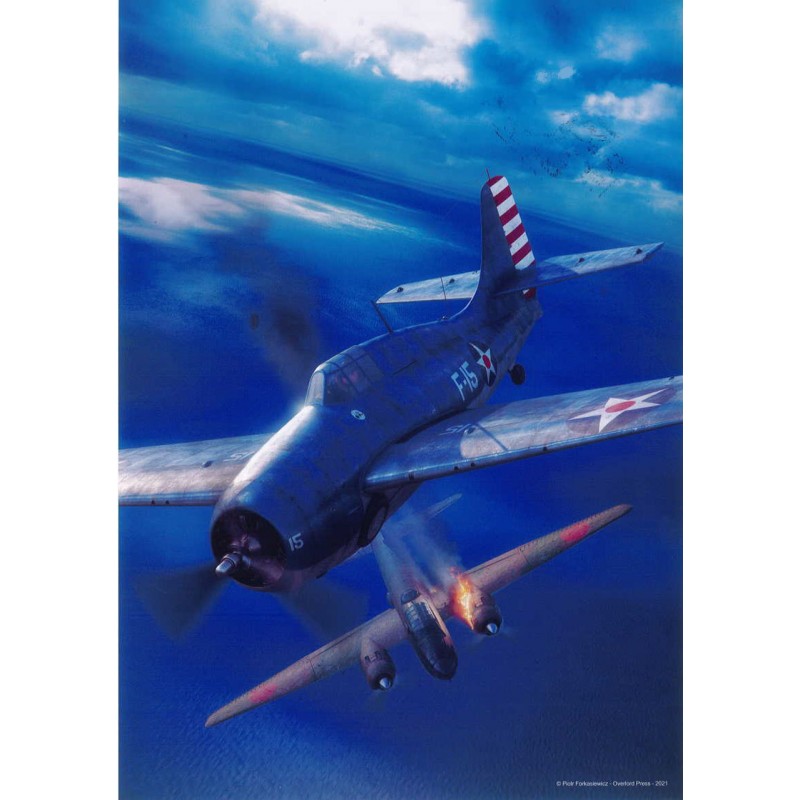
The Navy and the Marines entered the Second World War with barely more than a hundred single-engine fighters: Brewster F2As and Grumman F4Fs — single-role aircraft, dedicated exclusively to the defence of their bases or carriers.

In the space of a few years, drawing on its formidable industrial machine, America would throw itself into the design and production of modern fighters that would allow it to literally crush the Japanese and avenge the affront of Pearl Harbor!

It is this extraordinary story of aircraft, Squadrons and aces that we invite you to discover in this handsome volume, signed by one of France's leading specialists in aerial warfare and a regular contributor to the finest French military history magazines, Guy Julien.


Secure Payment


Delivery

  Call Us

(+33) 01.79.75.05.50


When Japan's surrender was signed in Tokyo Bay in September 1945, the strength of the American carrier fighter force had been multiplied more than fiftyfold in the space of four years!

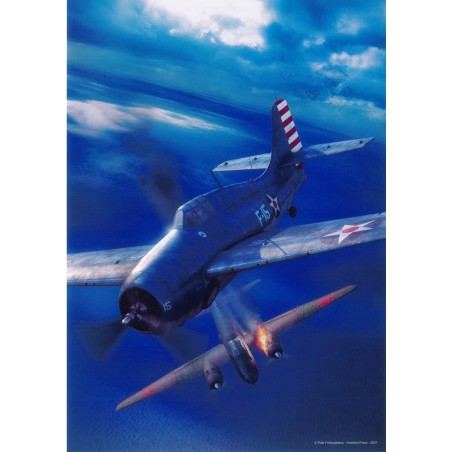
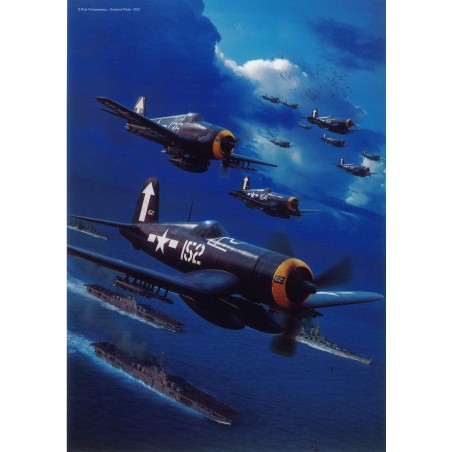
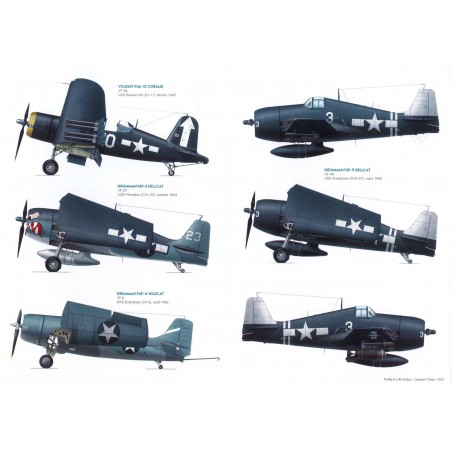
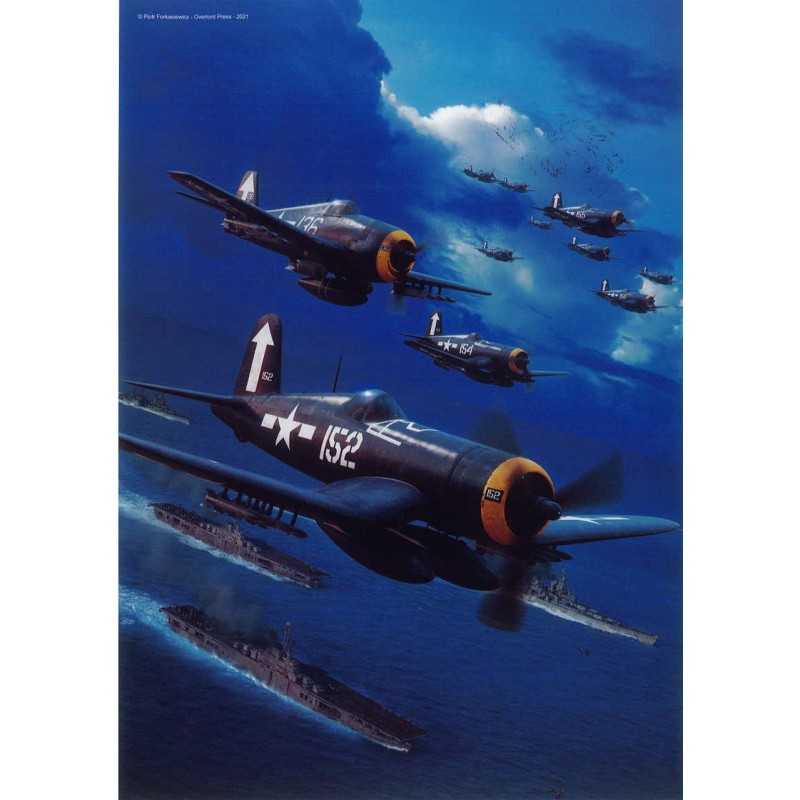
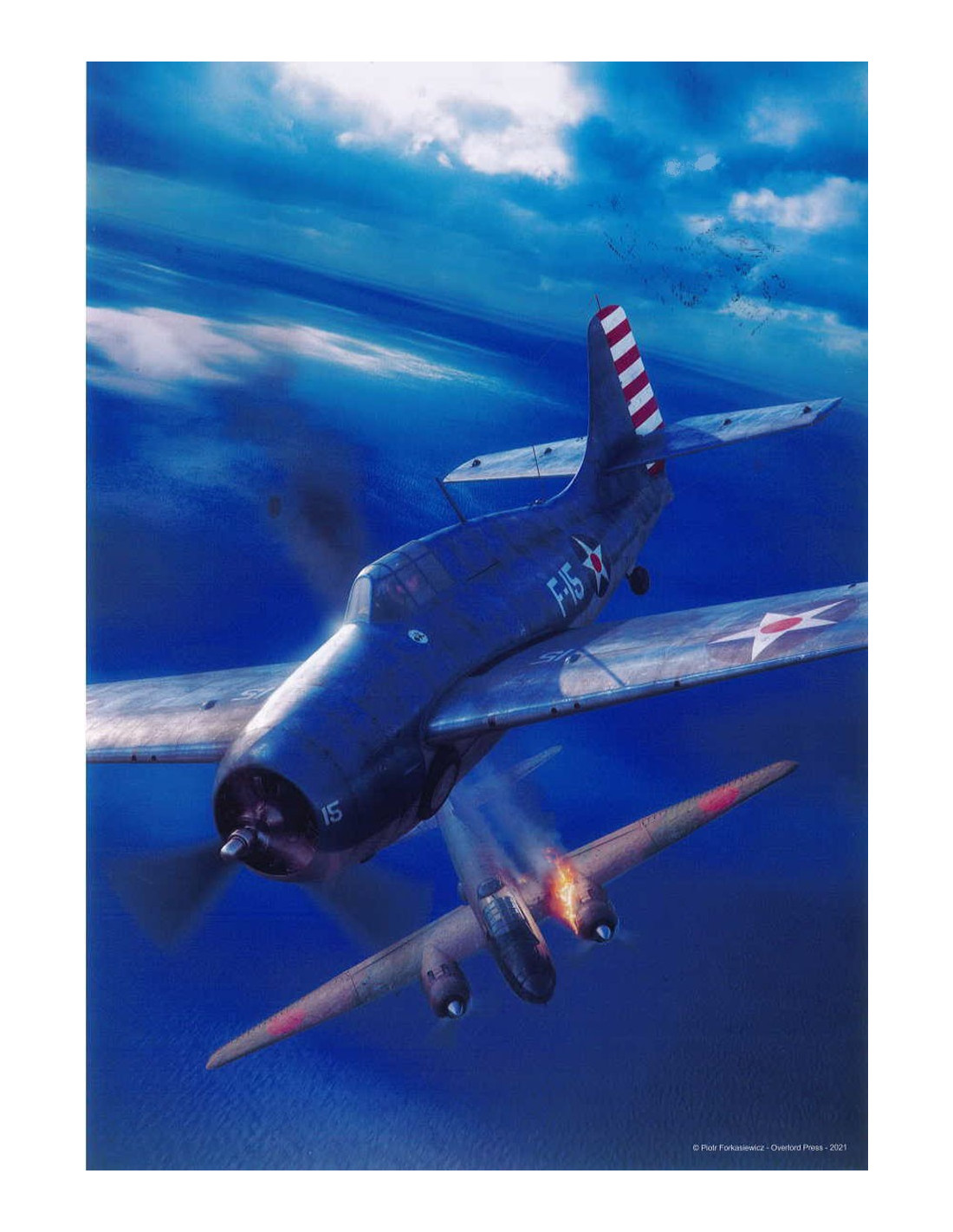
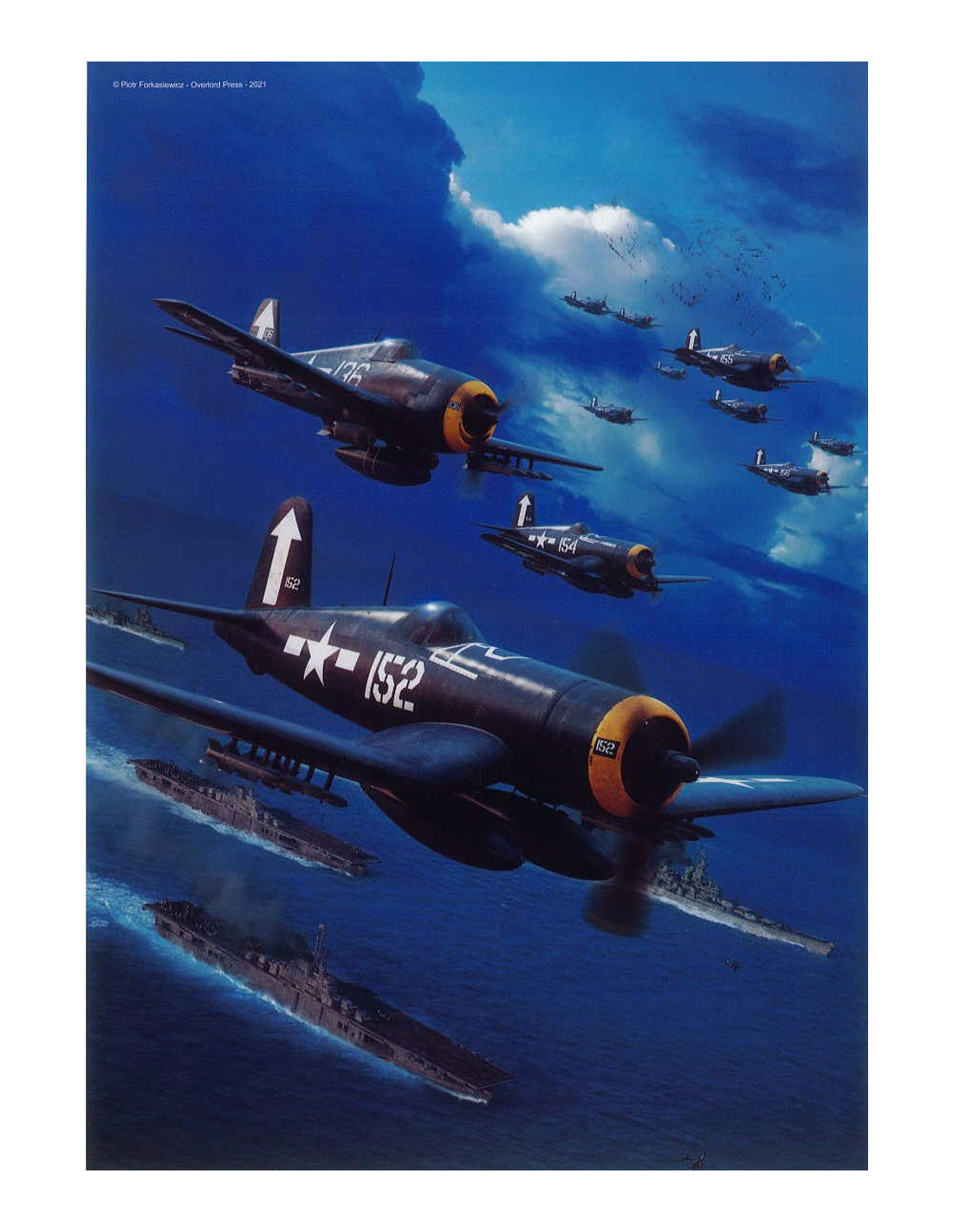
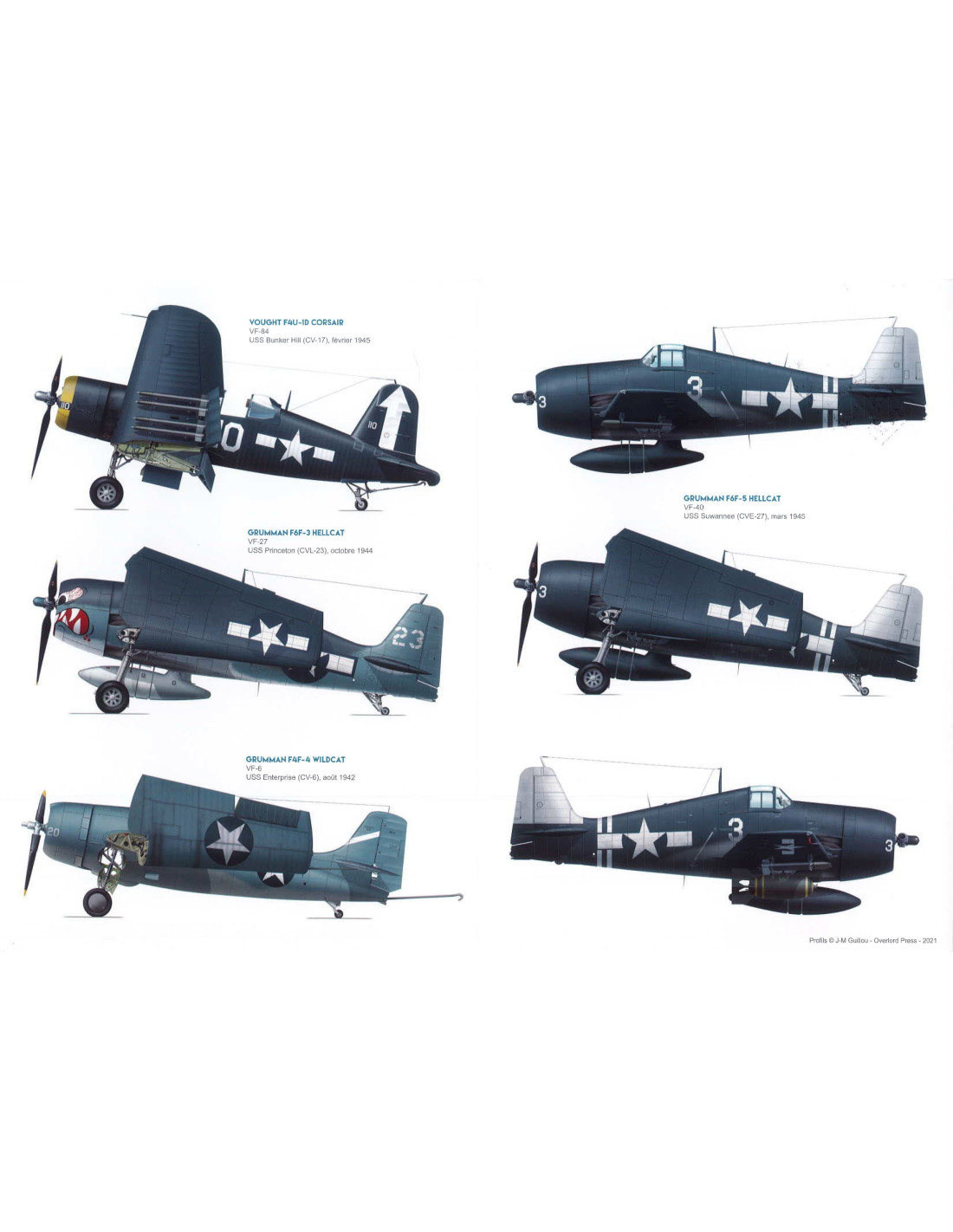
Relegated to their tiny escort carriers, the F4F Wildcats, in the meantime improved and redesignated FM-2, still appeared on the Navy's rolls. But the latter had nevertheless largely provided for their replacement with two exceptional models that entered active service successively in 1943: the Vought F4U Corsair and the Grumman F6F Hellcat — robust, powerful and enduring machines. Faster, better armed and far more versatile than the F4F, they would pose an insurmountable problem for a Japanese air arm already battered at Midway and Guadalcanal by Grumman's modest "barrel".

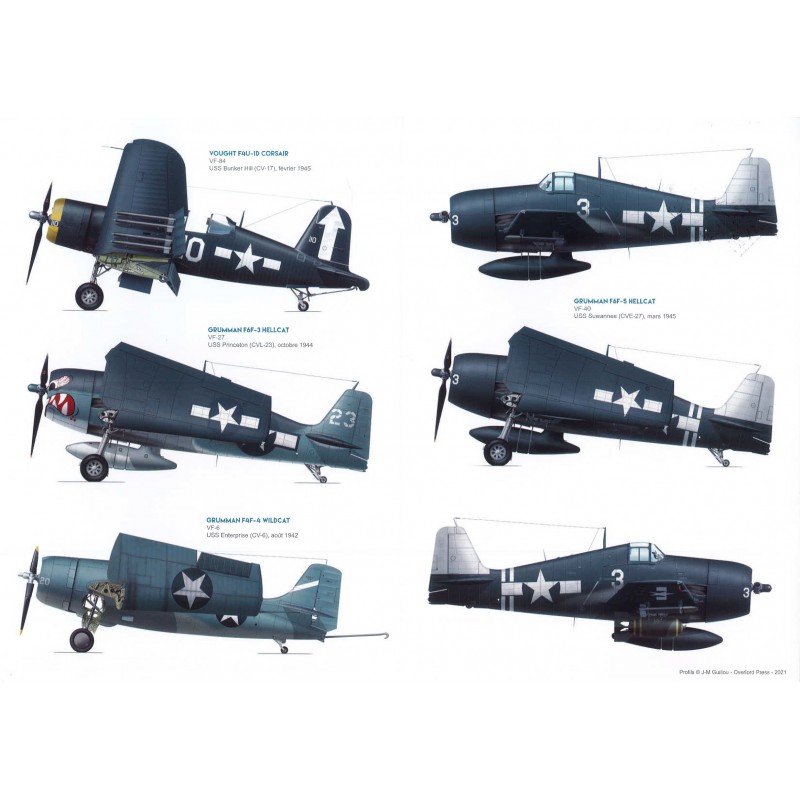
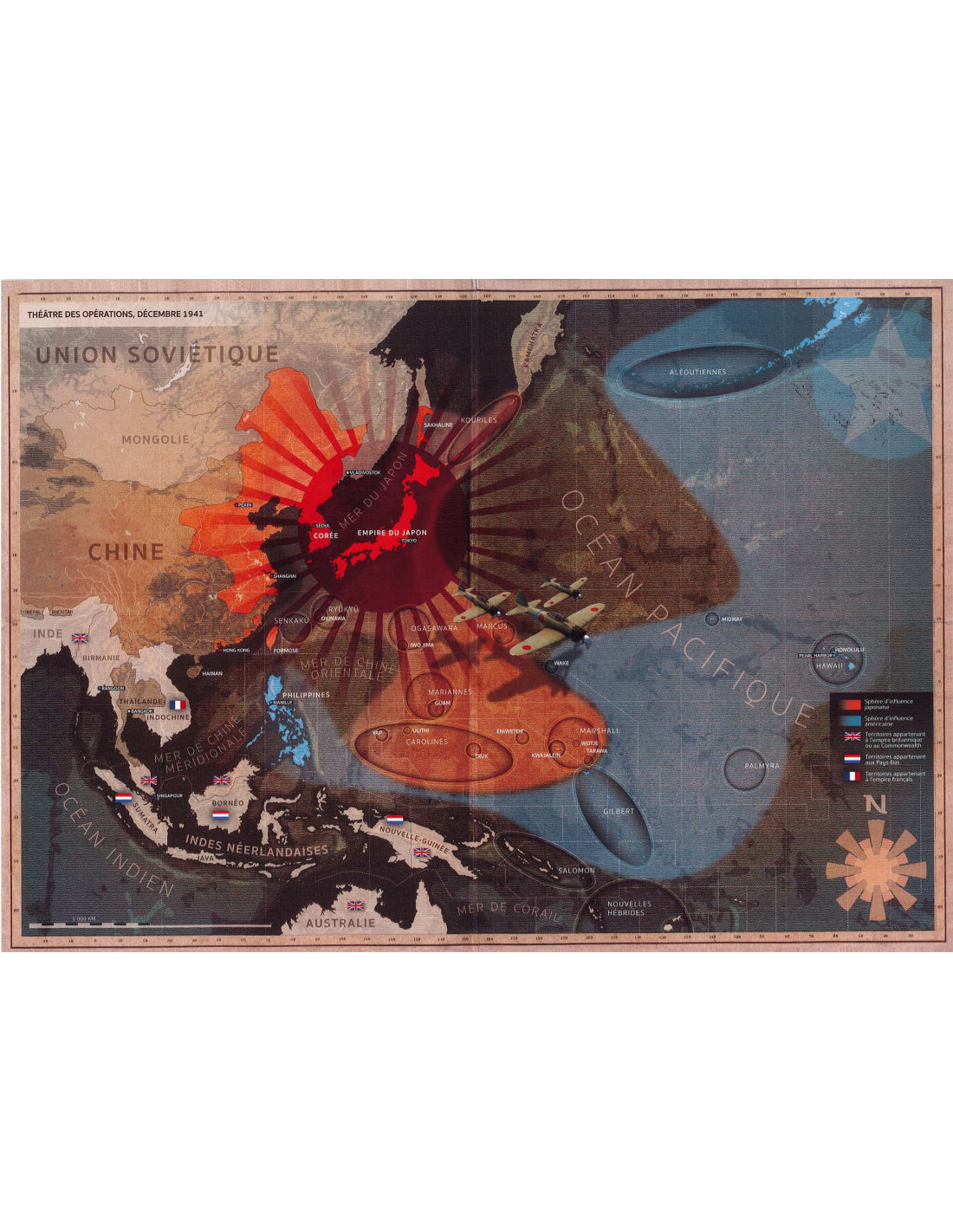
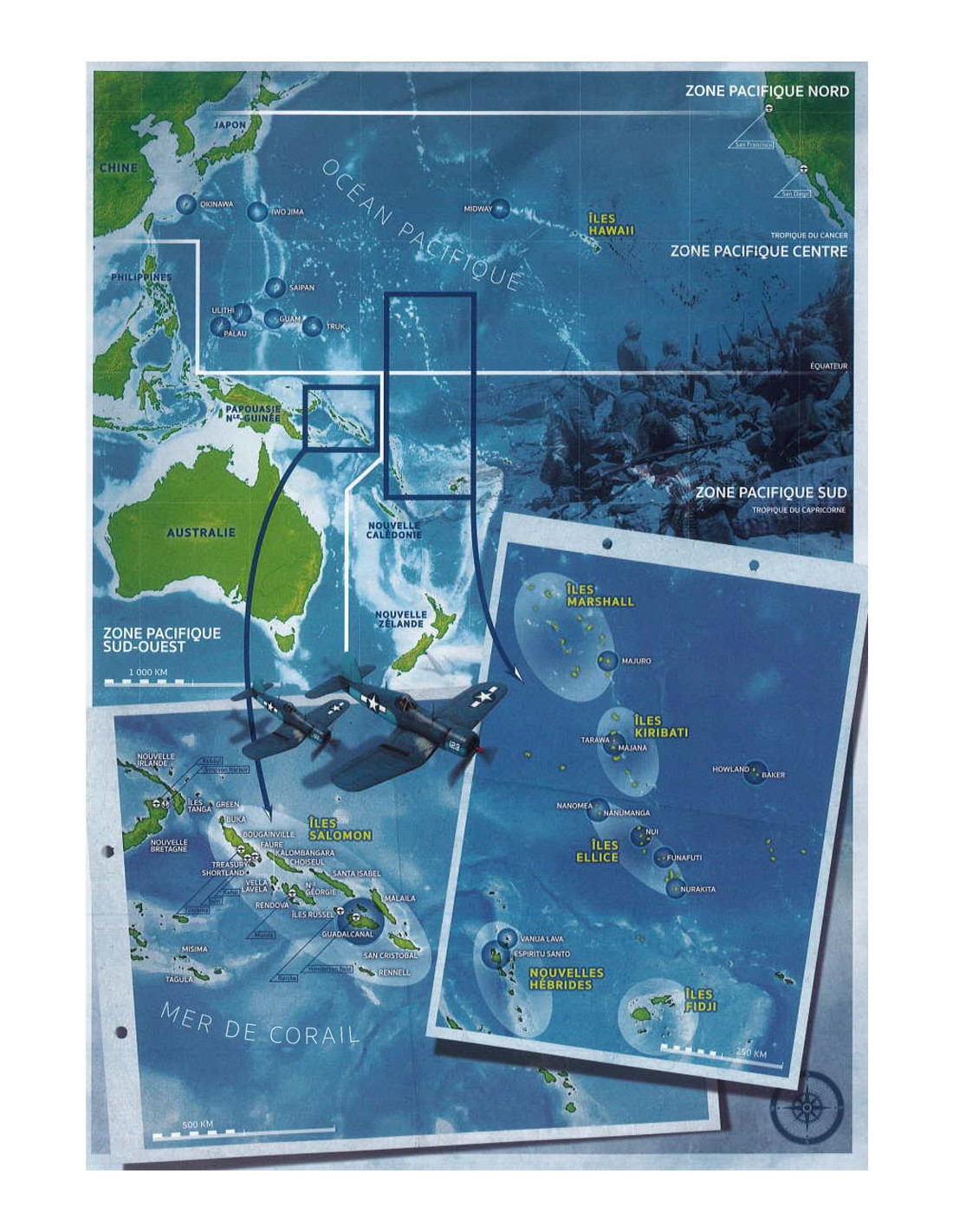
From the Coral Sea to Mount Suribachi, four years of aerial combat are traced here through the history of the three principal aircraft that equipped American carrier-based fighters in the Pacific. Alongside John Thach and Marion Carl, we see how the F4F stood up to the Japanese onslaught in 1942–1943, before it was gradually pushed back and then definitively halted by the combined action of the F4U and F6F, flown by fascinating men such as Gregory "Pappy" Boyington and Dave McCampbell.

Together, these machines formed the « steel blue » cutting edge of an air arm that was lethal to its adversaries — the soldiers, sailors and airmen serving under the banner of the Rising Sun.

Author 1
Guy Julien
Publication date
June 2021
Pages
256
Illustrations
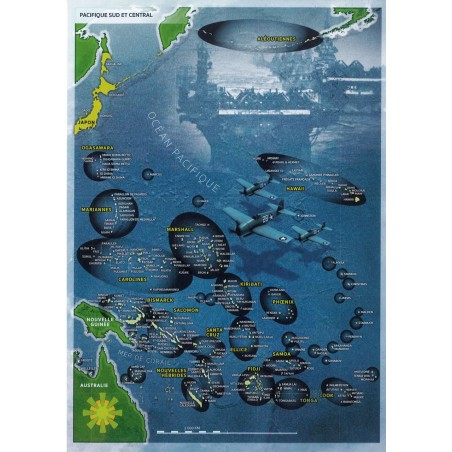
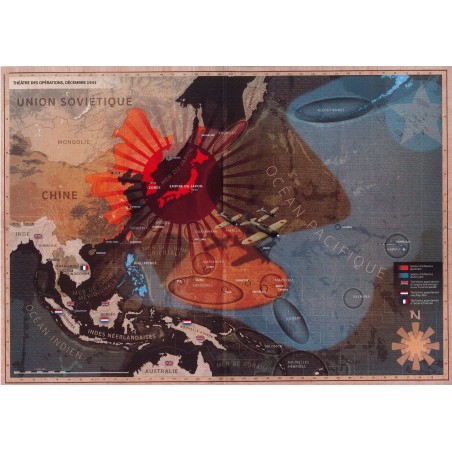
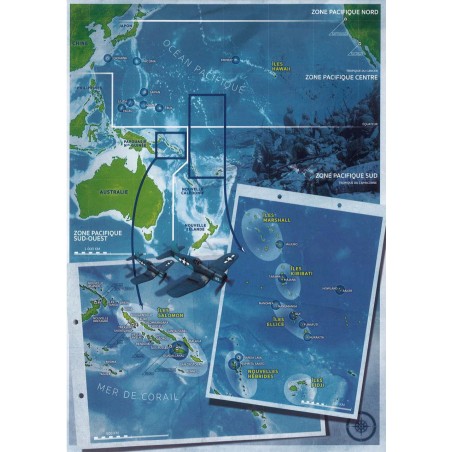
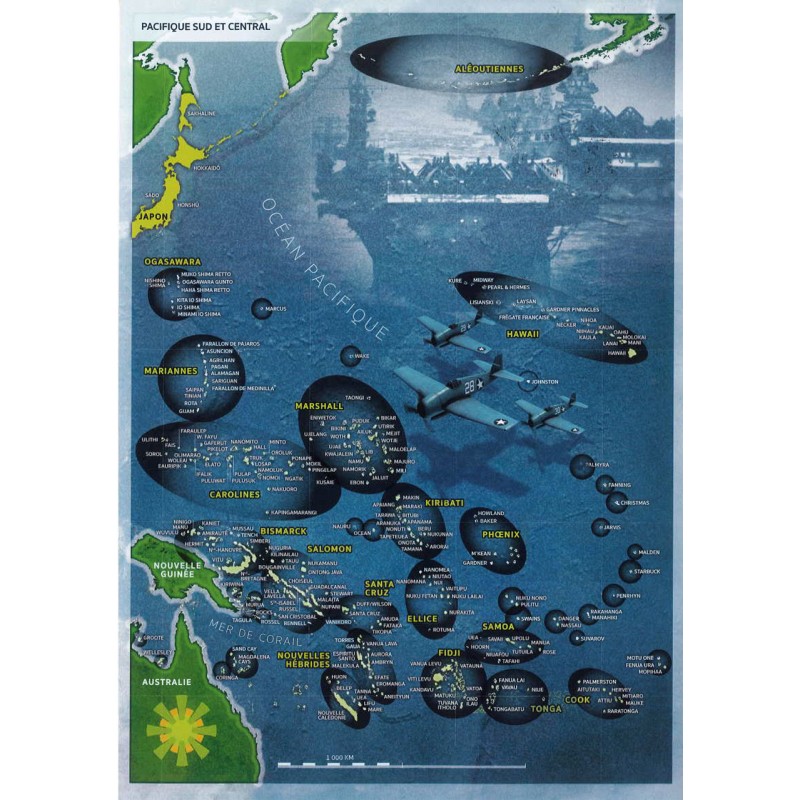
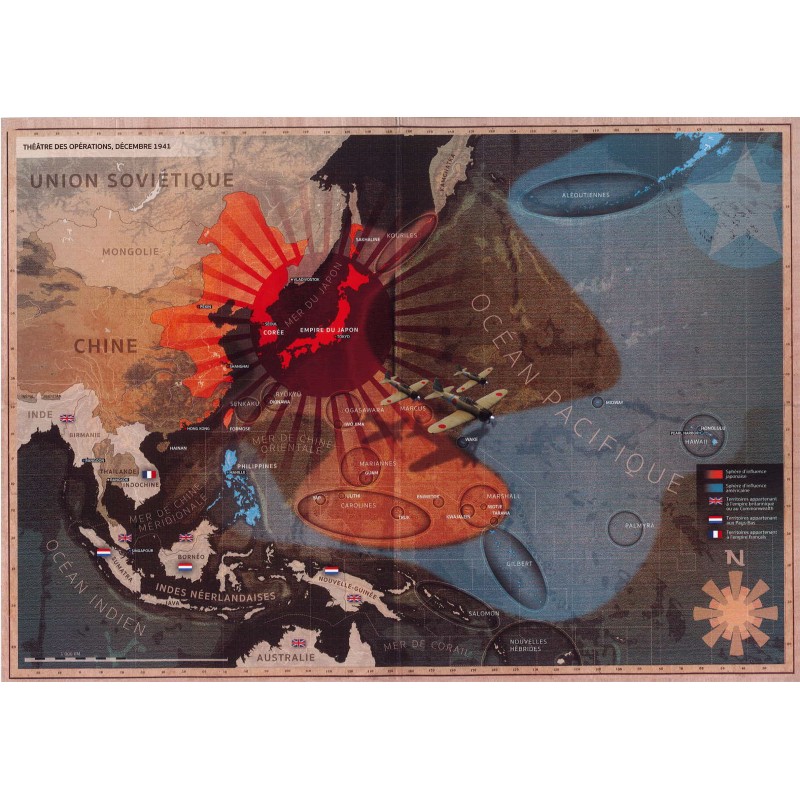
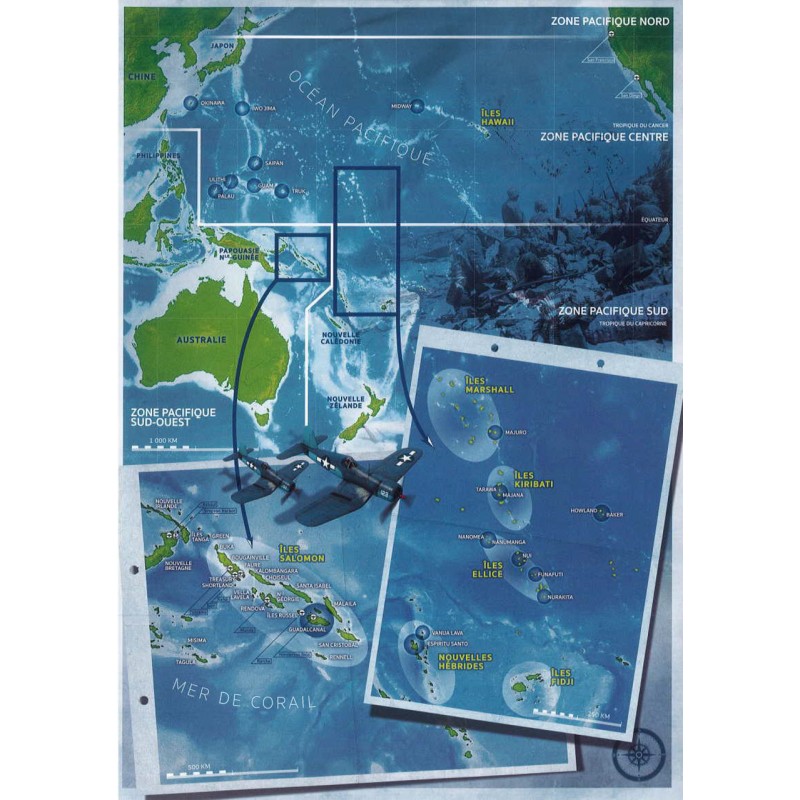
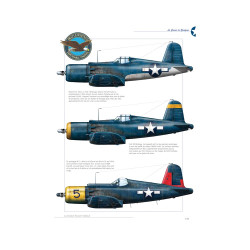
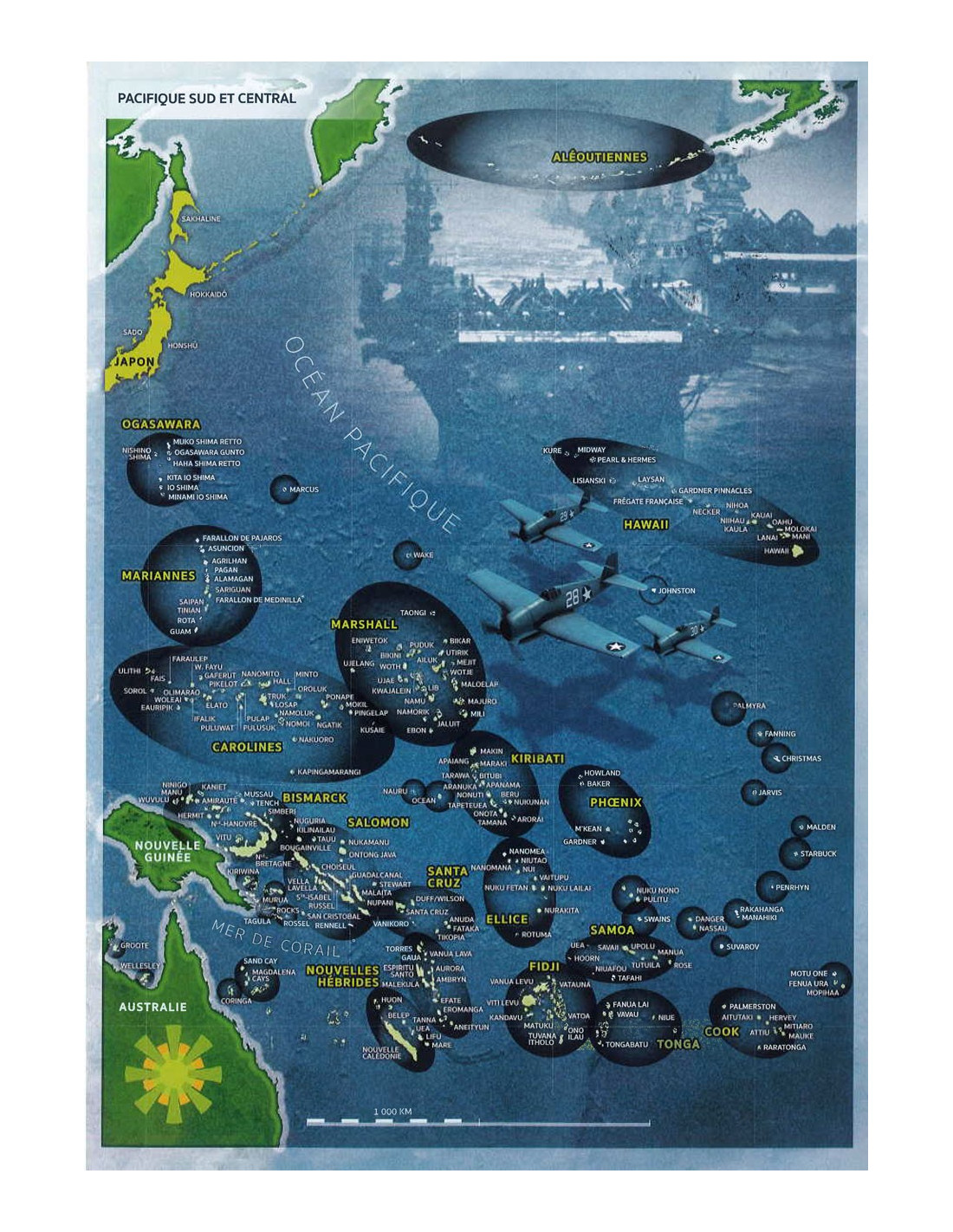
numerous archive photographs, approximately 60 profiles, 3D illustrations, 3D infographics (details of the F4U Corsair, about fifteen views, exploded diagrams, cockpit), maps.
Cover
Hardcover
Language
French
EAN
9782491250034

You might also like

Customers who bought this product also bought: