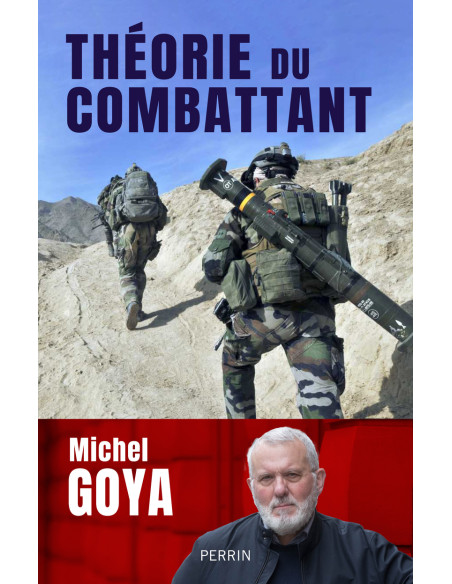
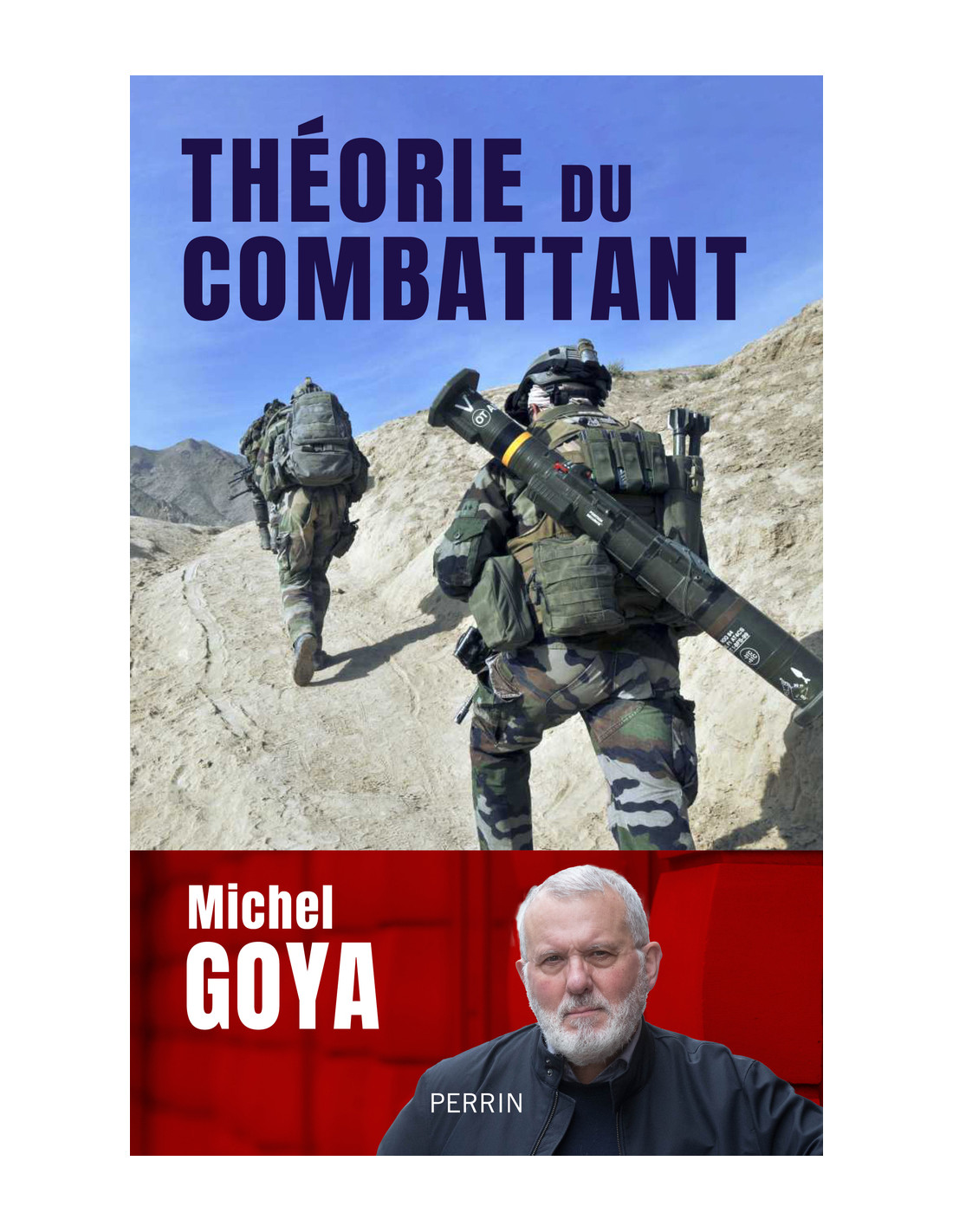
THEORY OF THE COMBATANT – Close Combat: An Eternal Return or a Revolution to Come?
On 18 August 2008, 10 French soldiers were killed and 21 others wounded in the Afghan mountains. No one had seen the ambush set up by the Taliban and their local allies coming. This tragic event is the starting point of Michel Goya's new work, which opens with a description of the fighting in the Uzbin Valley and then analyses its consequences.
A sharp contradiction immediately arose in the aftermath: between the national shock provoked by the destruction of a French infantry section in this ambush and the little that had been done to prevent such a tragedy from being possible. Close-combat soldiers — those whose profession is to kill or be killed in intimate contact with the enemy, overwhelmingly infantrymen and special forces — are indispensable to the victory of armies. If their deaths provoke a national event, they legitimately deserve to be a national priority, all the more so as their numbers in France have never been lower. In practice, this has never been the case: the importance of infantrymen is only ever discovered when they die.
Michel Goya begins by describing what a modern close-combat soldier is, from the industrial era onwards, and how his trade has evolved from the small-arms revolution through to the end of the Second World War. Little has changed since for these warriors, even as other military technologies and other ways of waging war underwent major development. The French infantry section destroyed in 2008 by Afghan rebels armed with old Soviet weapons could just as well have been destroyed by a German infantry company of 1944.
Finally, the author describes the current problems faced by Western close-combat soldiers, at a time when their direct adversaries — currently often irregular forces — have never been more numerous. He also explores how it may be possible to initiate a new revolution in the way close combat is conducted.
A forceful and necessary iconoclastic reflection, by a historian and strategist, in the tradition of his landmark work Under Fire. Death as a Working Hypothesis.
Secure Payment
Delivery
(+33) 01.79.75.05.50
You might also like