- SUMMER SALE 2026 Massive clearance
-
Bookshop
Publisher
- FORGOTTEN BATTLES HISTORICONE
- CARAKTERE
- EPOPÉES - SABRETACHE
- ETAI
- HEIMDAL
- LAVAUZELLE
- LES BELLES LETTRES
- HISTOIRE & COLLECTIONS
- LELA PRESSE
- L'ESCADRON EDITIONS
- NIMROD
- MARANES EDITIONS
- NUTS & BOLTS
- OREP
- OVERLORD PRESS
- PAQUET
- PIERRE DE TAILLAC
- PERRIN
- PEROTTI - PP CONCEPT
- REGI-ARM MEMORABILIA
- SERVICE HISTORIQUE DE LA DEFENSE (SHD)
- YSEC
Theme- 2ND ARMORED DIVISION
- ARMS & ARTILLERY
- AUTOMOBILIA
- AVIATION
- BATTLES
- BIOGRAPHIES
- DOCTRINES - GEOPOLITICS
- FORTIFICATIONS
- HISTORY
- SCALE MODELS
- NAVY
- MILITARIA
- FASHION, STYLE & CLOTHING
- RECIPES & COOKING
- REGIMENTAL
- RESISTANCE
- SECRET SERVICES & SPECIAL FORCES
- SURVIVAL - SELF DEFENSE - PREPAREDNESS
- UNIFORMS & EQUIPMENT
- CIVILIAN VEHICLES
- MILITARY VEHICLES
- CIVILIAN LIFE
-
Vintage Fashion
Other Brands
-
Second Hand
-
- Plein Air -
BAREBONES - Surplus
-
Gift
Cards - Blog
- Our Website
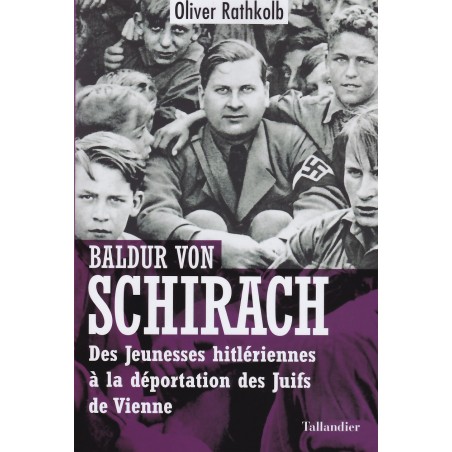
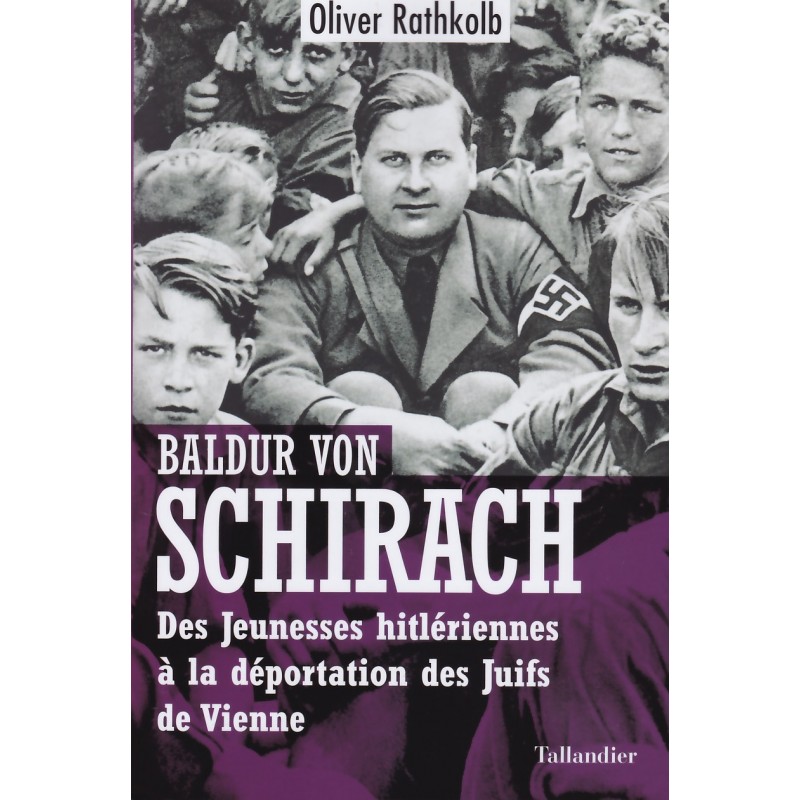
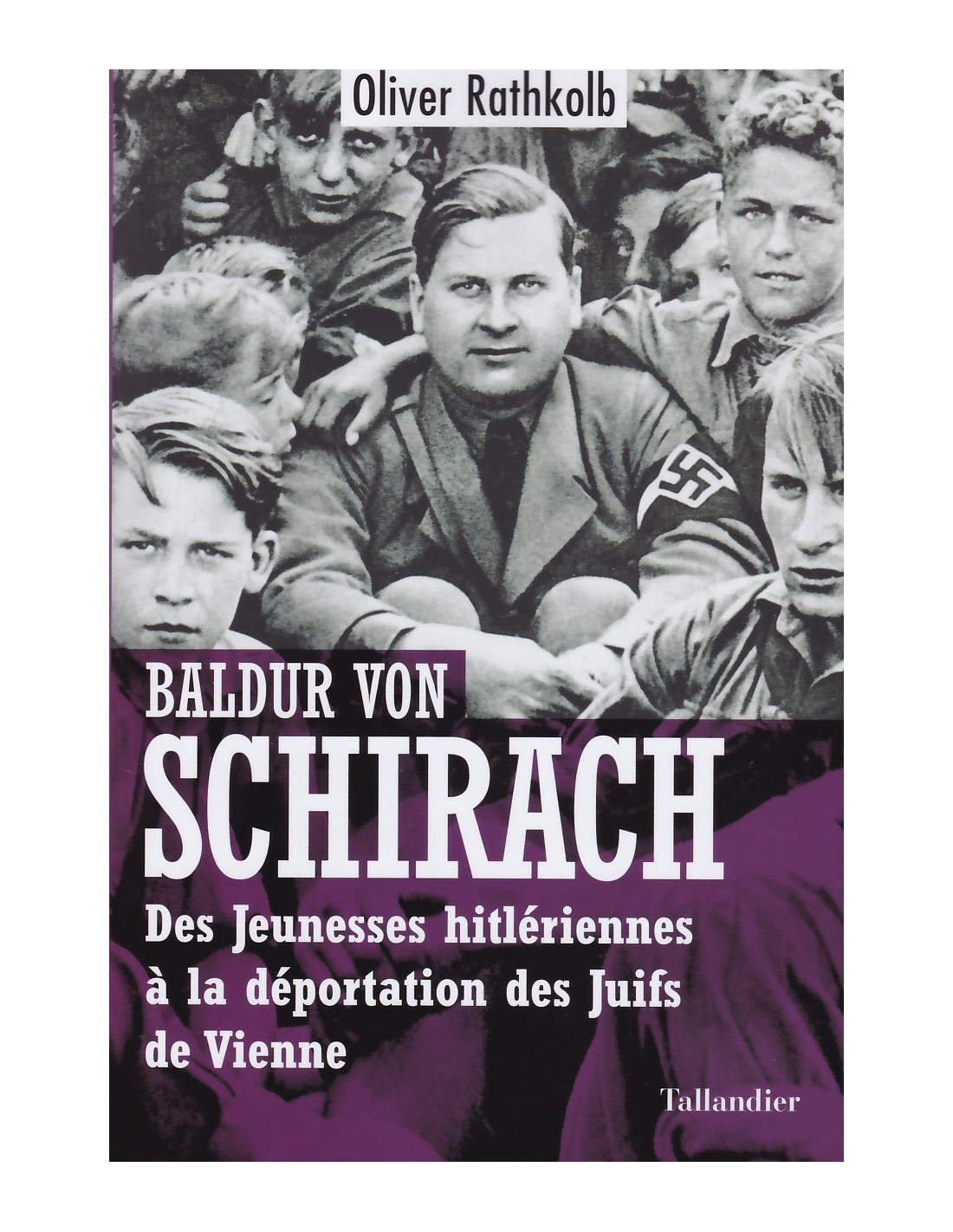
Baldur Von Schirach - From the Hitler Youth to the Deportation of the Jews of Vienna
From the upper echelons of the Prussian bourgeoisie, Baldur von Schirach spent his childhood in the shadow of his father, who was committed to the far right. An ambitious young man, Baldur rose rapidly through the Nazi system: he joined the NSDAP at 18 and became leader of the Hitler Youth at 24. He managed its direction and organisation, overseeing the ideological and paramilitary supervision of millions of young people from 1933 onwards.
Married to the daughter of the Führer's personal photographer, Henriette Hoffmann, Baldur von Schirach was appointed Gauleiter of Vienna in 1940. There he organised the persecution and deportation of the Jews and established a forced labour network using the concentration camps of the Mauthausen complex.
He cultivated close ties with the Viennese elite and fostered an active cultural and social life in the Austrian capital. However, after this precocious and spectacular career, the second half of Baldur von Schirach's life is the story of a progressive fall from grace, as he and his wife eventually fell out of favour with Goebbels and then with Hitler himself.
Sentenced to twenty years in prison by the Nuremberg tribunal, released in September 1966, he died in 1974 without having renounced his convictions, reaffirmed in his work I Believed in Hitler.
Austrian historian Oliver Rathkolb has written the first major biography dedicated to this central figure of Nazism.
Secure Payment
Delivery
(+33) 01.79.75.05.50
You might also like