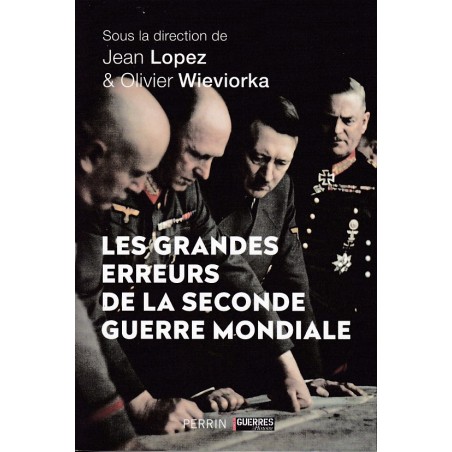
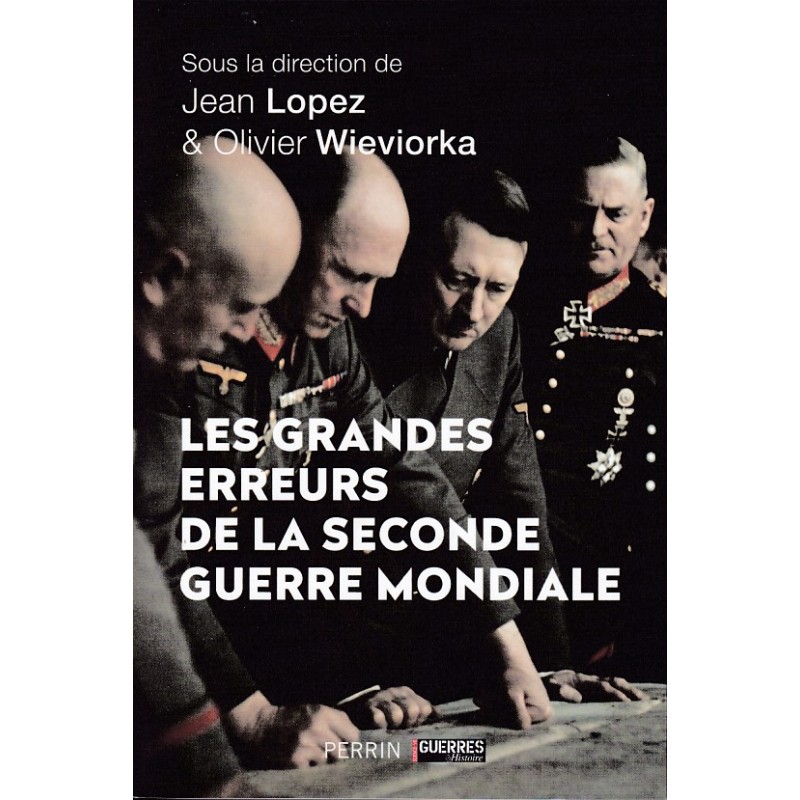
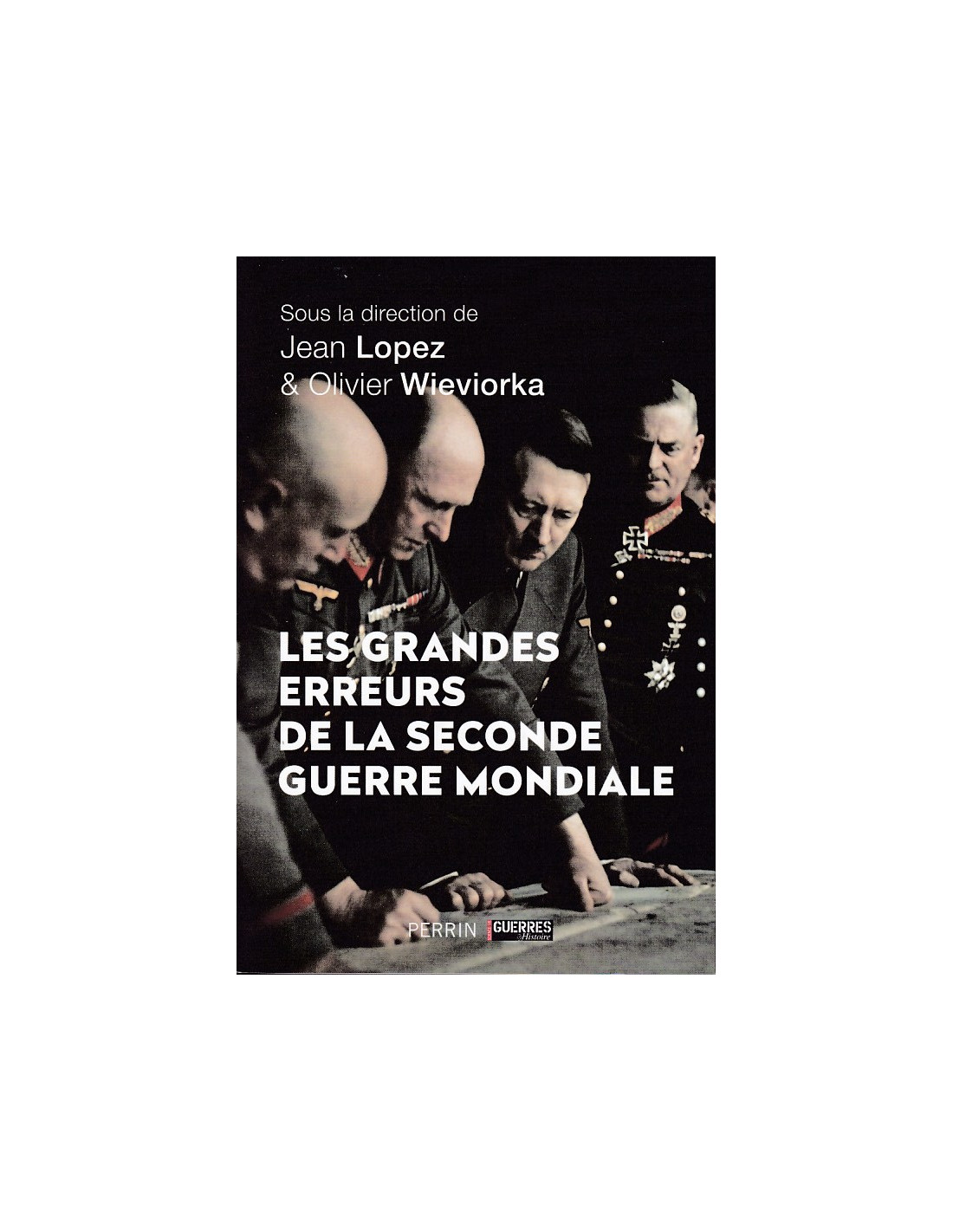
The Great Blunders of the Second World War
The Second World War lasted nearly six years, as long as they were terrible. A duration explained by the formidable means that the belligerents deployed on land, at sea and in the skies — making it futile to hope to defeat the enemy in a single campaign — but also, and in large part, by the mistakes committed. Had Hitler not persisted in winning the Battle of Britain, had France in May 1940 not rashly sent its forces into Belgium and the Netherlands, had the Anglo-Americans not landed in North Africa...
The face of the war would have been altered and its duration most likely shortened. By tracking the mistakes made by both sides, this book, without ever yielding to the temptations of counterfactual history, aims in particular to explore the rationality of the actors involved. For the decisions taken by political leaders or military commanders rested on a set of parameters that must be described in order to understand why they led to failure.
Sometimes imperfect intelligence, often limited resources, at times fallacious assumptions: these were the factors that led, more than once, to disaster. Despite the colossal stakes of a war in which millions of lives hung in the balance, pride, obstinacy, careerism and opportunism also weighed heavily in the making of (poor) decisions. All these celebrated or little-known scenarios are illustrated, from Stalingrad to "Market Garden", from Japanese naval strategy to the Warsaw Uprising, across twenty contributions by the foremost specialists of the Second World War. Short, incisive chapters in the service of an innovative reading of the conflict.
Secure Payment
Delivery
(+33) 01.79.75.05.50
You might also like