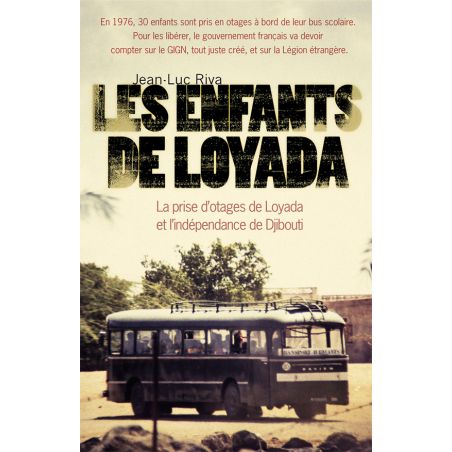
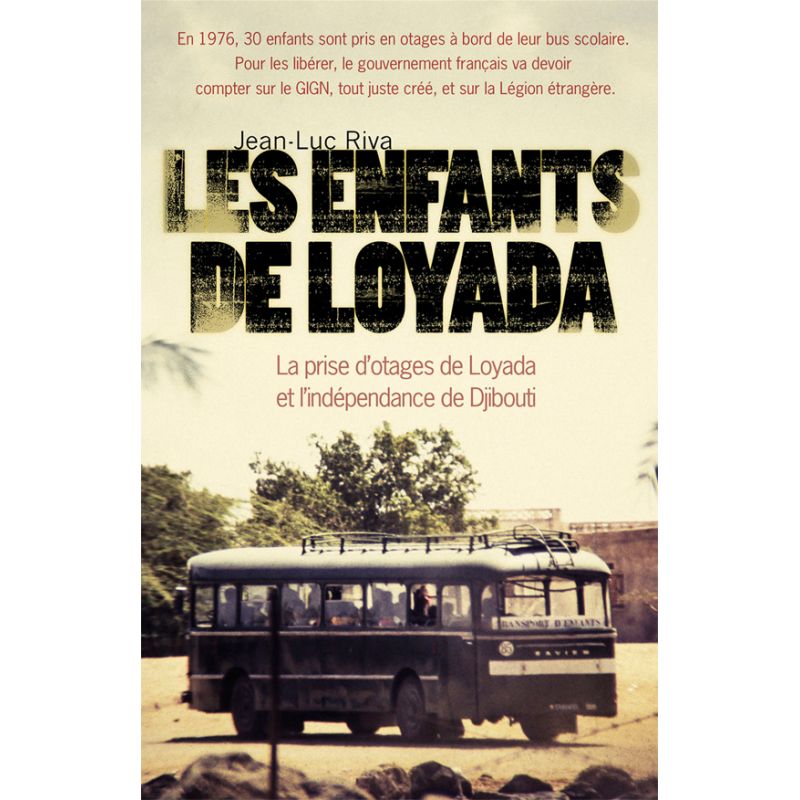
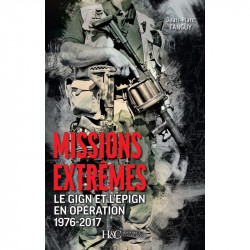
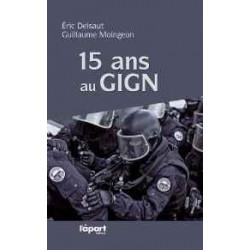
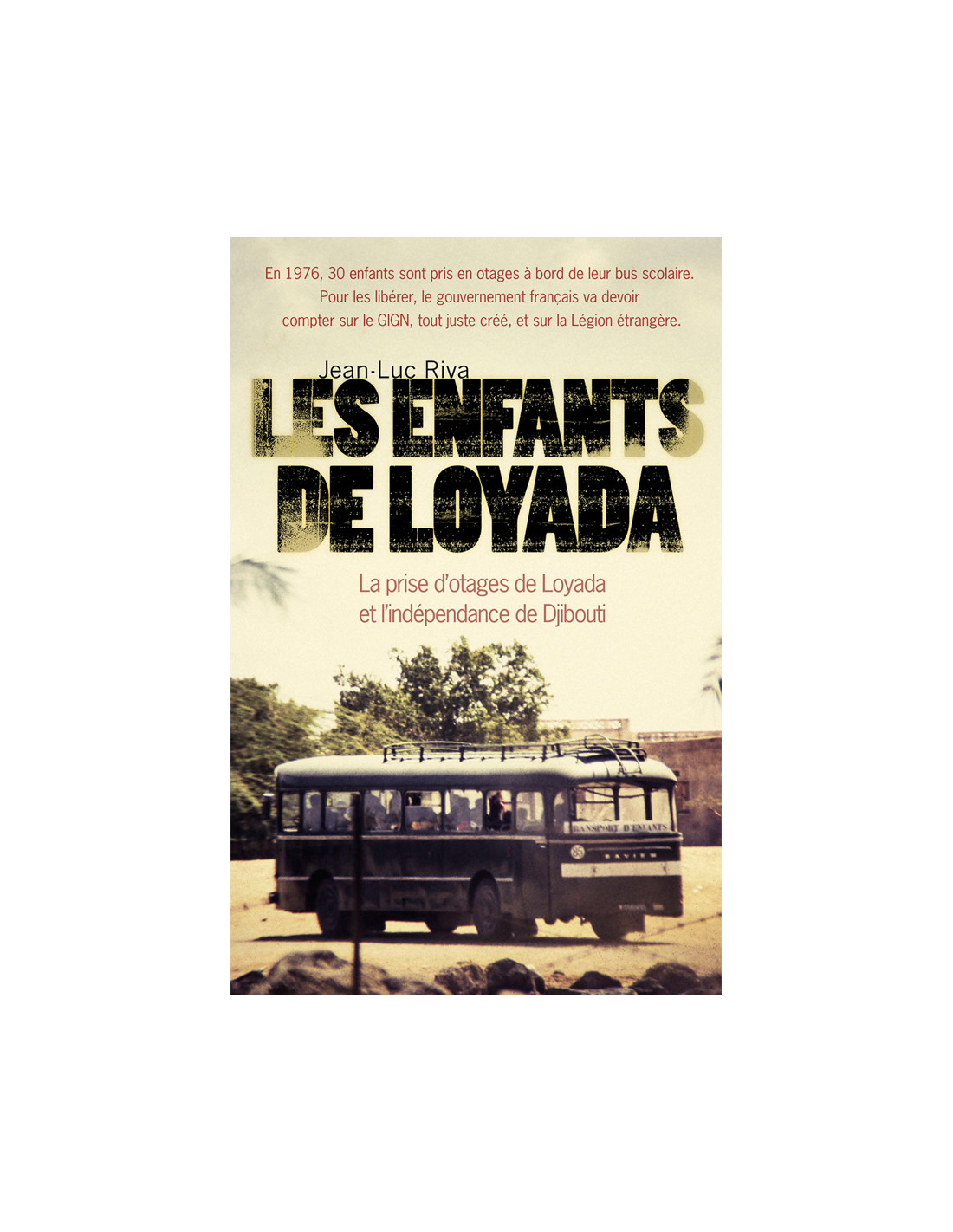
In 1976, and for several years already, the French Territory of the Afars and the Issas had been facing serious independence unrest. The capital, Djibouti, was ringed by numerous gendarmerie checkpoints while legionnaires patrolled nearby villages in search of weapons caches or infiltrated independence fighters. The atmosphere was electric, the heat stifling. On that Tuesday morning of 3 February, a school bus from Djibouti Air Base 188 was collecting children of French military personnel from various points around the city. But on that day, everything changed. Four independence fighters from the Front for the Liberation of the Somali Coast suddenly forced their way onto the bus and, at gunpoint, ordered the young driver to floor the accelerator and run the gendarmerie checkpoints to flee the city — before being forced to stop at the Loyada border post. It was just past 7:30 a.m. The Loyada hostage crisis had just begun. For the French government, there could be no question of yielding to the hostage-takers' unrealistic demands. The decision was made to send to Djibouti elements of a unit still unknown to the public: the GIGN (Groupe d'intervention de la Gendarmerie nationale). At its head, Christian Prouteau, a young long-haired lieutenant who had never stopped recruiting the best men and training them in revolutionary shooting techniques. On the ground, he would have to work alongside the legionnaires of the 2e REP to plan an assault in the event that no negotiation proved possible. As the hours passed and the hostage-takers remained inflexible, a violent outcome seemed inevitable. After more than thirty hours of extreme tension, a rescue operation was finally decided upon — an operation that would turn into a full-scale combat mission, as independence reinforcements had massed throughout the night on the other side of the border. The soldiers engaged would have to attempt the impossible to save the lives of the thirty children...