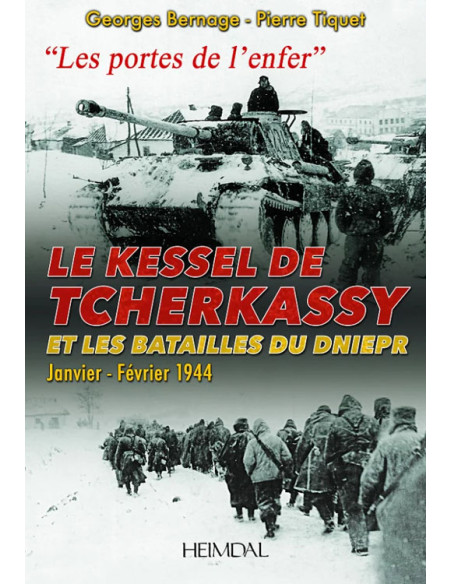
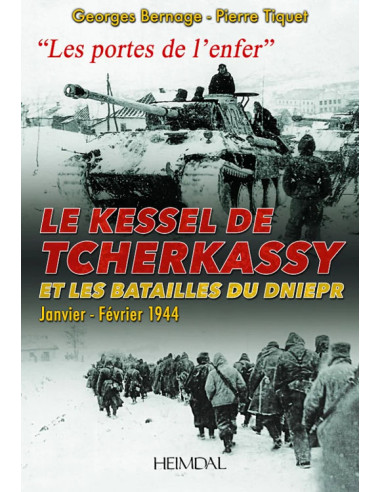
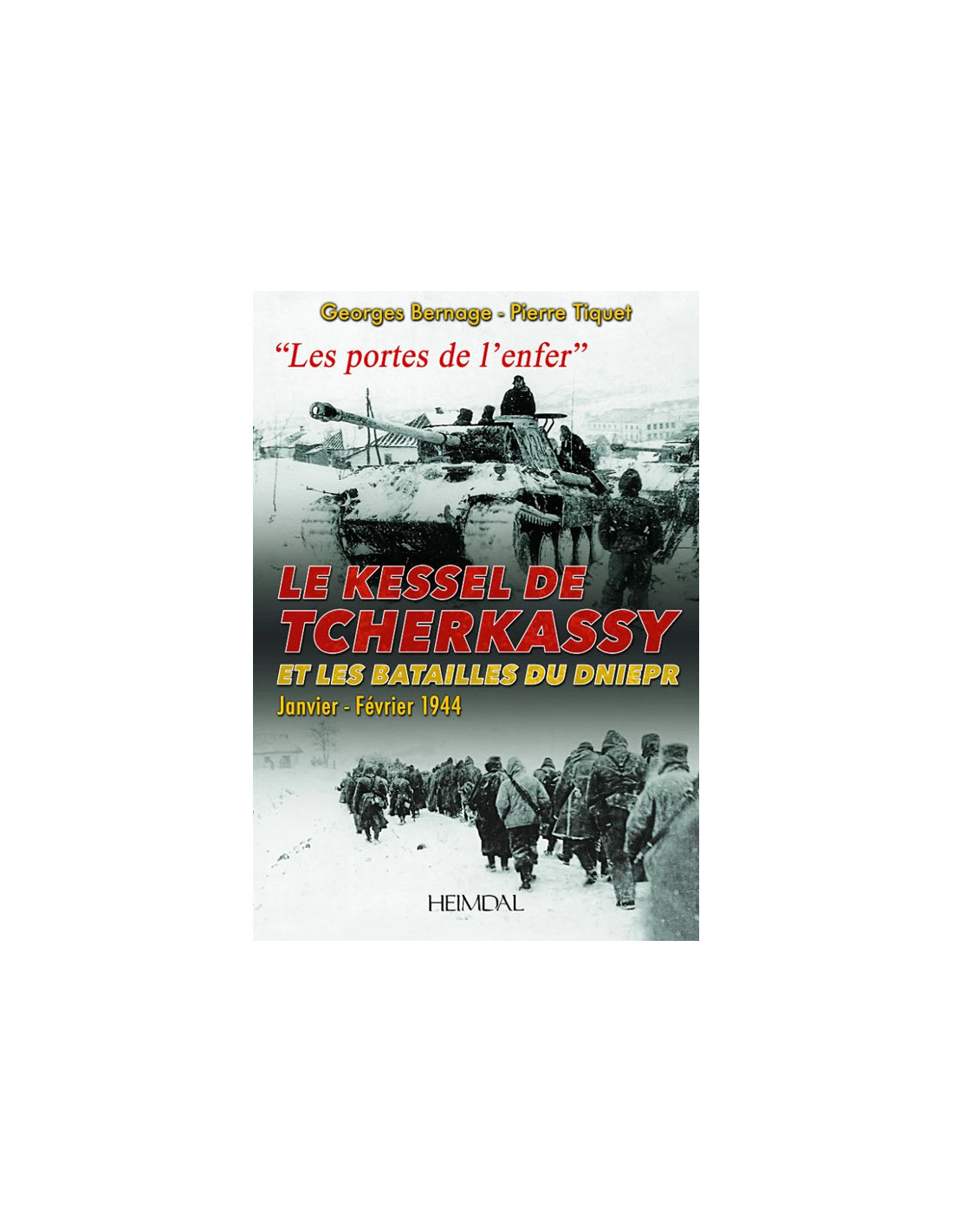
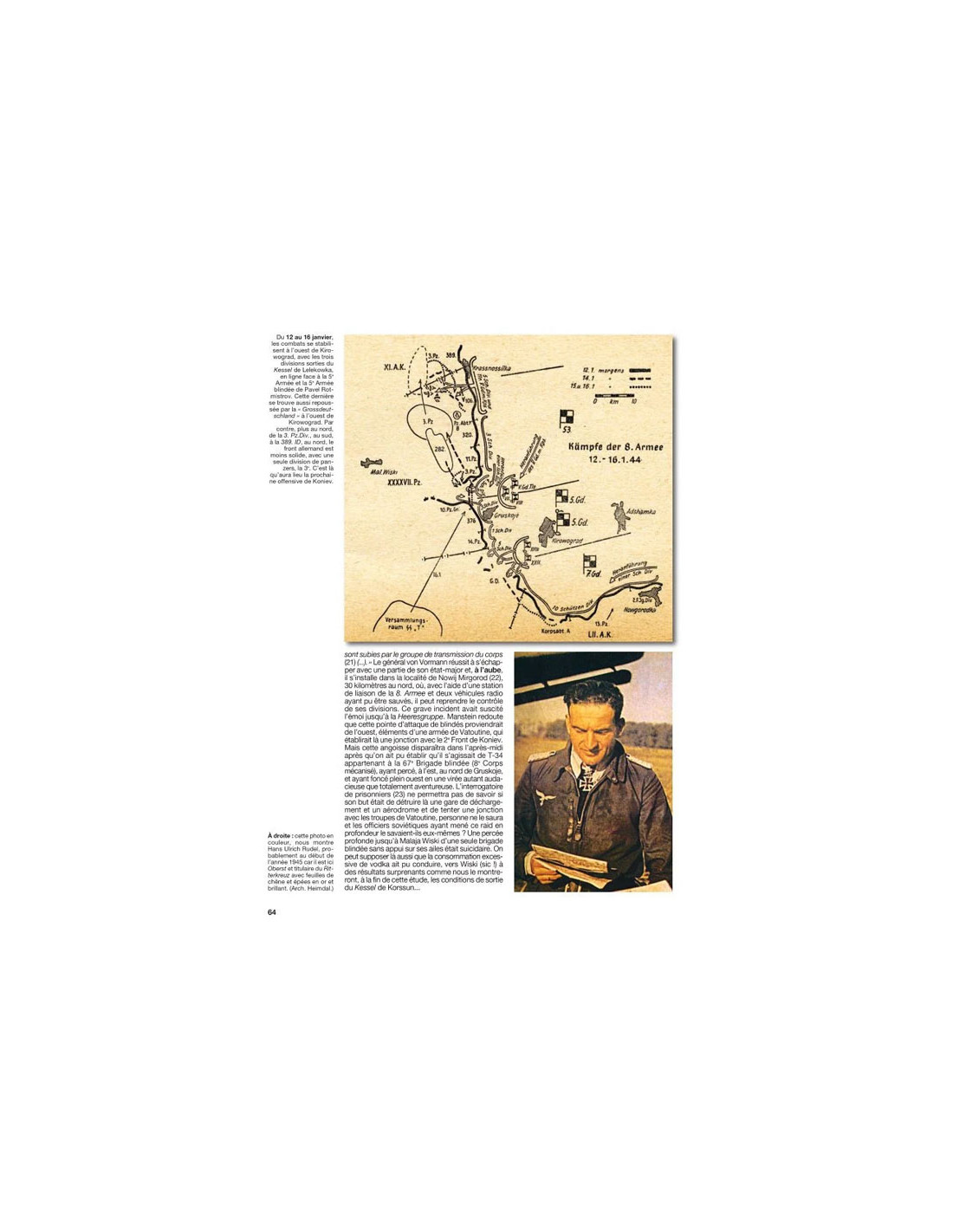
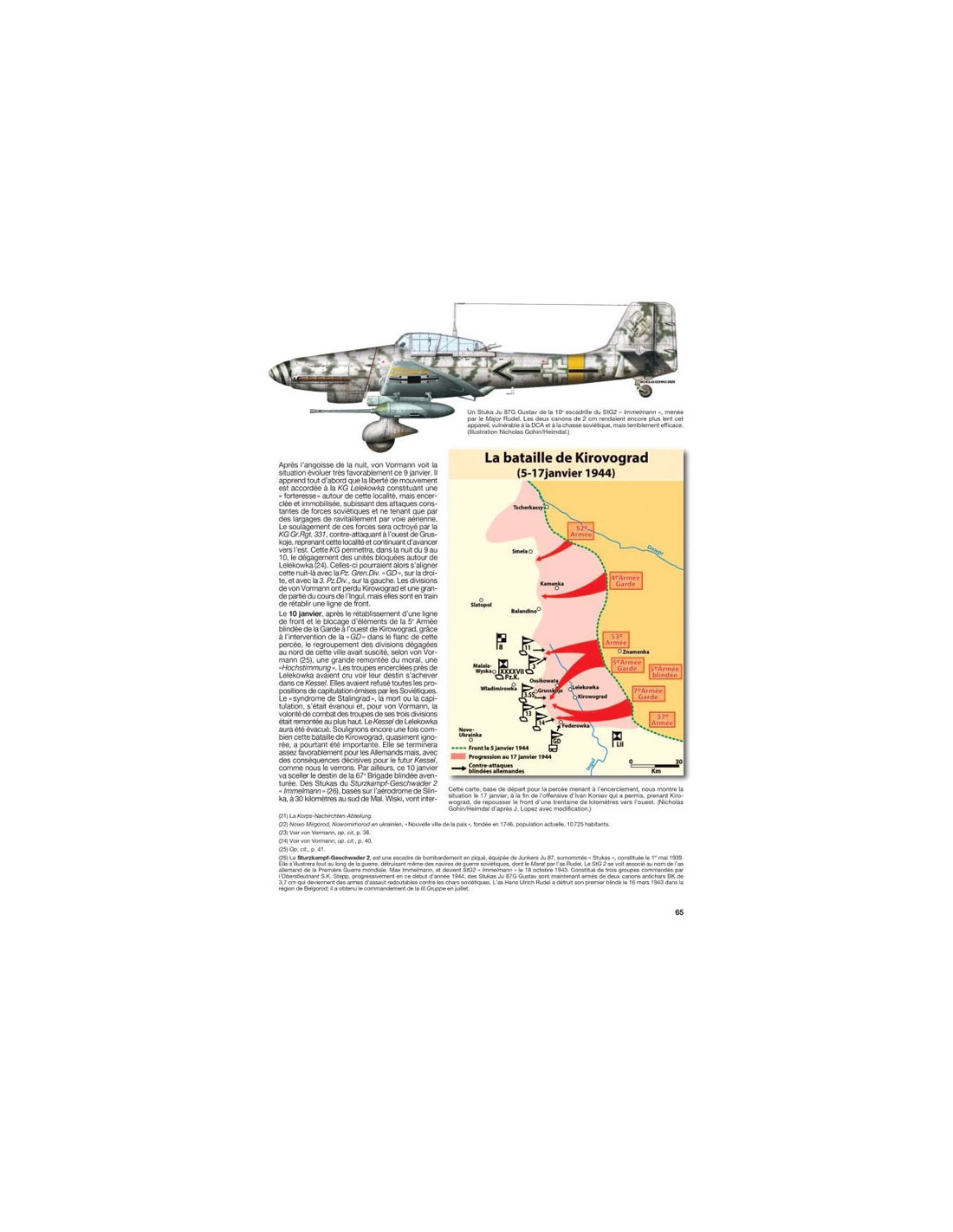
THE KORSUN-CHERKASSY POCKET AND THE BATTLES OF THE DNIEPER - January, February 1944
The Gates of Hell
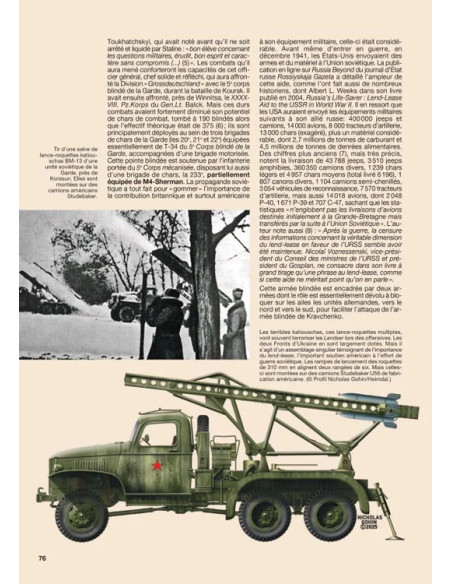
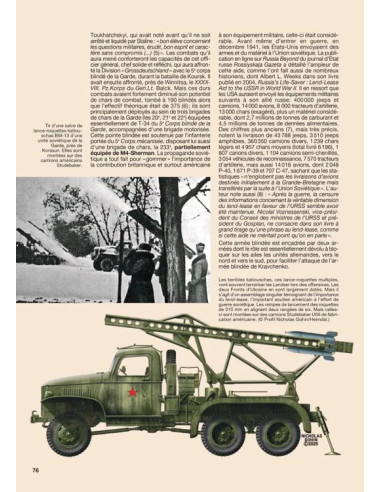
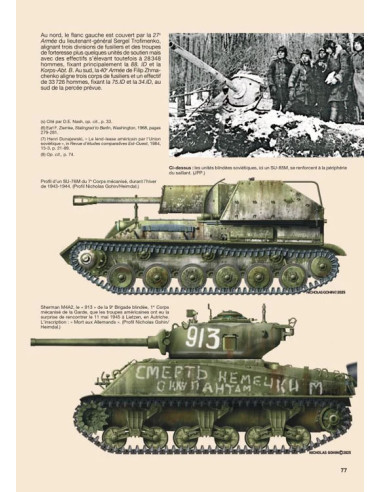
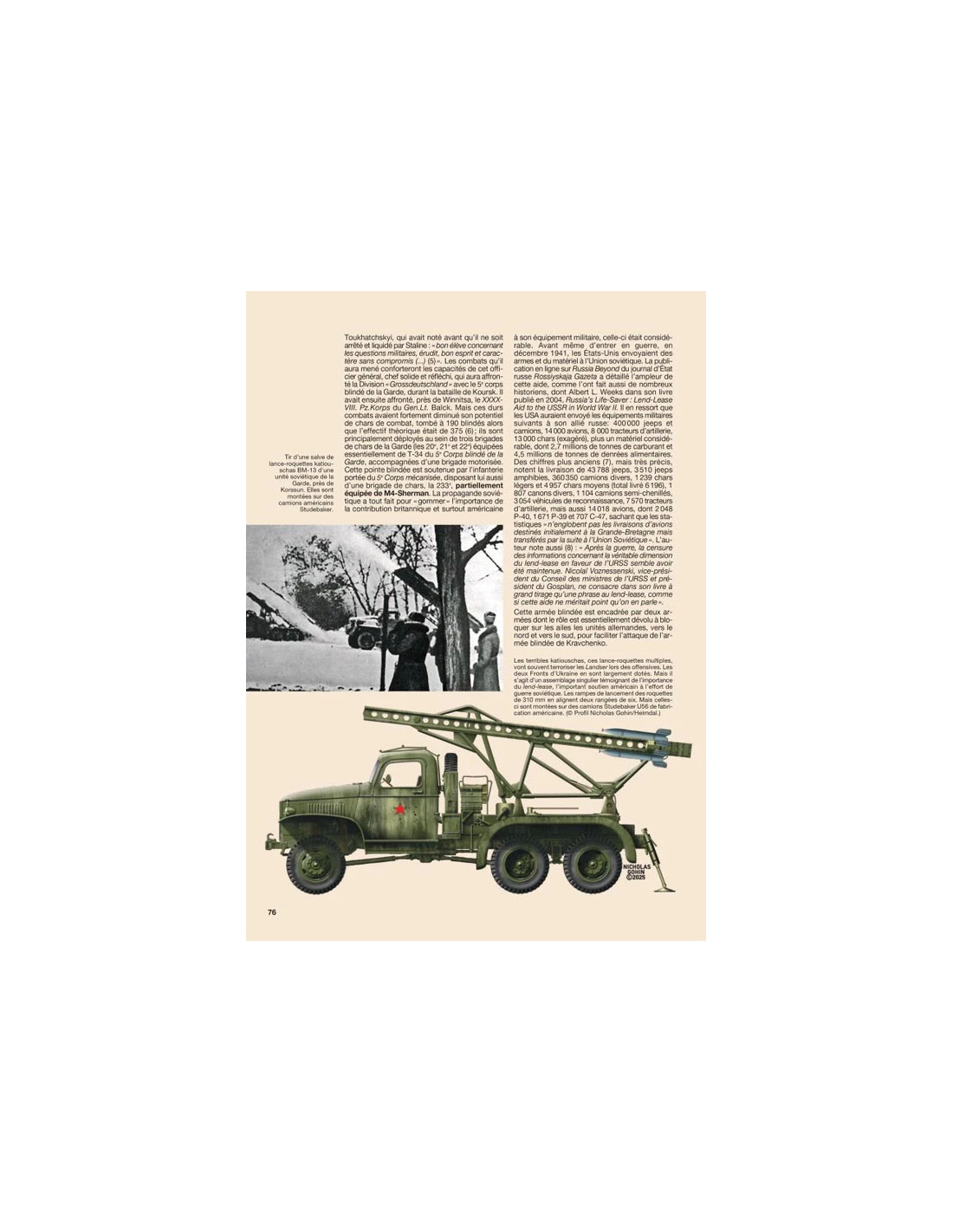
Autumn 1943: following the German withdrawal after the Battle of Kursk, the Red Army poured across the vast Ukrainian steppe towards the Dnieper. This great river was intended by the Germans to serve as a stop line to halt a Soviet army of ever-growing strength, reinforced by a continuous flow of Allied materiel — hundreds of thousands of vehicles, including those carrying the famous « Stalin's organs », and nearly eleven thousand armoured vehicles.
But the river was crossed at Kiev, to the west of what would become the « Kanev-Cherkassy salient », as well as to the east. This salient was held on Hitler's orders as a base for reconquering the banks of the Dnieper, but it quickly attracted the attention of the Soviet command.
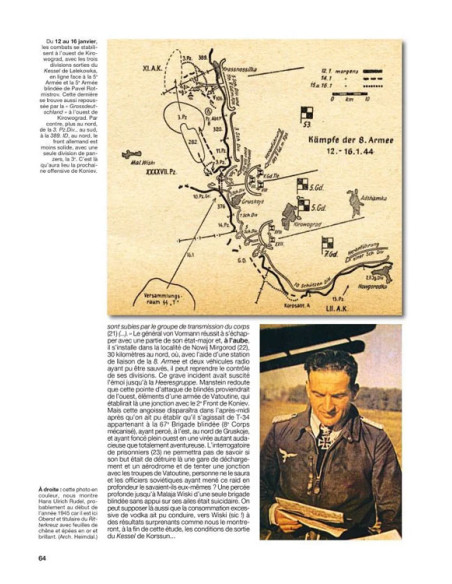
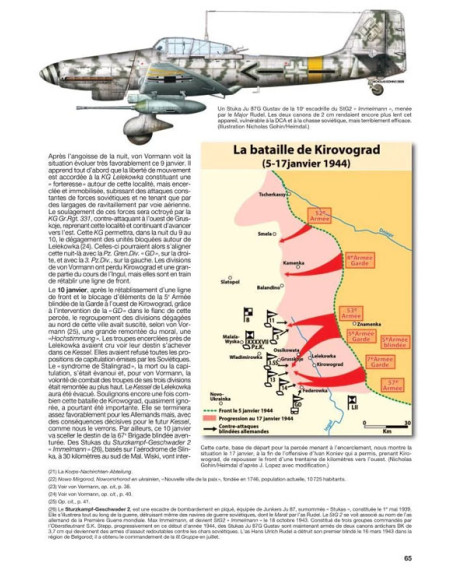
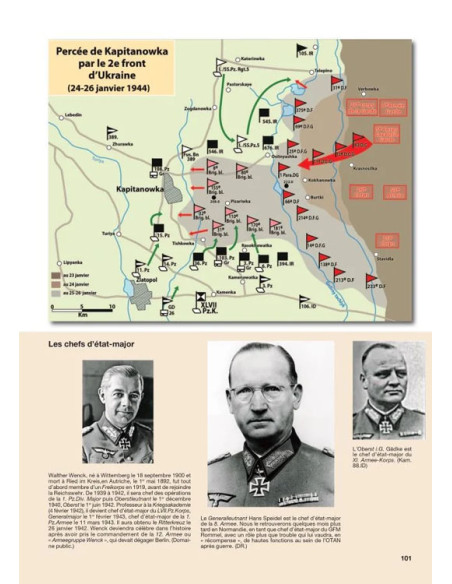
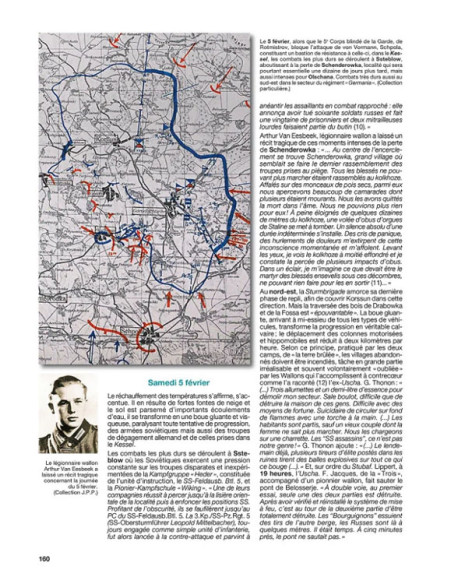
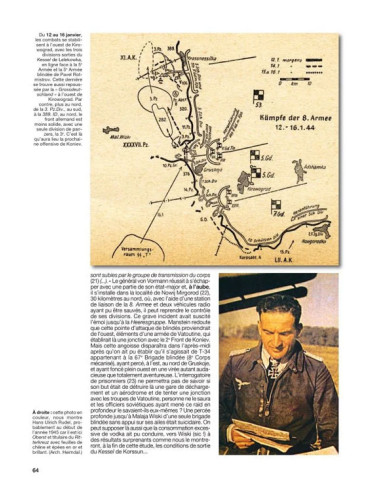
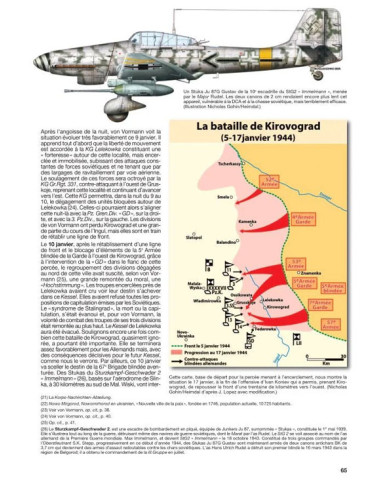
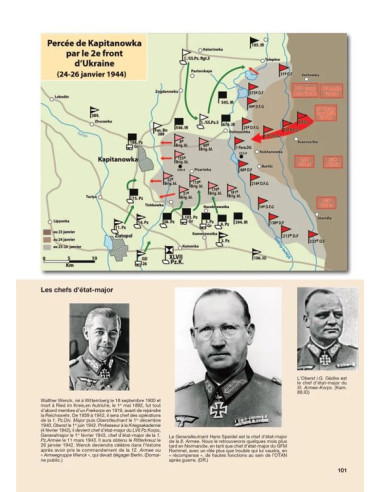
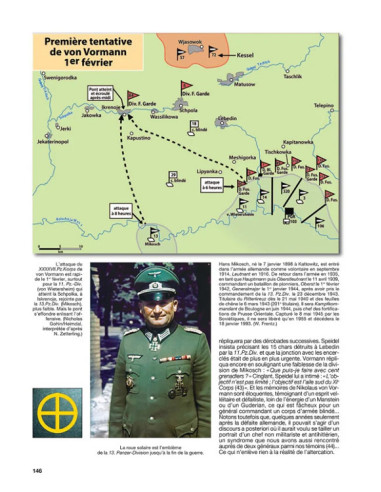
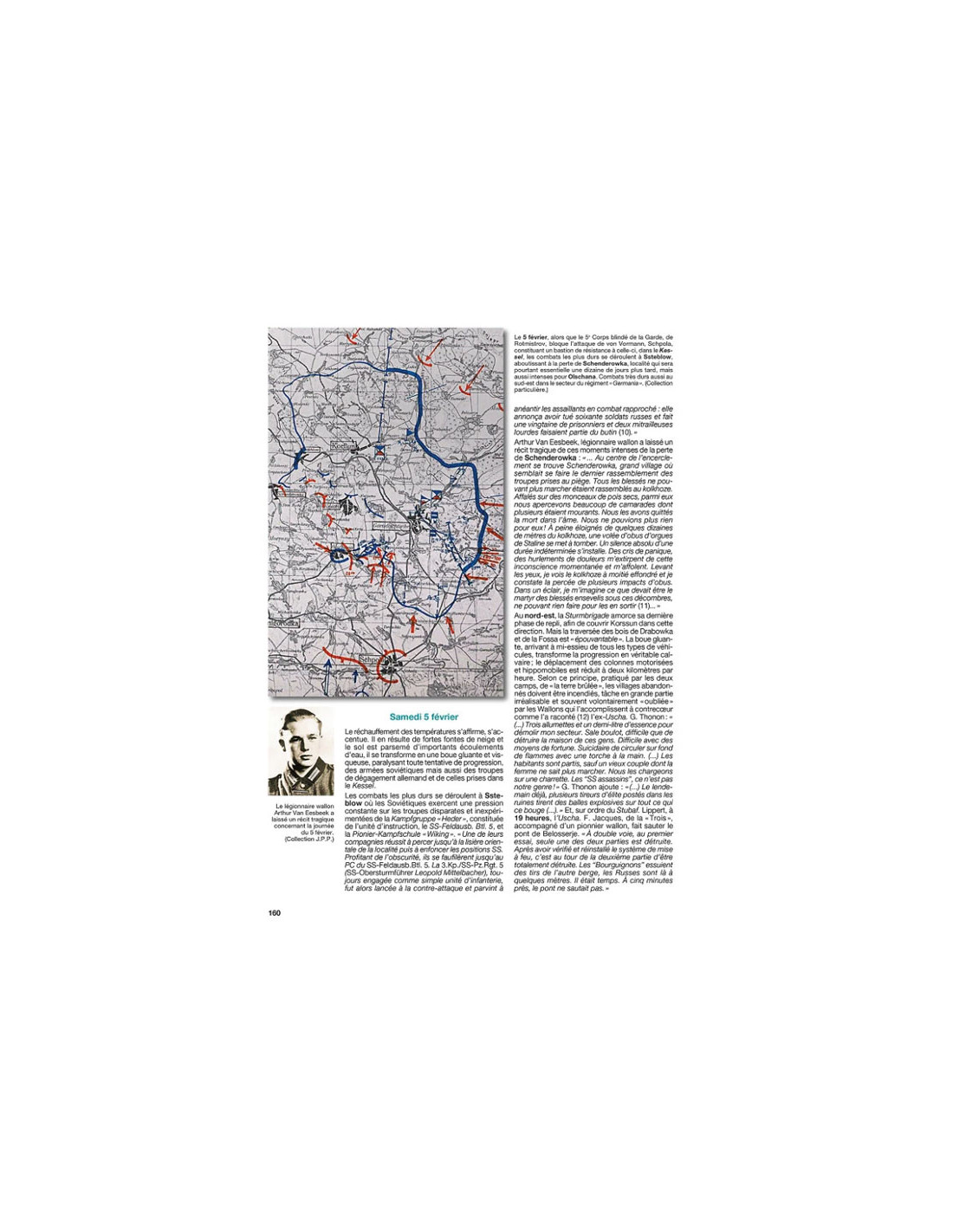
Thus, the 1st Ukrainian Front (Vatutin) and the 2nd Ukrainian Front (Konev) broke through on 28 January 1944 at the base of this salient, creating a pocket — a Kessel — that trapped 59,000 German and allied soldiers.
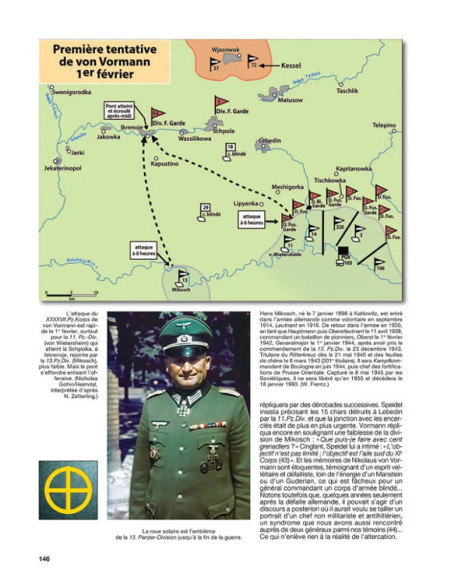
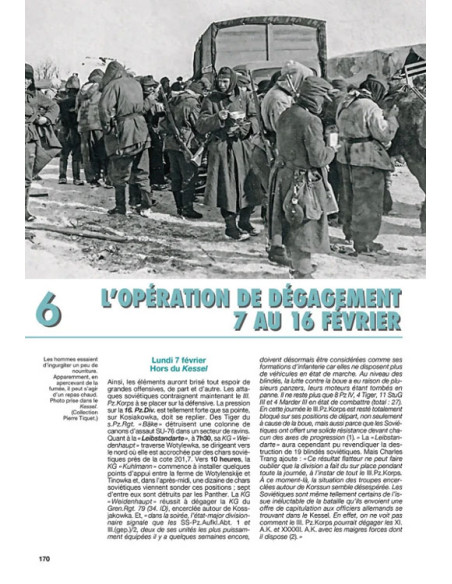
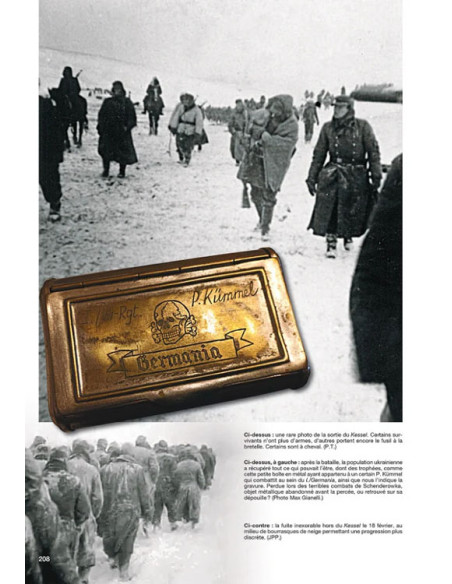
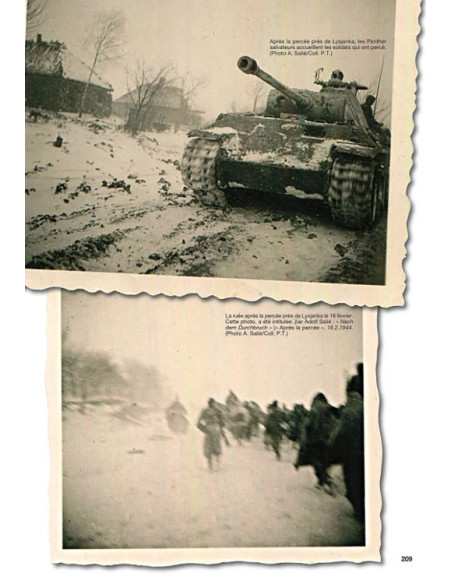
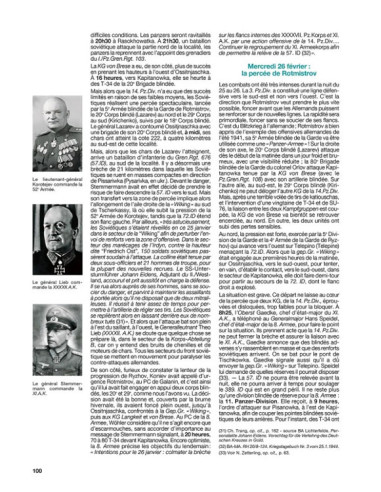
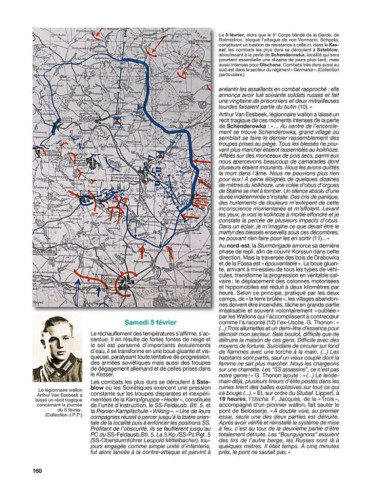
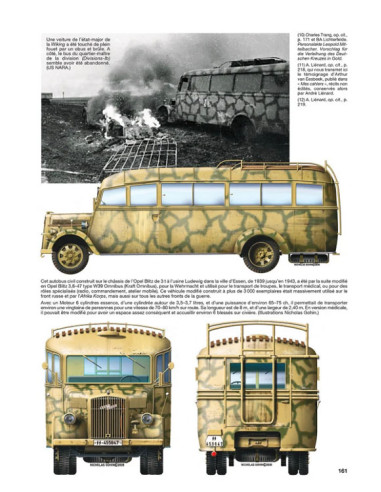
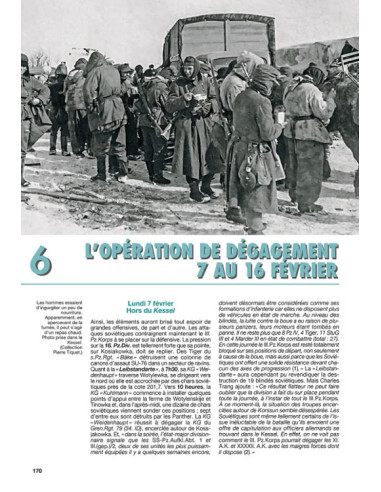
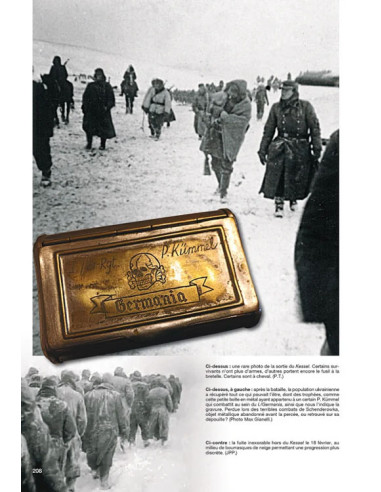
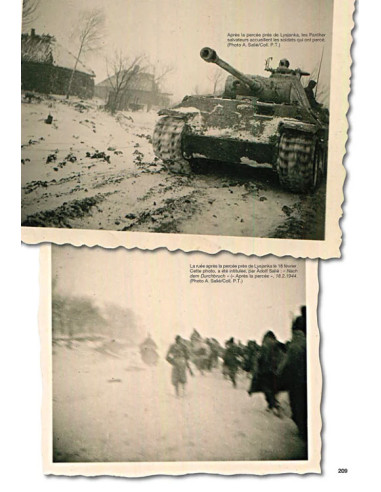
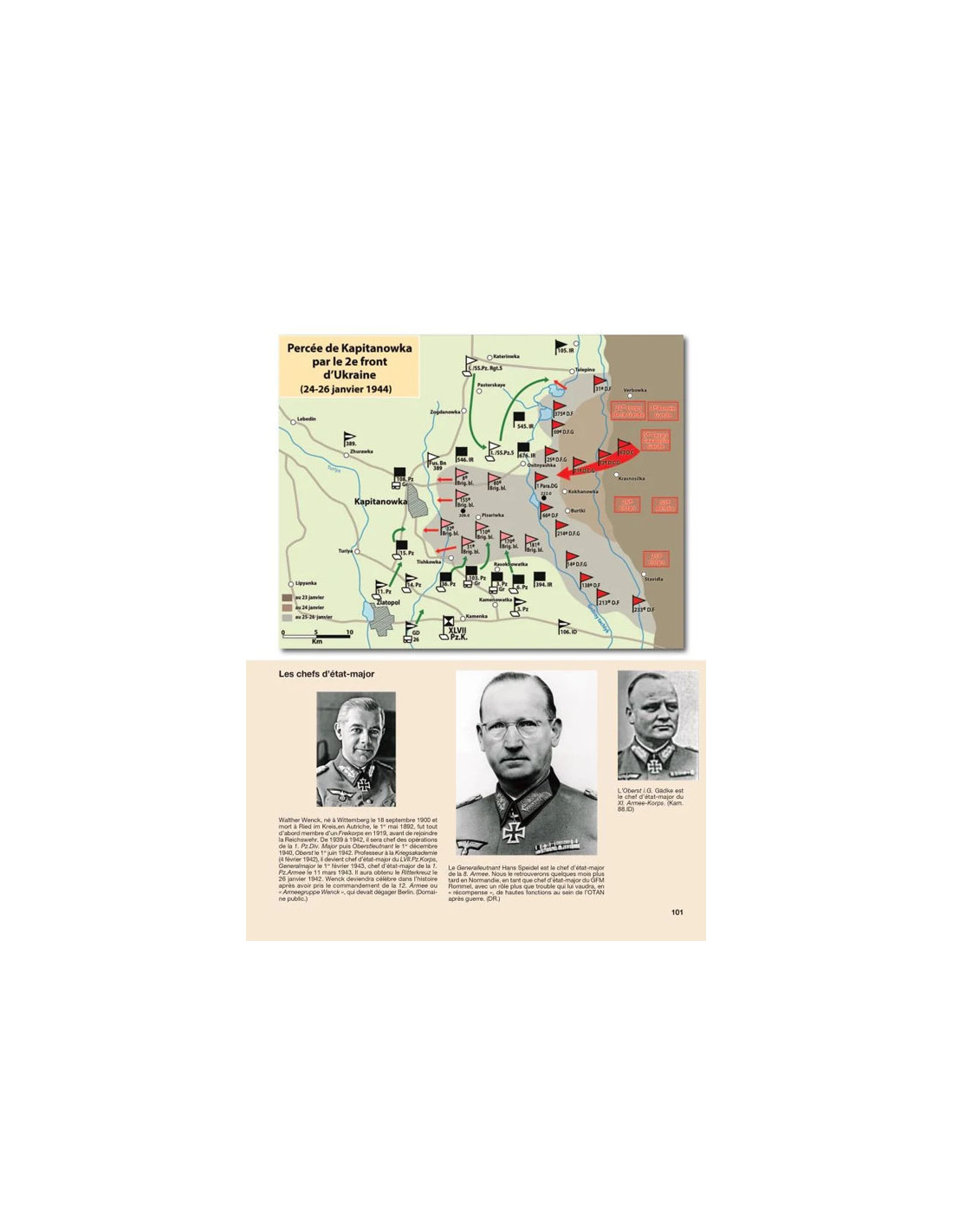
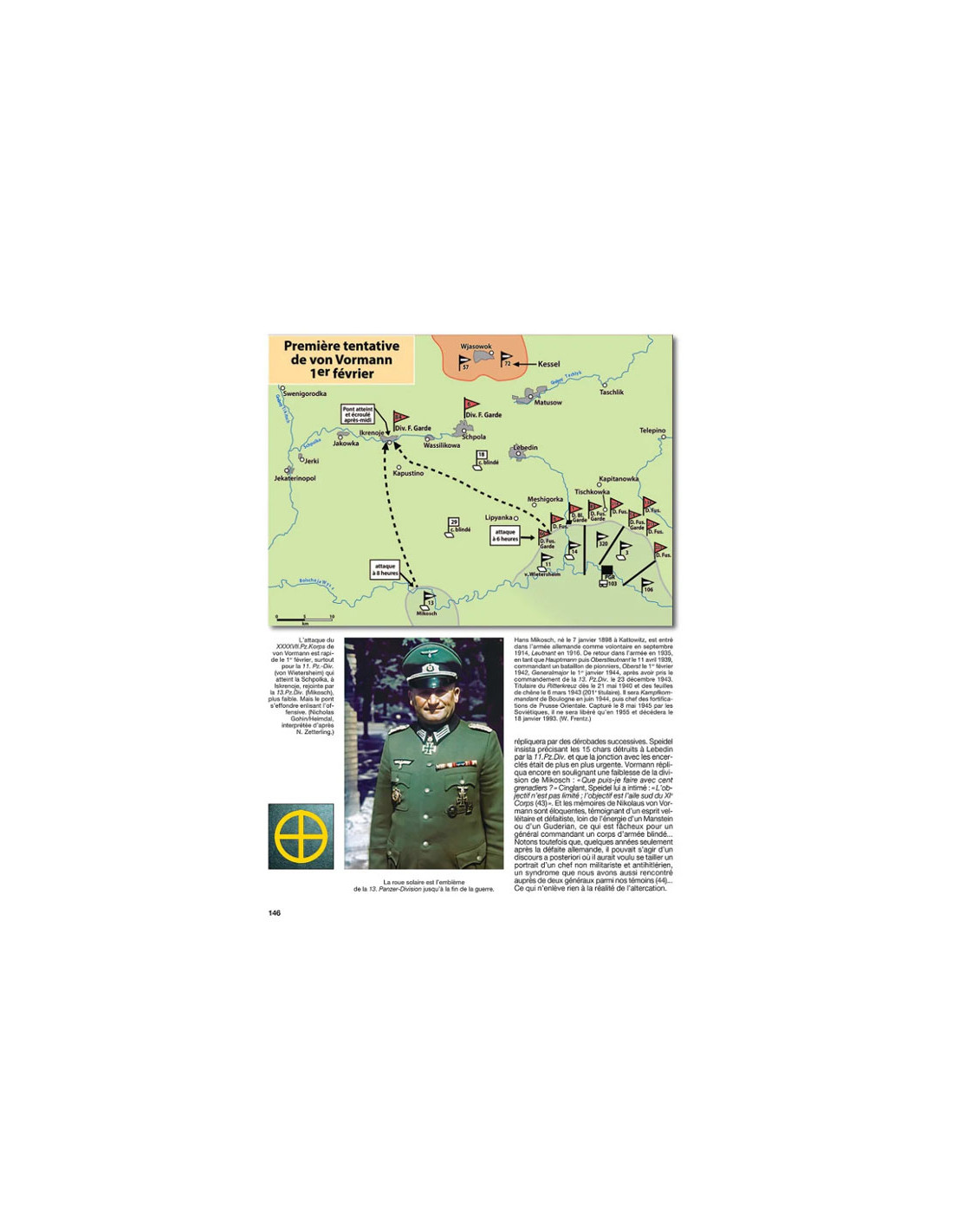
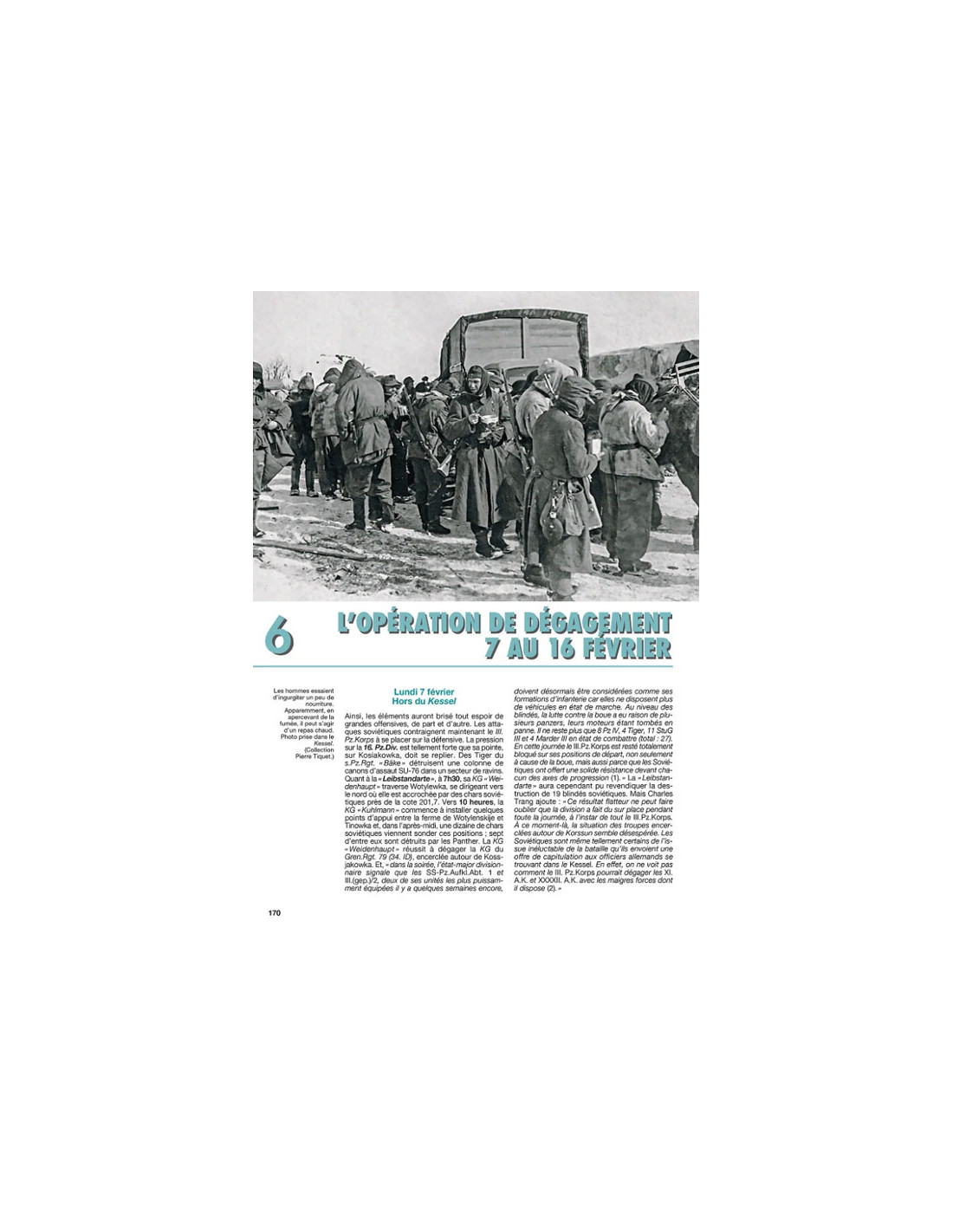
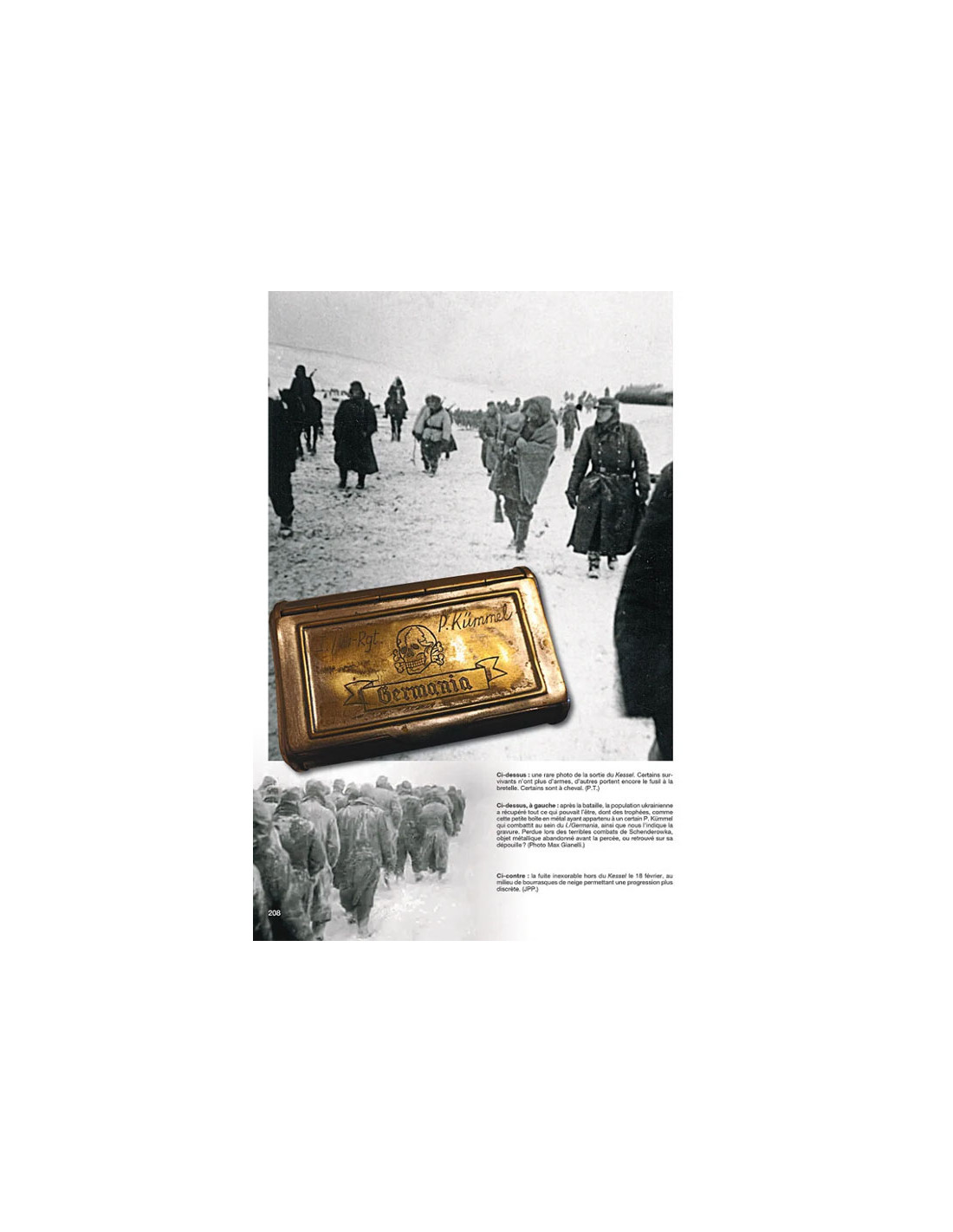
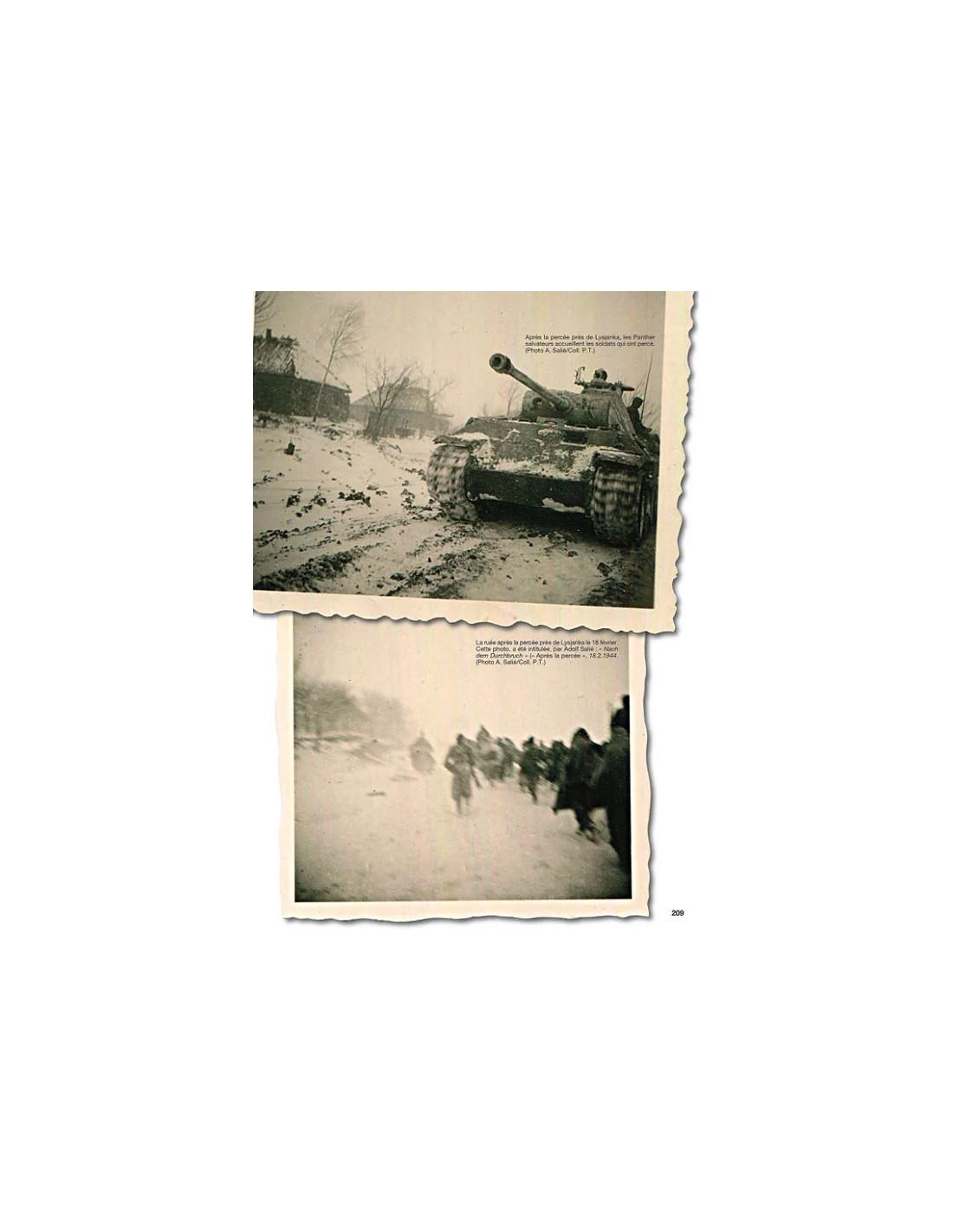
The second part of this work follows, day by day, the fierce fighting that threatened the Kessel with destruction, as well as the external offensives mounted in an attempt to relieve it. Panzers would come to within less than ten kilometres of the encircled troops, who would ultimately have to break out under terrible conditions beginning on the night of 16 to 17 February.
Against all odds, 64% of the encircled troops managed to escape, joining several thousand wounded already evacuated by an airlift.
The « Battle of Cherkassy-Korsun » would give rise to fierce controversy: a crushing victory for the Soviets — who would claim, incorrectly, that no one could have escaped — and an incredible achievement for the Germans. In this extensively documented work, testimonies and figures speak for themselves.
Secure Payment
Delivery
(+33) 01.79.75.05.50
You might also like