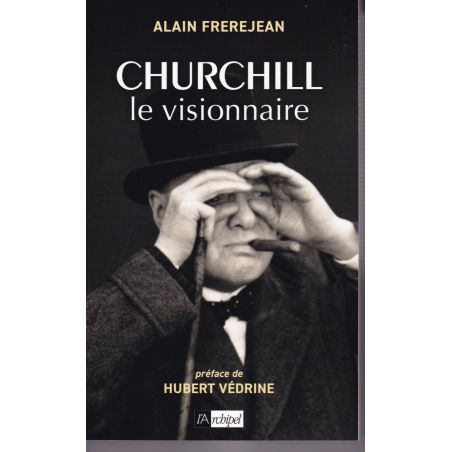
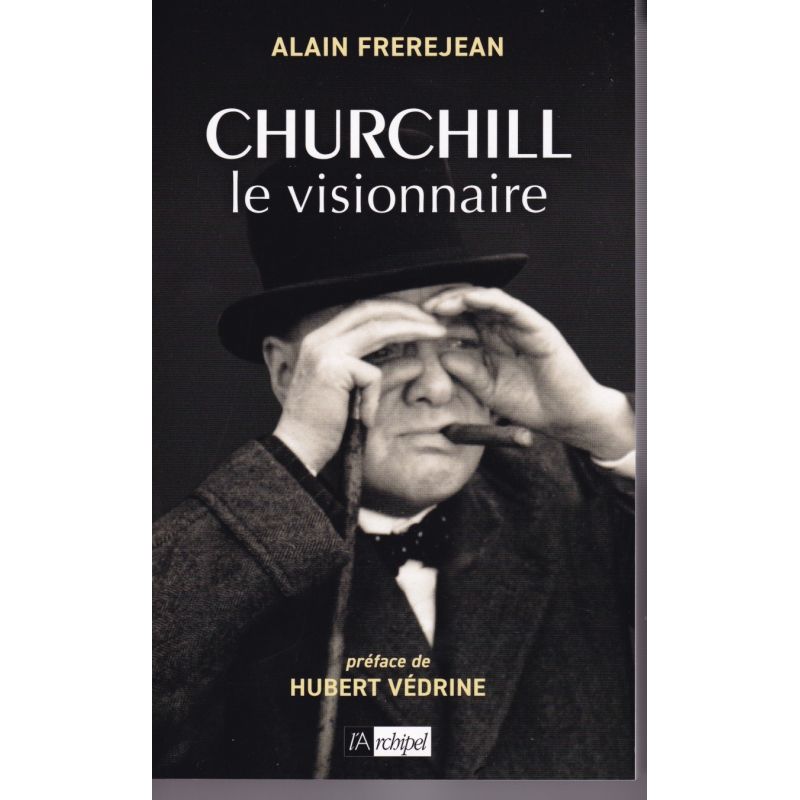
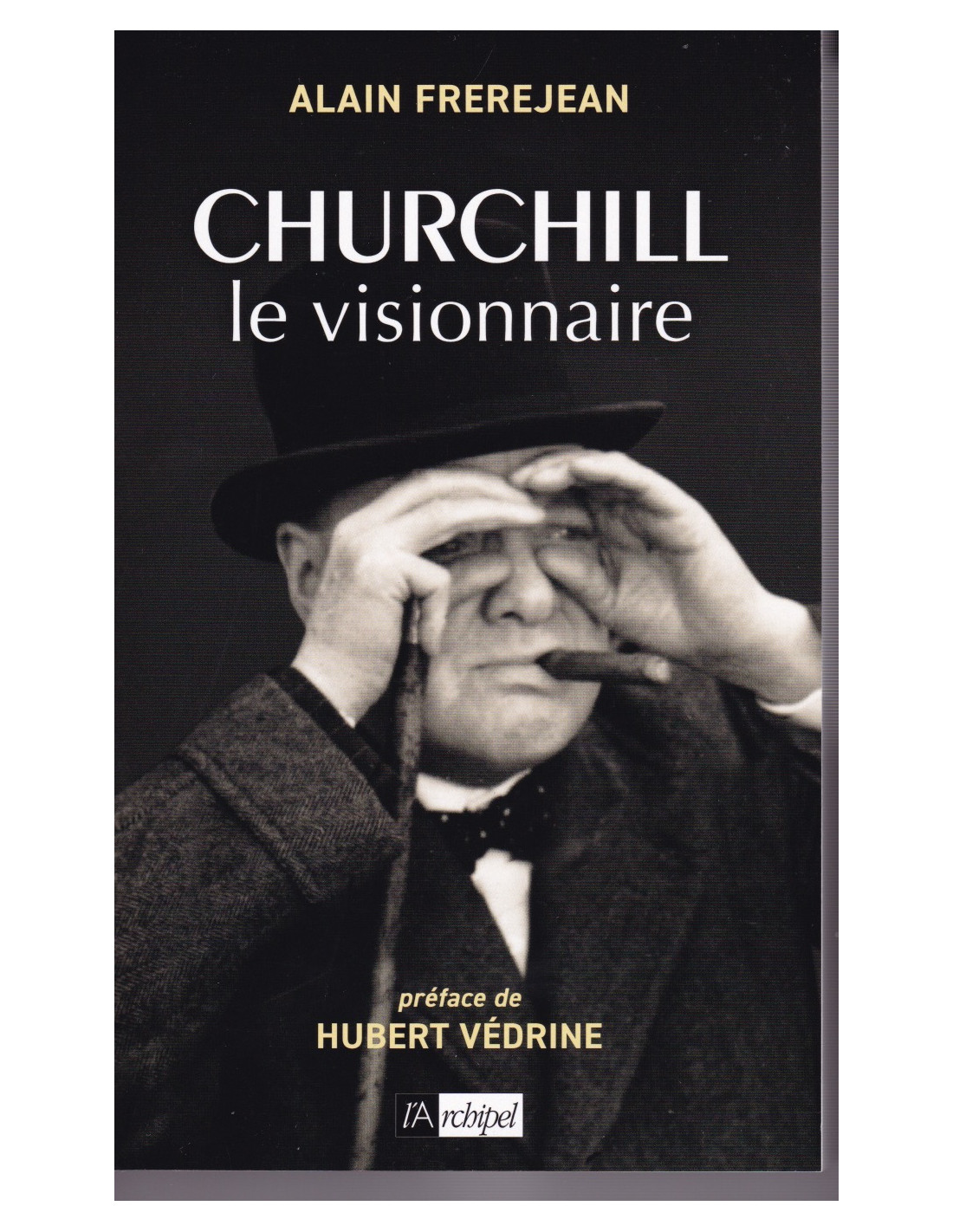
Churchill – The Visionary
Churchill sounded the alarm about German militarism as early as 1908, about the Bolshevik threat from 1919, about the Nazi peril from 1932, about Stalinist imperialism from 1943… His "visions" contributed to making the statesman a "whistleblower," and this biography draws an original portrait of him on the occasion of the 150th anniversary of his birth on 30 November 1874.
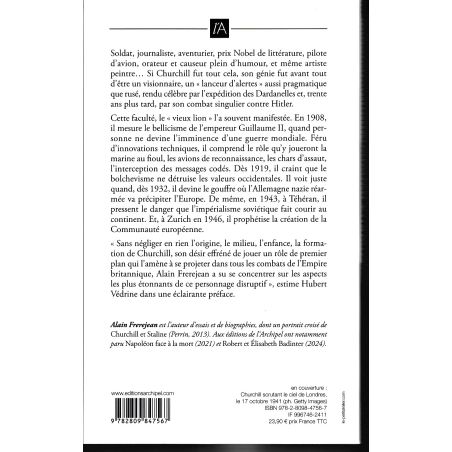
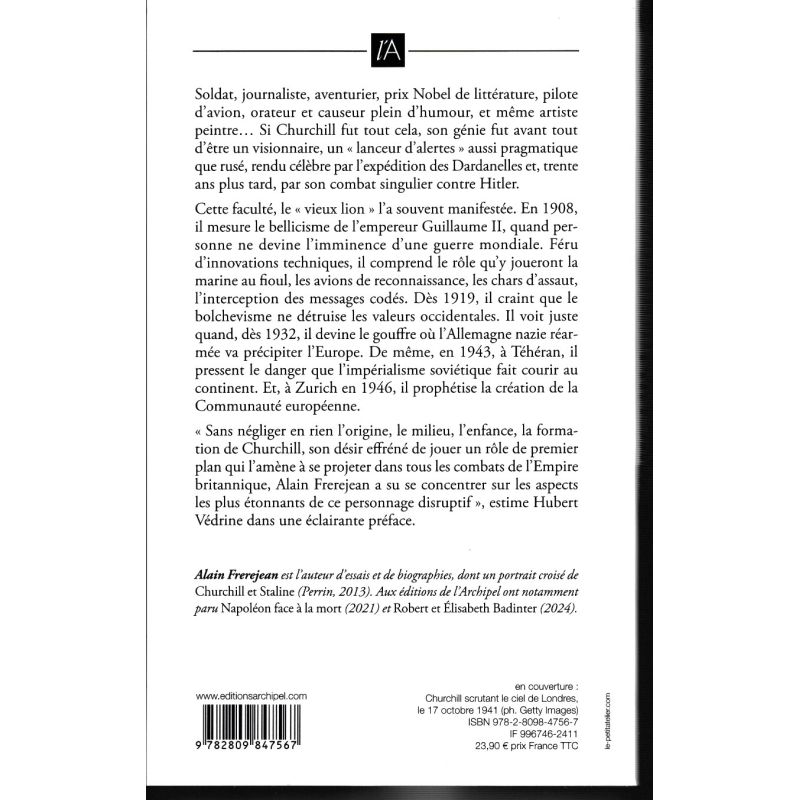
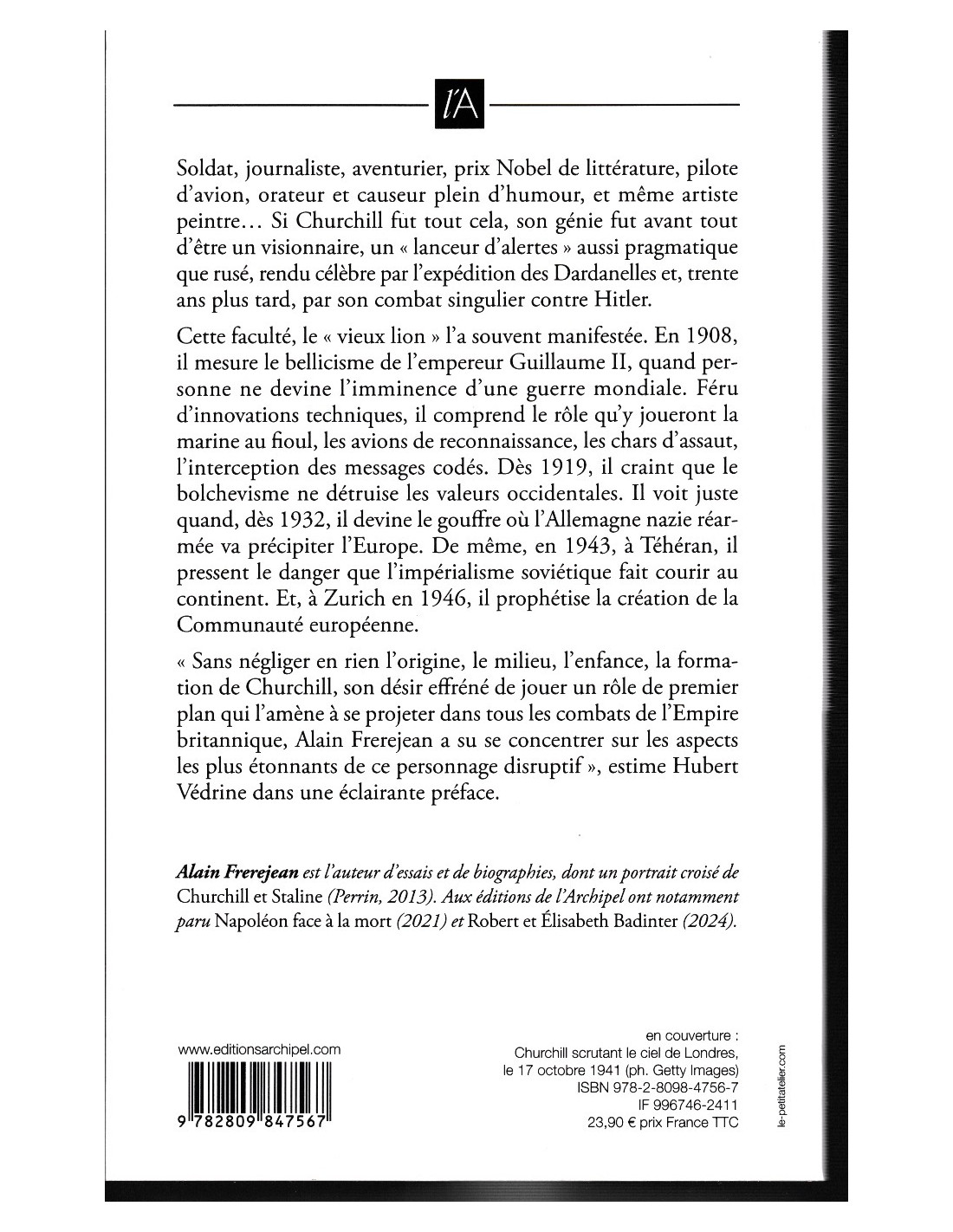
Soldier, journalist, adventurer, Nobel Prize in Literature, aviator, orator and witty conversationalist, and even painter… If Churchill was all of these things, his genius was above all that of a visionary — a "whistleblower" as pragmatic as he was shrewd, made famous by the Dardanelles expedition and, thirty years later, by his singular struggle against Hitler.
The "old lion" demonstrated this faculty on many occasions. In 1908, he gauged the bellicosity of Emperor Wilhelm II at a time when no one foresaw the imminence of a world war. A keen enthusiast of technical innovation, he grasped the role that oil-powered navies, reconnaissance aircraft, tanks, and the interception of coded messages would play in it. As early as 1919, he feared that Bolshevism would destroy Western values. He was proved right when, from 1932 onwards, he foresaw the abyss into which a rearmed Nazi Germany would plunge Europe. Likewise, in 1943, at Tehran, he sensed the danger that Soviet imperialism posed to the continent. And, in Zurich in 1946, he prophesied the creation of the European Community.
"Without neglecting in any way Churchill's origins, background, childhood, and formation — nor his unbridled desire to play a leading role that drew him into every struggle of the British Empire — Alain Frerejean has managed to focus on the most remarkable aspects of this disruptive figure," writes Hubert Védrine in an illuminating preface.
Secure Payment
Delivery
(+33) 01.79.75.05.50
You might also like