the Gebirgsjäger are the descendants of Austrian mountain troops, tank crewmen those of the Prussian hussars; the Litzen of Frederick II's troops can be found on the collar patches of Heer soldiers, etc.
Even the Waffen-SS, whose commanders had little appreciation for the army's conservatism, would adopt its military traditions, giving some of their units the name of a reiter, a landsknecht or a German dynasty. Knowing these details allows one to "read" a period photograph: recognising a unit, a uniform, a weapon or a decoration can help date a photograph, determine where it was taken, and understand what it represents.
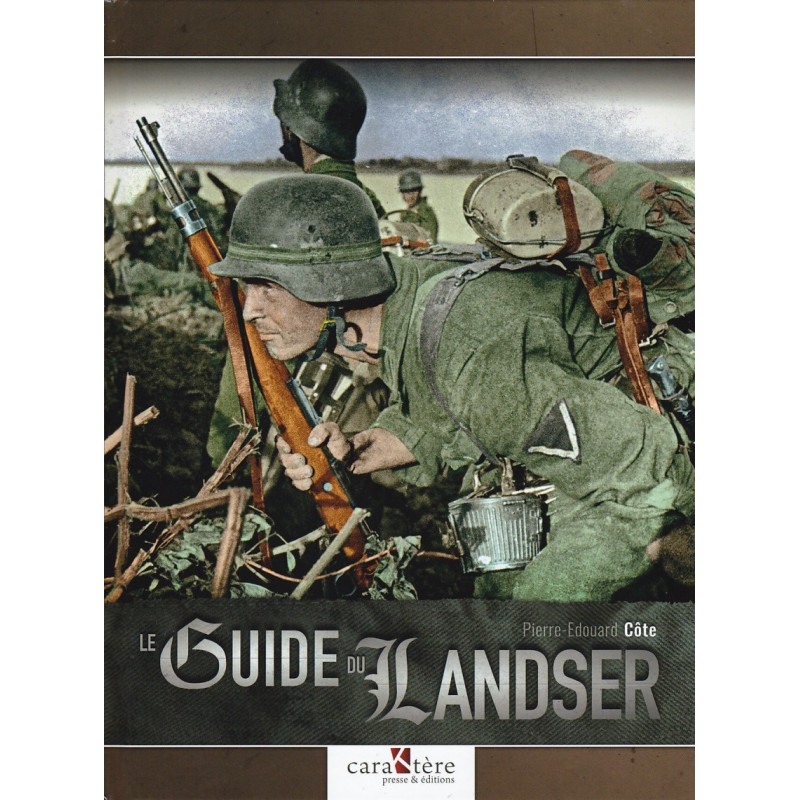
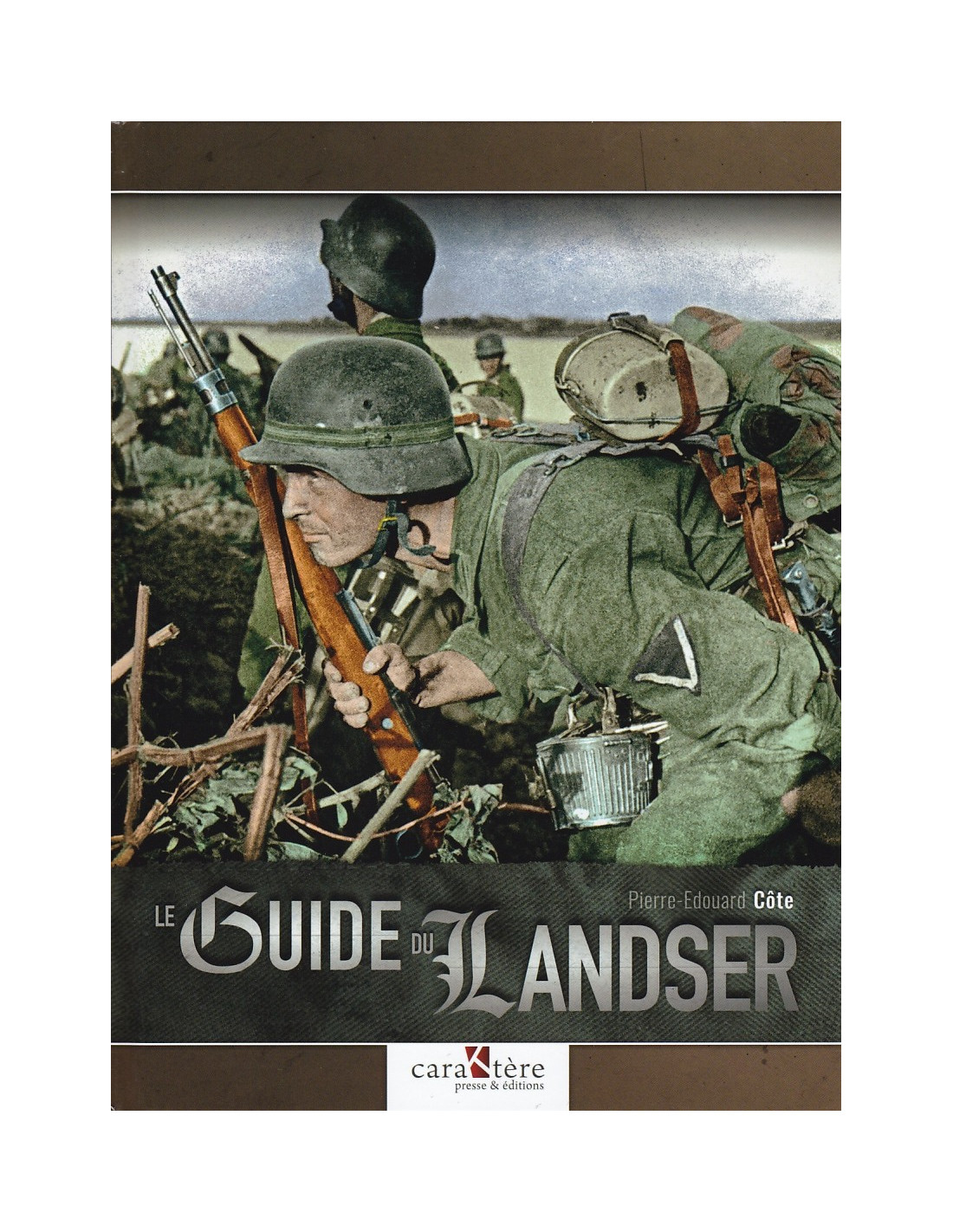
With this work, we sought to assist the enthusiast by offering a Landser guide as exhaustive and clear as possible. A first section decodes the uniform of the German soldier and that of the Waffen-SS, demystifying the symbolism of the dress, the ranks, the headgear, the camouflage, individual equipment and all the exceptions that so often correspond to military traditions. A second section catalogues the principal decorations received and worn by soldiers of the Heer. Finally, a last section details the armament of the Landser, from the Luger P08 to the Panzerfaust, including the Tellermine and the MG-42, Schmeisser and Mauser.
The Caraktère team has mobilised to bring you quality infographics, previously unpublished photographs, quality texts and infantry silhouettes. The whole constitutes a body of knowledge explained and illustrated for both the enthusiast and the newcomer alike.