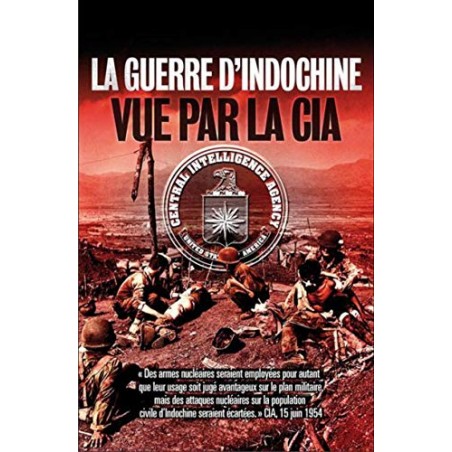
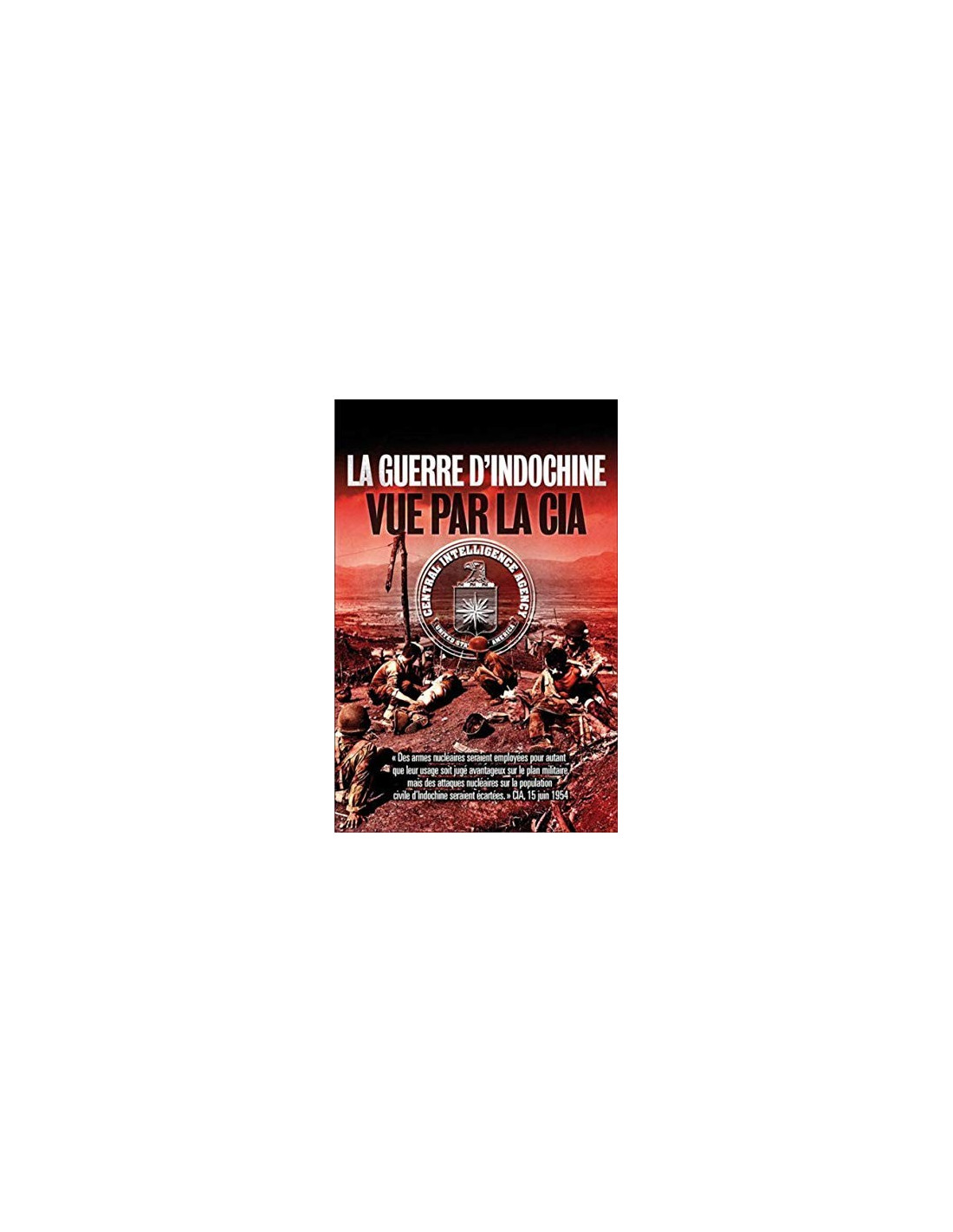
A war of independence for some, a colonial war for others, the Indochina War was also the theatre of one of the first major confrontations between the communist world and the Western powers. France, still nursing the wounds of the Second World War and struggling to rebuild its economy, faced from late 1949 onwards the growing influence of communist China in Indochina — a China that had begun to arm, advise and support the Viet Minh. As months and years passed, the fear of a full-scale intervention by Chinese armies weighed heavily on French military strategy. The French command had tens of thousands of refugee soldiers from Chiang Kai-shek's army interned, refused troop contributions from South Korea, rejected the assistance of American military advisers — preferring instead large quantities of military equipment — and considered forming new Foreign Legion battalions composed exclusively of Germans. It would never succeed in winning the allegiance of the Vietnamese people for the puppet government it had installed under Emperor Bảo Đại, regarded by all as incompetent. Several times a month, French officers and politicians confided their anxieties and hopes to the American embassy in Saigon or the US consulate in Hanoi. This intelligence, along with other information gathered in Indochina by American sources, was processed daily by the CIA, which published it in its daily intelligence bulletins or used it to feed its reports. Reading these notes, published day by day, allows one to relive — in the conditions of the time — the slow deterioration of the situation on the ground. Above all, it offers a fresh perspective on the Indochina War which, after the fall of Điện Biên Phủ, came close to degenerating into a Third World War and a nuclear conflict.