List of products by supplier PIKE BROTHERS
Denim, Chopper, Roamer, overalls, shirts, jackets, t-shirts and vests of civilian or military inspiration from the Pike Brothers brand

Product available with other options
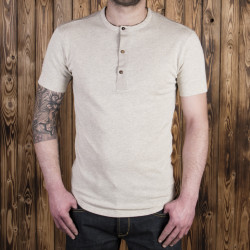
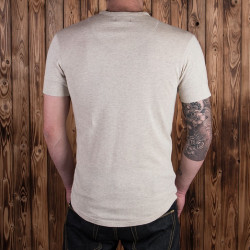
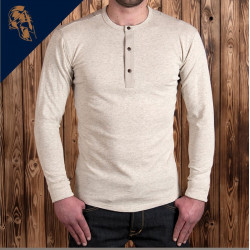
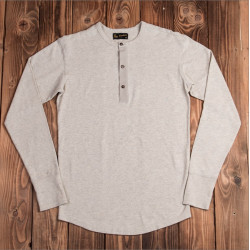
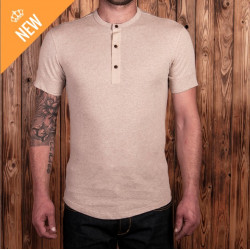
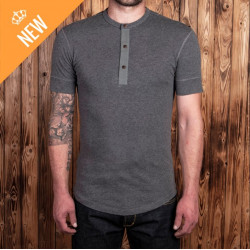
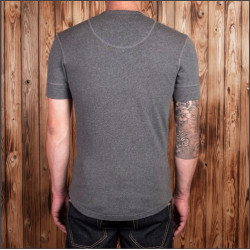
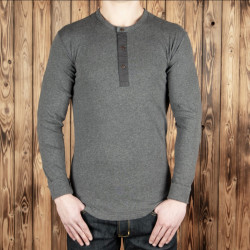
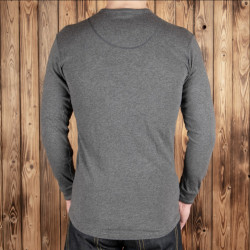
The origins of this T-shirt lie in the underwear of the 1920s. With short or long sleeves, they were worn under a shirt.
The cut of the Henley Shirt is based on period patterns. Made from 100% cotton, it is finer than the 1954 Utility Shirt model and therefore lighter and cooler to wear. It works perfectly under a shirt but can also be worn as a...
Out of stock
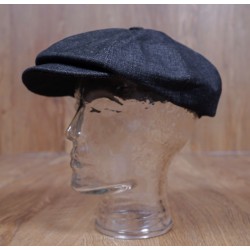
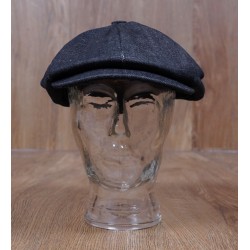
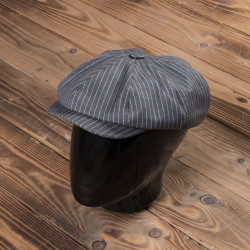
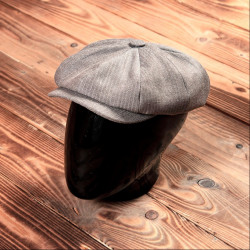
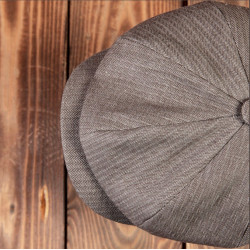
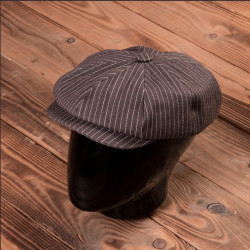
We all have in mind an image from the 1920s to 1940s: that of a young newspaper boy with his flat cap and his newspaper bag worn across the shoulder.
Out of stock
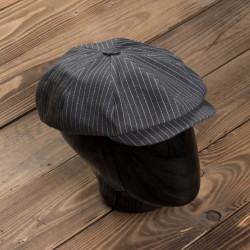
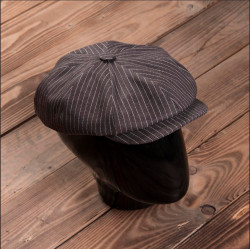
We all have a mental image of the 1920s to 1940s: that of a young newspaper boy with his flat cap and his newspaper bag slung over his shoulder.
Product available with other options
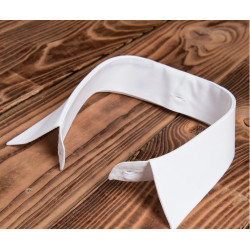
Detachable shirt collar as worn in the 1920s.
Out of stock
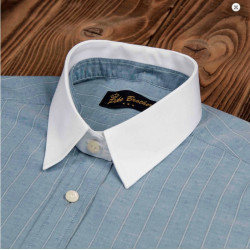
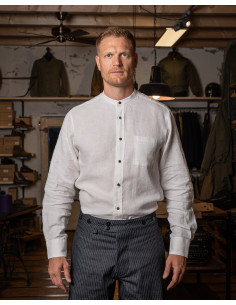
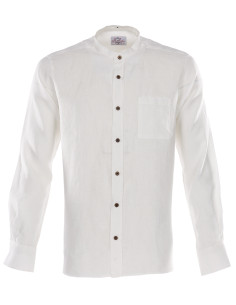
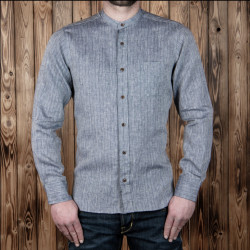
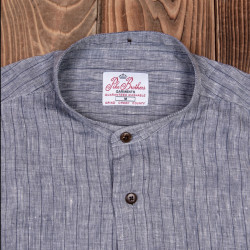
1923 Buccanoy Shirt – White linen mandarin collar shirt with blue stripes
Inspired by the menswear of the 1920s to 1940s, the 1923 Buccanoy Shirt revives the elegant codes of the straight-collar shirts worn since the mid-nineteenth century. At that time, this type of shirt allowed the attachment of a starched detachable collar for formal occasions....
In stock
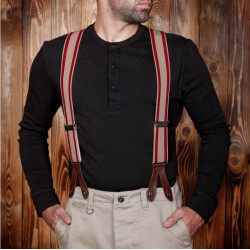
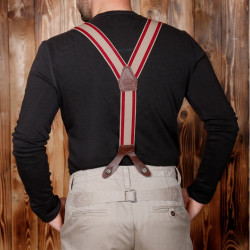
The pair of suspenders has always been the indispensable accessory for work trousers or jeans. Pike Brothers has produced sturdy, extra-wide suspenders for trousers and denim jeans.
Retro button-on suspenders
- 45 mm wide straps
- "Dutch cross" construction
- Leather buttonholes
- Pike Brothers logo engraved on the cross
- One size
- made in Germany...
In stock
We all have a picture in mind of the 1920s to 1940s: a young newspaper boy with his flat cap and his newspaper bag over his shoulder.
In stock
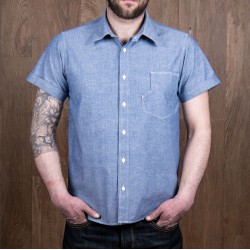
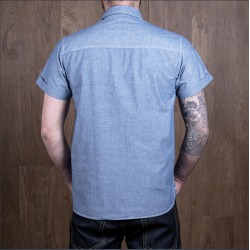
The Chambray 1937 short-sleeve shirt by Pike Brothers is a reproduction of a late 1930s work shirt.
Product available with other options
The origin of this T-shirt lies in the undergarments of the 1920s. Short- or long-sleeved, they were worn under the shirt.
The cut of the Henley Shirt is based on period patterns. 100% cotton, it is finer than the 1954 Utility Shirt model and therefore lighter and cooler to wear. It is perfect under a shirt but can also be worn as a standalone garment in...
Out of stock
We all have a mental image from the 1920s–40s: that of a young newspaper boy wearing his flat cap and carrying his newspaper bag over his shoulder.
In stock
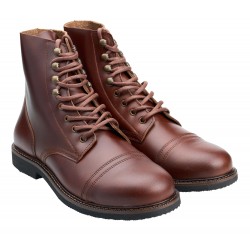
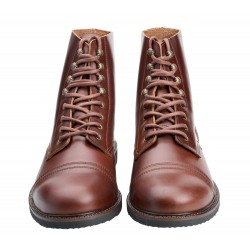
Low Quarter 1966 Boots – Military Heritage for Everyday Wear
Directly inspired by the boots worn in the US Army in 1944, the Low Quarter 1966 embody a perfect balance between authenticity, robustness and timeless elegance. Originally designed for the most demanding conditions, they are equally suited today to outdoor use and professional environments....
Out of stock
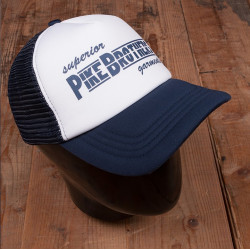
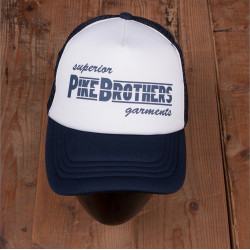
American-style trucker cap
- Nylon Mesh Construction- Printed logo- Adjustable size- 100% PES
In stock
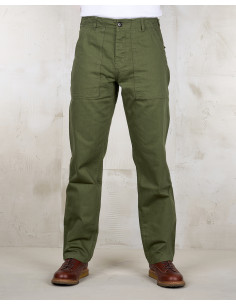
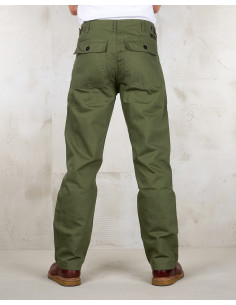
The OG-107 trousers were part of the US Armed Forces field uniform from 1952 to 1963. The first model, "Type I", was issued to troops in 1952; its shape and cut remained unchanged until production ended in 1963.
The OG-107 proved itself in the field, both for its durability and its comfortable cut. For this model, the original pattern and fabric of this...
In stock
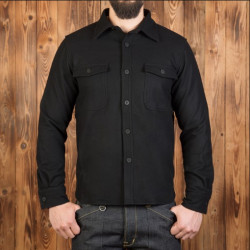
The 1943 CPO shirt is the classic deck shirt worn by US Navy petty officers from the late 1930s onwards.
It is known as the CPO in reference to the "Chief Petty Officer", a senior NCO rank in the US Navy and the US Coast Guard.
This thick, insulating and warm deck shirt was designed to be worn on its own by sailors or under the N1-Deck Jacket.
This...
In stock
The origin of this t-shirt lies in the undergarments of the 1920s. In short or long sleeves, they were worn under the shirt.
The cut of the Henley Shirt is based on period patterns. 100% cotton, it is finer than the 1954 Utility Shirt and therefore lighter and cooler to wear. It is perfect under a shirt but can also be worn as a standalone garment in summer.
In stock
The origin of this t-shirt lies in the undergarments of the 1920s. In short or long sleeves, they were worn under the shirt.
The cut of the Henley Shirt is based on period patterns. 100% cotton, it is finer than the 1954 Utility Shirt and therefore lighter and cooler to wear. It is perfect under a shirt but can also be worn as a standalone garment in summer.
Out of stock
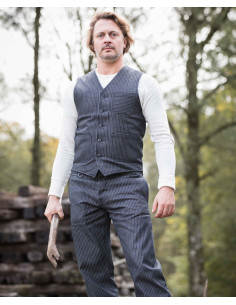
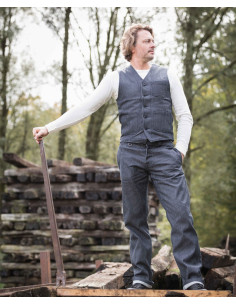
The 1937 Roamer Vest Wabash is made from a particularly robust selvedge wabash denim. Its origins date back to the early 20th century in the United States, where it was especially popular among railroad workers.
In stock
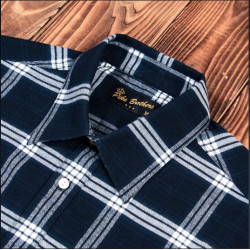
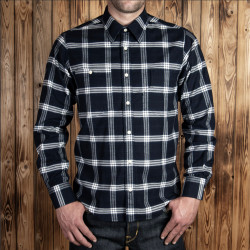
100% cotton flannel checked shirt.
In stock
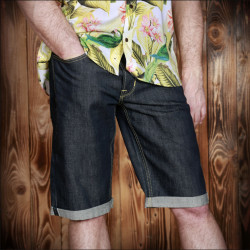
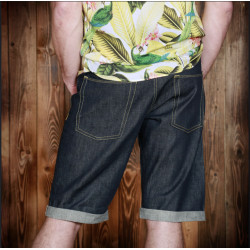
This short is cut on the basis of the 1937 Roamer jean, which is the classic work trouser of the 1930s/40s.
The jean is made from raw 11 oz denim - 312 g.
The seams and selvedge are identical to those of the period. The fabric construction is specific to Pike Brothers and of the highest quality — the quality speaks for itself!
In stock
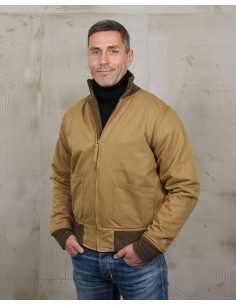
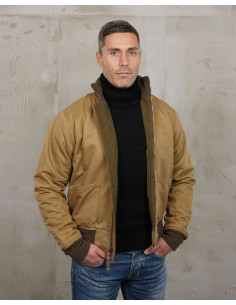
1941 Tanker Jacket — U.S. Army Tanker Jacket
Introduced in 1941 under the official designation "Jacket, Combat, Winter", the tanker jacket was originally intended for tank crews and vehicle drivers of the U.S. Army. Designed to withstand the harshest winter conditions, it quickly established itself on every front thanks to its warmth, comfort and great...
Out of stock
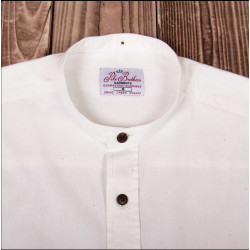
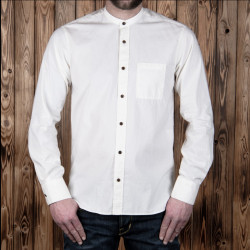
This highly elegant shirt model was worn from the 1920s through to the 1940s.
Out of stock
This highly elegant shirt model was worn from the 1920s through to the 1940s
In stock
The origin of this t-shirt lies in the undergarments of the 1920s. Available in short or long sleeves, they were worn beneath the shirt.
The cut of the Henley Shirt is based on period patterns. 100% cotton, it is finer than the 1954 Utility Shirt and therefore lighter and cooler to wear. It is perfect worn under a shirt but can also be worn as a...
Out of stock
The abbreviation CWU stands for Cold Weather Uniform. It designates garments developed by the United States Air Force to provide warm clothing for pilots and aircrew at high altitude.