- SUMMER SALE 2026 Massive clearance
-
Bookshop
Publisher
- FORGOTTEN BATTLES HISTORICONE
- CARAKTERE
- EPOPÉES - SABRETACHE
- ETAI
- HEIMDAL
- LAVAUZELLE
- LES BELLES LETTRES
- HISTOIRE & COLLECTIONS
- LELA PRESSE
- L'ESCADRON EDITIONS
- NIMROD
- MARANES EDITIONS
- NUTS & BOLTS
- OREP
- OVERLORD PRESS
- PAQUET
- PIERRE DE TAILLAC
- PERRIN
- PEROTTI - PP CONCEPT
- REGI-ARM MEMORABILIA
- SERVICE HISTORIQUE DE LA DEFENSE (SHD)
- YSEC
Theme- 2ND ARMORED DIVISION
- ARMS & ARTILLERY
- AUTOMOBILIA
- AVIATION
- BATTLES
- BIOGRAPHIES
- DOCTRINES - GEOPOLITICS
- FORTIFICATIONS
- HISTORY
- SCALE MODELS
- NAVY
- MILITARIA
- FASHION, STYLE & CLOTHING
- RECIPES & COOKING
- REGIMENTAL
- RESISTANCE
- SECRET SERVICES & SPECIAL FORCES
- SURVIVAL - SELF DEFENSE - PREPAREDNESS
- UNIFORMS & EQUIPMENT
- CIVILIAN VEHICLES
- MILITARY VEHICLES
- CIVILIAN LIFE
-
Vintage Fashion
Other Brands
-
Second Hand
-
- Plein Air -
BAREBONES - Surplus
-
Gift
Cards - Blog
- Our Website
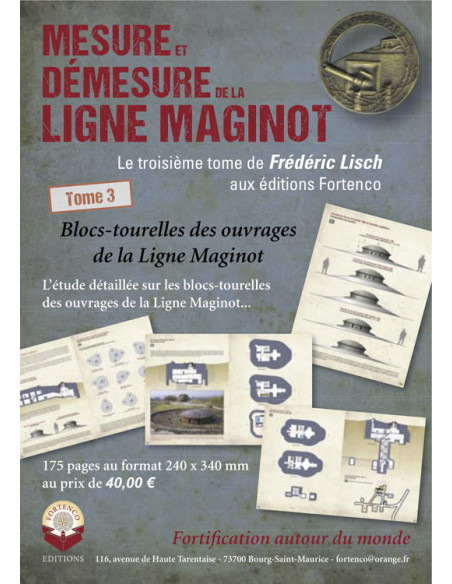
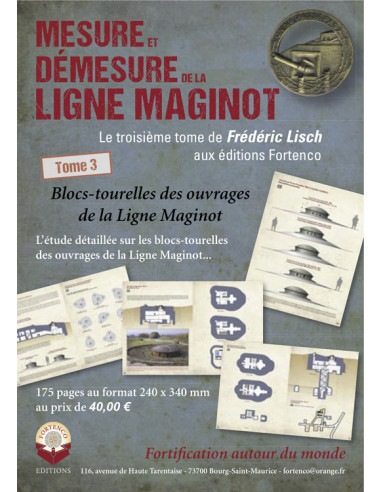
MEASURES AND EXCESSES OF THE MAGINOT LINE VOL. 3 - Blocks and Turrets of Fortifications
Third title in a series of books that Frédéric Lisch dedicates to the components of the Maginot Line.
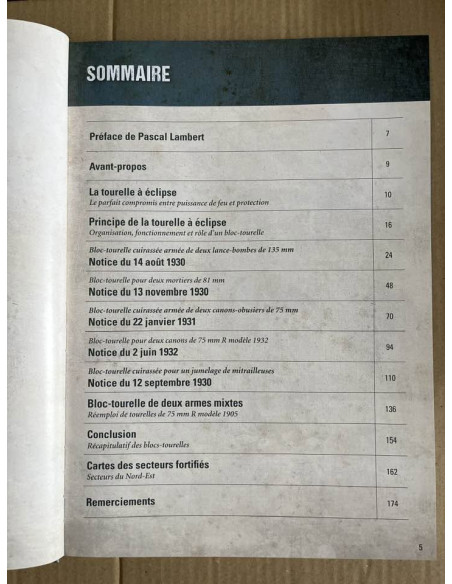
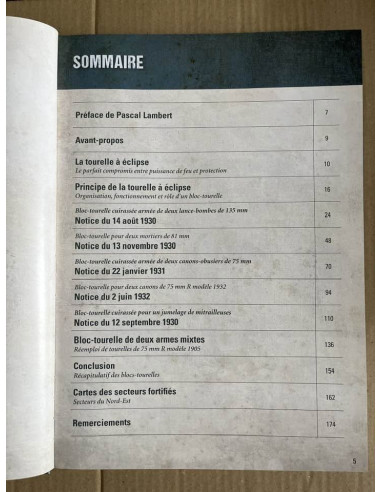
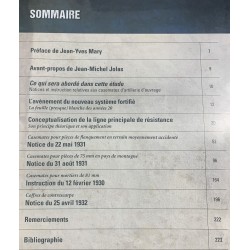
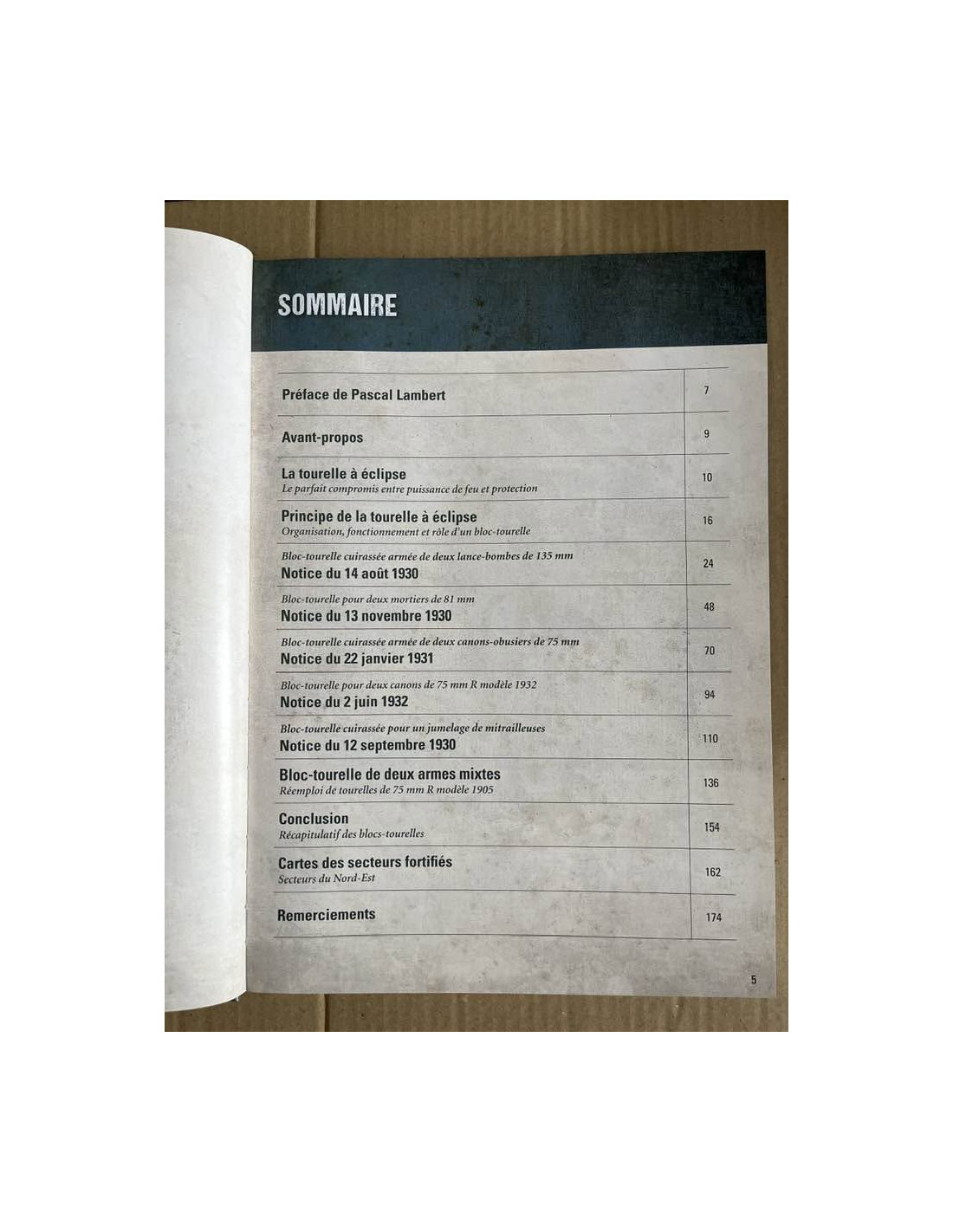
This third volume on the Maginot Line details all the types of turrets of the Maginot Line and includes a chapter on the strategic maps of the Maginot Line.
This third volume details all the blocks of the Maginot Line works and includes a chapter on the strategic maps of the Maginot Line, in order to understand France's defensive system in 1940.
As one reads through the chapters, one discovers the most modern fortification system of the era: an immense line of well-sited casemates providing mutual flanking cover and perfectly supported by the artillery of the major works. The Battle of France in 1940 would demonstrate its solid resistance, especially in the Alps. The few casemates or works captured by the Germans in the North-East were the consequence of a tragic error by the high command, which left certain works isolated by withdrawing artillery support and the interval troops. In the Alps, in late June 1940, the Maginot barriers blocked every Italian attack, enabling France to win the Battle of the Alps at the very heart of the country's terrible defeat.
Despite this disaster, France retained its empire, its navy, an armistice army and a free zone. The high technical standard and the solid resistance of the Maginot Line, principally in the Alps, would convince the Swiss Confederation to rapidly construct, in 1940 and 1941, a formidable national redoubt in the heart of the country, with numerous artillery works and infantry casemates, thereby deterring any attack by the German or Italian armies.
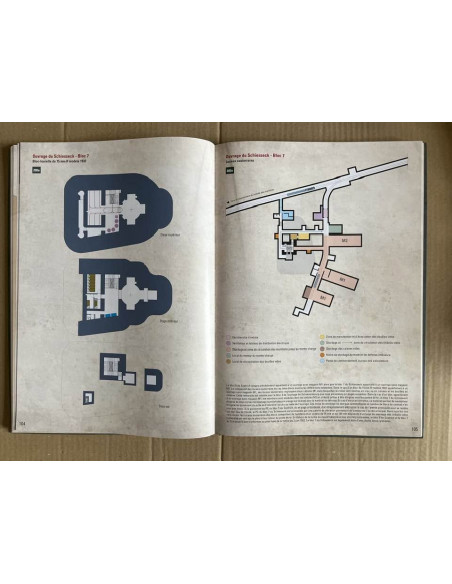
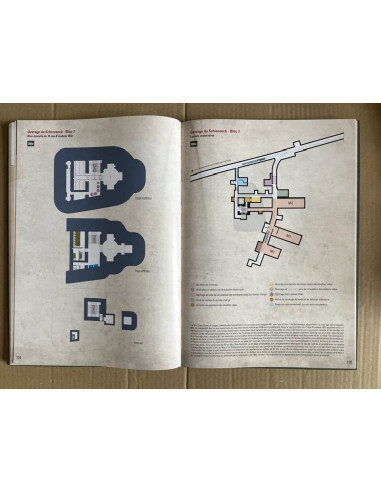
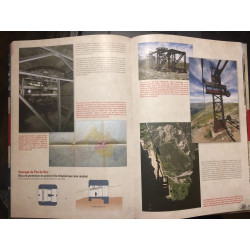
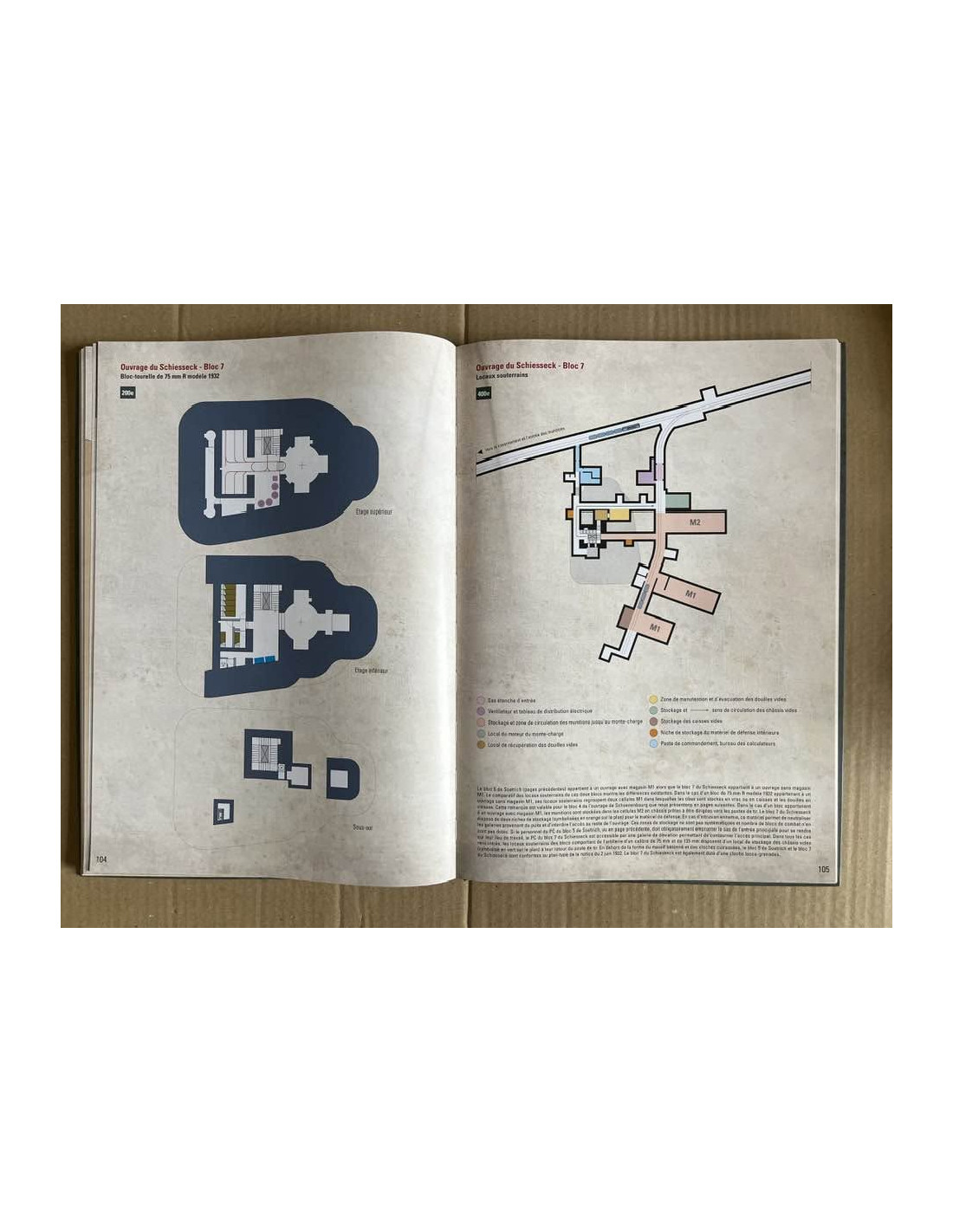
Frédéric Lisch's superb original infographics allow us to fully understand the technical arrangements chosen to achieve the best possible resistance of the works while maintaining the greatest effectiveness of the defensive fields of fire on the flanks and tops of the casemates.
In his books, the author pays tribute to the designers, as well as to the politicians who decided on the construction of this formidable fortification during the troubled years of 1928 to 1940. Too often disparaged by certain historians who regard it as a symbol of defeat, Frédéric Lisch demonstrates in this book that the Maginot Line was an extraordinary defensive achievement by France.
Secure Payment
Delivery
(+33) 01.79.75.05.50
You might also like