- SUMMER SALE 2026 Massive clearance
-
Bookshop
Publisher
- FORGOTTEN BATTLES HISTORICONE
- CARAKTERE
- EPOPÉES - SABRETACHE
- ETAI
- HEIMDAL
- LAVAUZELLE
- LES BELLES LETTRES
- HISTOIRE & COLLECTIONS
- LELA PRESSE
- L'ESCADRON EDITIONS
- NIMROD
- MARANES EDITIONS
- NUTS & BOLTS
- OREP
- OVERLORD PRESS
- PAQUET
- PIERRE DE TAILLAC
- PERRIN
- PEROTTI - PP CONCEPT
- REGI-ARM MEMORABILIA
- SERVICE HISTORIQUE DE LA DEFENSE (SHD)
- YSEC
Theme- 2ND ARMORED DIVISION
- ARMS & ARTILLERY
- AUTOMOBILIA
- AVIATION
- BATTLES
- BIOGRAPHIES
- DOCTRINES - GEOPOLITICS
- FORTIFICATIONS
- HISTORY
- SCALE MODELS
- NAVY
- MILITARIA
- FASHION, STYLE & CLOTHING
- RECIPES & COOKING
- REGIMENTAL
- RESISTANCE
- SECRET SERVICES & SPECIAL FORCES
- SURVIVAL - SELF DEFENSE - PREPAREDNESS
- UNIFORMS & EQUIPMENT
- CIVILIAN VEHICLES
- MILITARY VEHICLES
- CIVILIAN LIFE
-
Vintage Fashion
Other Brands
-
Second Hand
-
- Plein Air -
BAREBONES - Surplus
-
Gift
Cards - Blog
- Our Website
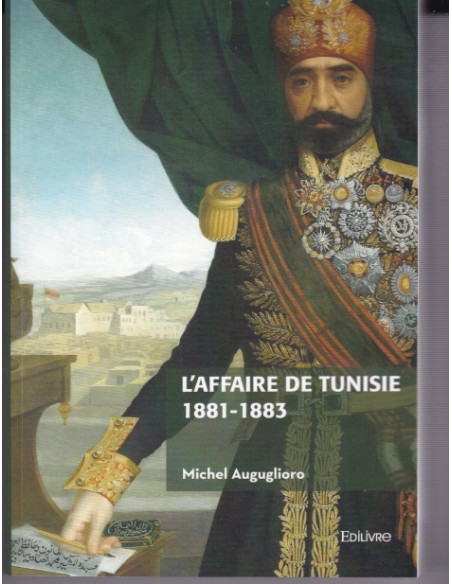
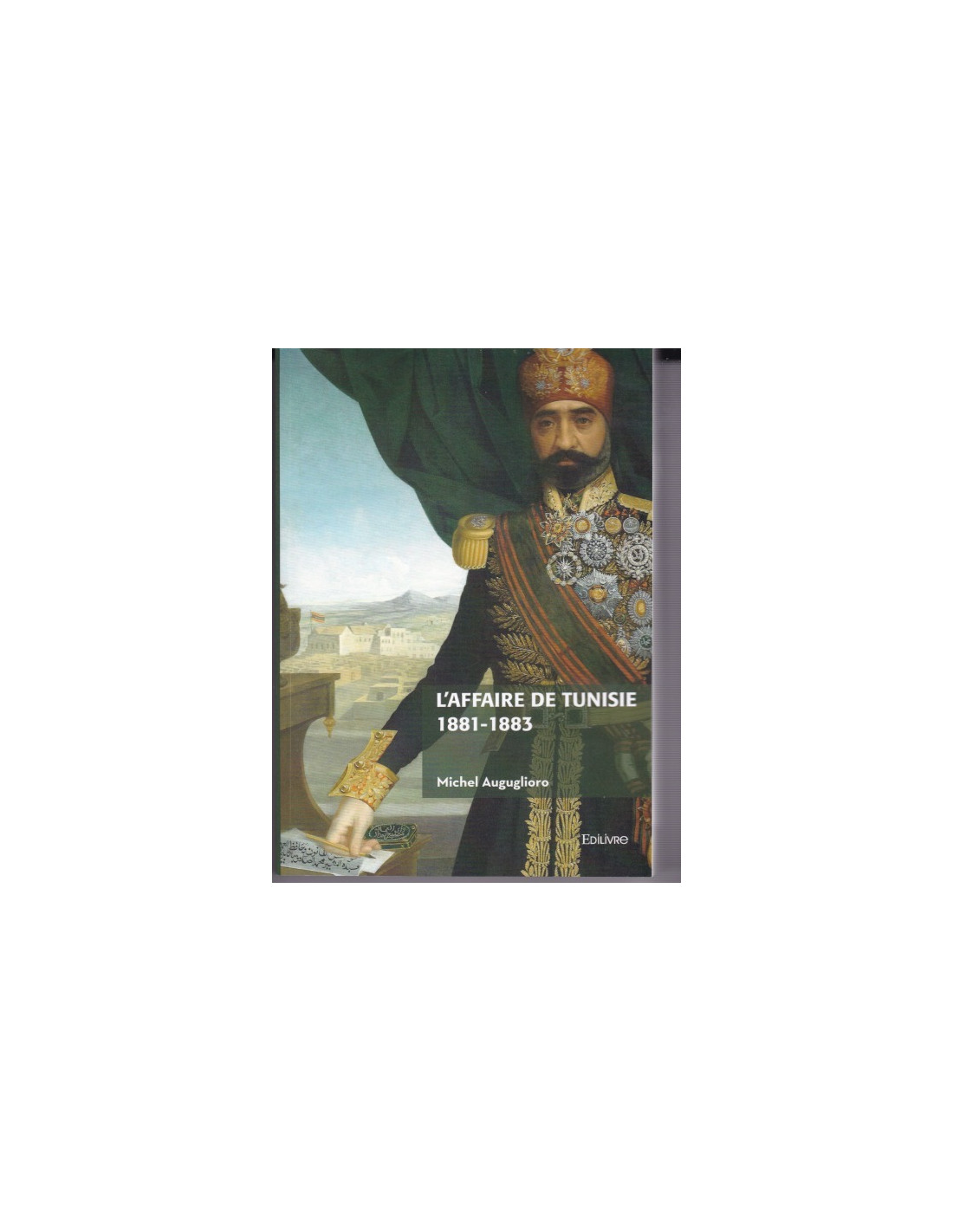
L'Affaire de Tunisie 1881–1883
From the "bandit hunt" to the Protectorate, 1881–1883.
How could a reader in 1881 be informed about a war in Tunisia leading to the establishment of a "protectorate" that same year, during a period when France was in a state of intense political, industrial, economic, and artistic upheaval? The press was the only link, allowing readers to follow, almost daily, this "Tunisian affair." The era was one of confrontation between the foreign "Powers" — Great Britain, Germany, Russia, Turkey — and, with regard to Tunisia in particular, Italy, which had precise designs on the country.
The Treaty of Bardo in May 1881 would be confirmed by a second treaty, the Convention of La Marsa, in 1883.
What happened during those two years that history textbooks have largely passed over in silence?
Secure Payment
Delivery
(+33) 01.79.75.05.50
You might also like