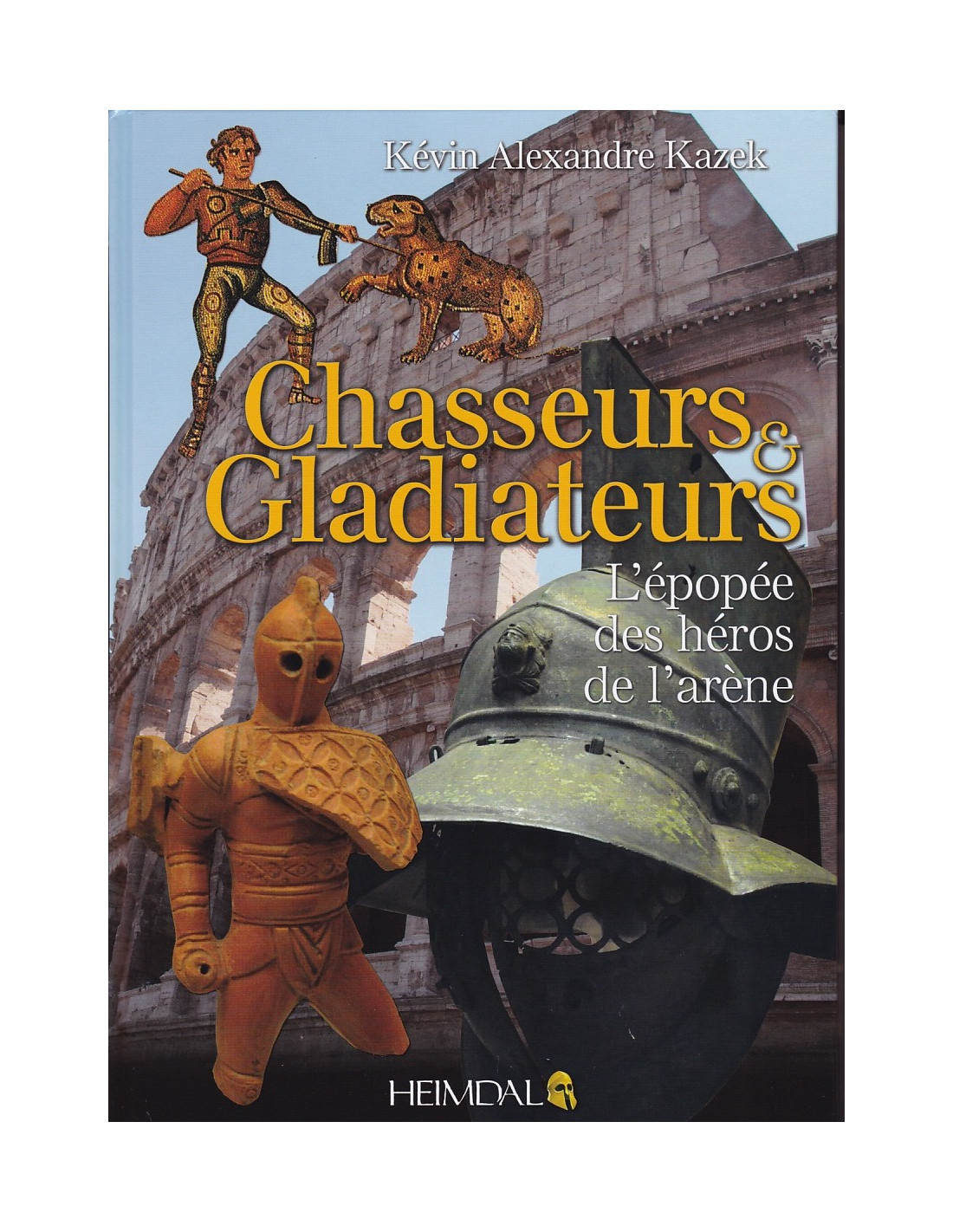
One should not be mistaken, however: the image of a Circus Maximus hosting gladiatorial combat is a pure invention. Here, aside from chariot races and athletic competitions, it was above all armed men equipped with helmets and swords (bestiarii) and spear hunters (venatores) who faced wild beasts in the context of the venationes.
Under the Republic, the forum served as an arena. Long before the invention of the amphitheatre at Pompeii, this public square — reorganised for the occasion — was used as a setting for the first gladiatorial contests. Subsequently, following the example of the Colosseum in Rome, the amphitheatre became the defining symbol of urban planning in cities across the empire.
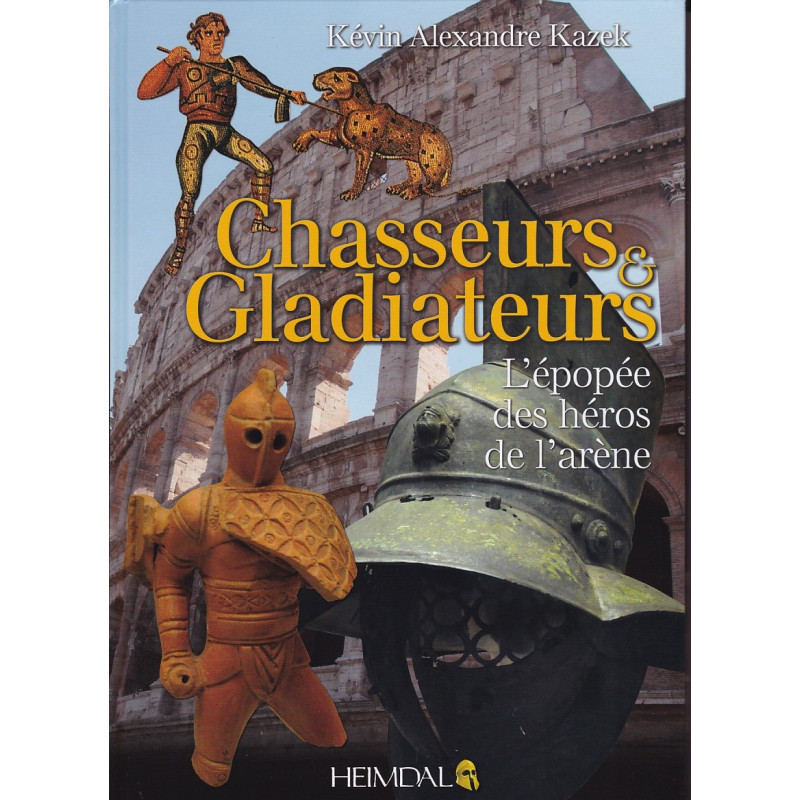
From a "proto" ethnic gladiatorial tradition (4th century BC) to an organised imperial gladiature under Augustus, from circus hunts (mid-3rd century BC) to the varied spectacles of the amphitheatre, from gladiator emperors to Christian authors denouncing the sacrilege of the arena, this work traces nearly 800 years of the history of these spectacles.
Grounded in a wealth of archaeological evidence (Samian ware, terracotta lamps, mosaics, painted plaster, graffiti, glassware, statuary, lapidary elements, etc.) and solid literary sources, this study brings together the most recent historical research on the subject in order to offer an original reinterpretation of this prodigious social phenomenon.
The author:
Kévin Alexandre Kazek is curator of the archaeological and ethnological collections at the Musée de La Cour d'Or – Metz Métropole and has been researching amphitheatre games since 2001. Holder of a doctorate in history obtained in 2006, he defended a thesis entitled: "Iconographic research on amphitheatre games in Gaul from the 1st to the 3rd century AD (Samian ware, terracotta lamps and mosaics)". In 2012, this work was published by the Presses Universitaires de Rennes under the title "Gladiateurs et chasseurs en Gaule au temps de l'arène triomphante".