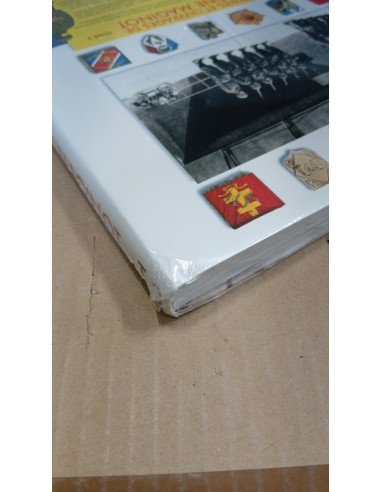
USED BOOK. FAIR CONDITION, BUT COVER CORNERS SLIGHTLY BENT.
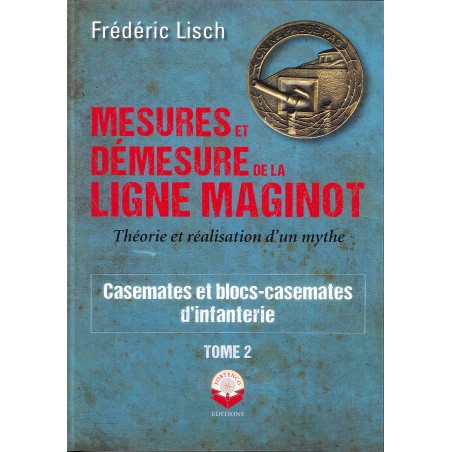
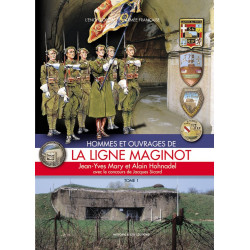
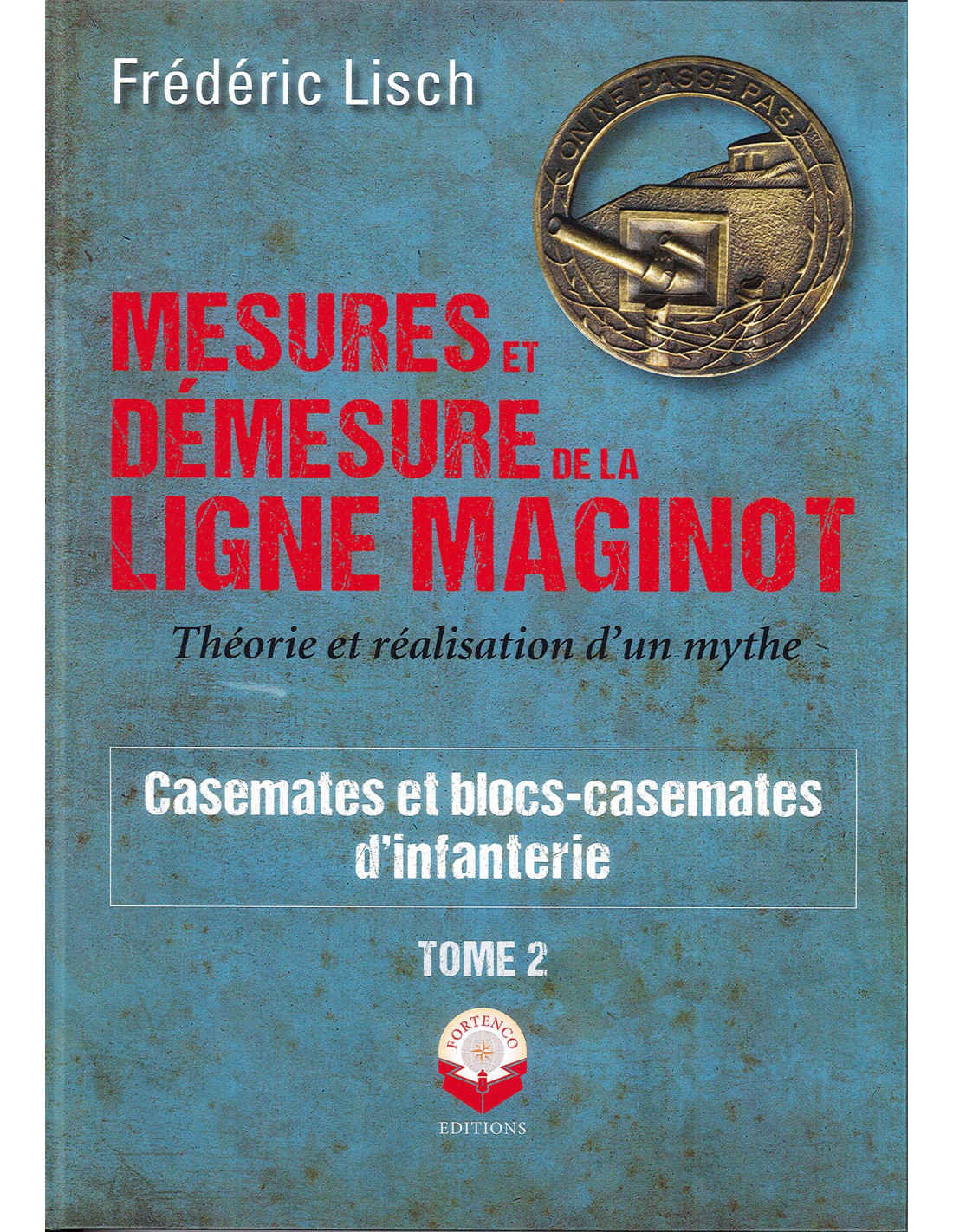
The second volume in Frédéric Lisch’s series on the components of the Maginot Line.
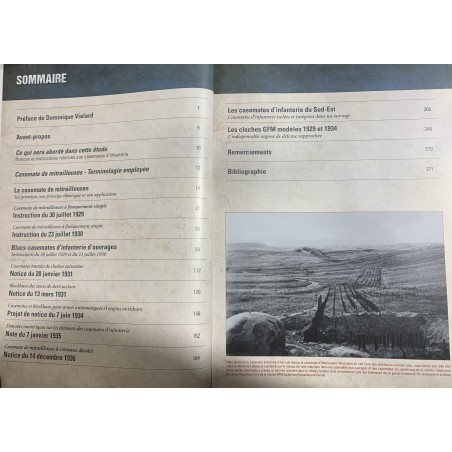
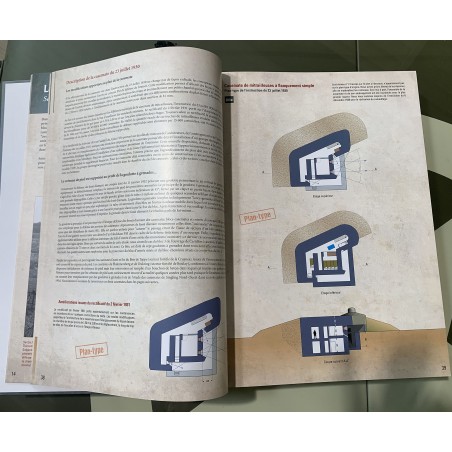
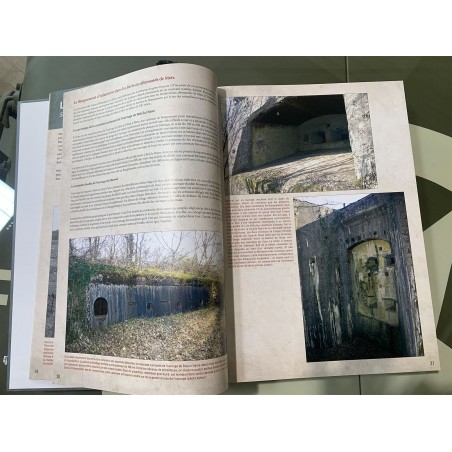
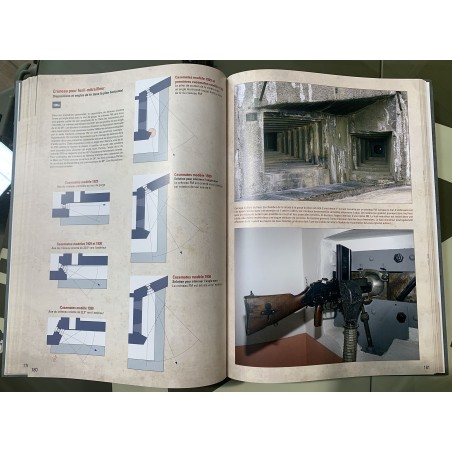
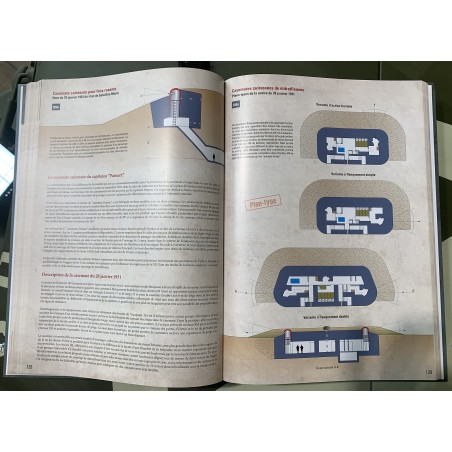
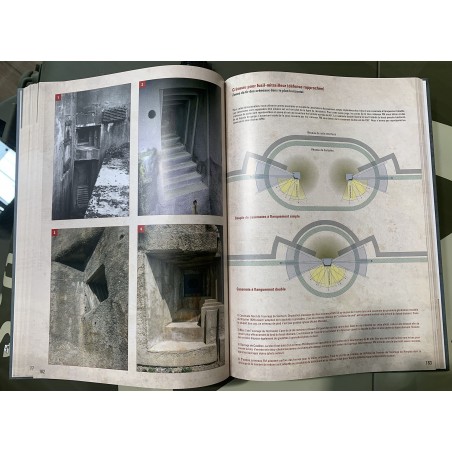
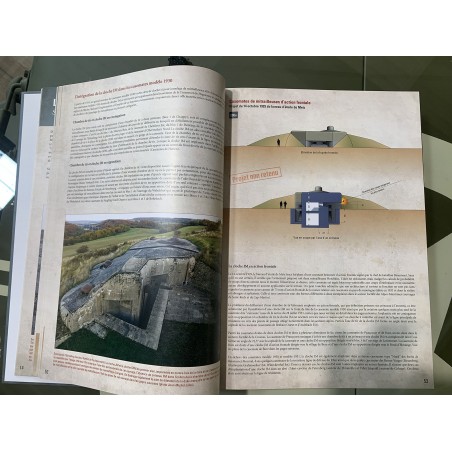
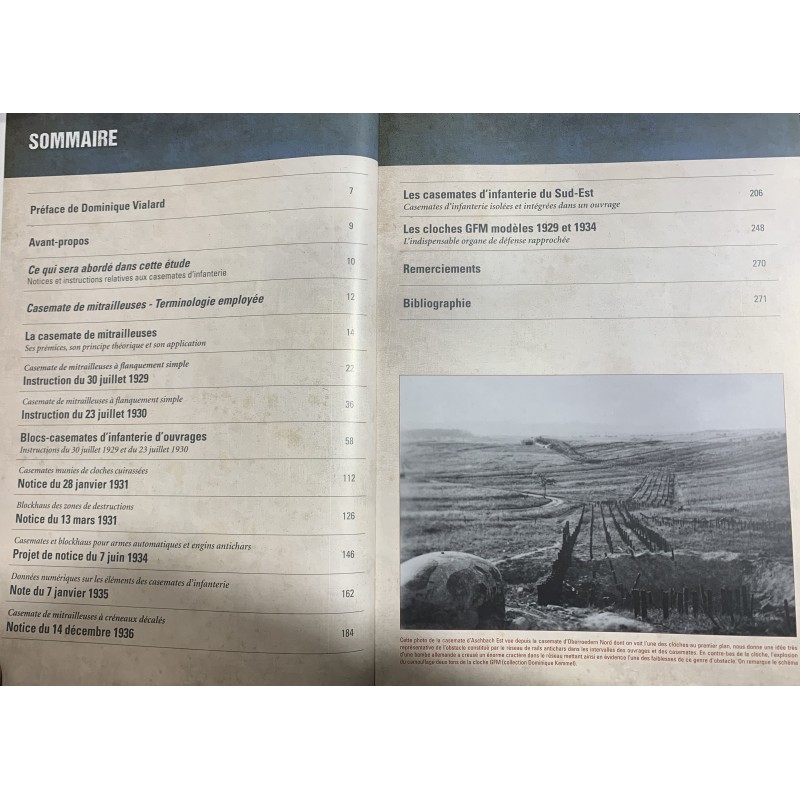
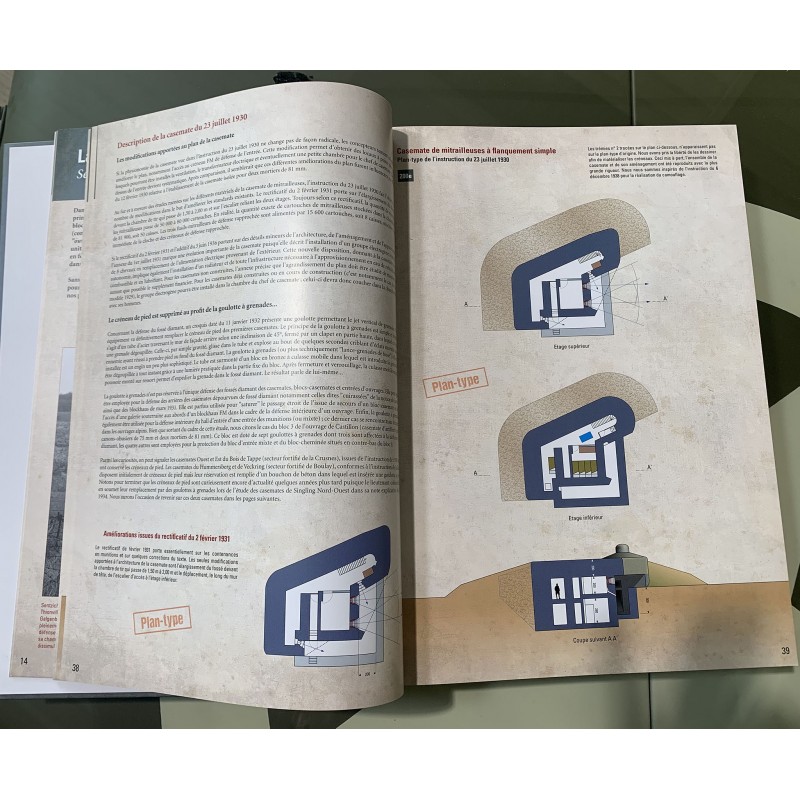
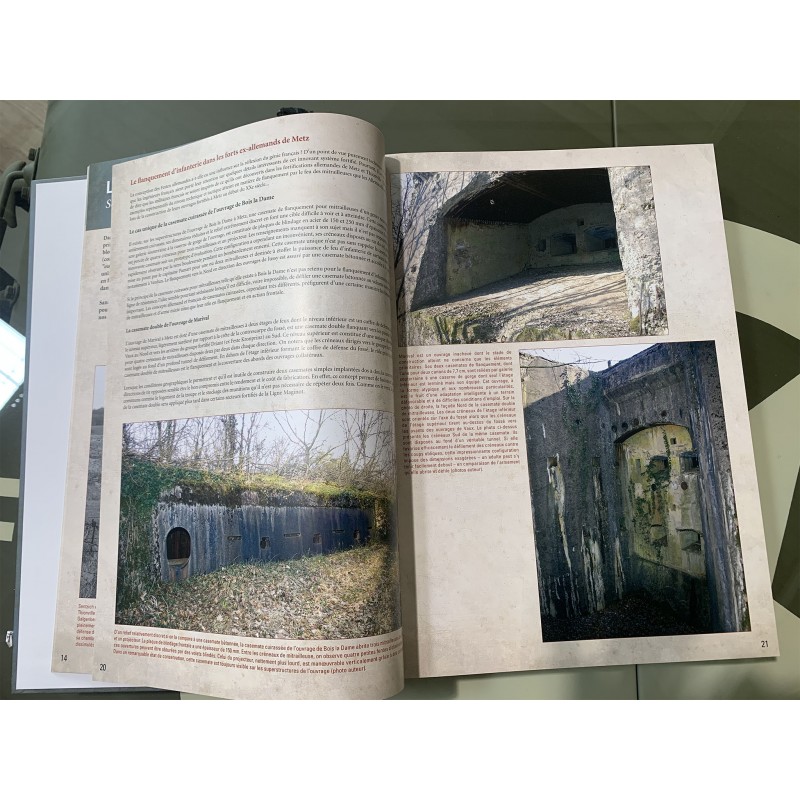
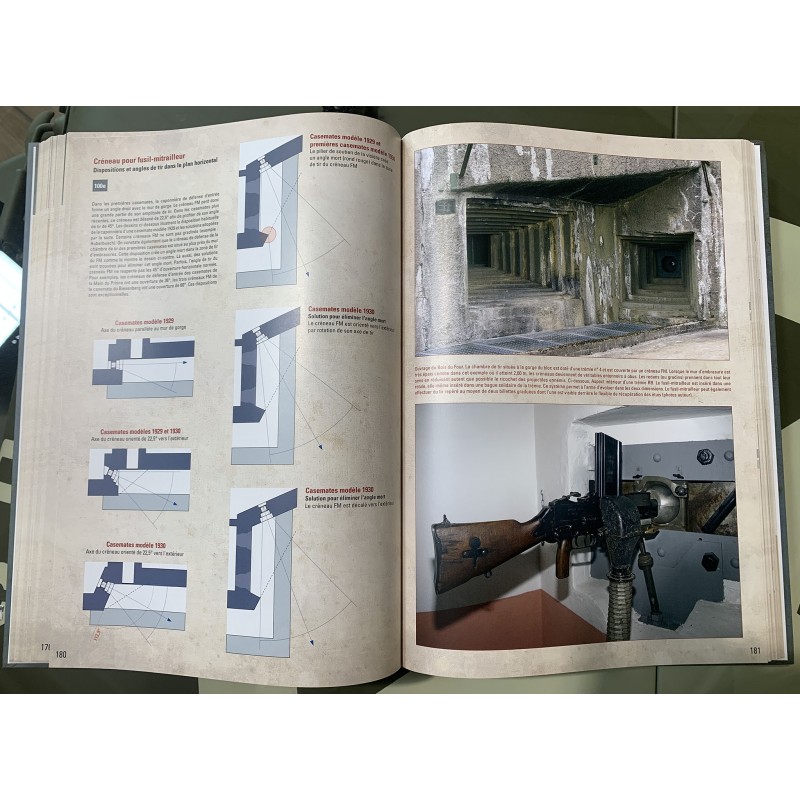
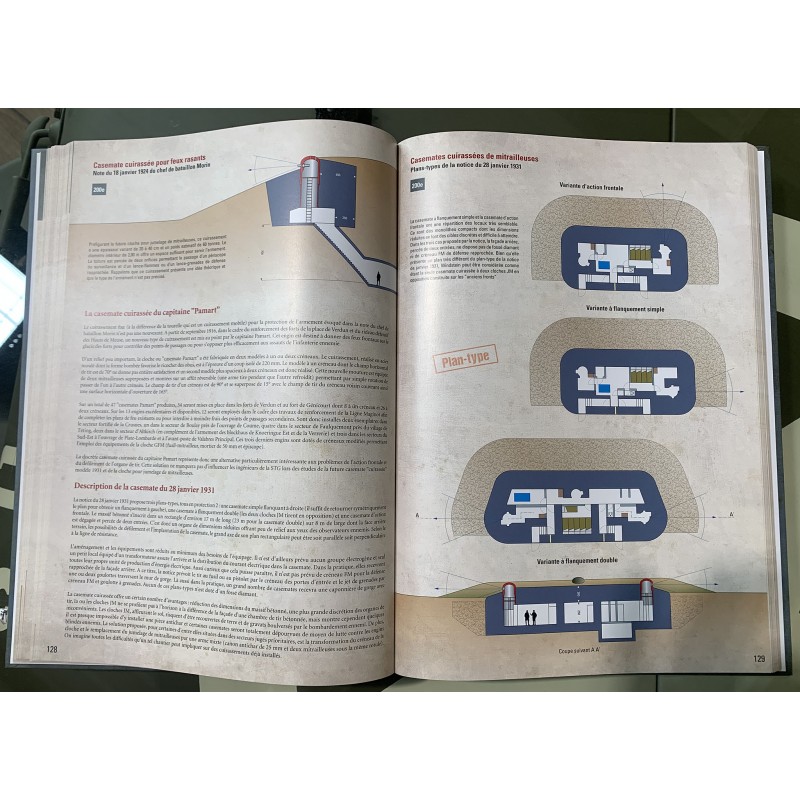
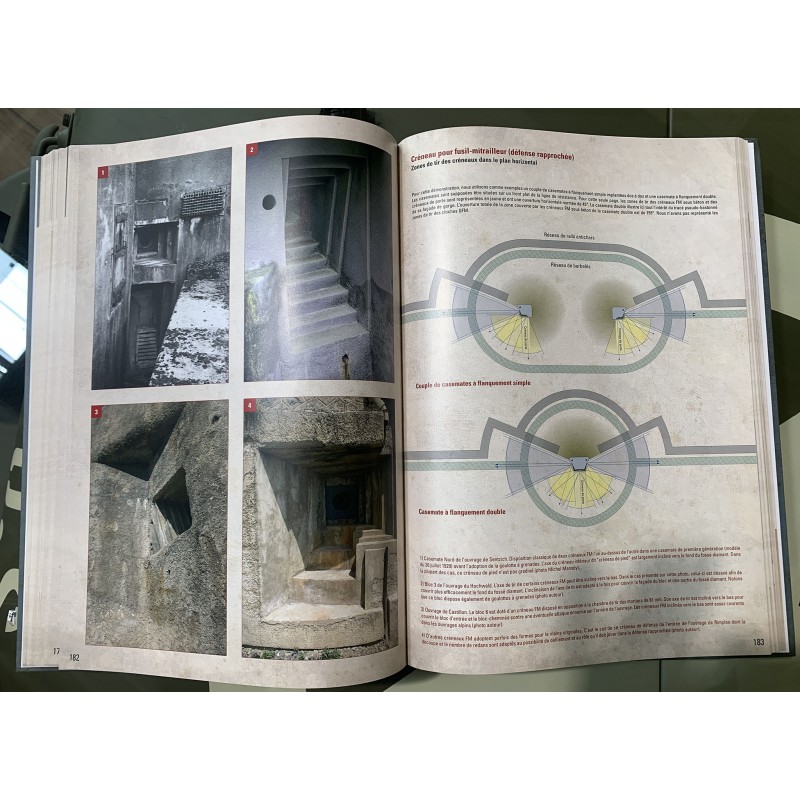
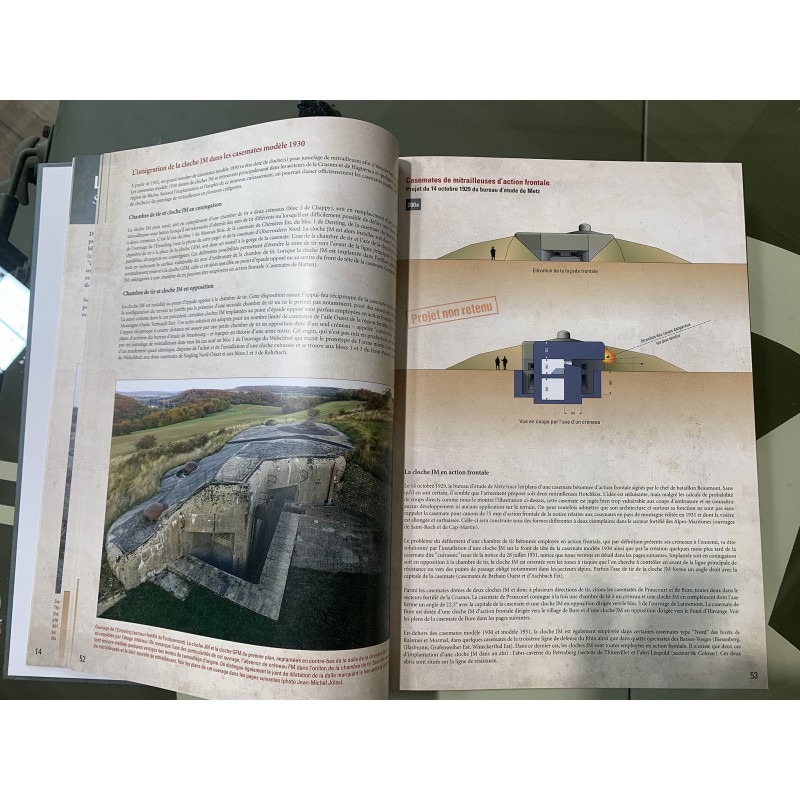
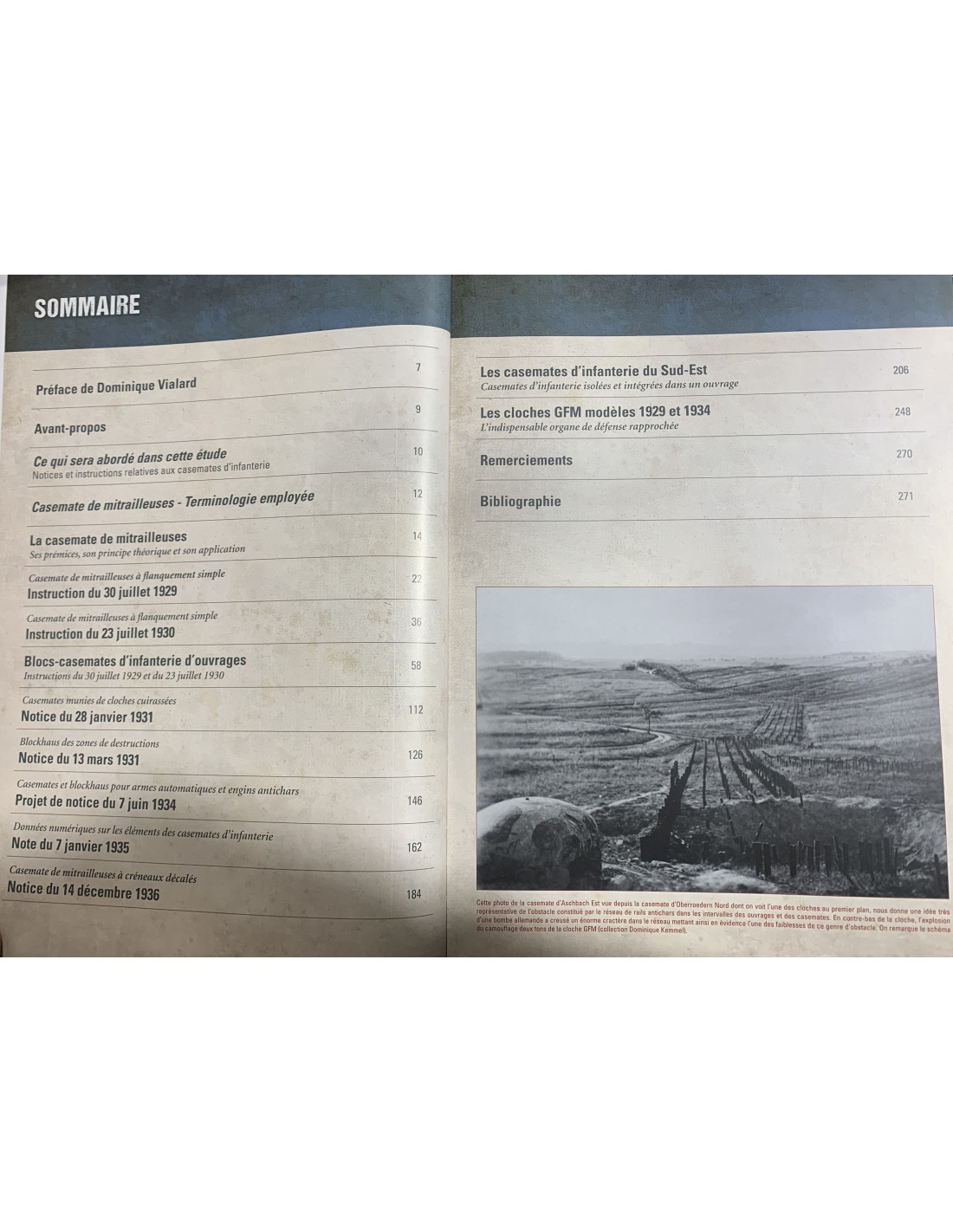
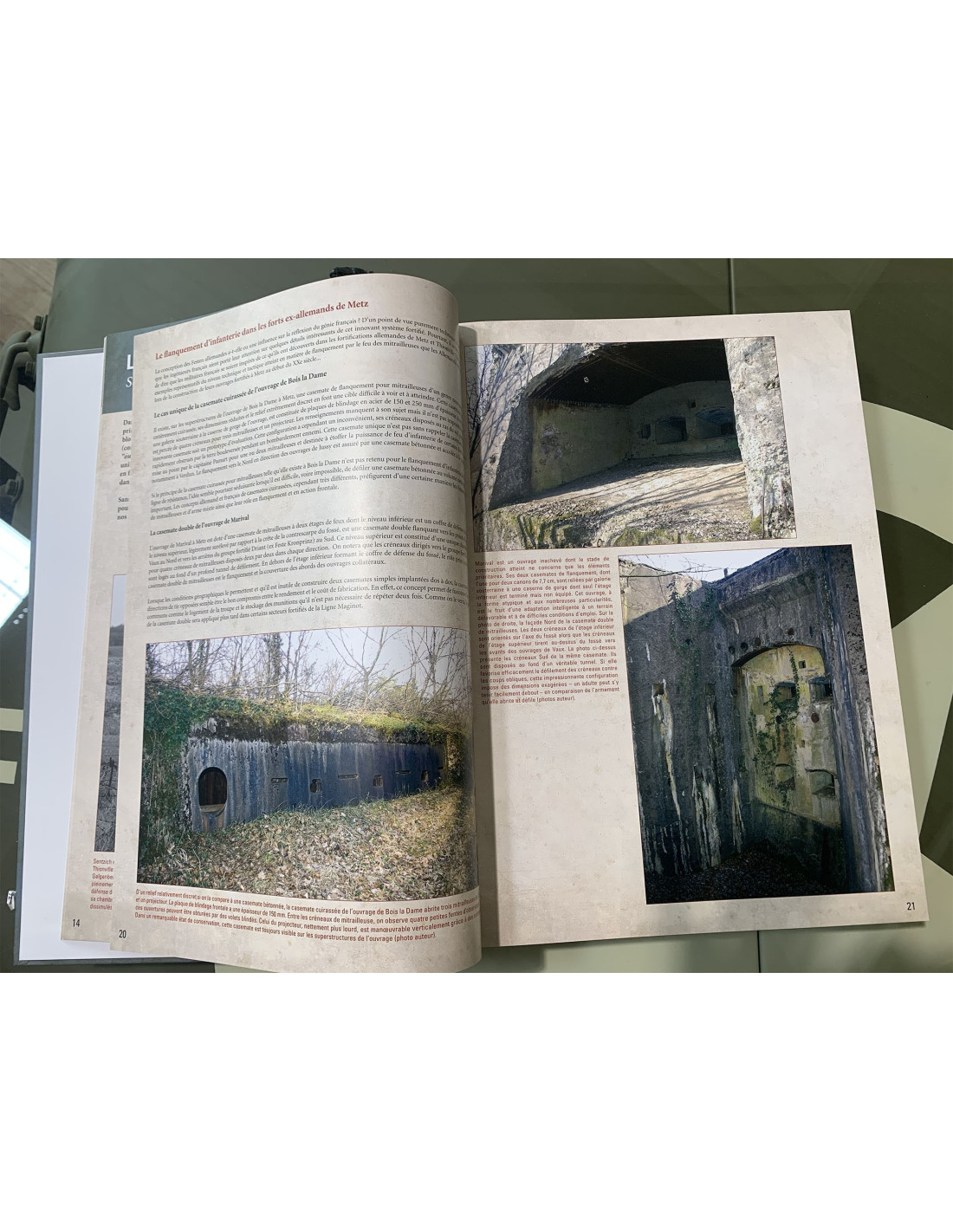
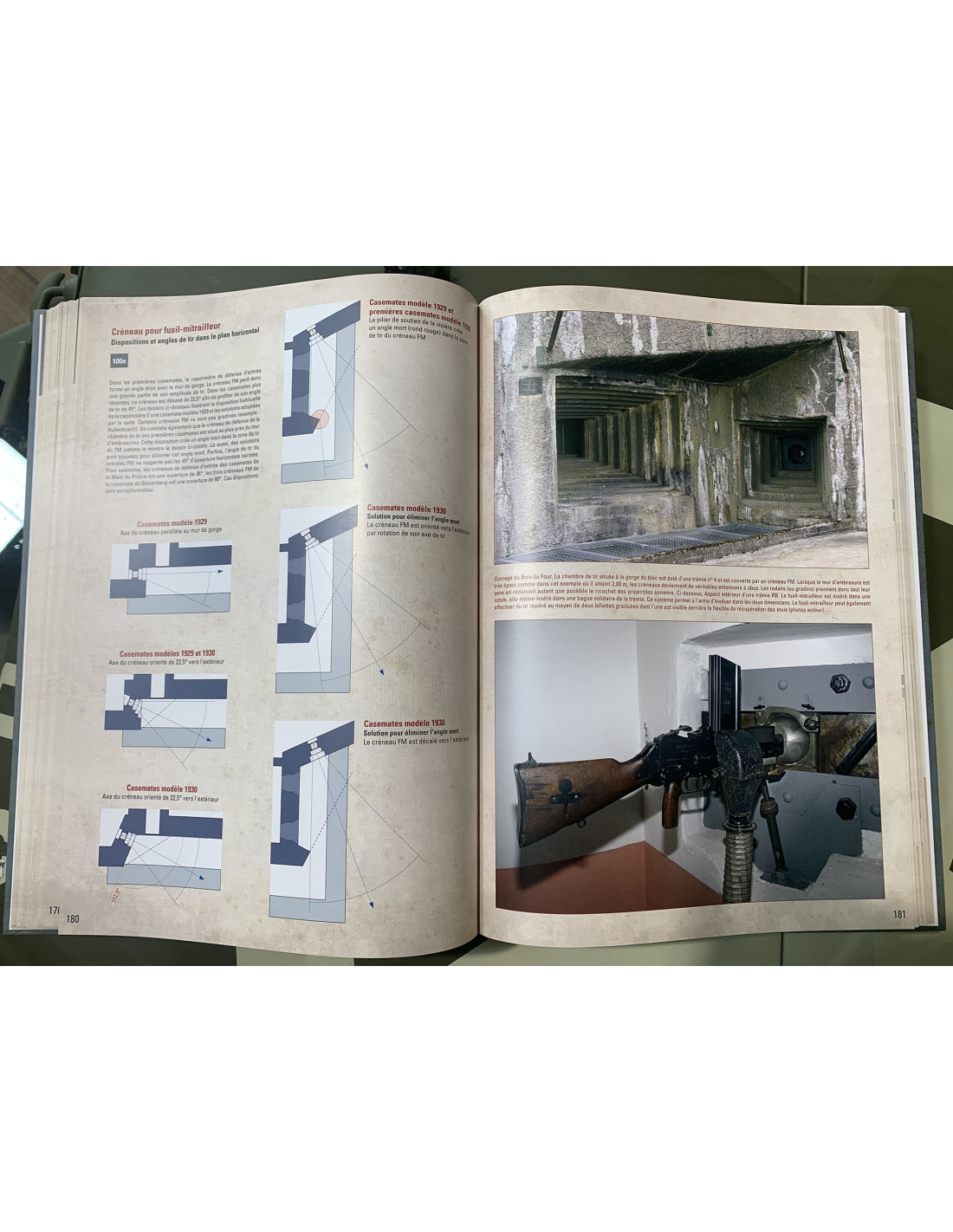
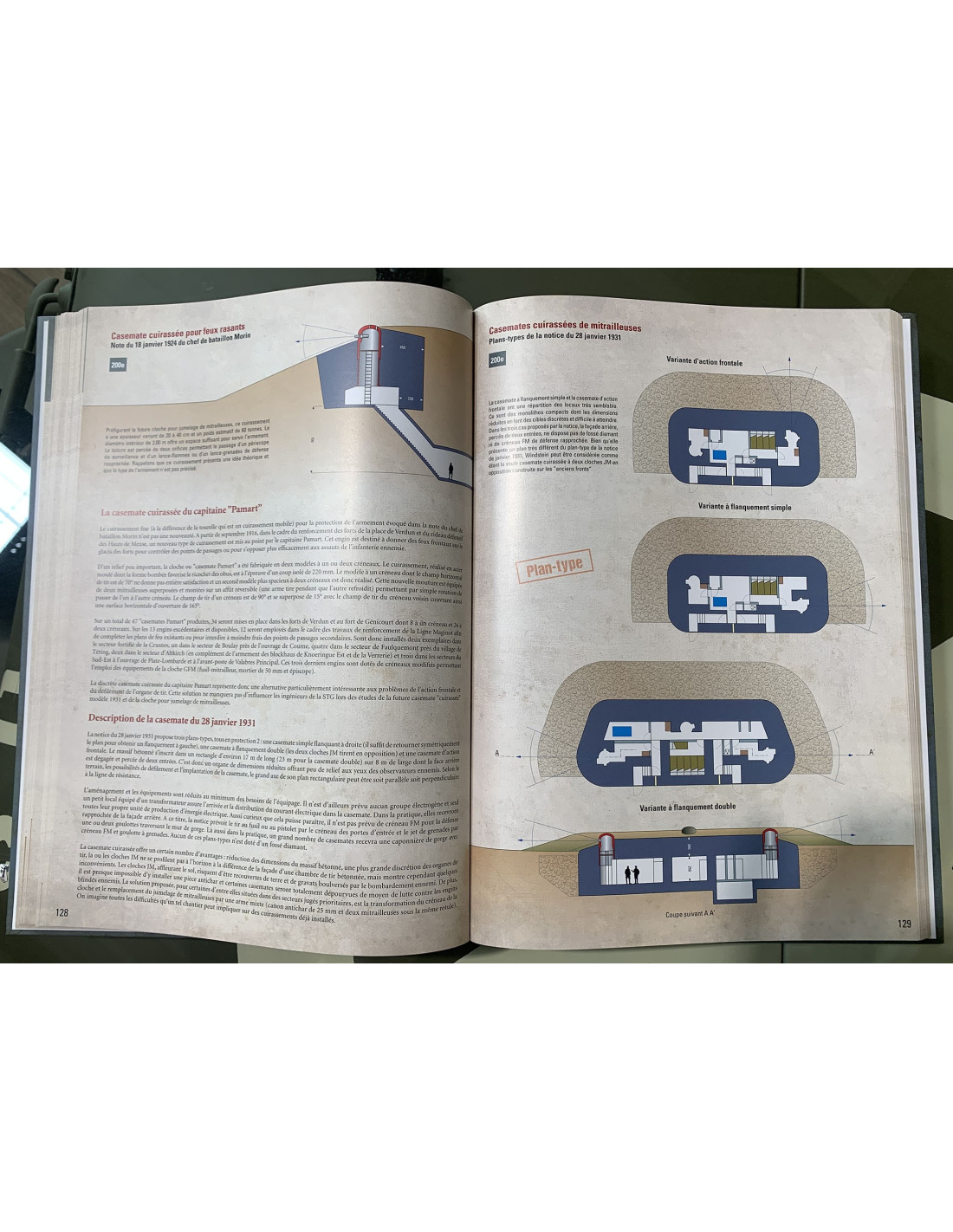
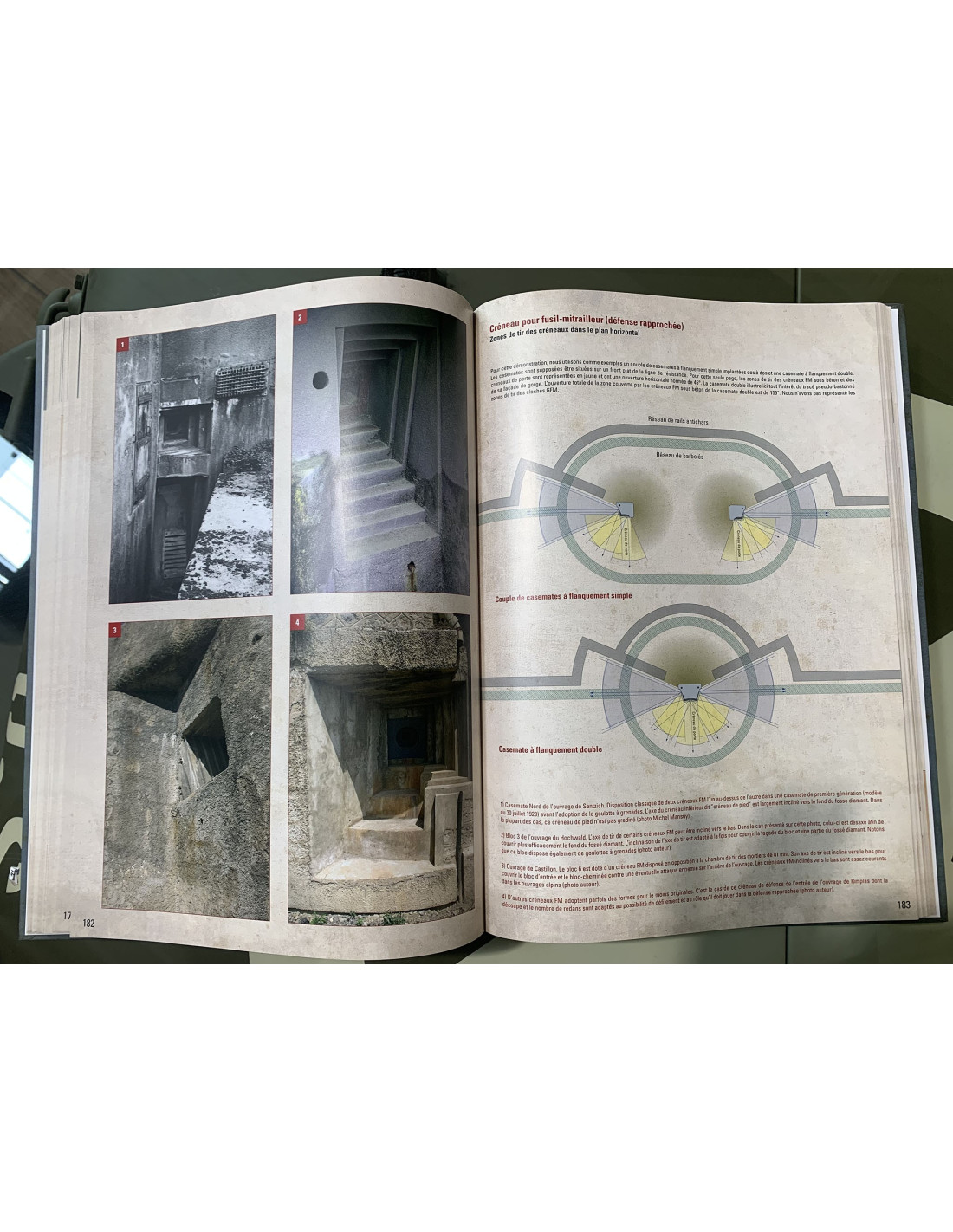
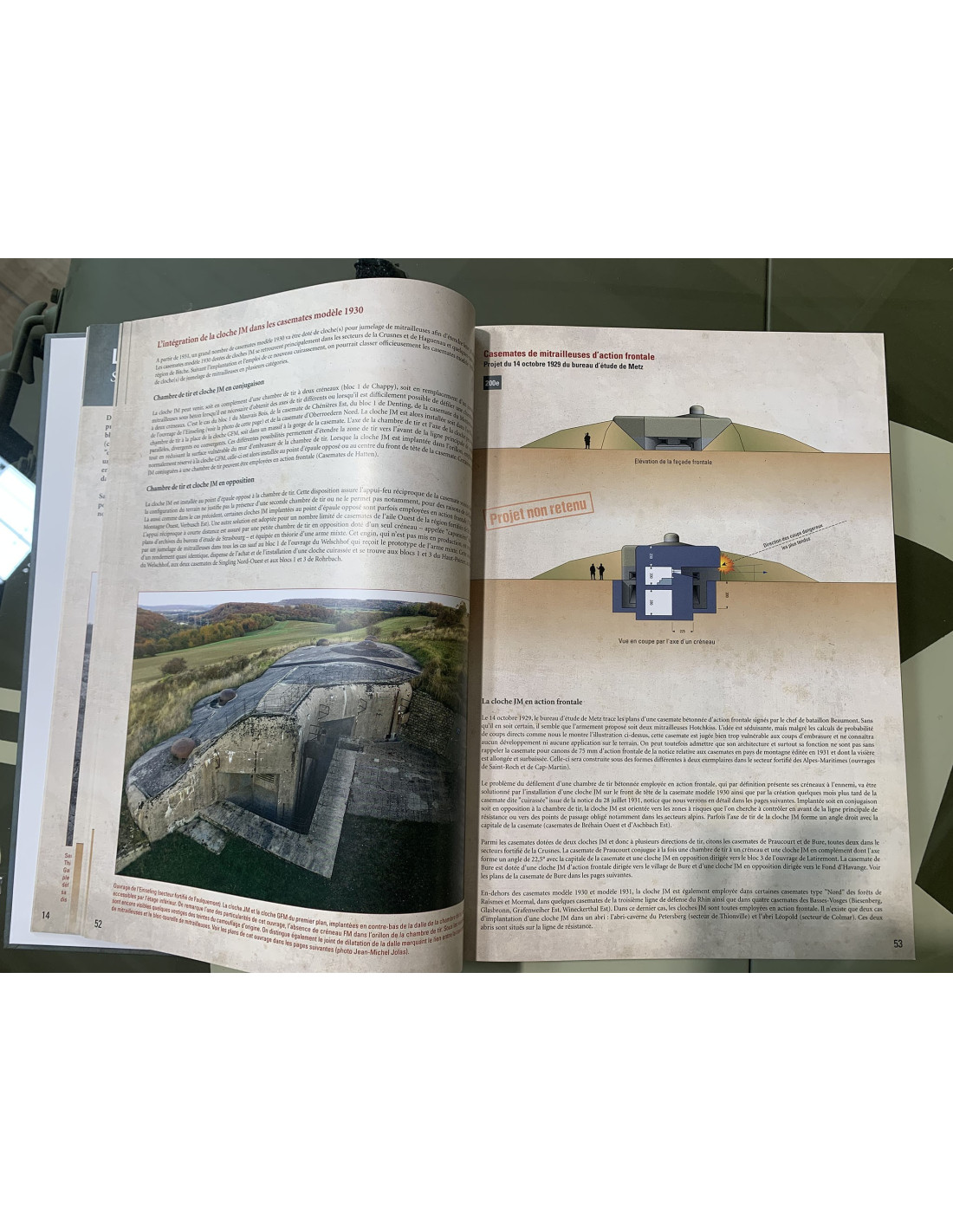
The book covers the 1929 and 1930 model casemates, armored casemates, blockhouses in the demolition zones, 1936 model casemates with staggered embrasures, and the infantry casemates and blocks of the Alpine sectors.
A chapter at the end of the book devoted to GFM cloches provides further insight into these armored structures.
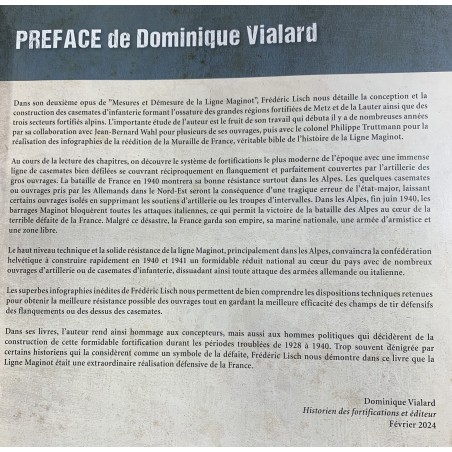
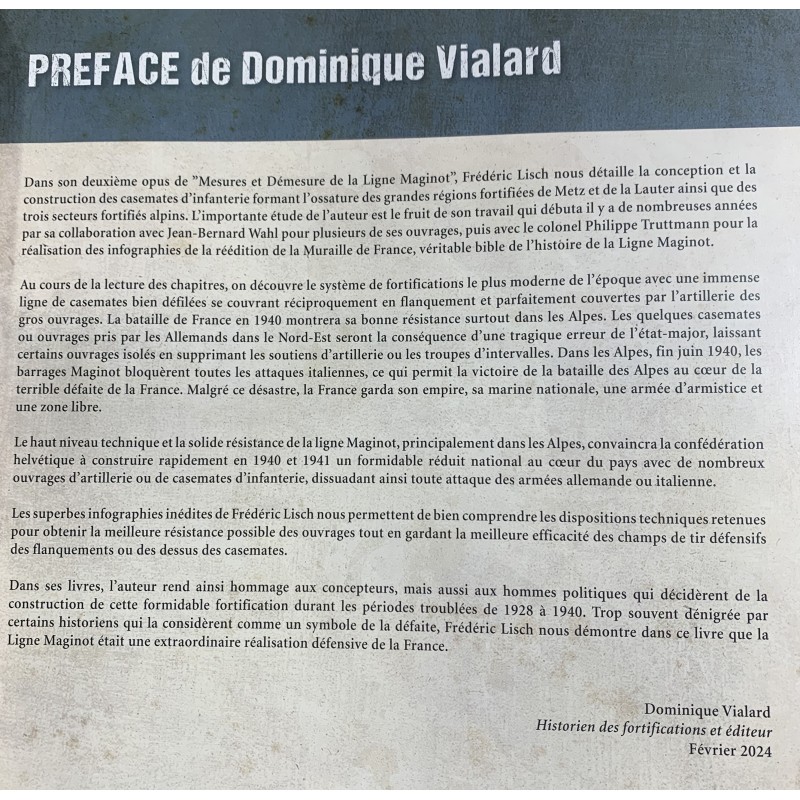
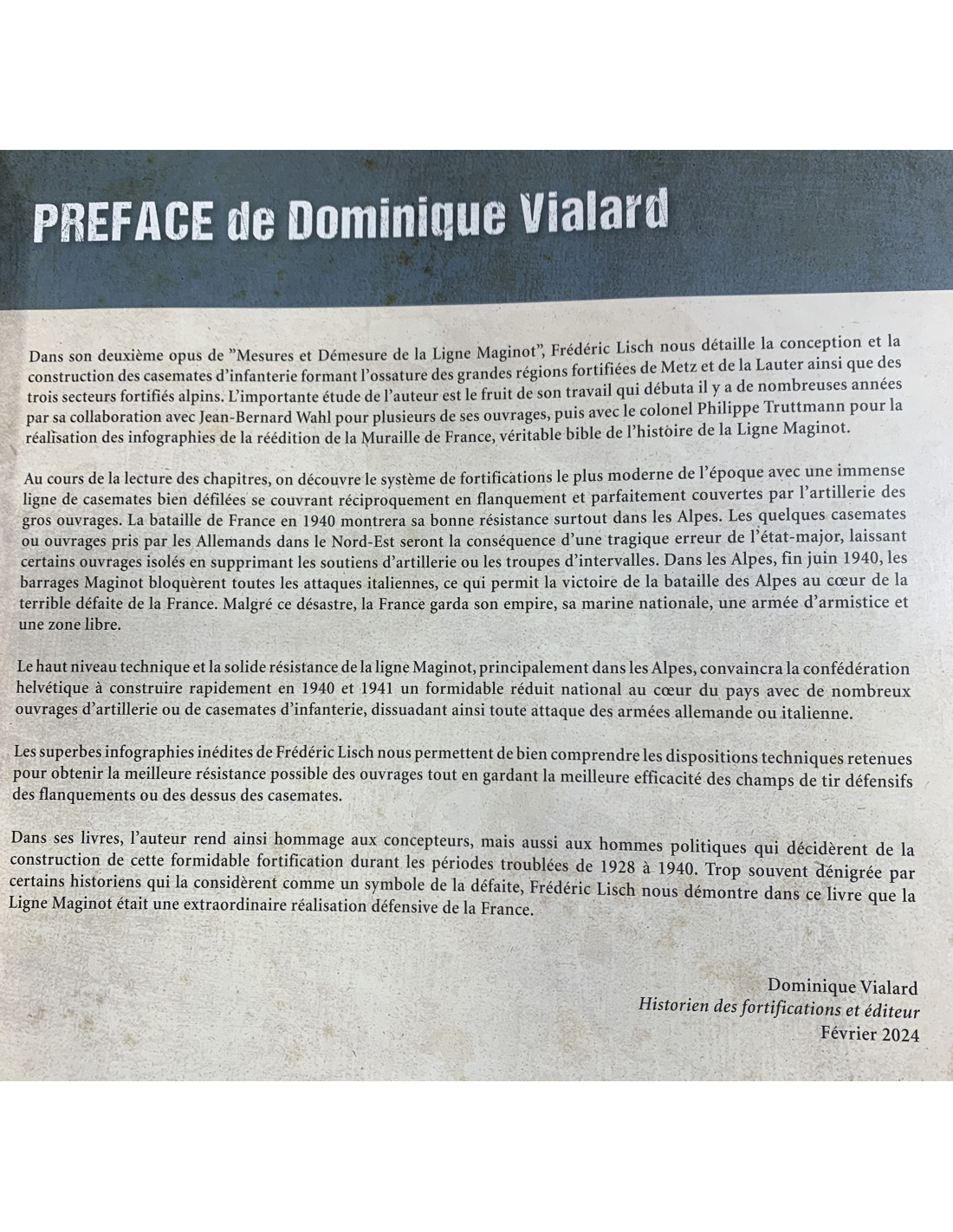
Frédéric Lisch examines in detail the design and construction of the infantry casemates that formed the backbone of the major fortified regions of Metz and the Lauter, as well as the three fortified sectors of the Alps. His extensive study grew out of work begun many years ago, first in collaboration with Jean-Bernard Wahl on several of his books, then with Colonel Philippe Truttmann on the infographics for the new edition of Muraille de France, a definitive reference on the history of the Maginot Line.
The chapters reveal the most modern fortification system of its day: an immense line of well-concealed casemates providing mutual flanking fire, fully supported by the artillery of the major fortifications. The Battle of France in 1940 demonstrated its resilience, especially in the Alps. The few casemates and fortifications captured by the Germans in the northeast fell as a result of a tragic error by the high command, which left some positions isolated by withdrawing artillery support or the troops stationed between them. In the Alps, at the end of June 1940, the Maginot defenses stopped every Italian attack, securing victory in the Battle of the Alps amid France’s devastating defeat.
Despite this disaster, France retained its empire, its navy, an armistice army and an unoccupied zone. The technical sophistication and stout resistance of the Maginot Line, particularly in the Alps, persuaded Switzerland to rapidly build a formidable National Redoubt in the heart of the country in 1940 and 1941. Its many artillery works and infantry casemates helped deter any attack by German or Italian forces.
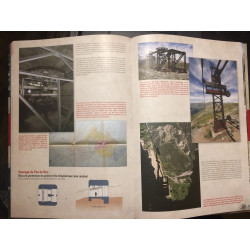
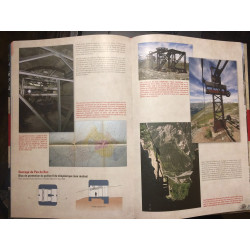
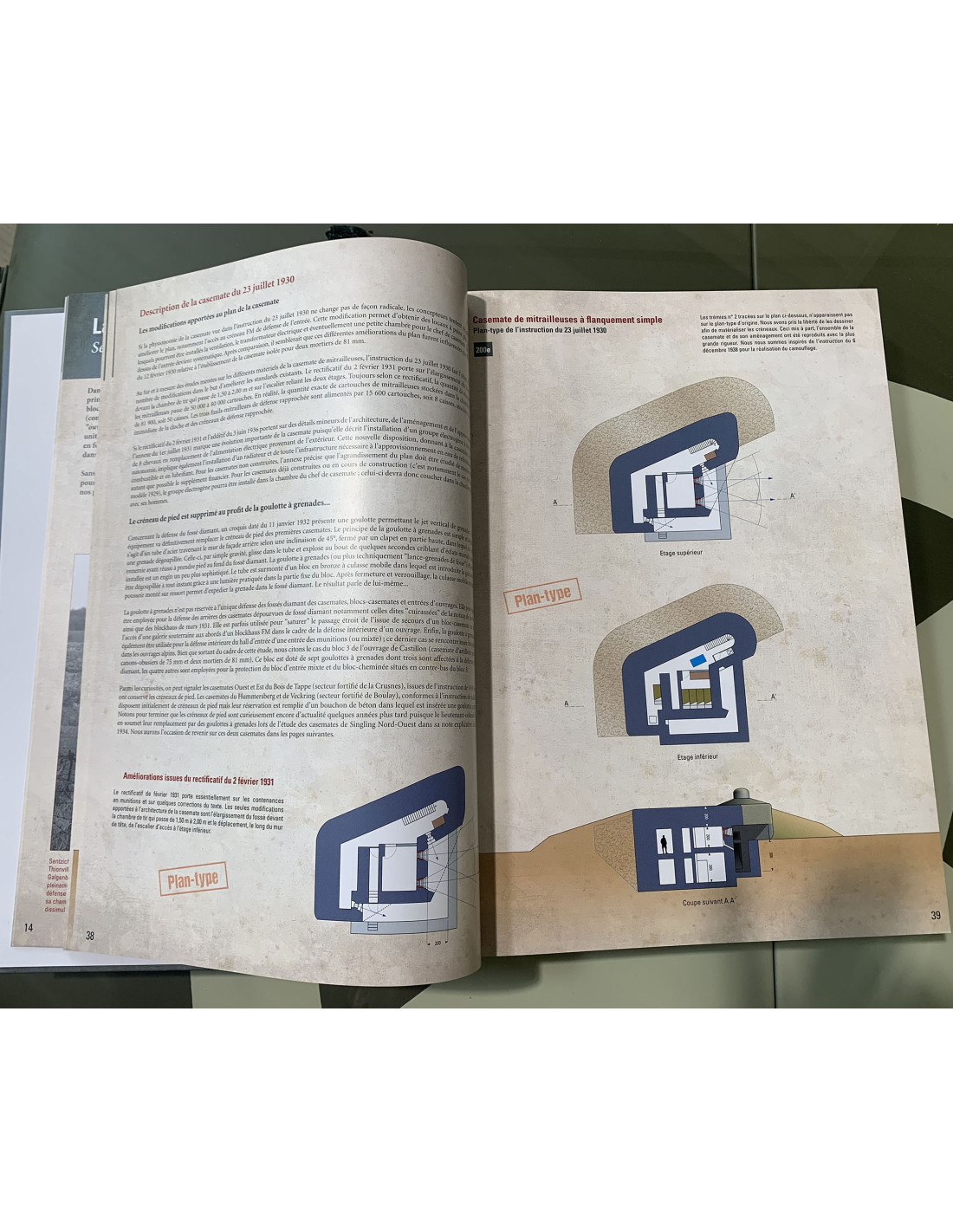
Frédéric Lisch’s superb, previously unpublished infographics make it easier to understand the technical choices made to give the fortifications the greatest possible resistance while preserving the effectiveness of defensive fields of fire from the casemates’ flanks and upper levels.
In his books, the author pays tribute to the designers and to the political leaders who decided to build this formidable fortification during the troubled years from 1928 to 1940. Too often dismissed by historians who regard it as a symbol of defeat, the Maginot Line is shown by Frédéric Lisch in this book to have been an extraordinary French defensive achievement.