MEASURES AND EXCESSES OF THE MAGINOT LINE, VOL. 3 – Fortification Blocks and Turrets
  • Sale!
  • -25%
MEASURES AND EXCESSES OF THE MAGINOT LINE, VOL....

MEASURES AND EXCESSES OF THE MAGINOT LINE, VOL. 3 – Fortification Blocks and Turrets

L20260055DEF
In stock
€28.44 €37.91 -25%
Publication

USED BOOK. FAIR CONDITION, WITH SLIGHTLY BENT COVER CORNERS.

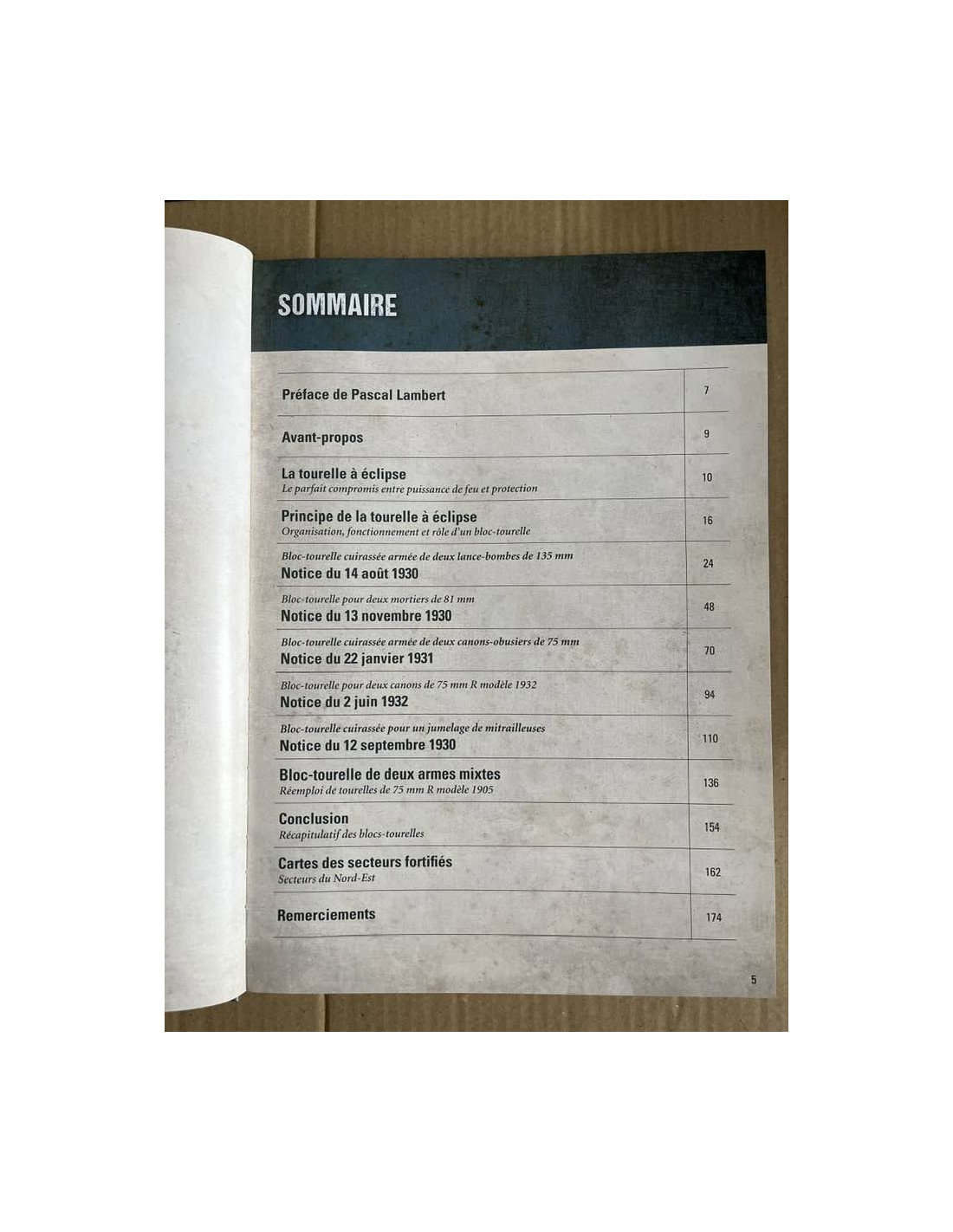
The third title in Frédéric Lisch’s series of books on the components of the Maginot Line.

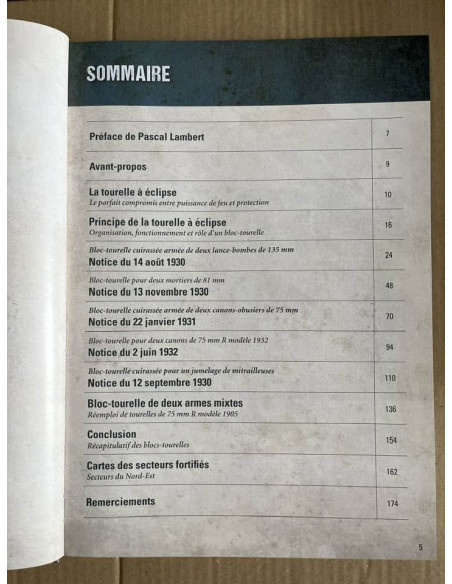
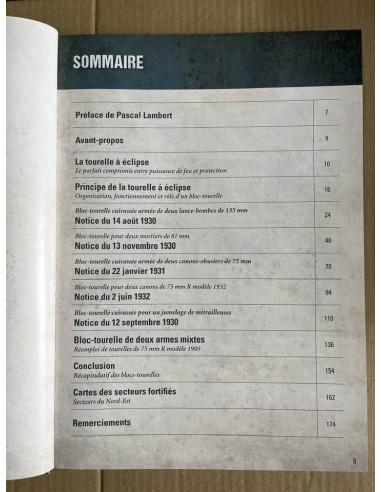
This third volume on the Maginot Line details every type of turret used along the line and includes a chapter on its strategic maps.

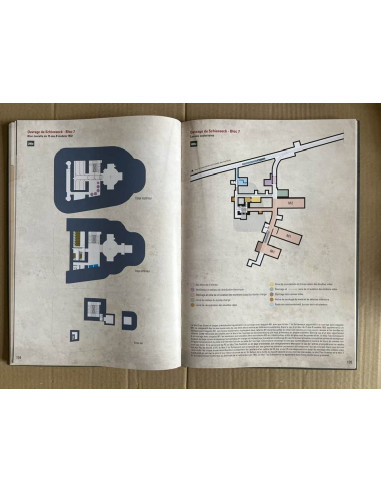
This third volume details all the Maginot Line’s fortification blocks and includes a chapter on strategic maps of the line to help explain France’s defensive system in 1940.

The chapters reveal the most modern fortification system of its time: an immense line of well-concealed casemates providing mutual flanking fire and fully covered by the artillery of the major fortifications. The Battle of France in 1940 demonstrated its resilience, especially in the Alps. The few casemates and fortifications captured by the Germans in the northeast fell as a result of a tragic error by the high command, which left some positions isolated by withdrawing artillery support or the troops stationed between fortifications. In the Alps, the Maginot defenses stopped every Italian attack in late June 1940, securing victory in the Battle of the Alps amid France’s devastating defeat.

Despite this disaster, France retained its empire, its navy, an armistice army, and an unoccupied zone. The Maginot Line’s advanced engineering and strong resistance, particularly in the Alps, prompted Switzerland to rapidly build a formidable national redoubt in the heart of the country in 1940 and 1941, with numerous artillery works and infantry casemates, deterring any attack by German or Italian forces.

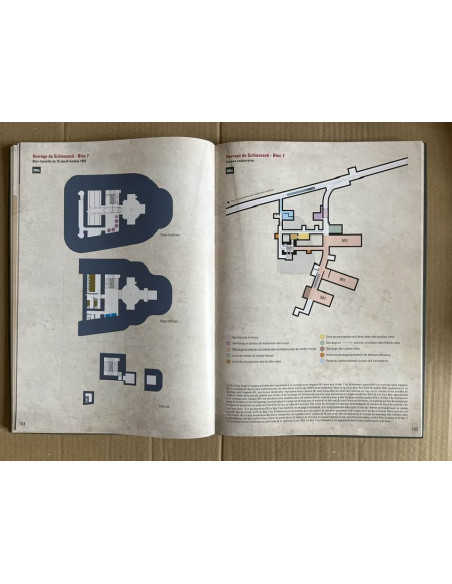
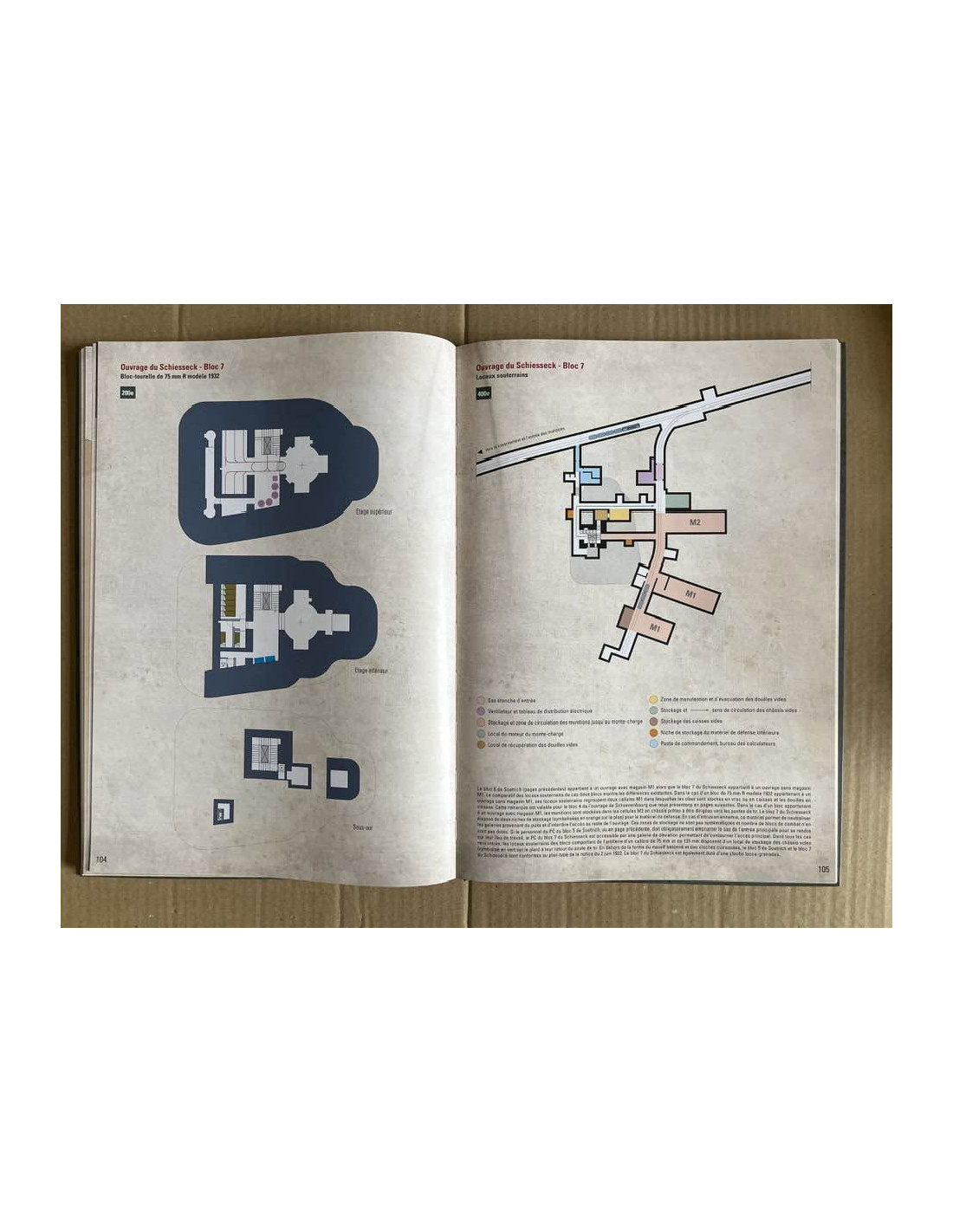
Frédéric Lisch’s superb, previously unpublished infographics show how the fortifications were engineered for maximum resistance while maintaining effective defensive fields of fire from flanking positions and the tops of casemates.

In his books, the author pays tribute to the designers and to the political leaders who authorized the construction of this formidable fortification during the troubled years from 1928 to 1940. Too often dismissed by historians who regard it as a symbol of defeat, the Maginot Line, Lisch demonstrates, was an extraordinary feat of French defensive engineering.


Secure Payment


Delivery

  Call Us

(+33) 01.79.75.05.50

 
Author 1
Frédéric Lisch
Publication date
June 2026
Pages
272
Illustrations
Over 500 photographs, profiles, and maps
Cover
Hardcover
Format
24.0 cm × 34.0 cm
Language
French
Publisher
Fortenco
Used

You might also like